Why does the Moon change shape?
Short answer
The Moon does not actually change shape; it is always a sphere. We see different shapes, called phases, because the Moon orbits the Earth while being illuminated by the Sun from different angles. As the Moon moves, we see varying amounts of its sunlit side, creating the cycle of phases.
On this page
Why the Moon changes shape
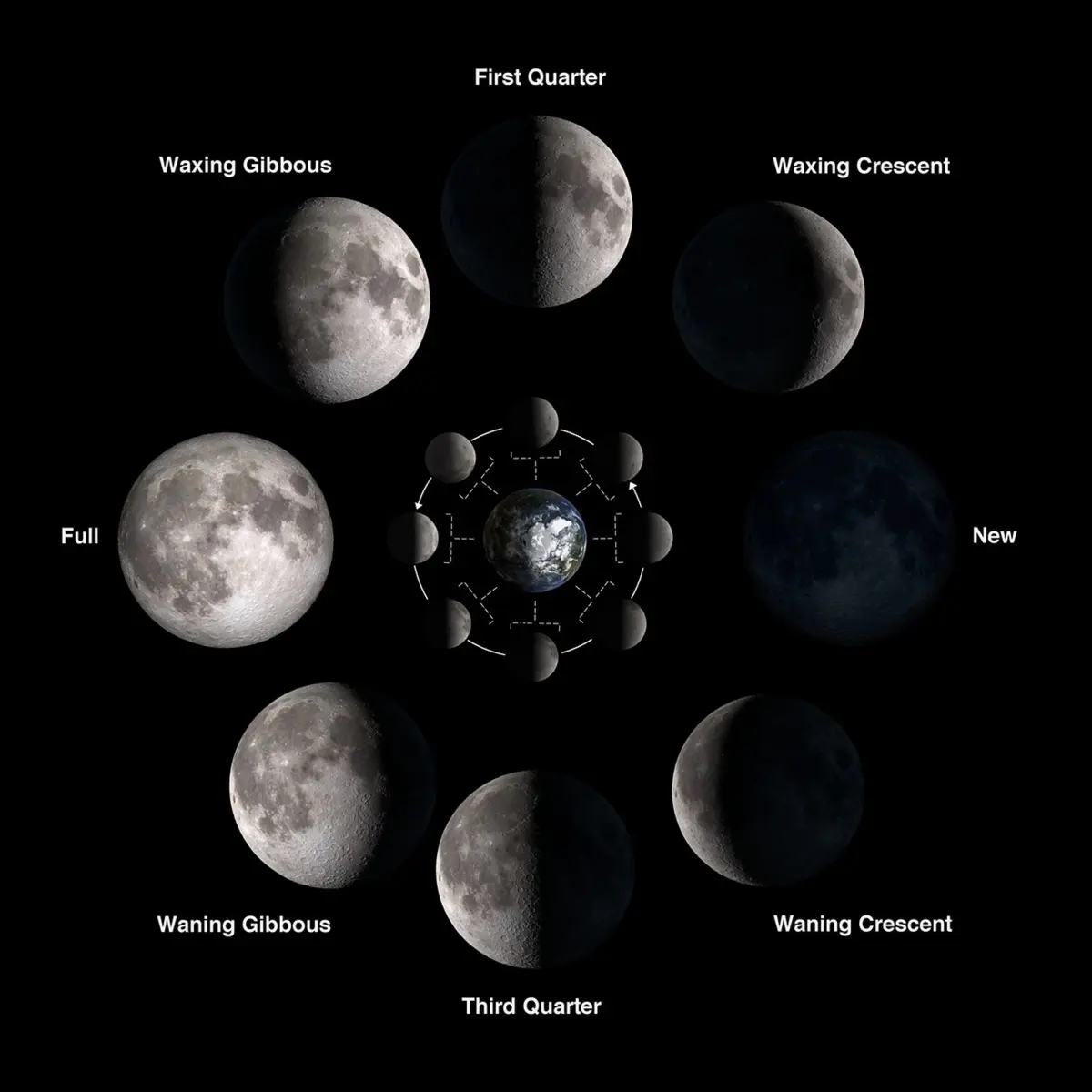
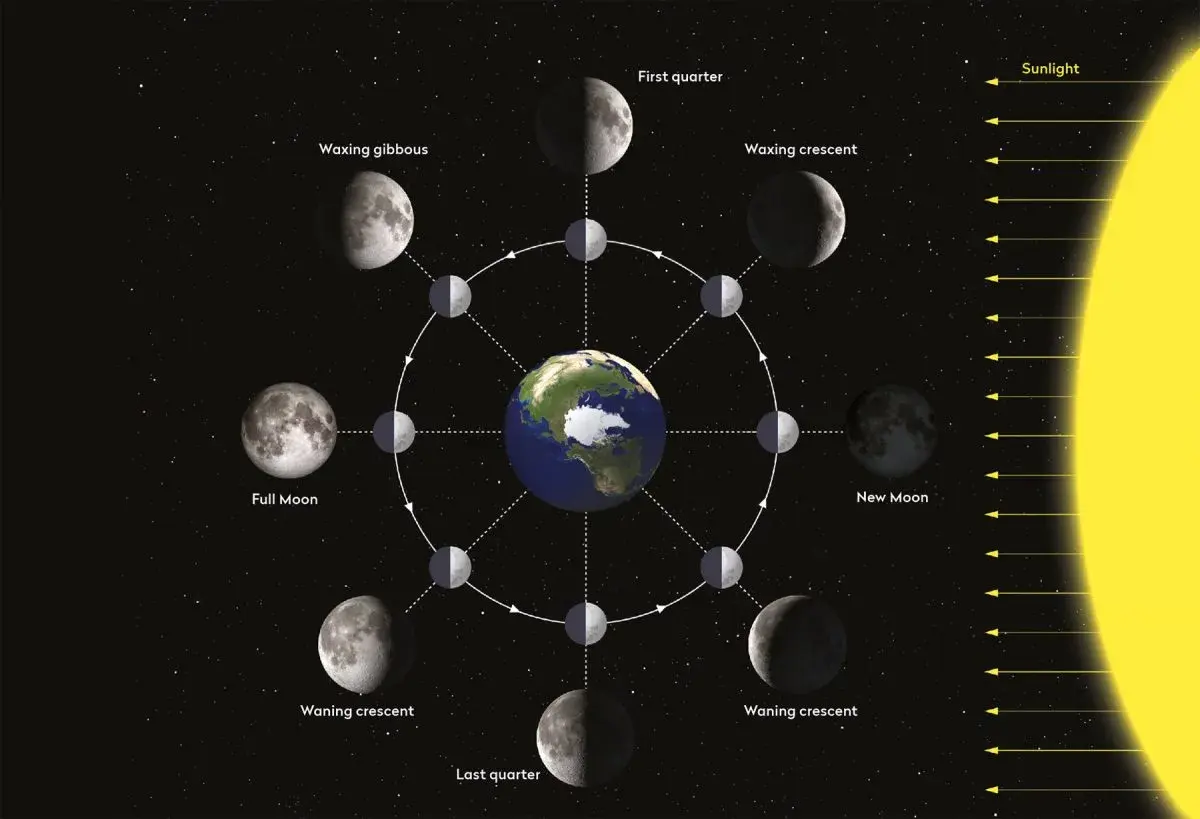
The Moon is a rocky, spherical body that does not produce its own light. It reflects sunlight, much like a mirror, and at any given moment, exactly half of the Moon is illuminated by the Sun. The "shape" we observe from Earth is simply the portion of that sunlit half that happens to be facing our planet. As the Moon completes its orbit around the Earth, our perspective on that illuminated portion shifts constantly.
This phenomenon is governed by the relative positions of the Sun, Earth, and Moon. When the Moon is between the Earth and the Sun, the side facing us is in shadow, resulting in a New Moon. As it moves along its orbital path, more of the sunlit side becomes visible to observers on Earth. This progression creates the familiar cycle of phases, transitioning from a thin crescent to a full, glowing disk.
How long does the lunar cycle take
The complete cycle of lunar phases, known as the synodic month, takes approximately 29.5 days to finish. While the Moon takes about 27.3 days to orbit the Earth once relative to the stars, it takes slightly longer to return to the same position relative to the Sun. This difference occurs because the Earth is also moving in its orbit around the Sun, requiring the Moon to travel a bit further to realign.
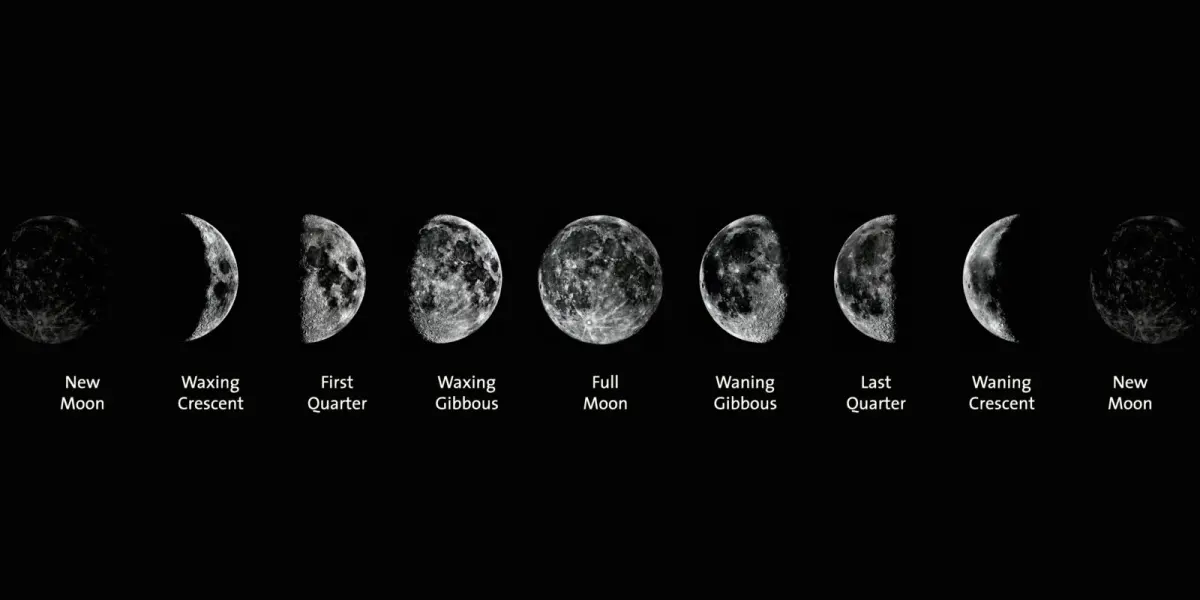
Tracking this cycle is straightforward if you observe the sky at the same time each night. You will notice the Moon’s illumination increasing during the waxing phase and decreasing during the waning phase. To better understand the progression, consider these primary stages:
- New Moon: The Moon is between Earth and Sun; the face is dark.
- First Quarter: Half of the Moon is visible as a semicircle.
- Full Moon: The entire face is illuminated as Earth sits between the Sun and Moon.
- Third Quarter: The opposite half of the Moon is visible as a semicircle.
How to track lunar phases
Observing the Moon is an accessible hobby that requires nothing more than your eyes and a clear night sky. To track the phases effectively, keep a simple log or use a lunar calendar to predict when the next phase will occur. By noting the Moon's position relative to the Sun during the day or early evening, you can visualize the geometry of the solar system in real time.
If you want to get started with lunar observation, follow these steps:
- Identify the current phase using a weather app or an astronomy website.
- Find a location with a clear view of the horizon, away from bright city lights.
- Observe the Moon at the same time each evening for one full month.
- Sketch the shape you see in a notebook to record how the terminator line—the border between light and dark—moves across the surface.
Consistency is the most important factor for success, as it allows you to see the gradual transition between phases clearly.
Common mistakes when viewing the Moon
One frequent error is confusing the lunar cycle with the Moon’s rotation. Many people mistakenly believe the Moon does not rotate because we always see the same face; in reality, the Moon is "tidally locked." This means it rotates on its axis at the exact same rate it orbits the Earth. Because of this, the same side of the Moon always faces our planet, regardless of its current phase.
Another mistake is assuming that the Moon is only visible at night. In reality, the Moon is often visible during the daylight hours, especially during the quarter phases. If you only look for the Moon after sunset, you will miss significant portions of the cycle. Additionally, people often forget that the Moon’s appearance can be affected by atmospheric conditions, such as haze or clouds, which may obscure the fine details of the crescent or gibbous shapes.
Best tools for lunar observation
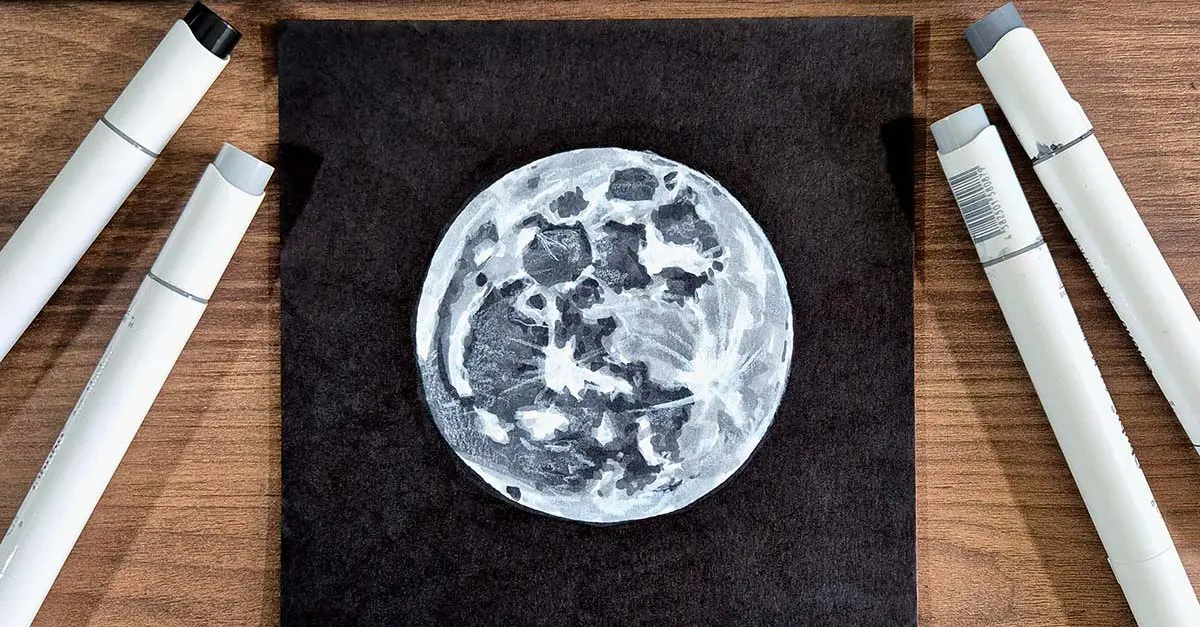
While the naked eye is sufficient for seeing the general phases, binoculars or a small telescope can reveal incredible detail. These tools allow you to see the craters, mountains, and vast dark plains known as maria that define the lunar landscape. When the Moon is in a crescent phase, the shadows near the terminator are long and dramatic, providing the best contrast for viewing surface features.
For those interested in deeper study, consider these resources:
- Binoculars: 7x50 or 10x50 models are perfect for steady, wide-field viewing.
- Lunar Maps: Use a printed or digital map to identify specific craters during different phases.
- Mobile Apps: Several astronomy applications provide real-time overlays showing exactly which part of the Moon is currently lit.
By using these tools, you transform a simple observation into an exploration of the Moon's rugged, ancient terrain. Always remember that the best time to view the Moon is when it is not at its full phase, as the side-lighting creates depth and texture that are otherwise washed out by the intense, direct glare of a Full Moon.
Key facts
- The Moon does not actually change shape; it is always a sphere, but our view of its sunlit side changes as it orbits Earth.
- A full lunar cycle, known as a synodic month, lasts approximately 29.5 days from one new moon to the next.
- During a new moon, the Moon is positioned between Earth and the Sun, making the side facing us appear dark.
- Waxing phases occur when the illuminated portion of the Moon is increasing, moving from the new moon toward the full moon.
- Waning phases occur when the illuminated portion is decreasing, moving from the full moon back toward the new moon.
- To observe the phases clearly, look for the Moon at different times of the day; a first-quarter moon is often visible in the afternoon.
The bottom line
The Moon’s changing appearance is an optical effect caused by its orbit around Earth. As the Moon travels, the angle of sunlight hitting its surface shifts, changing how much of the lit side is visible from our perspective. By tracking these predictable phases over a month, you can easily observe the mechanics of our solar system and understand why the night sky never looks exactly the same.
People also ask
Does the Moon rotate on its axis?
Yes, the Moon rotates on its axis at the same rate it orbits Earth, a phenomenon called synchronous rotation. This is why the same side of the Moon always faces us.
What is the difference between a lunar eclipse and a moon phase?
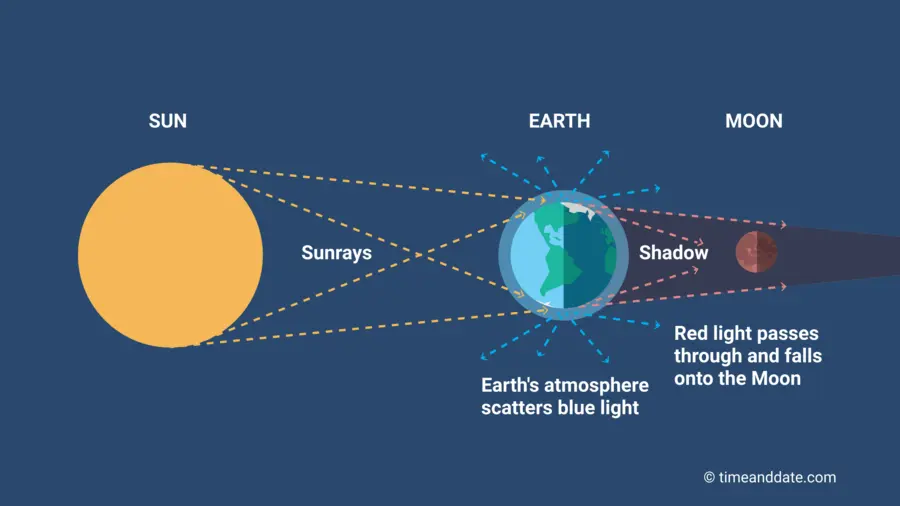
A moon phase is caused by the Moon's orbital position relative to the Sun and Earth. A lunar eclipse occurs only during a full moon when Earth passes directly between the Sun and the Moon, casting a shadow on the lunar surface.
Can you see the Moon during the day?
Yes, the Moon is frequently visible during daylight hours. Because it moves across the sky independently of the Sun, it can be seen in the morning or afternoon depending on its current phase.
What is a "blue moon"?
A blue moon is a colloquial term for the second full moon occurring within a single calendar month. It does not refer to the actual color of the Moon.
Why is the Moon sometimes orange or red?
The Moon appears reddish or orange when it is near the horizon. Light from the Moon must travel through more of Earth's atmosphere at that angle, which scatters shorter blue wavelengths and allows longer red wavelengths to reach your eyes.
How can I track the moon phases at home?
You can track the phases by observing the Moon at the same time each night for a month. Keep a simple logbook noting the date and the visible shape to visualize the 29.5-day cycle.
This answer was created with the help of AI research tools and reference sources. Spotted an error? Let us know — we correct mistakes quickly. See our editorial policy.