How do you start camping?
Short answer
Start camping by borrowing or renting basic gear to test your comfort level before purchasing expensive equipment. Begin with a single night at a local, developed campground featuring amenities like bathrooms and potable water. Focus on mastering tent setup, meal preparation, and fire safety to build confidence for longer wilderness excursions.
On this page
How to choose your first camping destination
For your inaugural trip, select a "frontcountry" or developed campground located within a state or national park. These sites typically offer amenities such as flush toilets, running water, picnic tables, and fire rings. Staying close to home—ideally within a two-hour drive—allows you to return quickly if weather conditions deteriorate or if you forget essential gear. Check the park’s official website for reservation requirements, as popular sites often book up months in advance.
Prioritize campgrounds that offer a mix of shade and open space. Avoid sites located directly next to high-traffic areas like bathrooms or dumpsters, as these can be noisy and busy throughout the night. Research the site’s terrain to ensure it is flat and well-drained, which prevents water from pooling under your tent during rain. Always confirm the park’s pet policy and quiet hours before finalizing your booking to ensure a peaceful experience.
Best camping gear for beginners
You do not need to purchase top-tier, ultralight equipment for your first trip. Many outdoor retailers offer rental programs for tents, sleeping bags, and stoves, which is a cost-effective way to determine what you prefer. If you decide to buy, focus on quality basics that will last for years. A reliable tent should be waterproof and easy to assemble, while a sleeping bag should be rated for temperatures at least 10 degrees colder than the expected nighttime low.
Essential items to pack for your first outing include:
- A headlamp or flashlight with extra batteries.
- A sleeping pad to provide insulation from the cold ground.
- A basic first-aid kit containing bandages, antiseptic, and pain relievers.
- A multi-tool or pocket knife for utility tasks.
- A portable camp stove and fuel canisters for cooking.
- Weather-appropriate clothing layers made of moisture-wicking synthetic fabrics.
How to set up a campsite efficiently
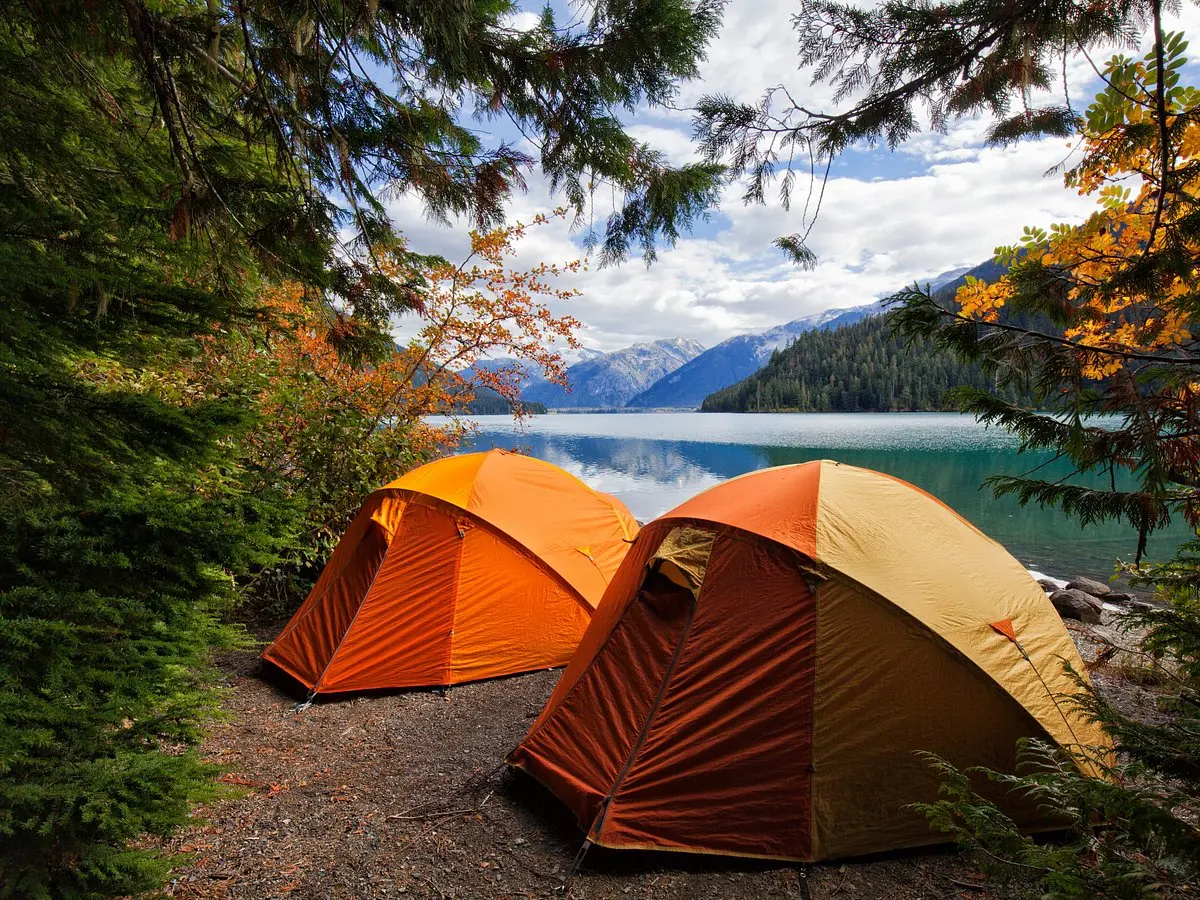
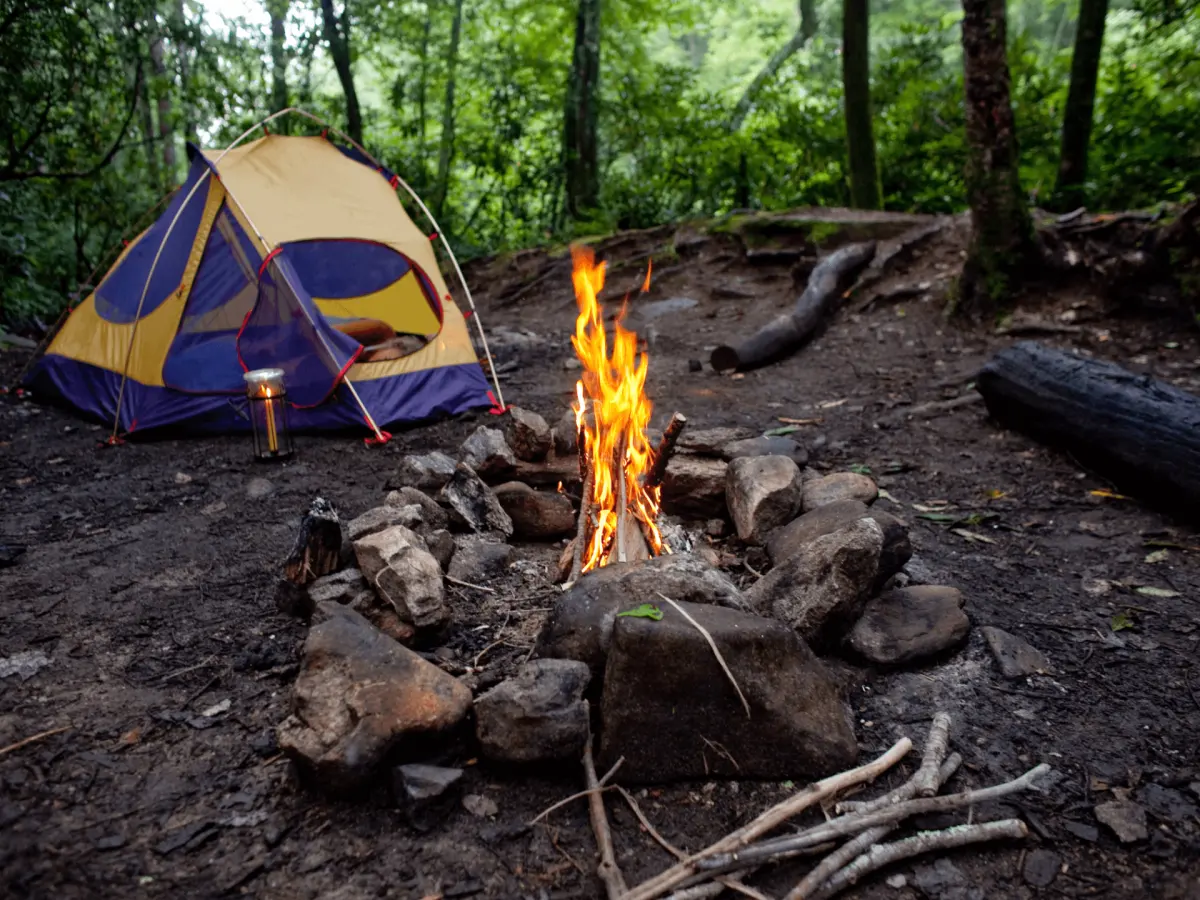
Upon arrival, perform a quick inspection of your site to clear away rocks, sticks, and debris that could damage your tent floor or cause discomfort. Position your tent door away from the prevailing wind to keep the interior stable and warm. If the site has a designated fire ring, set up your cooking area at least 15 feet away from your sleeping quarters to minimize smoke exposure and prevent accidental fires.
Follow these steps to ensure a smooth setup:
- Lay down a footprint or tarp under your tent to protect the floor from moisture and abrasion.
- Assemble the tent poles and attach the rainfly securely to ensure proper ventilation and weather protection.
- Organize your gear inside the tent immediately so you know exactly where items are located after dark.
- Set up your camp chairs and lighting around the picnic table to create a comfortable living space.
- Store all food and scented items in a locked vehicle or bear-proof container to prevent attracting local wildlife.
Common mistakes when camping
One of the most frequent errors beginners make is failing to practice setting up their tent at home. Struggling with complex poles or missing stakes in the dark can turn an exciting trip into a frustrating ordeal. Additionally, many novices underestimate how cold the ground becomes at night. Without a proper sleeping pad, the earth will absorb your body heat, leading to a restless night regardless of how thick your sleeping bag is.
Another common oversight is improper meal planning. Avoid complicated recipes that require extensive preparation or refrigeration, as managing a cooler in the wilderness is more difficult than it seems. Stick to simple, shelf-stable meals like pasta, oatmeal, or pre-cooked sausages. Furthermore, always pack out everything you pack in. Leaving trash behind is not only harmful to the environment but also violates the fundamental principles of Leave No Trace, which every camper must follow to preserve natural spaces for others.
Why safety and preparation matter
Safety should always be your primary concern when venturing into the outdoors. Always check the local weather forecast 24 hours before departure and be prepared to cancel or reschedule if severe storms or high winds are predicted. Share your itinerary with a friend or family member who is not going on the trip, including your specific location and your planned return time. This ensures that someone knows where to look if you fail to check in as scheduled.
Finally, familiarize yourself with local wildlife regulations, especially regarding food storage. In many regions, you must hang your food or use a bear canister to avoid attracting animals to your campsite. Keep a whistle and a physical map of the area handy, as cellular service is often non-existent in remote parks. By respecting the environment and staying prepared for emergencies, you ensure that your camping experience remains safe, enjoyable, and sustainable for your future outdoor adventures.
Key facts
- Choose a developed campground with amenities like bathrooms and potable water for your first trip.
- Practice setting up your tent in your backyard or a local park before heading into the wilderness.
- Follow the "Leave No Trace" principles to minimize your environmental impact by packing out all trash.
- Pack a headlamp with extra batteries, as relying solely on a smartphone flashlight is inefficient and risky.
- Always check the local weather forecast 24 hours before departure and be prepared to cancel if severe storms are predicted.
- Wear synthetic or wool base layers instead of cotton, which retains moisture and can lead to hypothermia if it gets wet.
The bottom line
Starting your camping journey is best accomplished by prioritizing comfort and safety in a controlled environment. By practicing your setup, packing appropriate synthetic clothing, and strictly following Leave No Trace principles, you ensure a positive experience. Focus on mastering the basics of site selection and food storage first. With careful preparation and respect for nature, camping becomes a rewarding way to disconnect and enjoy the outdoors.
People also ask
What is the most important piece of camping gear for beginners?
A high-quality sleeping pad is essential because it provides insulation from the cold ground, which is just as important as the warmth of your sleeping bag. Without it, your body heat will dissipate into the earth regardless of how thick your bag is.
How do I choose the right campsite?
Look for a flat, dry area that is at least 200 feet away from lakes or streams to protect water quality. Ensure the site is not located in a natural depression where water might pool during a rainstorm.
Is it safe to camp alone?
Solo camping is safe if you have experience, but beginners should start with a partner to learn essential skills. Always leave a detailed itinerary with a trusted friend, including your exact location and expected return time.
How do I store food to keep animals away?
Use a bear-resistant canister or hang your food in a tree at least 10 feet off the ground and 4 feet away from the trunk. Never keep food or scented toiletries inside your tent, as these attract wildlife.
What should I do if it rains while camping?
Keep your sleeping bag and dry clothes inside waterproof stuff sacks or heavy-duty trash bags. If you are stuck in a tent during a storm, avoid touching the side walls to prevent water from wicking through the fabric.
How do I start a campfire safely?
Use an established fire ring and keep your fire small to prevent it from escaping. Always extinguish the fire completely by pouring water on it, stirring the ashes, and ensuring the site is cool to the touch before leaving.
This answer was created with the help of AI research tools and reference sources. Spotted an error? Let us know — we correct mistakes quickly. See our editorial policy.