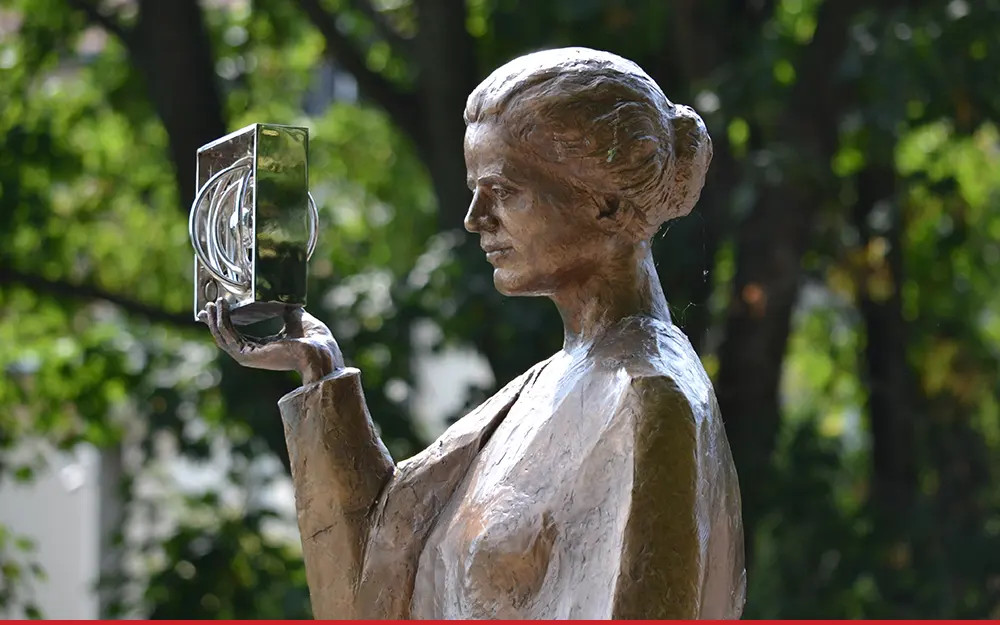
Who was Emily Murphy?
Short answer
Emily Murphy was a prominent Canadian women’s rights activist, author, and the British Empire’s first female magistrate. She is best known for leading the "Famous Five," a group that successfully campaigned to have women legally recognized as "persons" under the British North America Act, fundamentally changing Canadian constitutional law in 1929.

On this page
Who was Emily Murphy?
Emily Murphy was born Emily Gowan Ferguson in 1868 in Cookstown, Ontario. Raised in a family of high-achieving lawyers and politicians, she developed an early interest in social justice and legal advocacy. After marrying Arthur Murphy in 1887, she moved to Western Canada, where she became a prolific writer under the pen name "Janey Canuck."
Her transition into public life began through her extensive volunteer work with the National Council of Women. She observed that women and children often lacked legal protections in the burgeoning frontier settlements. This realization prompted her to lobby the Alberta government for the Dower Act, which eventually secured property rights for married women. Her reputation as a fierce advocate for the vulnerable led to her historic appointment as a police magistrate in Edmonton in 1916.
Why did the Persons Case happen?
The "Persons Case" emerged from a direct challenge to Murphy’s authority as a magistrate. In 1917, a lawyer argued that Murphy could not preside over a court because women were not "qualified persons" under the British North America Act of 1867. Although the local supreme court rejected this argument, the legal ambiguity remained a significant barrier to women seeking public office.
Murphy realized that only a definitive ruling from the highest court could settle the matter permanently. She gathered four other prominent activists—Nellie McClung, Irene Parlby, Henrietta Edwards, and Louise McKinney—to petition the government. Their goal was to clarify the definition of a "person" to include women, thereby ensuring their eligibility for appointment to the Senate of Canada.
- The petition was formally submitted to the Supreme Court of Canada in 1927.
- The Supreme Court initially ruled against the women in 1928, stating that the original authors of the constitution did not intend to include women.
- The Famous Five appealed the decision to the Judicial Committee of the Privy Council in London, which served as Canada’s final court of appeal at the time.
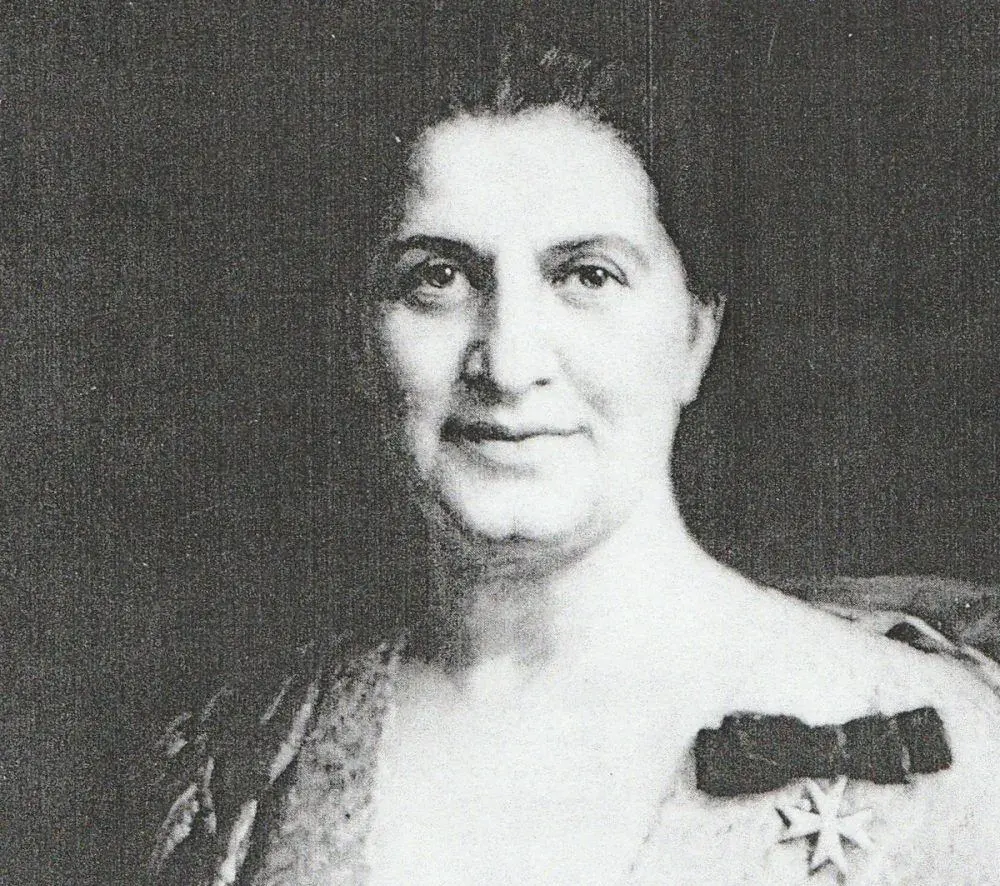
How did the Famous Five win?
The legal battle concluded on October 18, 1929, when the British Privy Council overturned the Canadian Supreme Court’s decision. Lord Sankey, who delivered the judgment, famously described the exclusion of women from public office as a "relic of days more barbarous than ours." He argued that the constitution should be interpreted as a "living tree" capable of growth and adaptation.
This victory was monumental for Canadian democracy, as it effectively opened the doors for women to participate in the Senate and other high-level government positions. The ruling solidified the principle that women were equal citizens under the law. It remains one of the most significant constitutional milestones in Canadian history, representing a shift toward inclusive governance and gender equality.
- Organize a coalition of like-minded advocates to create a unified front.
- Identify the specific legislative or constitutional barrier preventing progress.
- Utilize the court system to challenge discriminatory interpretations of the law.
- Maintain public pressure through media, writing, and community engagement.
- Persist through initial legal setbacks by appealing to higher judicial authorities.

What were Emily Murphy’s controversial views?
While Murphy is celebrated for her contributions to women’s rights, her legacy is complicated by her work on social issues and eugenics. As a magistrate, she was a vocal proponent of the Sexual Sterilization Act in Alberta. She believed that certain groups, particularly immigrants and those she deemed "mentally deficient," posed a threat to the moral and social fabric of the nation.
Her writings, particularly her book The Black Candle, reflected deep-seated prejudices regarding race and drug use. These views were reflective of the prevailing colonial and eugenicist ideologies of the early 20th century, which sought to control populations through state intervention. Modern historians often highlight these aspects of her career to provide a more nuanced understanding of her life, acknowledging that her pursuit of gender equality existed alongside exclusionary and discriminatory beliefs.
Common mistakes when analyzing historical figures
When studying figures like Emily Murphy, it is a common mistake to view their actions through a strictly modern lens. It is essential to balance an appreciation for their specific legislative achievements with a critical examination of their broader social impact. Failing to contextualize their views within the era they lived can lead to an incomplete or overly simplified portrait of their influence on society.
Another mistake is to assume that early feminist movements were universally inclusive. The work of the Famous Five was groundbreaking for white, middle-class women, but it often failed to address the specific needs or rights of Indigenous women and other marginalized groups. To gain a complete perspective, one must evaluate both the progress achieved and the limitations imposed by the social biases of the time. By recognizing these complexities, researchers can better understand how legal and social progress is often a messy, imperfect, and ongoing process.
Key facts
- Emily Murphy served as the first female magistrate in the British Empire, appointed to the Alberta bench in 1916.
- She led the "Famous Five," a group of women who challenged the Canadian government to recognize women as persons under the law.
- The 1929 "Persons Case" victory at the Judicial Committee of the Privy Council overturned a ruling that excluded women from the Senate.
- Murphy wrote under the pen name "Janey Canuck," publishing several books that highlighted the experiences of women in Western Canada.
- She was a key advocate for the Dower Act in Alberta, which protected a wife's interest in her husband's property.
- Despite her achievements, Murphy’s legacy is complicated by her controversial advocacy for eugenics and discriminatory views on immigration.
The bottom line
Emily Murphy remains a foundational figure in Canadian history, celebrated for her instrumental role in the Persons Case and her pioneering work as a female magistrate. While her legal victories secured essential rights for women in the political sphere, her legacy remains a subject of critical discussion due to her harmful views on eugenics. Understanding her life requires balancing these significant legislative achievements with her controversial social ideologies.
People also ask
Was Emily Murphy the first woman to serve as a judge in Canada?
Yes, she was the first woman appointed as a magistrate in Canada and the entire British Empire, beginning her service in 1916 in Edmonton, Alberta.
What was the "Persons Case"?
The Persons Case was a landmark legal challenge initiated by Murphy and four other women to determine if the word "persons" in the British North America Act included women. In 1929, the Privy Council ruled in their favor, allowing women to be appointed to the Canadian Senate.
Who were the other members of the Famous Five?
The other members were Henrietta Muir Edwards, Nellie McClung, Louise McKinney, and Irene Parlby, all of whom were prominent activists and social reformers.
Did Emily Murphy face opposition during her legal career?
Yes, her appointment was initially challenged by lawyers who argued that a woman could not be a judge because she was not considered a "person" under the law.
What is the primary criticism of Emily Murphy today?
Modern historians criticize Murphy for her support of the Sexual Sterilization Act in Alberta, which targeted vulnerable populations, and for her xenophobic writings regarding immigration.
Is there a monument honoring Emily Murphy?
Yes, a bronze statue of the Famous Five, including Murphy, stands on Parliament Hill in Ottawa to commemorate their contribution to Canadian democracy.
This answer was created with the help of AI research tools and reference sources. Spotted an error? Let us know — we correct mistakes quickly. See our editorial policy.