What is the easiest way to draw a giant?
Short answer
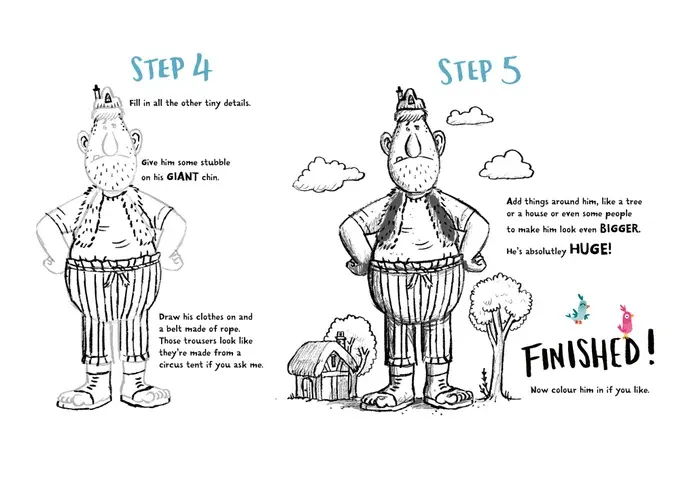
The easiest way to draw a giant is to emphasize scale through contrast. By placing a small, recognizable object like a human, a tree, or a house near the giant’s feet, you immediately establish its massive height. Use a low camera angle to make the figure look imposing and powerful to the viewer.
On this page
How to establish scale in character design
Establishing scale is the most critical element when drawing a giant. Without a point of reference, a giant simply looks like a normal-sized person standing in an empty space. To solve this, you must include "scale objects" that the viewer understands instinctively. A standard human figure is the most effective tool, but you can also use environmental elements to convey size.
- Place a tiny silhouette of a person at the giant's ankle to show how high the knee reaches.
- Draw a forest or a cluster of houses near the feet to demonstrate the giant's footprint.
- Use atmospheric perspective, where distant parts of the giant appear lighter or bluer, to suggest the figure is massive enough to span miles.
By juxtaposing the giant against familiar architecture, the viewer’s brain automatically calculates the height. If you draw a giant standing next to a mountain, ensure the giant’s proportions remain consistent with the landscape to maintain the illusion of immense size.
Best techniques for drawing giants for beginners
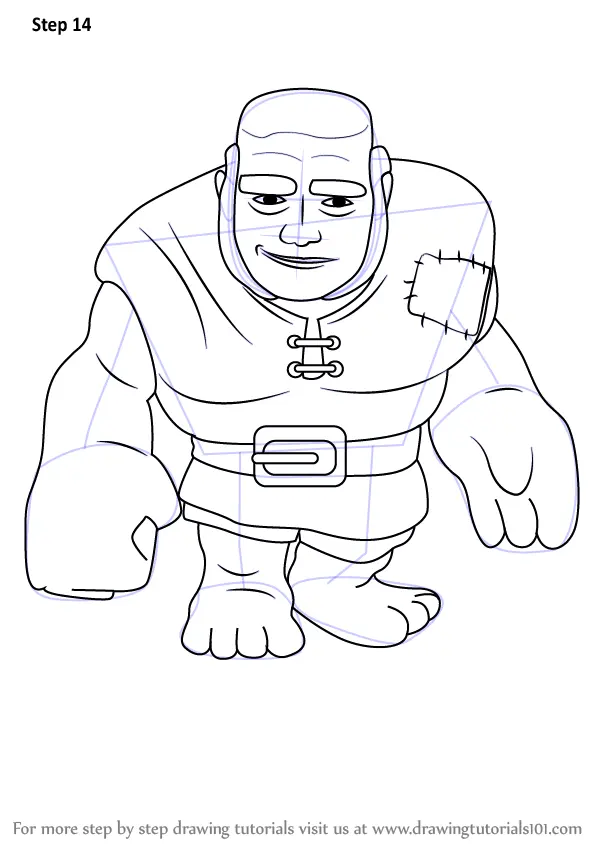
For beginners, the easiest approach is to focus on the silhouette rather than intricate details. A giant’s shape should be blocky and sturdy, suggesting weight and permanence. Start by sketching a basic stick figure to establish the pose, then build thick, heavy volumes around the limbs. This method prevents you from getting lost in anatomy too early.
- Use thick, bold outlines to define the giant’s outer edges.
- Keep the head relatively small compared to the body to emphasize the sheer length of the limbs.
- Simplify the clothing, as complex patterns can distract from the overall scale of the figure.
Focusing on the "weight" of the character is essential. A giant should look like it is pushing against the ground with every step. By keeping the center of gravity low and the feet firmly planted, you create a sense of realism that makes the giant feel grounded in its environment.
Why perspective affects the giant's size
Perspective is the primary tool used to make a giant feel truly "giant." The most effective technique is the "worm’s-eye view," where the viewer looks up at the character from the ground. This angle forces the viewer to crane their neck, mimicking the physical experience of looking at something massive. It also distorts the figure, making the feet appear larger and the head smaller, which enhances the scale.
When drawing from this angle, remember that the horizon line should be placed very low on your page. This creates the illusion that the giant is towering over the viewer. If you place the horizon line too high, the giant will appear to be shrinking or standing on a platform, which ruins the effect. Mastering this simple shift in perspective is often more important than the actual drawing style or level of detail.
Common mistakes when drawing giants
One common mistake is drawing a giant with human-like agility and speed. Giants are massive, and their movements should reflect that inertia. If you draw a giant jumping or running like a gymnast, the sense of scale is lost because the brain expects massive objects to move slowly. Always depict giants performing heavy, deliberate actions that suggest they have immense mass.
Another frequent error is failing to account for atmospheric perspective. When an object is truly massive, the top of the giant might be miles away from the bottom. The parts of the giant furthest from the viewer should be slightly obscured by fog, clouds, or haze. Ignoring this makes the giant look like a cardboard cutout rather than a living, breathing entity that occupies real, three-dimensional space in your drawing.
How to add detail to giant anatomy
Adding detail to a giant requires a balance between realism and exaggeration. You do not need to draw every pore or hair, as this can make the giant look like a regular person standing close to the camera. Instead, focus on textures that suggest age and weathering, such as craggy skin that resembles rock formations or deep wrinkles that look like canyons. These textures provide visual cues that the giant has been around for centuries.
- Add moss or small trees growing on the giant’s shoulders to suggest a long, stationary life.
- Use cracks in the skin to mirror geological features like dry riverbeds or tectonic plates.
- Incorporate scars or debris that would be impossible for a normal human to acquire, such as a boulder lodged in their back.
By treating the giant’s body as part of the landscape, you make the character feel like a natural force. This approach turns the giant from a simple monster into a legendary figure that feels as ancient and enduring as the world it inhabits.
Key facts
- Use a "stick figure" skeleton to establish the giant's extreme height and posture before adding muscle mass.
- Scale the giant’s head smaller in proportion to its body to emphasize its massive size compared to humans.
- Place small, detailed objects like trees or houses near the giant's feet to provide a sense of scale.
- Draw the giant’s legs longer than the torso to create a realistic anatomical structure for a towering figure.
- Use a low-angle perspective, known as a "worm's-eye view," to make the character appear to loom over the viewer.
- Avoid drawing facial features too close together, as large faces often require more negative space to look natural.
The bottom line
To draw a convincing giant, prioritize scale by contrasting the figure against recognizable, smaller objects like trees or buildings. Start with a simple skeletal structure to ensure proper height, then emphasize heavy limbs and a low-angle perspective to convey immense mass. By keeping facial features proportional and avoiding overly delicate details, you create a powerful, towering character that effectively dominates the visual space of your composition.
People also ask
How do I make a giant look heavy rather than just tall?
Focus on drawing thick, tree-trunk-like limbs and heavy, sagging skin folds around the joints. Adding debris or dust clouds around the feet suggests the immense weight of each step.
What is the best way to show scale without using buildings?
Draw birds or clouds at the level of the giant’s waist or chest. This immediately signals to the viewer that the figure is high enough to occupy the sky.
Should a giant have human proportions?
While they should resemble humans, giants often look more convincing if their limbs are slightly elongated. This "heroic" proportion helps them appear graceful despite their overwhelming size.
How do I draw a giant's hands correctly?
Imagine the hands as large, blocky shapes first, then add the fingers. Keep the fingers relatively thick to match the scale of the arms and torso.
What common mistake ruins the sense of scale?
The most frequent error is making the giant's clothing or accessories look too small or delicate. Everything the giant touches must be scaled up to match its massive physical presence.
Is it better to draw a giant from the front or the side?
A three-quarter view is usually the most dynamic because it shows depth and volume. This angle allows you to display the giant's bulk while still showing the environment around it.
This answer was created with the help of AI research tools and reference sources. Spotted an error? Let us know — we correct mistakes quickly. See our editorial policy.