What is optical illusion art?
Short answer
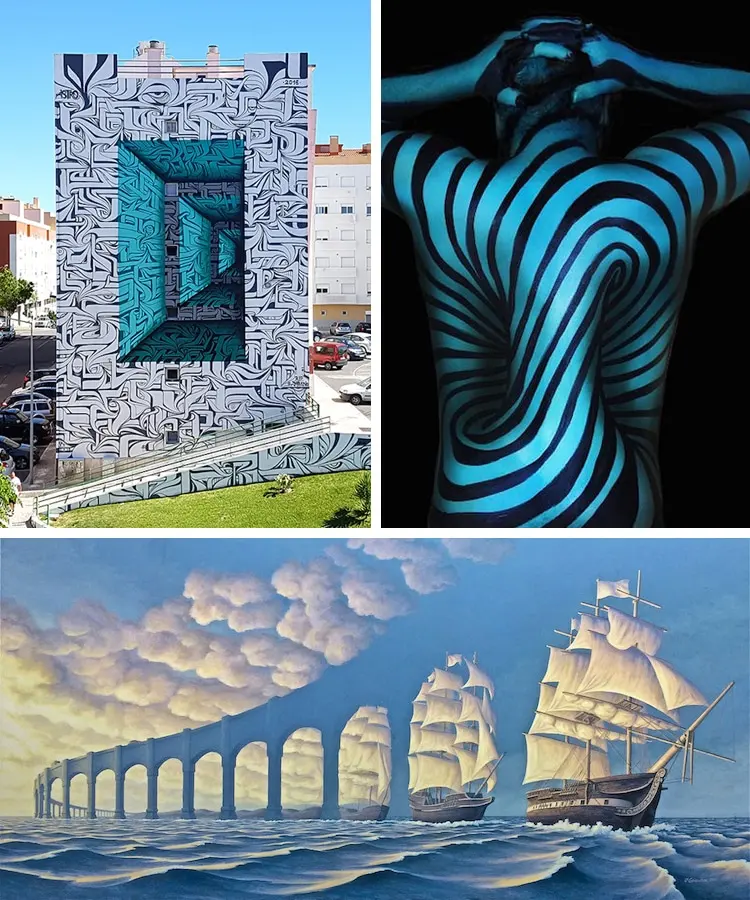
Optical illusion art, or Op art, is a style of visual art that uses abstract patterns, geometric shapes, and contrasting colors to create the impression of movement, hidden images, or vibrating surfaces. It relies on the physiological relationship between the human eye and the brain to trick perception into seeing motion.
On this page
What is optical illusion art?
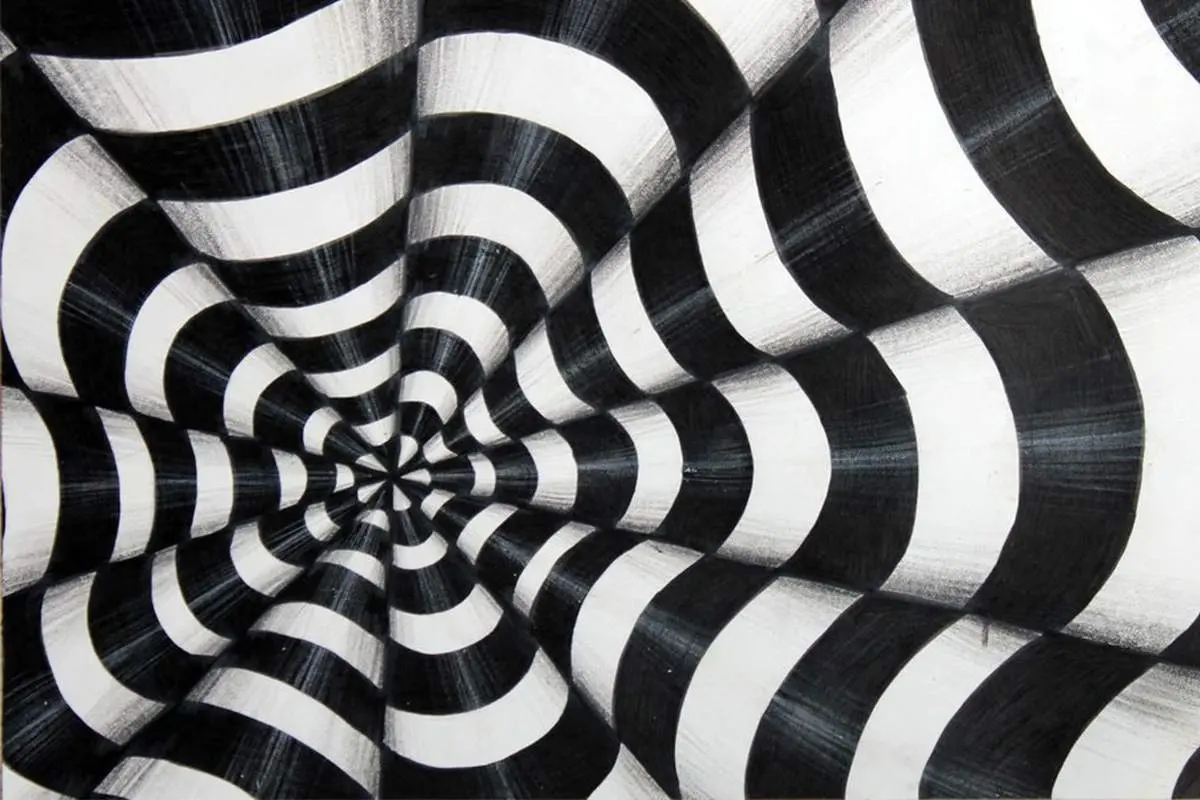
Optical illusion art, commonly known as Op art, emerged as a distinct movement in the mid-1960s. It focuses on the scientific application of optics to create works that appear to shift, flicker, or expand when viewed. Unlike traditional art that seeks to represent a subject, Op art is purely non-representational, relying entirely on the viewer's visual response to patterns.
The movement gained global recognition following the 1965 exhibition "The Responsive Eye" at the Museum of Modern Art in New York. Artists like Bridget Riley and Victor Vasarely became synonymous with the style, utilizing high-contrast black-and-white palettes to maximize the intensity of the retinal effect. By manipulating lines and geometric forms, these artists force the viewer to participate in the creation of the image, as the "movement" exists only within the observer's perception.
Why does optical illusion art happen?
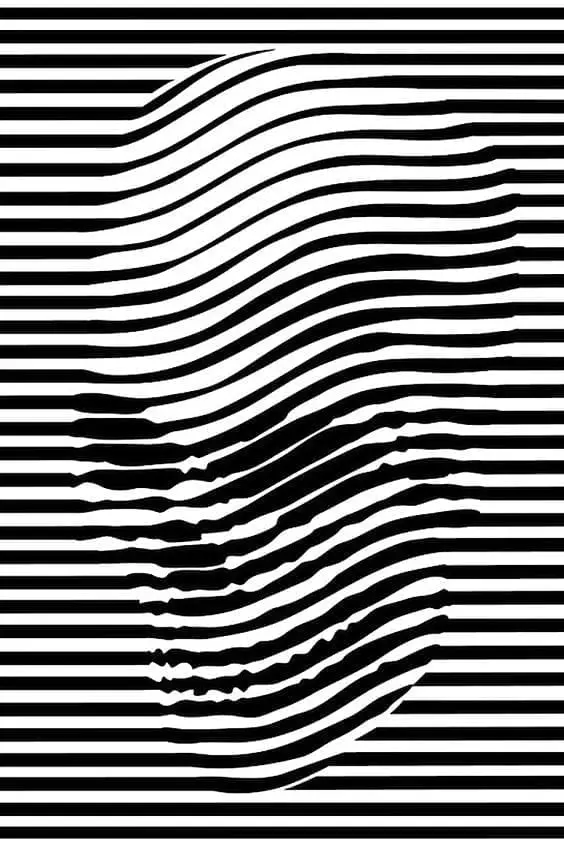
The phenomenon occurs because the human brain struggles to process highly repetitive, high-contrast patterns. When the eye encounters intense, clashing geometric shapes, the neural pathways become overloaded, leading to a "flicker" effect. This is a physiological reaction rather than a psychological one, meaning the illusion remains consistent across different observers.
Several key visual mechanisms drive these effects:
- Afterimages: Staring at a high-contrast shape creates a temporary ghost image on the retina.
- Peripheral interference: The brain attempts to resolve sharp edges in the peripheral vision, causing the image to seem unstable.
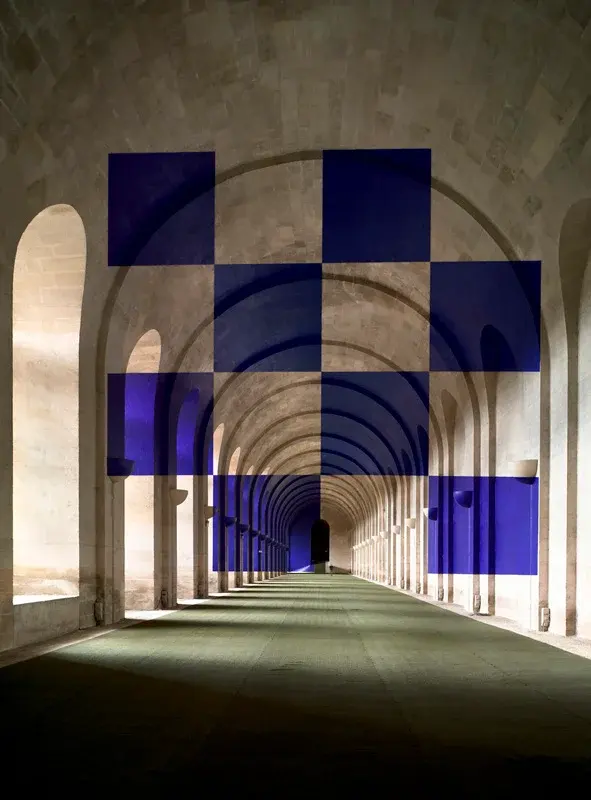
- Depth cues: Parallel lines that converge or distort trick the brain into perceiving three-dimensional volume on a flat surface.
- Motion parallax: Small eye movements cause the brain to interpret static, repeating patterns as shifting or rotating.
How to create optical illusion art for beginners
Creating your own Op art requires patience and a focus on precision. The goal is to establish a rhythm of shapes that creates a sense of tension or flow. Start by using a ruler and a fine-liner pen to ensure your lines are perfectly straight, as even slight variations can diminish the illusion.
Follow these steps to construct a basic "wavy grid" illusion:
- Draw a standard grid of squares on a piece of paper using a light pencil.
- Choose one horizontal line and draw a gentle wave across it, then repeat this wave for every line in the grid.
- Do the same for the vertical lines, creating a warped, organic-looking mesh.
- Fill in alternating squares with black ink, creating a checkerboard pattern that follows the warped lines.
- Erase your original pencil grid to reveal a surface that appears to bulge or sink.
Best tools for optical illusion art
Success in Op art depends on the quality of your lines and the sharpness of your contrast. Beginners should prioritize tools that allow for clean, crisp edges, as fuzzy lines will break the illusion. A high-quality drawing surface is also essential to prevent ink bleed and ensure the geometric integrity of the work.
Essential supplies include:
- Technical pens: Sizes 0.1mm to 0.5mm are ideal for maintaining consistent line weight.
- Bristol board: A smooth, heavy-duty paper that prevents ink from feathering.
- Drafting compass: Necessary for creating perfect circles and arcs that form the basis of many circular illusions.
- Precision ruler: A metal ruler provides the best edge for clean lines and prevents accidental nicks.
- High-pigment black ink: Deep black ink is required to create the maximum contrast necessary for the "vibrating" effect.
Common mistakes when making optical illusion art
One of the most frequent errors is failing to maintain consistent spacing between lines. If the distance between your lines varies unintentionally, the brain will focus on the irregularity rather than the illusion, causing the effect to collapse. Always double-check your measurements before committing to ink, as Op art is notoriously unforgiving of small mistakes.
Another common pitfall is the overuse of color. While color can be used effectively, beginners often choose shades with similar values, which reduces the contrast needed to trigger the optical response. Stick to black and white until you have mastered the underlying geometry of the piece. Additionally, avoid adding too much detail or shading, as these elements distract the eye and ground the image in reality, preventing the brain from experiencing the intended visual instability. By keeping your designs clean and mathematically rigorous, you ensure the illusion remains the primary focus of the viewer's experience.
Key facts
- Optical illusion art, or Op art, is a visual style that uses geometric patterns and contrasting colors to create the impression of movement, vibration, or depth.
- The term "Op art" was coined by Time magazine in 1964 to describe the work of artists like Bridget Riley and Victor Vasarely.
- To create a sense of motion, artists often use high-contrast color pairings, such as black and white, which trick the brain into perceiving flicker or shimmer.
- A common technique involves the use of Moire patterns, where two sets of lines are overlaid at slight angles to create an intense, shimmering visual effect.
- When creating your own Op art, ensure your lines are perfectly parallel or consistently curved; even minor variations in spacing can break the illusion.
- A frequent mistake for beginners is using too many colors, which can distract the eye and weaken the stark, geometric impact required for a successful illusion.
The bottom line
Optical illusion art is a fascinating intersection of mathematics and visual perception. By manipulating geometry and contrast, artists trick the human brain into seeing motion and depth where none exists. Whether you are observing a Bridget Riley masterpiece or sketching your own patterns, the core appeal lies in the tension between what the eye perceives and what the mind knows to be a flat, static surface.
People also ask
Is Op art considered a form of abstract art?
Yes, Op art is a branch of abstract art because it focuses on formal elements like line, shape, and color rather than representing recognizable objects or scenes.
Why does Op art make some people feel dizzy?
The high-contrast patterns force the eyes to work harder to process depth and motion, which can cause sensory overload or mild vertigo in some viewers.
Who is considered the father of the Op art movement?
Victor Vasarely is widely recognized as the pioneer of the movement, having developed his signature style of geometric abstraction in the 1930s.
How can I create a 3D effect on a flat piece of paper?
You can achieve depth by using a technique called "warping," where you draw a grid and then curve the lines toward a central point to create a bulging or concave appearance.
Does Op art require specialized tools to create?
No, you only need basic drafting tools like a ruler, a compass, a protractor, and fine-tipped markers to achieve the precise lines necessary for the illusion.
What is the difference between Op art and Kinetic art?
While Op art creates the illusion of movement on a static surface, Kinetic art involves physical parts that actually move, such as sculptures powered by motors or wind.
This answer was created with the help of AI research tools and reference sources. Spotted an error? Let us know — we correct mistakes quickly. See our editorial policy.