What is an easel used for?
Short answer
An easel is a specialized upright support used by artists to hold a canvas or panel at a comfortable working angle. It provides stability during the painting process, allows for better perspective, and prevents neck or back strain. Easels are essential tools for painters working in studios, classrooms, or outdoor environments.
On this page
Why do artists use an easel?
Artists use easels primarily to maintain a consistent physical relationship with their work. By elevating the canvas, the artist can view the entire composition from a distance, which is critical for assessing proportions, color balance, and overall structure. Working on a flat table often leads to foreshortening, where the artist misjudges the perspective because the canvas is viewed at an awkward angle. An easel corrects this by keeping the surface perpendicular to the painter’s line of sight.
Beyond perspective, easels offer ergonomic benefits that prevent physical fatigue. Painting for several hours requires a stable platform that can be adjusted to the artist's height, reducing the need to hunch over a desk. Whether standing or sitting, an easel allows the painter to engage their entire arm in brushwork rather than relying solely on wrist movements. This freedom of motion is essential for expressive techniques and large-scale paintings that require broad, sweeping strokes across the entire surface.
How to choose the right easel for your space
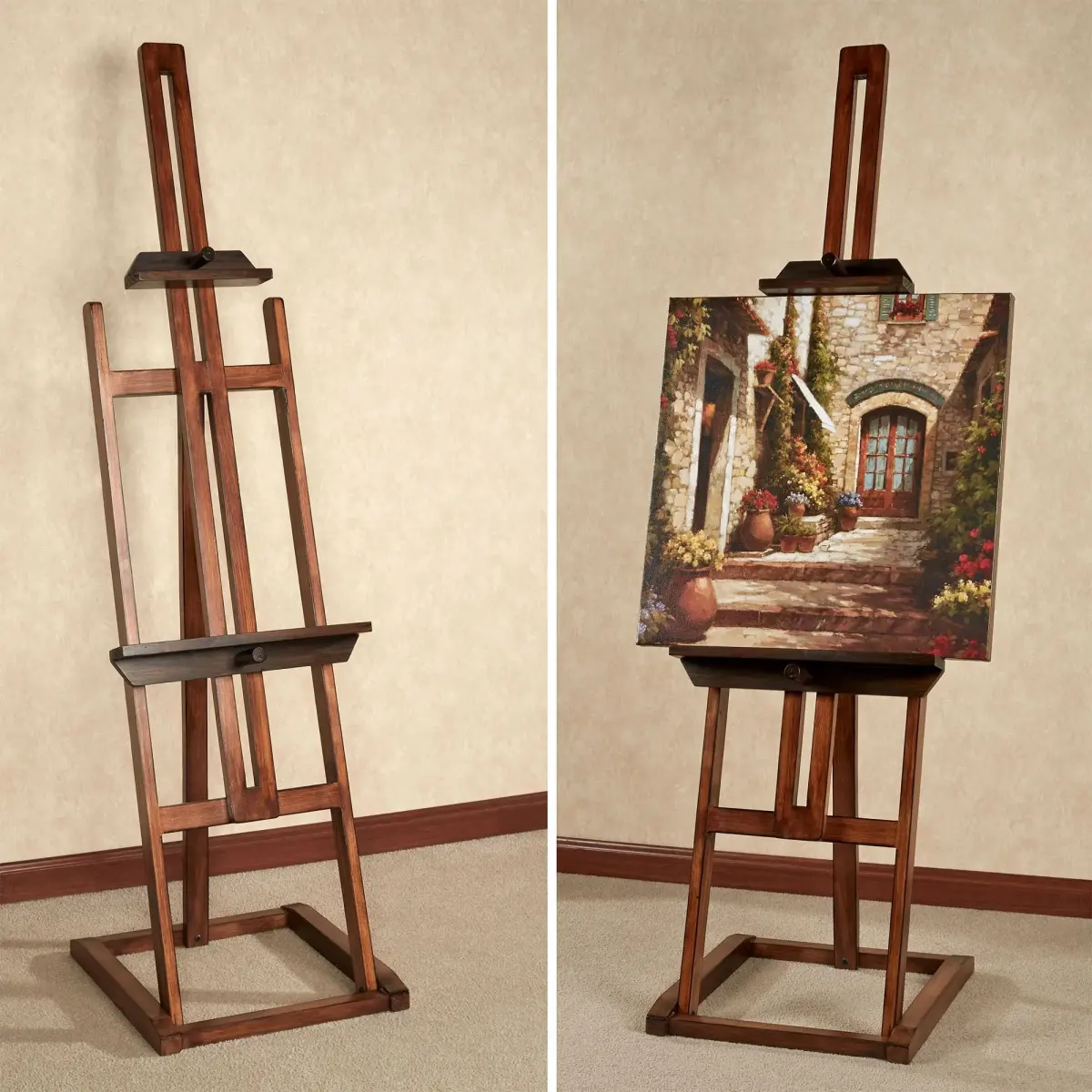
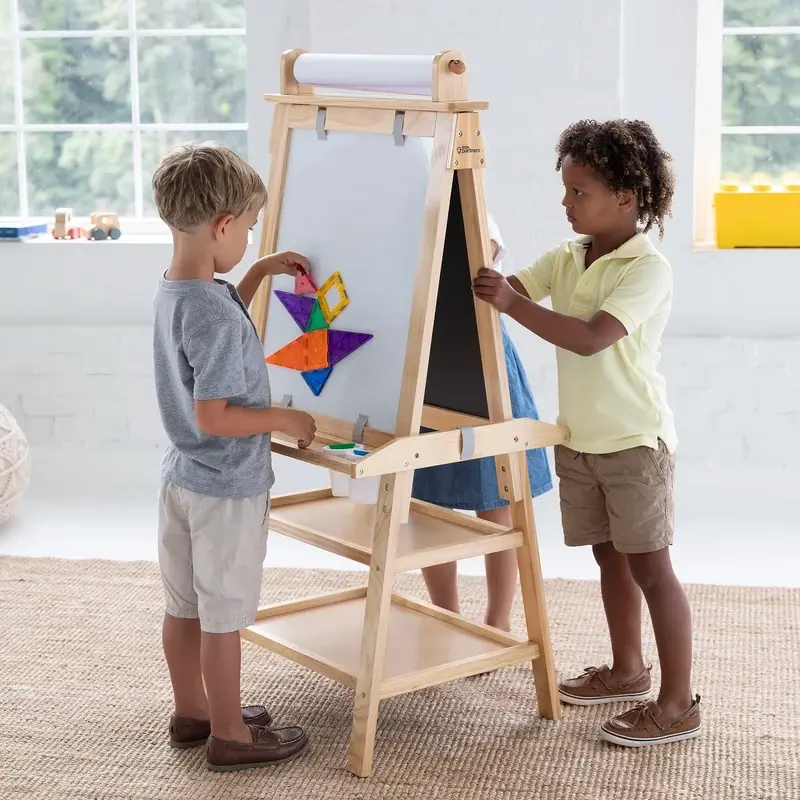
Selecting an easel depends largely on your available workspace and the medium you use. For those with limited room, a tabletop easel is a practical choice, as it folds away easily and sits on any flat surface. If you have a dedicated studio, a sturdy H-frame easel provides the most stability for large, heavy canvases. For artists who prefer to travel, a lightweight, foldable tripod easel—often called a French easel—includes a built-in storage box for paints and brushes.
When choosing your equipment, consider these factors:
- Weight capacity: Ensure the easel can support the size and weight of your preferred canvas.
- Adjustability: Look for models that allow for vertical or horizontal tilting to accommodate different painting styles.
- Portability: Determine if you need an easel that remains stationary or one that can be packed into a bag.
- Material: Wood is traditional and durable, while aluminum is lightweight and resistant to rust for outdoor use.
How to set up an easel correctly
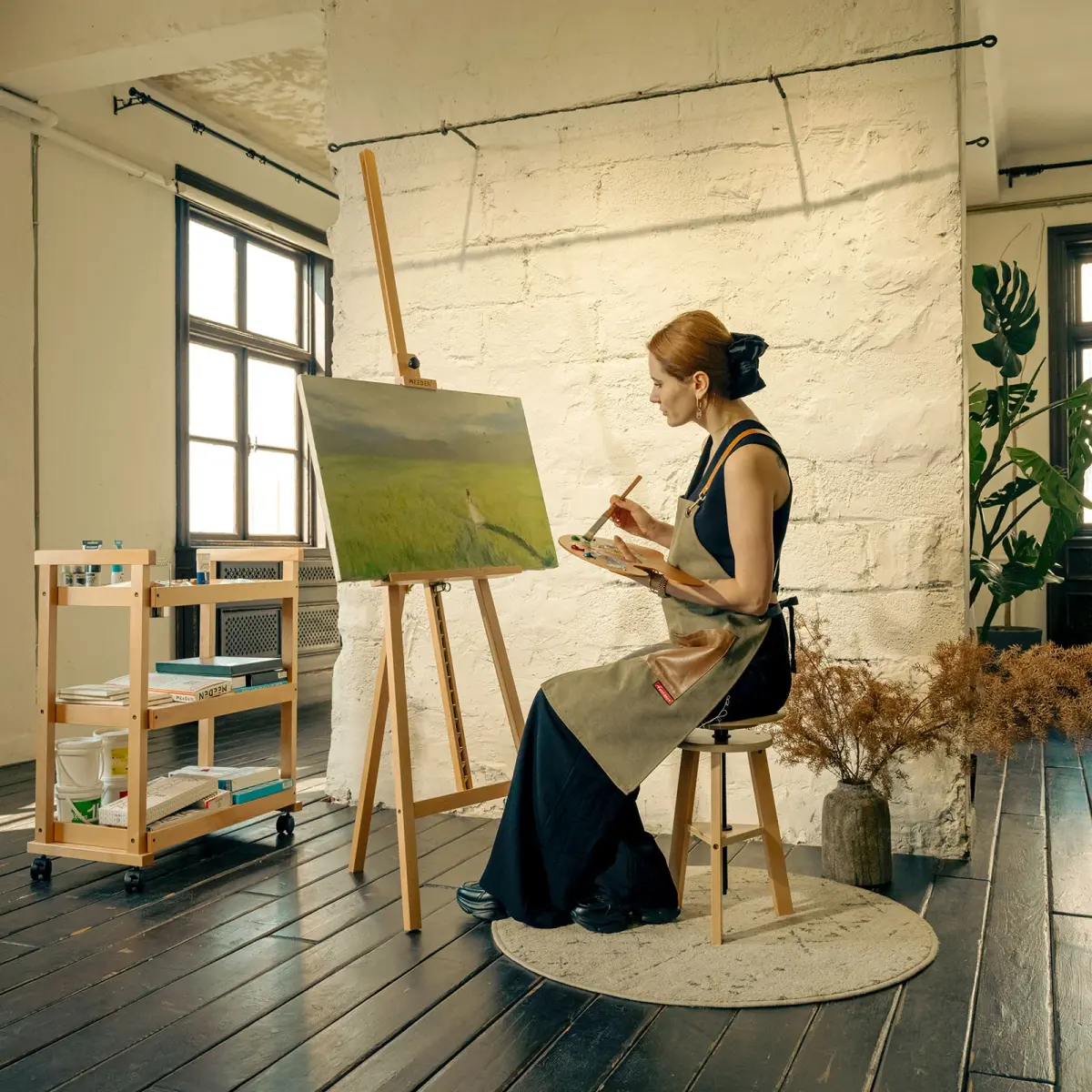
Proper setup is the first step toward a productive painting session. Begin by placing the easel on a level floor to prevent wobbling, which can be distracting and dangerous if the canvas is heavy. Adjust the height of the bottom tray so that the center of your canvas aligns with your eye level when you are in your preferred working position. This alignment ensures that you do not have to constantly shift your posture while moving between the top and bottom of the work.
Follow these steps to secure your canvas:
- Loosen the knobs on the sliding mast to move the top clamp upward.
- Place your canvas firmly onto the bottom tray.
- Lower the top clamp until it rests securely against the top edge of the frame.
- Tighten all locking knobs firmly to ensure the canvas does not shift during vigorous brushwork.
- Check the tilt angle to ensure the canvas is stable and does not lean forward under its own weight.
Common mistakes when using an easel
One of the most frequent errors is failing to tighten the locking mechanisms, which can cause the canvas to slip mid-stroke. This often happens when artists are in a rush to start painting and neglect to verify the stability of the sliding mast. Another common mistake is placing the easel in an area with poor lighting. If the light source hits the canvas from behind, you will struggle to see your colors accurately and may experience significant eye strain. Always position your easel so that the primary light source comes from the side, preferably from the left if you are right-handed.
Additionally, many beginners forget to clean the easel tray regularly. Paint drips and spills can accumulate over time, creating an uneven surface that makes it difficult to keep your palette or brushes level. Neglecting this maintenance can lead to dried paint buildup that interferes with the easel’s adjustable parts, potentially jamming the sliding components. A quick wipe-down with a damp cloth at the end of each session preserves the longevity of the equipment and keeps your workspace organized.
When to use a floor easel versus a tabletop model
The decision between a floor-standing easel and a tabletop model is usually dictated by the scale of your projects. Floor easels are designed for large-scale work, offering a wide base that prevents tipping when you apply pressure to the canvas. They are ideal for oil and acrylic painters who stand while working, as they provide the necessary clearance for long-handled brushes. If you work primarily on canvases larger than 24 inches, a floor-standing model is almost always the superior choice for safety and reach.
Tabletop easels are best suited for smaller studies, sketches, and detailed work that requires precision. Because they occupy less space, they are perfect for students or hobbyists working in shared living areas. However, they lack the vertical range of floor models and may feel unstable if you attempt to paint on a very large surface. Ultimately, the best easel is one that fits your current environment while allowing you the physical freedom to move your brush across the canvas without restriction or discomfort.
Key facts
- An easel acts as a structural support system that holds a canvas or board upright while an artist works.
- Using an easel improves ergonomics by allowing the artist to stand or sit at eye level with the work, reducing neck and back strain.
- Vertical positioning helps artists maintain proper perspective and prevents dust from settling on wet paint surfaces.
- Most easels feature adjustable trays and masts to accommodate various canvas sizes, typically ranging from small tablets to large-scale panels.
- The three primary types are the A-frame (tripod), the H-frame (sturdier, rectangular base), and the portable field easel.
- Artists should ensure the easel is weighted correctly to prevent tipping, especially when working on heavy, framed canvases.
The bottom line
An easel is an essential tool that provides a stable, ergonomic platform for artistic creation. By elevating your work, it allows for better perspective, improved posture, and more consistent brush control. Whether you choose a sturdy H-frame for the studio or a portable tripod for travel, selecting the right equipment ensures your focus remains on the creative process rather than struggling with an unstable support.
People also ask
What is the difference between an H-frame and an A-frame easel?
An H-frame easel provides superior stability and is ideal for heavy work or large canvases that require a stationary setup. An A-frame easel is lighter, folds flat for storage, and is better suited for smaller studios or artists with limited space.
Can I use a tabletop easel for large paintings?
Tabletop easels are generally designed for smaller canvases or sketchbooks and lack the height to support large-scale work. Attempting to balance a large canvas on a small base often leads to instability and potential damage to the artwork.
How do I choose the right easel height?
You should choose an easel where the center of your canvas aligns with your eye level while you are in your preferred working position. This alignment allows you to view your entire composition at once and prevents distortion caused by looking down at the work.
Are wooden easels better than aluminum ones?
Wooden easels are typically more durable and aesthetically pleasing, making them a staple for permanent studio setups. Aluminum easels are lightweight and rust-resistant, which makes them the preferred choice for outdoor painting or travel.
How do I prevent my easel from wobbling while I paint?
Check that all wing nuts and locking knobs are fully tightened before starting your session. If the floor is uneven, place a small shim under the shortest leg to ensure the base remains level and secure.
Do I need a special easel for watercolor painting?
Watercolor painting requires a flat or slightly tilted surface to prevent paint from running down the paper. Look for an easel that features a horizontal or "flat-bed" adjustment to accommodate these specific fluid media requirements.
This answer was created with the help of AI research tools and reference sources. Spotted an error? Let us know — we correct mistakes quickly. See our editorial policy.