How do you draw a sleeping face?
Short answer
To draw a sleeping face, focus on relaxed facial muscles: lower the eyelids with soft, curved lines, slightly part the lips, and soften the brow. Avoid sharp angles or tension in the jaw. By emphasizing gravity’s effect on the features, you create a convincing, peaceful expression of rest and deep slumber.
On this page
How to structure a sleeping face
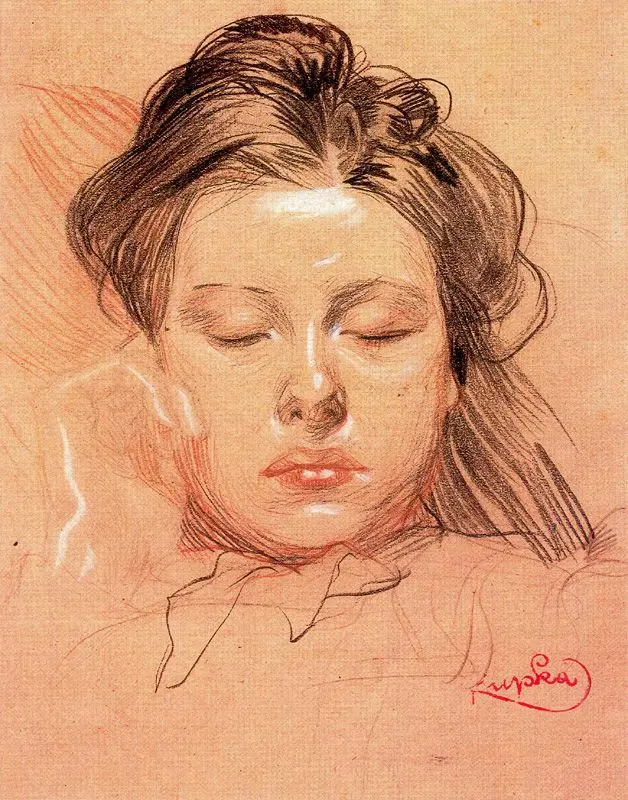
The foundation of a sleeping face lies in the relaxation of the facial muscles. When a person is awake, the face is held in place by subtle tension; in sleep, this tension vanishes, causing the features to sag slightly downward. Begin by sketching a standard oval, but pay close attention to the placement of the eyes and mouth. Instead of the alert, wide-open eyes seen in portraits, draw the upper eyelids as smooth, downward-curving arcs.
The eyebrows should also lose their expressive arch, appearing flatter or slightly lowered toward the bridge of the nose. To ensure the proportions remain accurate, follow these structural steps:
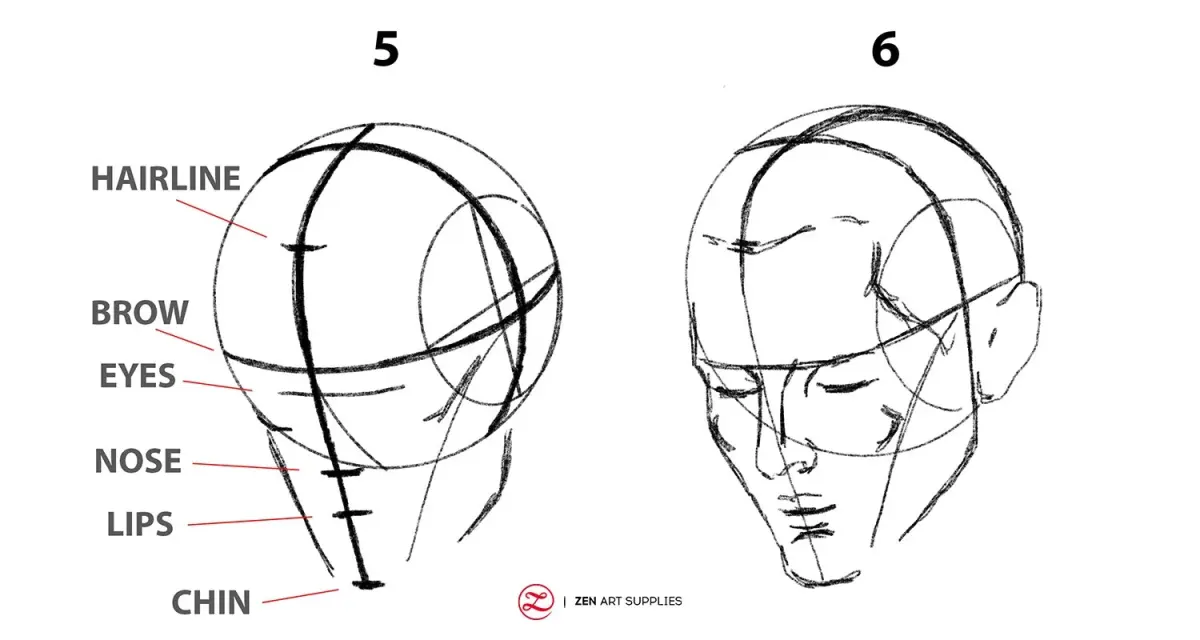
- Divide the head into thirds to place the hairline, brow line, and nose base.
- Draw the closed eye line slightly below the standard mid-line of the head.
- Keep the jawline soft and rounded, avoiding the sharp, angular definition that suggests active clenching or talking.
- Ensure the neck is drawn in a relaxed position, often tilted or resting against a surface, which shifts the alignment of the head relative to the shoulders.
How to draw closed eyes correctly
The most common error when drawing a sleeping face is making the eyes look like they are merely squinting. To avoid this, focus on the weight of the eyelid. The upper eyelid should be a gentle, downward-sloping curve that meets the lower lash line. Use a soft, singular line for the fold of the eyelid, placing it closer to the lash line than you would for an open eye. This creates the illusion that the lid is resting heavily against the eyeball.
Remember that the eyelashes do not stick straight out; they rest against the cheek or point slightly downward. If you are drawing a profile view, the eyelid should form a gentle "S" curve rather than a simple triangle. Adding a subtle shadow beneath the eye socket helps emphasize that the eyes are closed and recessed, providing a three-dimensional depth that makes the face look genuinely settled into a pillow or surface.
How to capture a relaxed mouth
A sleeping mouth is rarely pulled tight. In a natural state of rest, the lips often part slightly, which is the most effective way to signal deep sleep to the viewer. Draw the line between the lips as a soft, undulating wave rather than a straight line. Avoid outlining the lips with heavy, dark contours, as this makes them appear stiff or painted on. Instead, use light shading to define the volume of the lips.
When drawing the mouth, consider these specific details:
- The corners of the mouth should be neutral, neither turned up in a smile nor down in a frown.
- A slight shadow cast by the upper lip onto the lower lip indicates the mouth is slightly agape.
- If the subject is lying on their side, gravity will cause the lips to shift slightly toward the pillow, creating a natural, asymmetrical droop.
- Soften the transition between the chin and the lower lip to prevent the mouth from looking like it is protruding too far from the face.
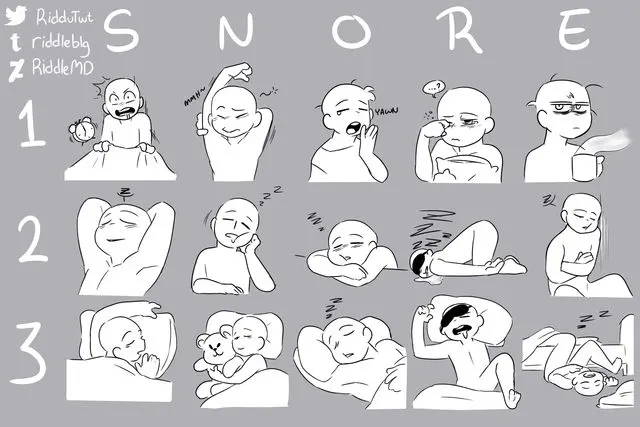
Common mistakes when drawing sleep
Many beginners struggle with "tension" in their drawings, even when attempting to portray rest. A frequent mistake is drawing the eyebrows too high or too arched, which creates a look of surprise rather than relaxation. Another issue is the jawline; if you define the jaw with heavy, dark lines, the face will look alert and rigid. Use lighter pencil pressure to suggest the softness of skin and muscle that occurs when the body is truly at rest.
Another mistake is neglecting the impact of external objects like pillows or blankets. If the head is resting on a pillow, the skin of the cheek should be slightly compressed or pushed upward, creating small folds or wrinkles. Failing to account for this interaction makes the head look like it is floating in space. Always consider the weight of the head and how it physically interacts with the environment, as this provides the necessary context for the sleeping pose.
Best shading techniques for a peaceful look
Shading is the final step in bringing a sleeping face to life. Because sleep is a state of stillness, your shading should be smooth and subtle, avoiding harsh, jagged lines. Use a blending stump or a soft tissue to smudge your graphite, creating a gentle gradient that mimics the softness of skin. Focus your darkest shadows in the creases of the eyes, the corners of the mouth, and the area beneath the chin where the neck meets the jaw.
To enhance the feeling of peace, keep the highlights on the forehead and nose bridge subtle. If you are using charcoal or soft pencils, build your layers slowly to maintain control over the transitions. By keeping the contrast low across the cheeks and forehead, you ensure that the focus remains on the closed eyes and relaxed mouth. This minimalist approach to shading reinforces the quiet, serene atmosphere of the drawing, effectively communicating that the subject is in a state of undisturbed, restorative rest.
Key facts
- Keep the eyes closed by drawing a simple, soft downward curve rather than a full almond shape.
- Relax the eyebrows by angling them slightly downward toward the nose to suggest a lack of tension.
- Draw the mouth with slightly parted lips or a soft, neutral line to imply relaxed facial muscles.
- Use long, downward-sweeping strokes to represent eyelashes resting against the upper cheek.
- Soften all facial contours by avoiding sharp, angular lines, as gravity pulls the skin downward during sleep.
- Add a slight shadow beneath the eyes and along the jawline to emphasize the peaceful, heavy nature of the face.
The bottom line
Drawing a sleeping face requires a shift toward softness and gravity. By relaxing the eyebrows, closing the eyes with gentle downward curves, and ensuring the mouth remains neutral, you capture a state of rest. Avoid sharp angles and focus on how the skin settles under the pull of gravity. With these subtle adjustments, you can effectively convey a sense of peace and deep, natural slumber.
People also ask
How do I make the face look peaceful rather than dead?
Focus on the mouth and jawline, as these areas hold the most tension. A slight upward curl at the corners of the mouth or a soft, natural jawline prevents a rigid, lifeless appearance.
Should I include visible pupils when drawing closed eyes?
No, pupils should not be visible when eyes are closed. Instead, focus on the curve of the eyelid and the slight bulge of the eyeball beneath the skin.
What is the biggest mistake beginners make when drawing a sleeping person?
Beginners often draw the eyes too wide or the eyebrows too high. Keeping the features low and relaxed is essential for capturing the specific anatomy of sleep.
How do I draw the head resting on a pillow?
Account for compression by drawing the cheek or hair slightly flattened against the surface. This creates a realistic sense of weight and physical interaction with the environment.
Is it necessary to draw the nose differently for a sleeping face?
The nose structure remains the same, but you should adjust the shading. Soft, diffused shadows help the nose blend into the relaxed face rather than standing out harshly.
How can I show that the person is breathing?
You can suggest movement by slightly blurring the lines around the mouth or nose. Additionally, showing a subtle rise in the shoulder or chest area adds a sense of life.
This answer was created with the help of AI research tools and reference sources. Spotted an error? Let us know — we correct mistakes quickly. See our editorial policy.