How do you draw a pirate ship?
Short answer
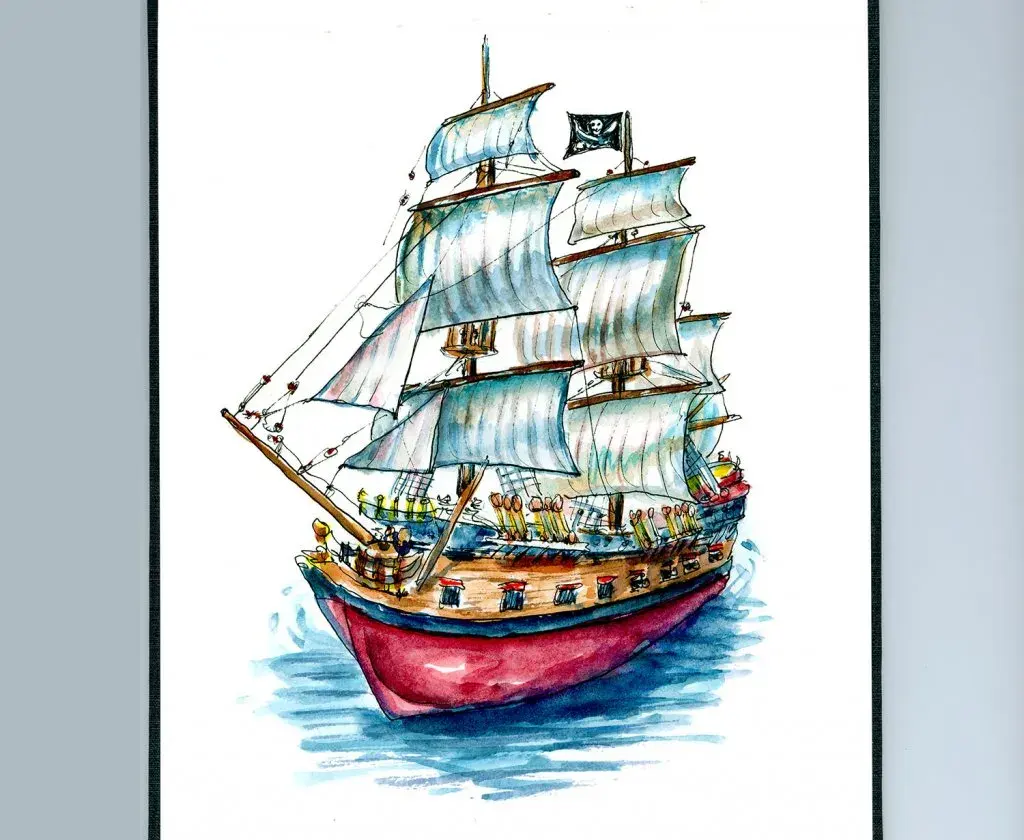
Drawing a pirate ship involves constructing a sturdy hull, adding tall masts, and rigging intricate sails. Begin with a basic geometric frame to establish perspective, then layer in characteristic details like cannons, a crow's nest, and a skull-and-crossbones flag. Focus on the ship's silhouette to ensure it looks balanced and seaworthy.
On this page
How to draw the hull of a pirate ship
The hull is the foundation of your drawing and determines the ship's overall posture. Start by sketching a long, curved shape resembling a bathtub or a crescent moon to represent the main body. The front of the ship, known as the bow, should be slightly pointed and elevated, while the rear, or stern, should be taller and more squared off to accommodate the captain’s quarters. Use light pencil strokes initially to define these curves, as you will need to refine them later.
Once the basic outline is set, add thickness to the sides to show the ship’s structure. Draw a horizontal line across the hull to represent the deck level and add vertical lines along the sides to suggest wooden planks. To make the ship look authentic, follow these steps:
- Sketch a curved line for the keel along the bottom.
- Outline the bowsprit, a long pole extending from the front.
- Draw rectangular ports along the side for the cannons.
Avoid making the hull too narrow, as a pirate ship needs a wide base to look stable and capable of carrying heavy cargo.
Best drawing tools for beginners
For those new to maritime illustration, starting with simple graphite pencils is the most effective approach. A standard HB pencil is perfect for initial sketching, while a 2B or 4B pencil allows for darker, bolder lines during the shading phase. Using a high-quality eraser is equally important, as you will likely need to adjust the proportions of the masts and rigging multiple times before the drawing feels correct.
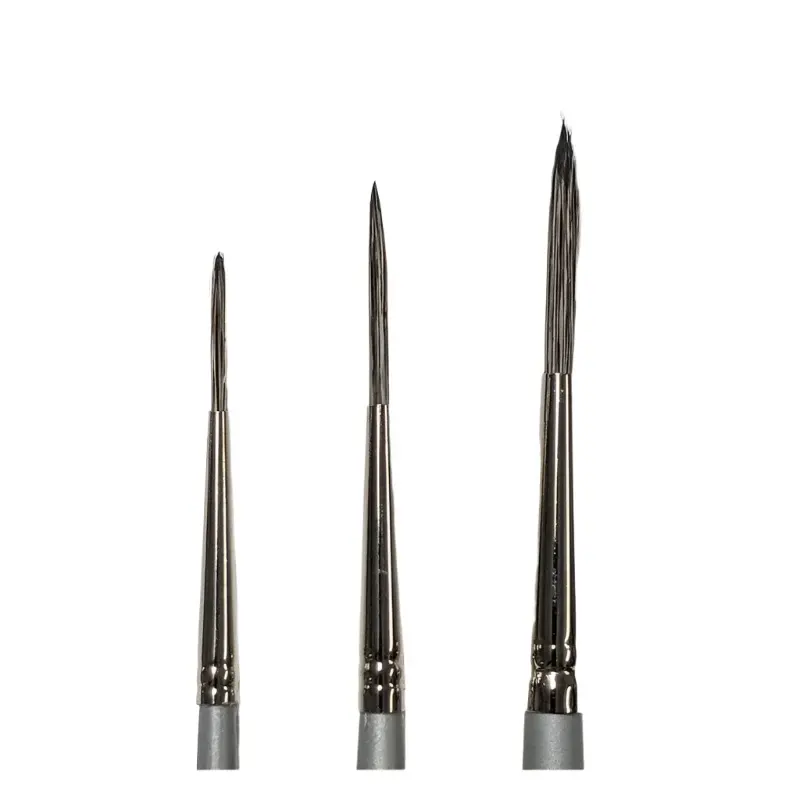
If you want to add depth, consider using fine-liner pens to ink the final design. Pens with varying tip sizes allow you to create thin lines for rope and thick, bold lines for the hull’s edges. Consider using the following tools to enhance your work:
- Smooth-finish paper to prevent ink bleeding.
- A ruler for perfectly straight masts and yardarms.
- A blending stump to create soft shadows on the sails.
Always keep a sharpener nearby, as precise lines are essential when drawing the complex network of ropes found on a traditional galleon.
How to draw masts and sails
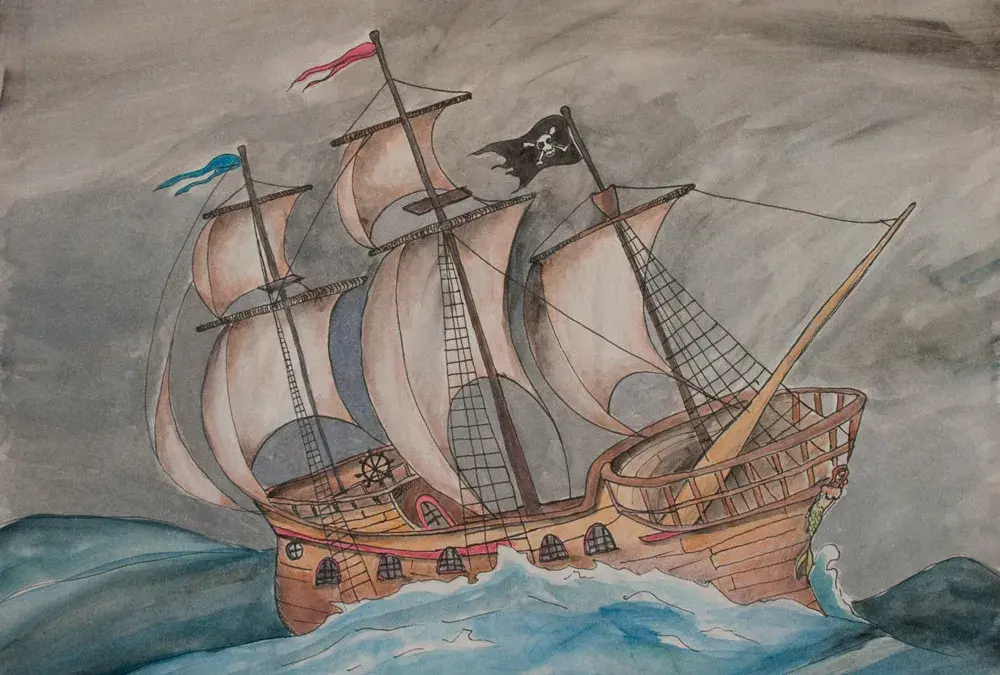
Masts are the vertical pillars that give a pirate ship its iconic height. Draw three vertical lines rising from the deck, with the middle mast being the tallest. Each mast should have horizontal crossbeams, known as yardarms, extending from the sides. These beams support the sails, which are essentially large rectangles or trapezoids that hang down like heavy fabric.
When drawing the sails, do not make them perfectly flat. Add slight curves to the edges to suggest that the wind is blowing through them, which adds a sense of motion to your drawing. You can also add small patches or tears to the sails to give the ship a weathered, battle-worn appearance. Remember that the rigging—the ropes connecting the masts to the hull—should be drawn as thin, diagonal lines that cross over one another to create a web-like pattern.
Common mistakes when drawing pirate ships
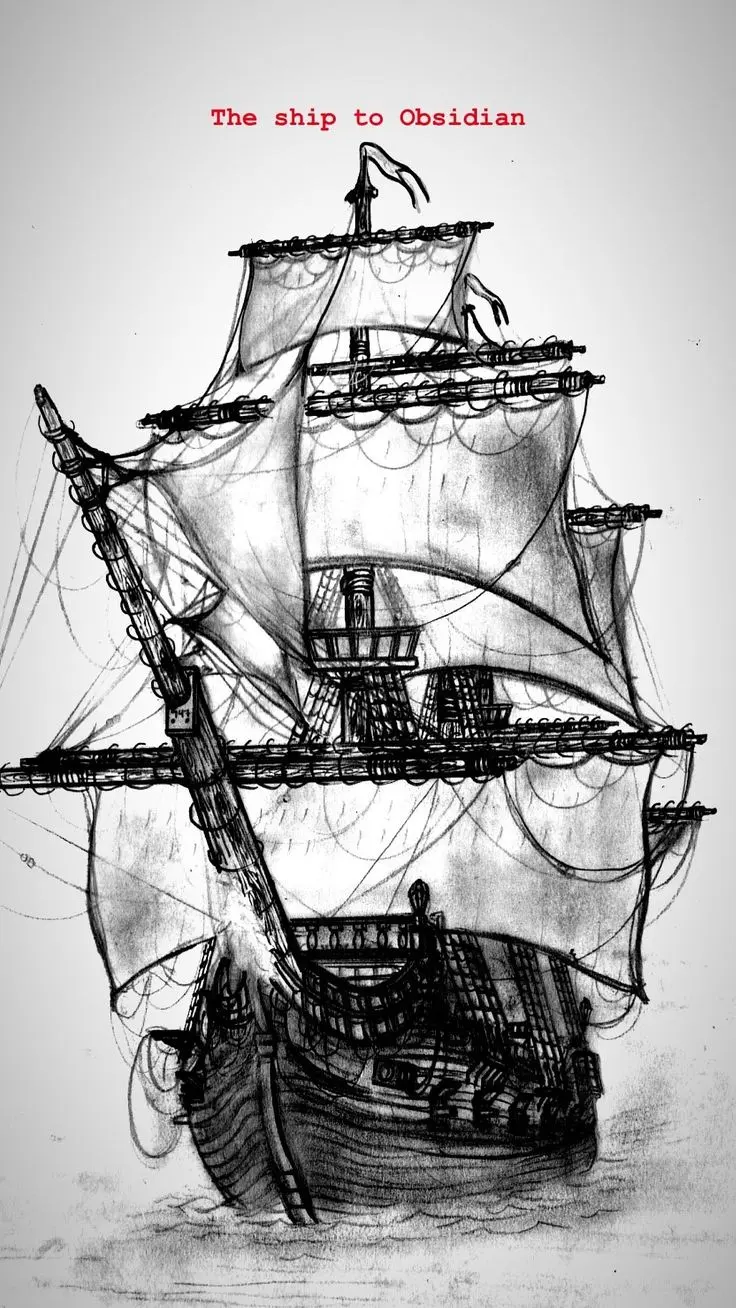
A frequent error is miscalculating the scale of the ship’s components. Beginners often draw the masts too short or the cannons too large, which makes the entire vessel look like a toy rather than a formidable warship. Always compare the size of your masts to the length of the hull; the tallest mast should be at least as long as the deck itself. Another common issue is neglecting the perspective of the ship.
To ensure your drawing looks three-dimensional, pay close attention to the vanishing points. If the ship is viewed from the side, the lines of the deck and the hull should converge toward a single point on the horizon. Avoid drawing all the masts perfectly parallel if the ship is meant to be turning or rocking on waves. If you find the ship looks flat, use shading on one side of the masts and the hull to create the illusion of light hitting the wood from a specific direction.
Why perspective matters in maritime art
Perspective is the secret to making a ship look like it is actually sitting in the water rather than floating on top of it. If you draw the water line too high or too low, the ship will lose its sense of weight. Place the water line slightly below the bottom of the hull to give the impression that the ship is displacing water. You can add small, wavy lines around the hull to represent the wake created by the ship’s movement.
Perspective also dictates how you draw the stern and the bow. If you are drawing the ship from a low angle, the bow should appear larger and closer to the viewer, while the stern recedes into the distance. This technique, known as foreshortening, adds a professional touch to your illustration. By mastering these spatial relationships, you transform a simple sketch into a dynamic scene that captures the adventurous spirit of the high seas. Practice these techniques consistently to improve your artistic accuracy.
Key facts
- A classic pirate ship, such as a galleon or sloop, requires a curved, crescent-shaped hull as the foundational base.
- Position the masts at varying heights, typically placing the tallest mast slightly forward of the ship's center.
- Draw rectangular sails with a slight sag to indicate the weight of the fabric and the force of the wind.
- Include a bowsprit, the long pole extending from the front, to provide the ship with a sense of forward momentum.
- Add horizontal lines along the sides of the hull to represent the wooden planks and gun ports for cannons.
- Avoid drawing perfectly straight lines; ships are organic, weathered structures, so slight curves and imperfections make them look realistic.
The bottom line
Drawing a pirate ship is an exercise in balancing structural geometry with artistic flair. By starting with a sturdy, curved hull and layering in masts, sails, and rigging, you create a vessel that feels authentic. Remember to prioritize the ship's silhouette before adding small details like cannons or flags. With practice, these components will combine to form a dynamic, seafaring vessel ready for the high seas.
People also ask
What is the difference between a galleon and a brigantine?
A galleon is a large, multi-decked sailing ship used primarily by European states from the 16th to 18th centuries. A brigantine is a smaller, two-masted vessel that is faster and more maneuverable, making it a preferred choice for pirates.
How do you make a ship look like it is moving on water?
Draw horizontal, wavy lines beneath the hull to represent ripples. Adding a V-shaped wake trailing behind the stern effectively creates the illusion of speed and displacement.
Should I draw the crow's nest at the top or middle of the mast?
The crow's nest is traditionally positioned near the top of the main mast. Placing it there provides the lookout with the highest vantage point for spotting land or other vessels.
What are the essential rigging lines needed for a drawing?
Include lines running from the top of the masts to the bowsprit and the sides of the hull. These represent the ropes that support the masts and control the sails.
Why do pirate ships often have a skull and crossbones flag?
The Jolly Roger flag served as a psychological weapon to intimidate merchant crews into surrendering without a fight. It signaled that the pirate ship was prepared for violence if its demands were ignored.
How can I add detail to the deck of the ship?
Use small rectangles to represent hatches, barrels, and cannons. These objects provide scale and help the viewer understand the ship's function as a working vessel.
This answer was created with the help of AI research tools and reference sources. Spotted an error? Let us know — we correct mistakes quickly. See our editorial policy.