Who invented the windshield wiper?
Short answer
Mary Anderson invented the windshield wiper in 1903 after observing a streetcar driver struggling to see through sleet. While other inventors like Robert Kearns later developed the intermittent wiper system, Anderson holds the distinction for the original manual device. Her invention eventually became a standard safety feature for all motor vehicles.
On this page
Who invented the windshield wiper?
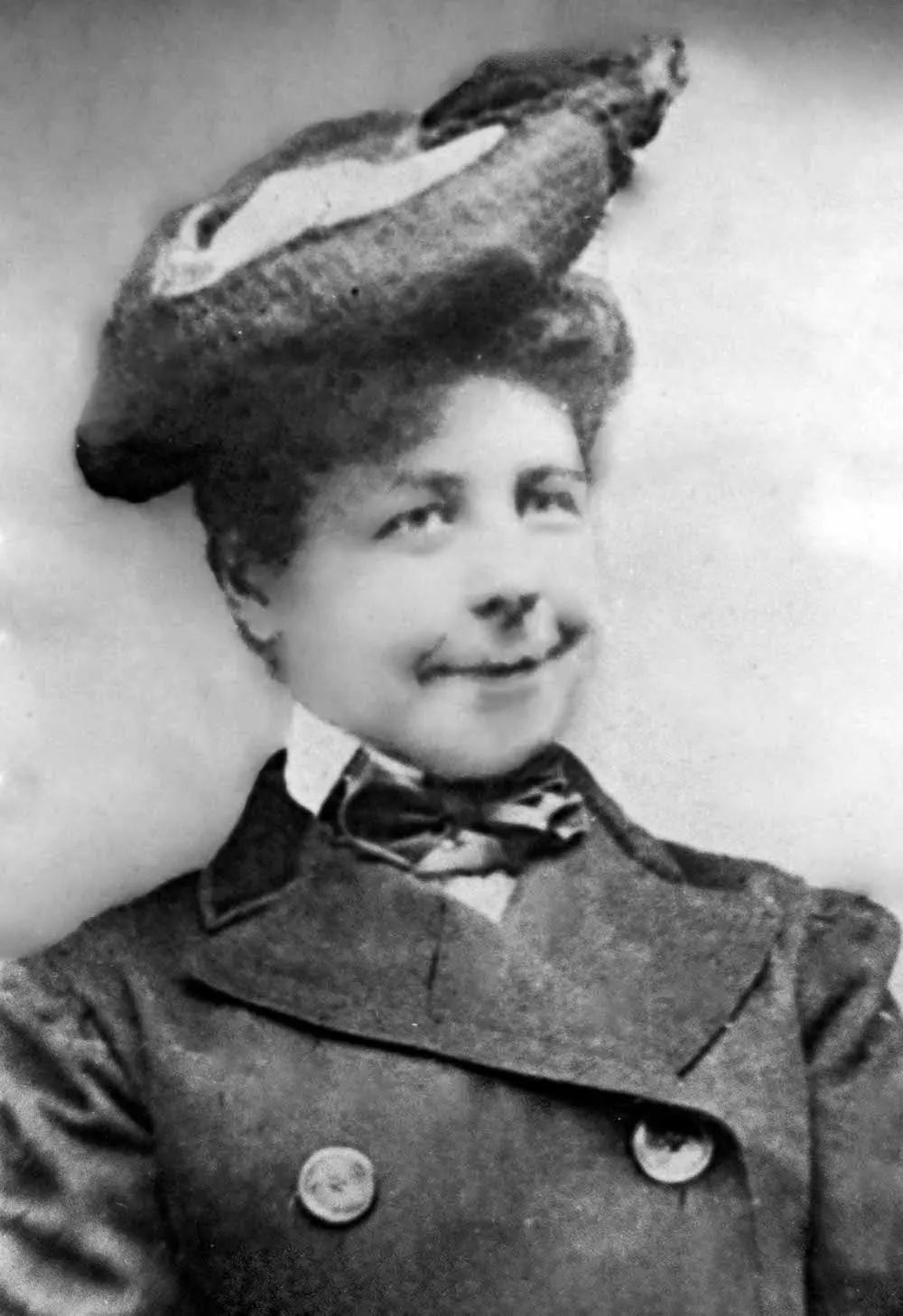
Mary Anderson, a real estate developer and rancher from Alabama, is credited with inventing the first effective windshield wiper. During a visit to New York City in the winter of 1902, she noticed that streetcar drivers had to stop their vehicles and get out to manually clear snow and ice from their front windows. She realized this was not only inefficient but also dangerous for the driver and passengers.
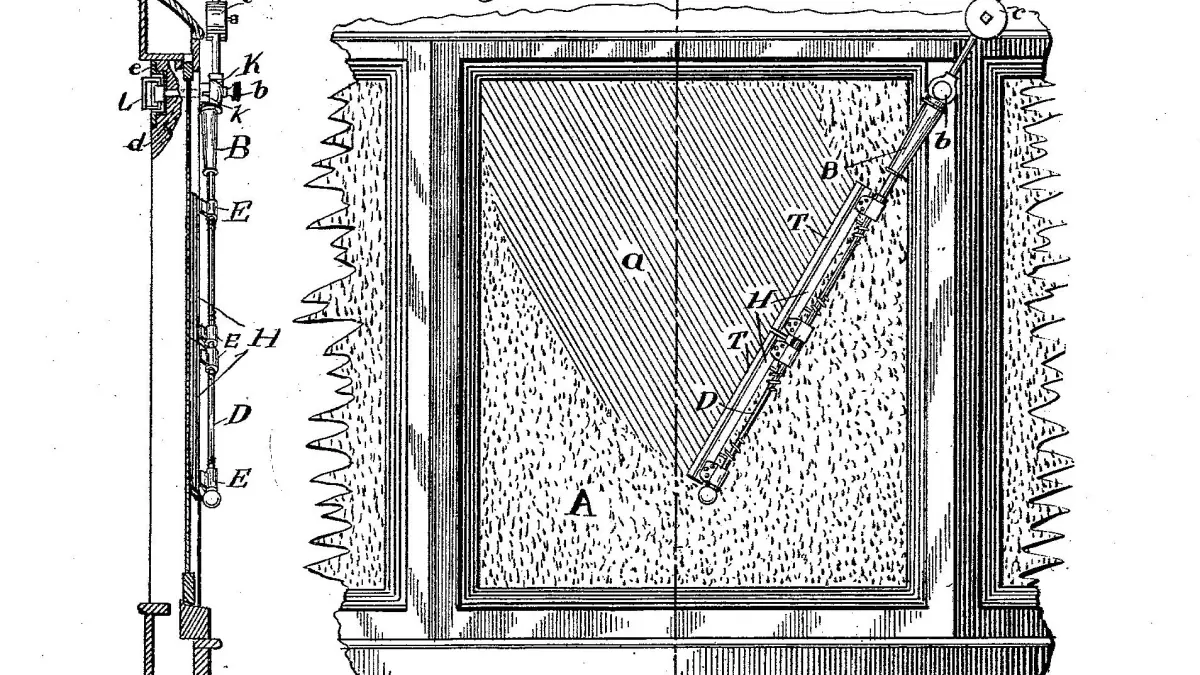
Upon returning home, Anderson sketched a design for a spring-loaded arm with a rubber blade that could be operated from inside the vehicle by a lever. She received a patent for her "window cleaning device" in November 1903. Although she attempted to sell the rights to her invention to a Canadian firm, they rejected it, claiming it lacked practical value. Consequently, her patent expired in 1920 without her ever profiting significantly from the design.
How did the windshield wiper evolve?
As the automotive industry grew, the need for clear visibility became a primary safety concern. Initially, manufacturers were skeptical of Anderson’s invention, fearing that the movement of the blades would distract drivers. However, as cars became faster and more common, the necessity for a reliable clearing mechanism became undeniable. By the mid-1920s, windshield wipers were standard equipment on most new automobiles.
The technology continued to advance throughout the 20th century to improve efficiency and convenience. The evolution followed these key technological milestones:
- Manual lever systems: The original design requiring constant driver input.
- Vacuum-powered wipers: These relied on engine intake manifold pressure, often causing the wipers to slow down or stop when the driver accelerated.
- Electric motor systems: These provided consistent speed and became the industry standard by the 1960s.
- Intermittent wipers: Introduced to allow for variable speeds during light rain or mist.
Why did Robert Kearns sue the car companies?
In the 1960s, Robert Kearns, an engineering professor, invented the intermittent windshield wiper system. He was inspired by the way the human eye blinks, leading him to create a mechanism that allowed wipers to pause between strokes. He demonstrated his invention to Ford Motor Company, hoping they would license the technology for their vehicles.
Instead of partnering with him, major automakers began installing similar intermittent wiper systems in their cars without providing compensation or credit. This led to a series of high-profile legal battles that lasted for decades. Kearns eventually won significant settlements from companies like Ford and Chrysler, proving that his patented design had been illegally integrated into millions of vehicles. His story remains a landmark case in intellectual property law and the protection of individual inventors against large corporate entities.
How to maintain your windshield wipers
Proper maintenance of your wiper blades is essential for visibility and safety during inclement weather. Over time, rubber blades harden, crack, or lose their flexibility, which can result in streaks or missed spots on the glass. Experts generally recommend replacing your blades every six to twelve months, depending on your local climate and usage frequency.
To ensure your wipers function correctly, follow these maintenance steps:
- Clean the rubber blades periodically with a damp cloth to remove grit and debris.
- Check the tension of the wiper arm to ensure it presses firmly against the glass.
- Inspect the windshield for any deep scratches that might snag the rubber edge.
- Replace the entire blade assembly if you notice skipping or chattering sounds.
Common mistakes when replacing wipers
Many drivers make simple errors that lead to poor performance or damage to their vehicle. One of the most frequent mistakes is buying the wrong size for the specific make and model of the car. Always consult your owner’s manual or the fitment guide at the auto parts store rather than guessing based on appearance. Another common oversight is failing to remove the plastic protective cover from the rubber blade before installation, which renders the wiper useless.
Additionally, drivers often wait too long to replace worn blades, which can result in the metal arm scratching the windshield glass. Once the glass is scratched, it is significantly more expensive to repair or replace than the blades themselves. Avoid the temptation to use cheap, low-quality aftermarket blades, as they often fail quickly and do not provide the necessary contact pressure for heavy rain. By staying proactive and choosing quality components, you ensure the longest possible lifespan for your windshield wipers.
Key facts
- Mary Anderson received the first patent for a windshield wiper system in 1903.
- Anderson’s original design was a hand-operated lever located inside the vehicle.
- Charlotte Bridgwood patented the first electrically operated wiper system in 1917.
- Early wipers were often removable and stored in the car when it was not raining.
- Use a microfiber cloth and glass cleaner to remove road grime from blades to prevent streaking.
- Replace wiper blades every 6 to 12 months to ensure clear visibility during heavy storms.
The bottom line
The invention of the windshield wiper transformed automotive safety, moving from Mary Anderson’s manual hand-lever design in 1903 to the sophisticated electric and sensor-driven systems used today. By ensuring clear visibility during rain and snow, these devices remain essential safety tools. Proper maintenance, including regular cleaning and timely blade replacement, is the most practical way for modern drivers to ensure peak performance and long-term glass clarity.
People also ask
Why did Mary Anderson’s invention initially fail to gain popularity?
Automobile manufacturers believed that the movement of the wiper arm would distract drivers and cause accidents. It took several years for the industry to recognize the safety benefits of improved visibility during inclement weather.
How do modern automatic rain-sensing wipers work?
These systems use optical sensors mounted behind the windshield to detect water droplets. When rain hits the glass, the sensor reflects light differently, triggering the wipers to activate and adjust their speed automatically.
What is the most common mistake when maintaining wiper blades?
Many drivers wait until the rubber is visibly torn or peeling before replacing them. Using damaged blades can scratch the glass surface, leading to expensive windshield repairs or replacements.
Did someone else invent a wiper before Mary Anderson?
While others experimented with crude manual devices, Anderson was the first to secure a functional patent for a practical, integrated system. Her design set the standard for the mechanical wipers that followed.
Can I use household soap to clean my windshield wipers?
It is better to use specialized automotive glass cleaner or plain water. Harsh dish soaps can dry out the rubber compound, causing it to harden and crack prematurely.
Why do wipers sometimes chatter or skip across the glass?
This usually happens due to a buildup of road wax, oil, or debris on the windshield. Thoroughly cleaning the glass and the rubber blade edge with rubbing alcohol often resolves the issue.
This answer was created with the help of AI research tools and reference sources. Spotted an error? Let us know — we correct mistakes quickly. See our editorial policy.