What is Fra Angelico known for?
Short answer
Fra Angelico was a renowned Early Renaissance painter and Dominican friar celebrated for his profound religious devotion and mastery of light. He is best known for his luminous frescoes at the Convent of San Marco in Florence, which seamlessly blended traditional Gothic spiritual clarity with innovative Renaissance perspective and naturalism.
On this page
What is Fra Angelico known for in art history?
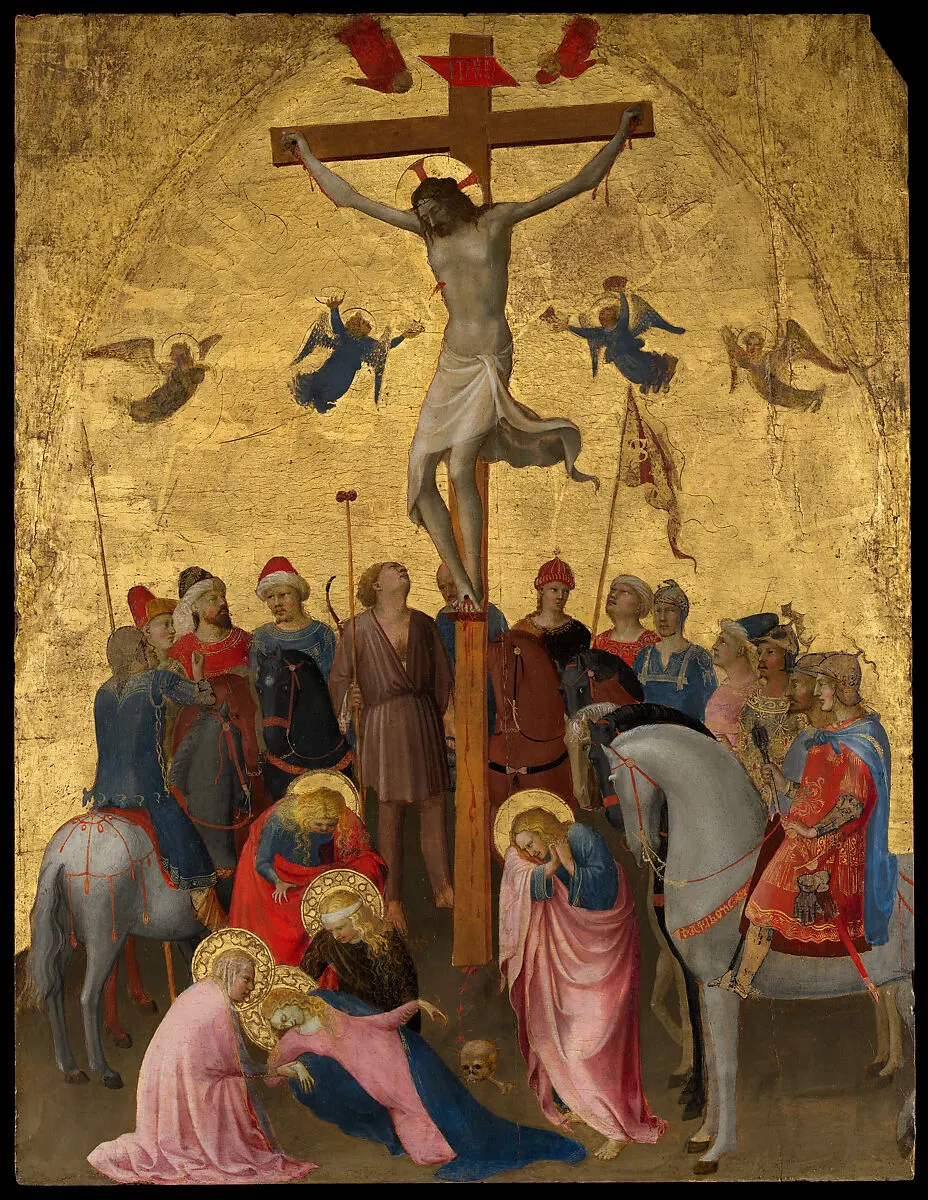
Fra Angelico, born Guido di Pietro around 1395, remains one of the most significant figures of the early 15th-century Italian Renaissance. He is celebrated for his unique ability to bridge the gap between the decorative, symbolic traditions of the Middle Ages and the humanistic, scientific advancements of the Renaissance. While his contemporaries focused heavily on anatomical precision, Angelico prioritized the emotional and spiritual resonance of his subjects.
His work is characterized by a distinctive, luminous color palette and a gentle, meditative quality that reflects his life as a Dominican friar. He did not merely paint religious scenes; he intended his art to serve as a tool for prayer and contemplation. His legacy is defined by the following contributions to Western art:
- The integration of linear perspective to create depth in sacred spaces.
- The use of brilliant, jewel-toned pigments, particularly expensive ultramarine blue.
- A signature style that emphasizes grace, humility, and divine light over physical realism.
How did Fra Angelico influence the Renaissance?
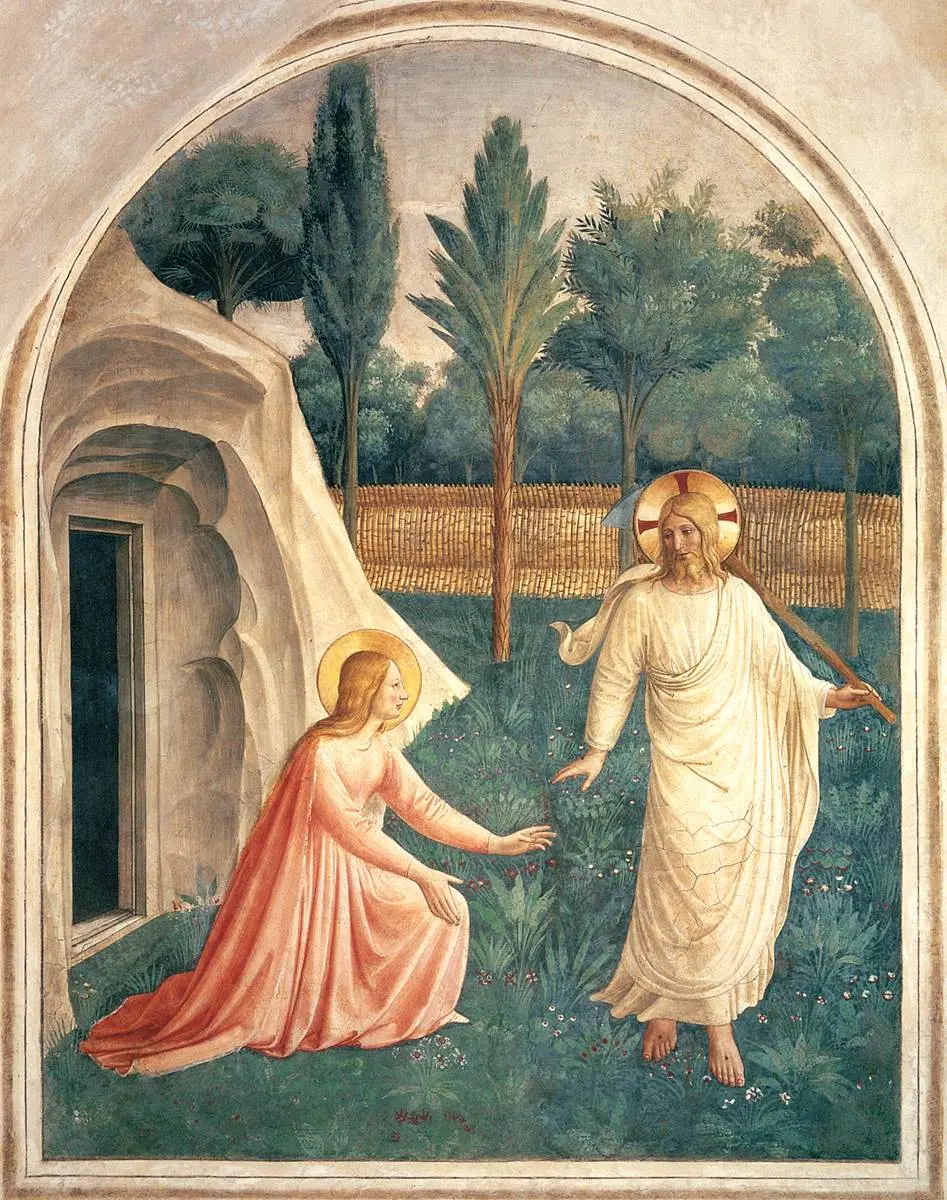
Fra Angelico was a pioneer in adopting the new visual language of the Renaissance while remaining deeply committed to his monastic vows. By incorporating the mathematical principles of perspective developed by contemporaries like Masaccio, he brought a sense of physical reality to religious narratives. This allowed viewers to feel as though they were stepping directly into the sacred events depicted on the walls.
His influence extended far beyond the walls of his convent, shaping the development of religious painting for decades. He demonstrated that scientific observation and spiritual intensity were not mutually exclusive. Artists who followed him, including his pupil Benozzo Gozzoli, adopted his techniques for narrative clarity and his approach to depicting complex theological concepts through simple, humanized figures. His work remains a primary reference point for those studying the transition from medieval iconography to modern realism.
Where can you see Fra Angelico’s best works?
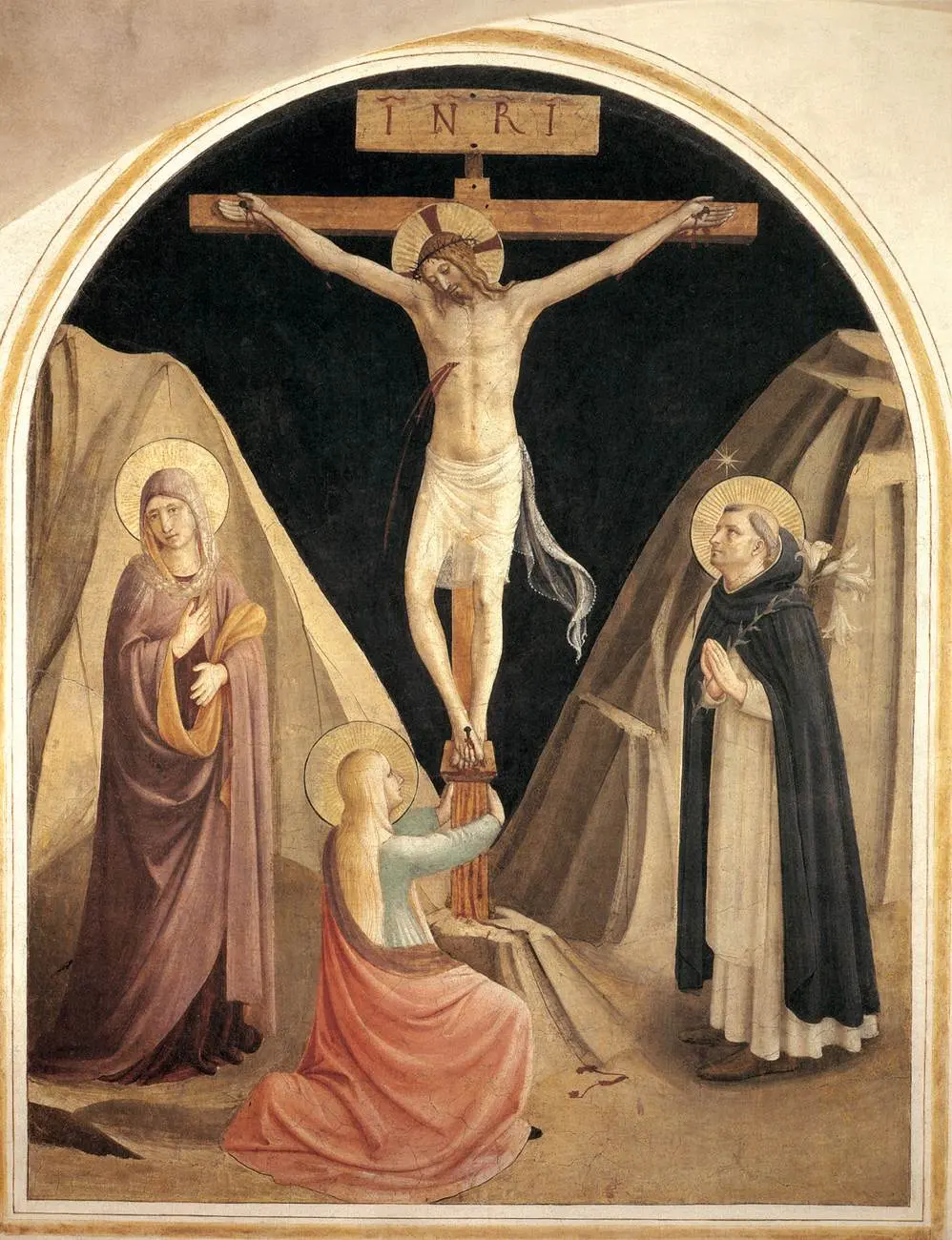
The most significant collection of Fra Angelico’s work is located at the Convent of San Marco in Florence, Italy. Between 1436 and 1445, he painted a series of frescoes specifically designed to aid the monks in their daily devotions. Each cell in the dormitory features a unique scene intended to focus the mind on the life of Christ and the Virgin Mary.
If you are planning to visit these sites or view his work in museums, consider these primary locations:
- The Museum of San Marco, Florence: Home to the famous "Annunciation" and the individual cell frescoes.
- The Prado Museum, Madrid: Houses the stunning "Annunciation" altarpiece, noted for its intricate detail and gold leaf.
- The Vatican Museums, Rome: Contains the Chapel of Nicholas V, which features his masterful frescoes depicting the lives of St. Stephen and St. Lawrence.
- The Uffizi Gallery, Florence: Displays the "Linaiuoli Tabernacle," showcasing his skill with complex architectural framing and delicate tempera painting.
What are the common mistakes when analyzing his art?
One frequent error is assuming that Fra Angelico’s "sweet" or "gentle" style indicates a lack of technical skill or intellectual rigor. Critics in the past sometimes dismissed his work as overly pious or simplistic compared to the more dramatic, muscular works of his peers. In reality, his restraint was a deliberate artistic choice designed to avoid distracting the viewer from the religious message.
Another mistake is overlooking the collaborative nature of his workshop. Like many masters of the period, Angelico relied on assistants to help with large-scale commissions. When viewing his work, consider these factors to avoid misinterpretation:
- Do not confuse the frescoes designed for private meditation with the grand, public altarpieces intended to impress churchgoers.
- Avoid judging his figures solely by modern standards of anatomical accuracy, as he often elongated limbs to convey spiritual elegance.
- Remember that his use of gold leaf was not just for decoration but served as a symbolic representation of the divine, non-material world.
How to appreciate Fra Angelico’s paintings today?
To truly appreciate Fra Angelico, one must slow down and engage with the work as a meditative experience rather than a quick visual scan. His paintings were never intended to be viewed in the bright, crowded conditions of a modern museum gallery. Instead, they were created for quiet, dimly lit spaces where the flickering light of candles would animate the gold leaf and soft colors.
When visiting his works, try the following approach to gain a deeper understanding:
- Spend at least five minutes in front of a single panel, focusing on the expression of the figures rather than the composition as a whole.
- Look for the subtle details in the background, such as the botanical accuracy of the plants or the architectural elements that suggest a real-world setting.
- Reflect on how the lighting within the painting directs your eye toward the central theological message.
By approaching his work with patience and an understanding of its original purpose, you can better grasp why Fra Angelico is still regarded as a master of both the human spirit and the canvas.
Key facts
- Fra Angelico, born Guido di Pietro around 1395, was a Dominican friar and a prominent Early Renaissance painter.
- He is best known for his frescoes in the Convent of San Marco in Florence, which he decorated between 1436 and 1445.
- His work is characterized by a blend of traditional Gothic decorative style and the new, rational perspective of the Renaissance.
- He was beatified by Pope John Paul II in 1982, leading to his informal title as the patron saint of artists.
- To appreciate his technique, observe how he uses light to create a sense of spiritual serenity rather than purely physical realism.
- When viewing his work, avoid focusing solely on the background details; look instead at the expressive, emotive faces of his figures.
The bottom line
Fra Angelico remains a pivotal figure in art history for his ability to synthesize medieval piety with the burgeoning innovations of the Italian Renaissance. His mastery of light, color, and emotional narrative transformed religious art into a tool for personal meditation. By focusing on the spiritual essence of his subjects, he created a timeless aesthetic that continues to influence how we perceive sacred beauty today.
People also ask
Was Fra Angelico his real name?
No, his baptismal name was Guido di Pietro. He was known as Fra Giovanni da Fiesole during his life, and the name "Angelico" was applied posthumously to describe his angelic character and the beauty of his religious paintings.
Did Fra Angelico paint only religious subjects?
Almost exclusively, yes. As a Dominican friar, his artistic output was dedicated to the service of the church, focusing on scenes from the life of Christ, the Virgin Mary, and various saints.
Where can I see his most famous works today?
The most significant collection remains in the Convent of San Marco in Florence, which is now a museum. Other major works are housed in the Uffizi Gallery in Florence and the Prado Museum in Madrid.
What is the significance of the "San Marco" frescoes?
These frescoes were painted specifically for the private cells of the friars to aid in their daily meditation. They represent a unique integration of art and monastic architecture designed to inspire spiritual contemplation.
How did his style differ from his contemporaries like Masaccio?
While Masaccio focused on monumental, heavy figures and scientific perspective, Fra Angelico maintained a more lyrical, delicate, and luminous approach. He prioritized spiritual clarity and graceful compositions over the aggressive realism seen in other Renaissance works.
Is it true that he never retouched his paintings?
Legend suggests he believed his work was divinely inspired and therefore should not be altered once finished. While this is likely an exaggeration, it highlights his reputation for deep humility and devotion to his craft.
This answer was created with the help of AI research tools and reference sources. Spotted an error? Let us know — we correct mistakes quickly. See our editorial policy.