What is an art journal?
Short answer
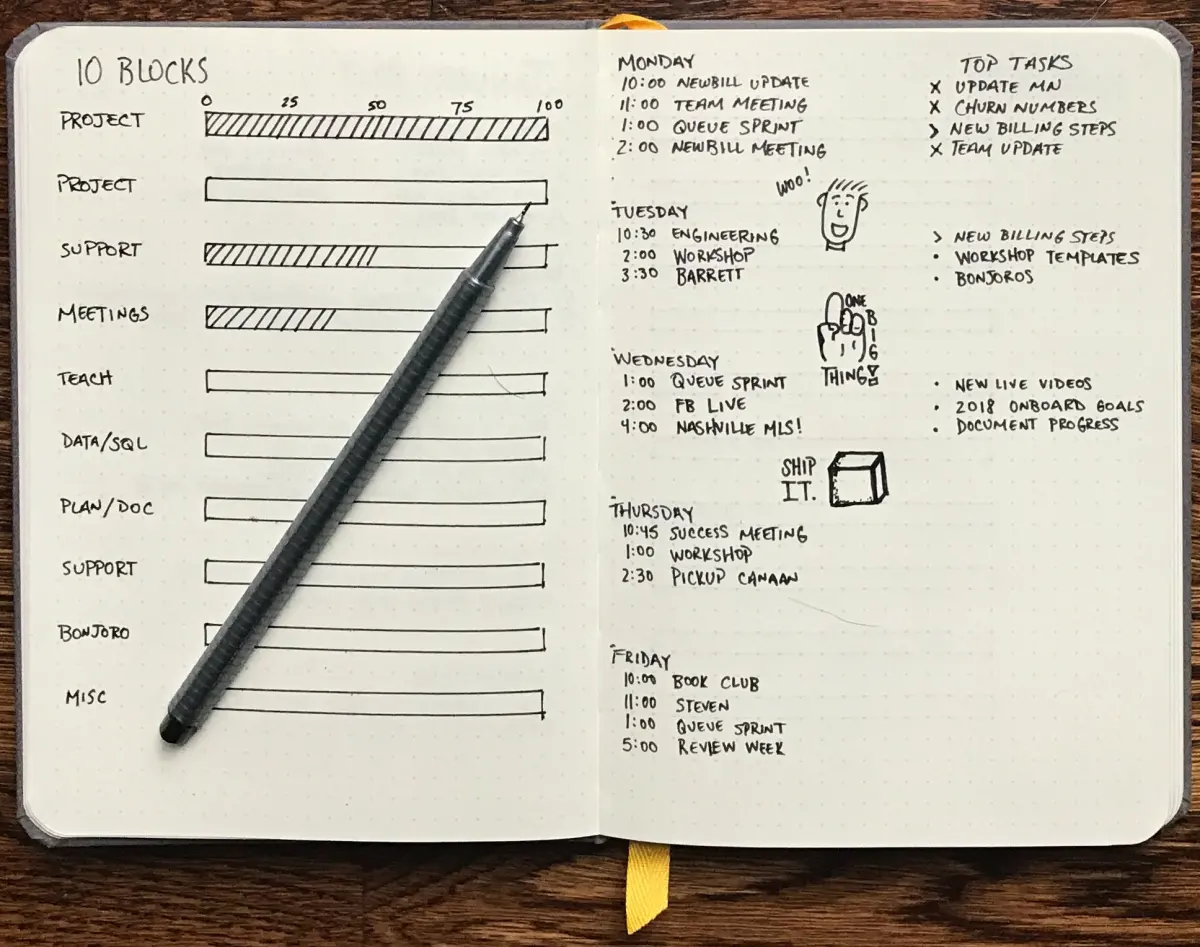
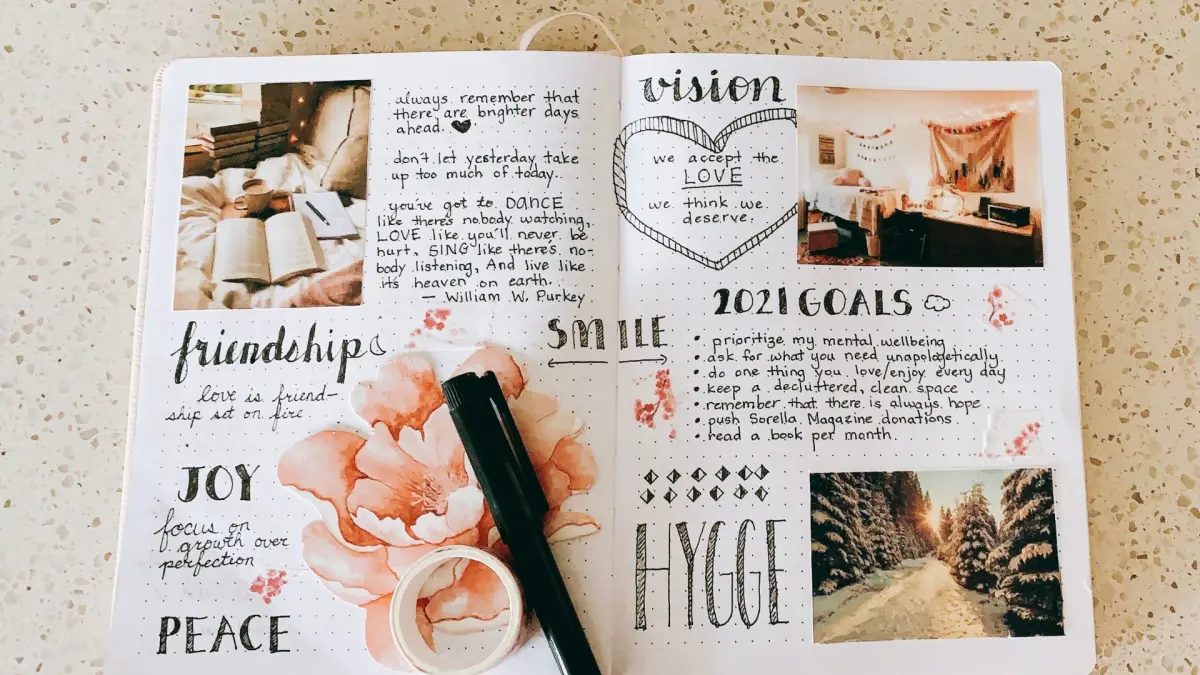
An art journal is a personal, creative record that combines visual elements with written entries to document thoughts, emotions, and artistic experiments. Unlike a traditional diary, it serves as a flexible space for mixed-media exploration, allowing individuals to process experiences through sketches, paint, collage, and text without the pressure of formal composition.
On this page
What is an art journal used for?
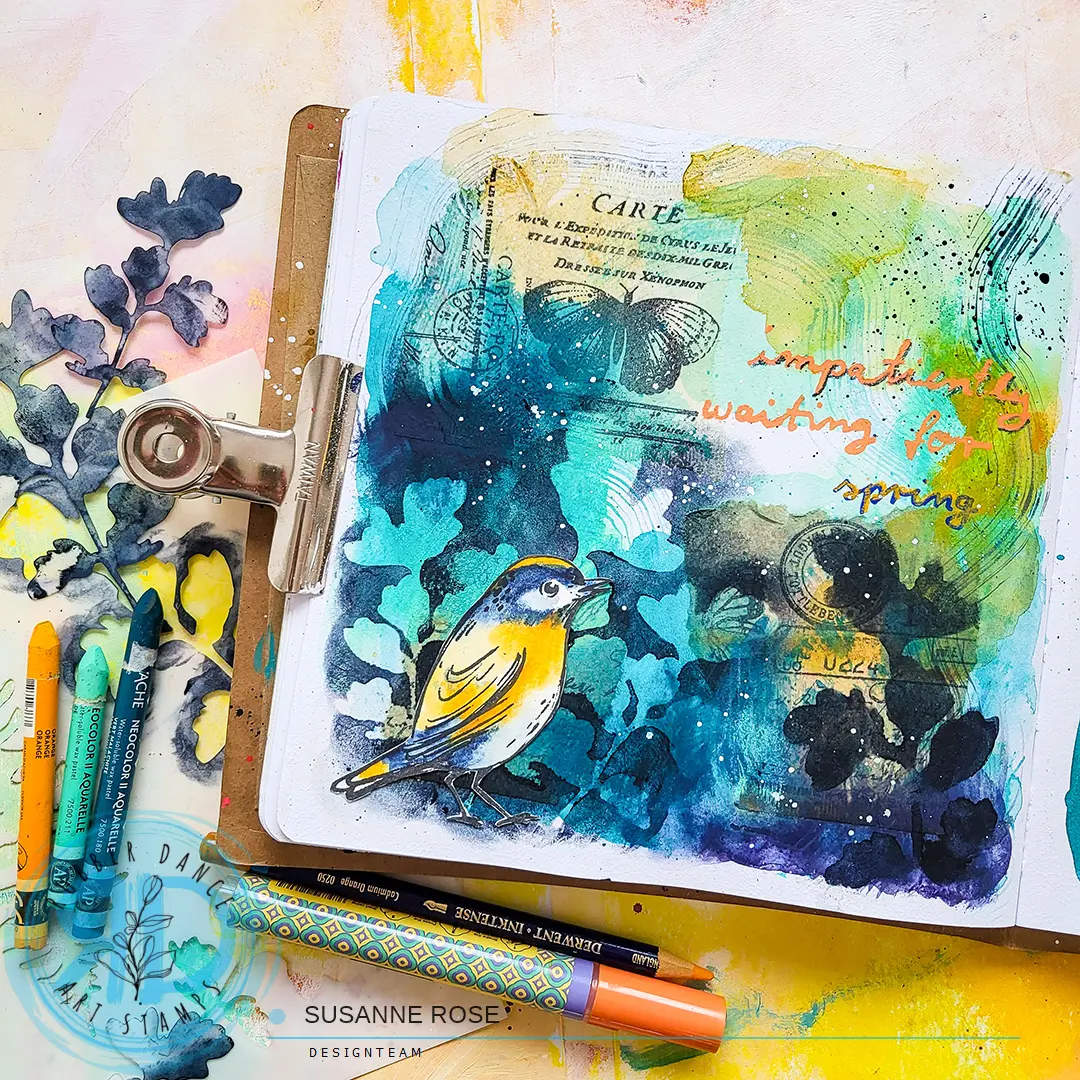
An art journal acts as a private sanctuary for creative expression, functioning as a hybrid between a sketchbook and a written diary. Artists use these books to document their daily lives, practice new techniques, or explore abstract concepts that are difficult to articulate with words alone. Because the journal is meant for personal growth rather than public display, it provides a safe environment to take risks, fail, and experiment with various mediums.
Beyond simple documentation, many people utilize art journals as a tool for mental health and emotional regulation. The act of layering paint, cutting paper, or writing stream-of-consciousness thoughts can help reduce stress and improve focus. By consistently engaging with the pages, creators often find that their journal becomes a visual map of their personal evolution over time. It is a non-judgmental space where the process of creation is valued far more than the final aesthetic result.
Best art journal supplies for beginners
Starting an art journal requires very little equipment, though choosing the right foundation makes the process more enjoyable. Most beginners prefer a notebook with heavy-weight paper, typically 140-pound (300 gsm) watercolor paper, which can withstand wet media like acrylics or inks without buckling or tearing. A spiral-bound or stitch-bound book allows the pages to lay flat, making it easier to work across a two-page spread.
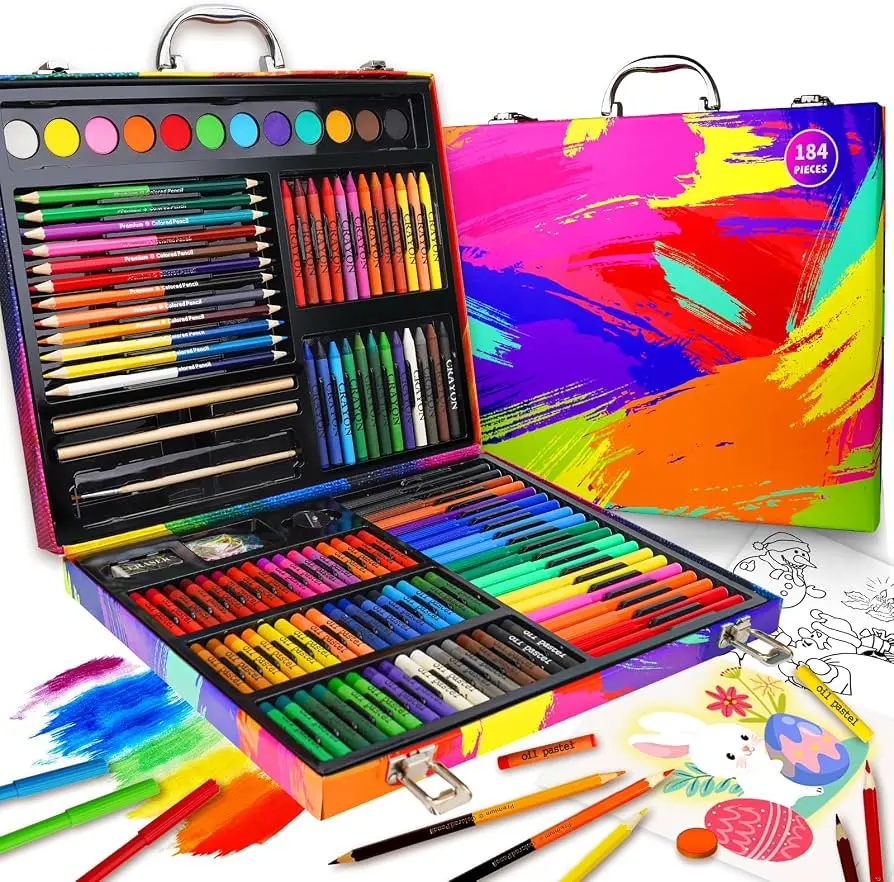
To build a versatile starter kit, consider acquiring the following essential items:
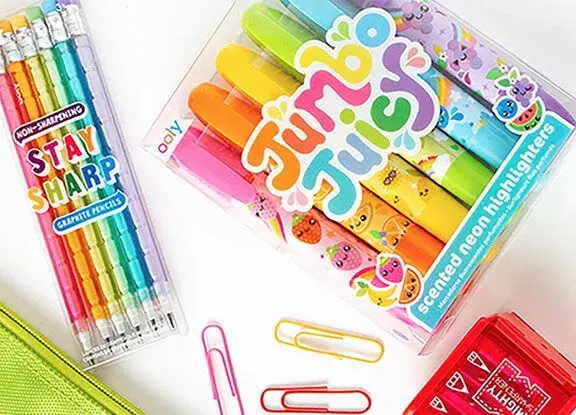
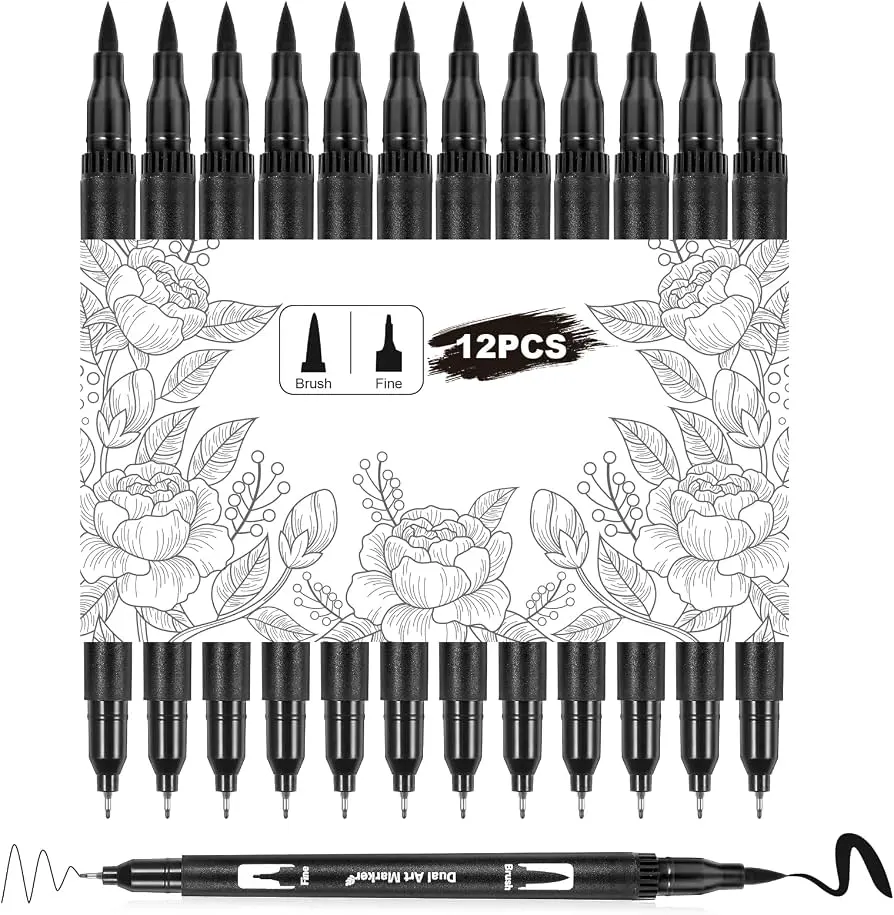
- A set of graphite pencils or fine-liner pens for sketching and writing.
- Water-soluble markers or watercolor pans for adding quick splashes of color.
- A glue stick or matte medium for securing collage elements like magazine clippings or ephemera.
- A basic set of acrylic paints and a few synthetic brushes for layering textures.
- A white gel pen for adding highlights or writing over dark painted surfaces.
How to start an art journal
The most intimidating part of art journaling is often the first blank page. To overcome this, many practitioners begin by priming their pages with a thin layer of gesso, which creates a smooth, durable surface for subsequent layers. You do not need to wait for inspiration to strike; instead, focus on small, manageable actions that bypass the fear of making a mistake.
Follow these steps to begin your first entry:
- Choose a theme or a specific emotion you want to explore, such as "gratitude" or "my current mood."
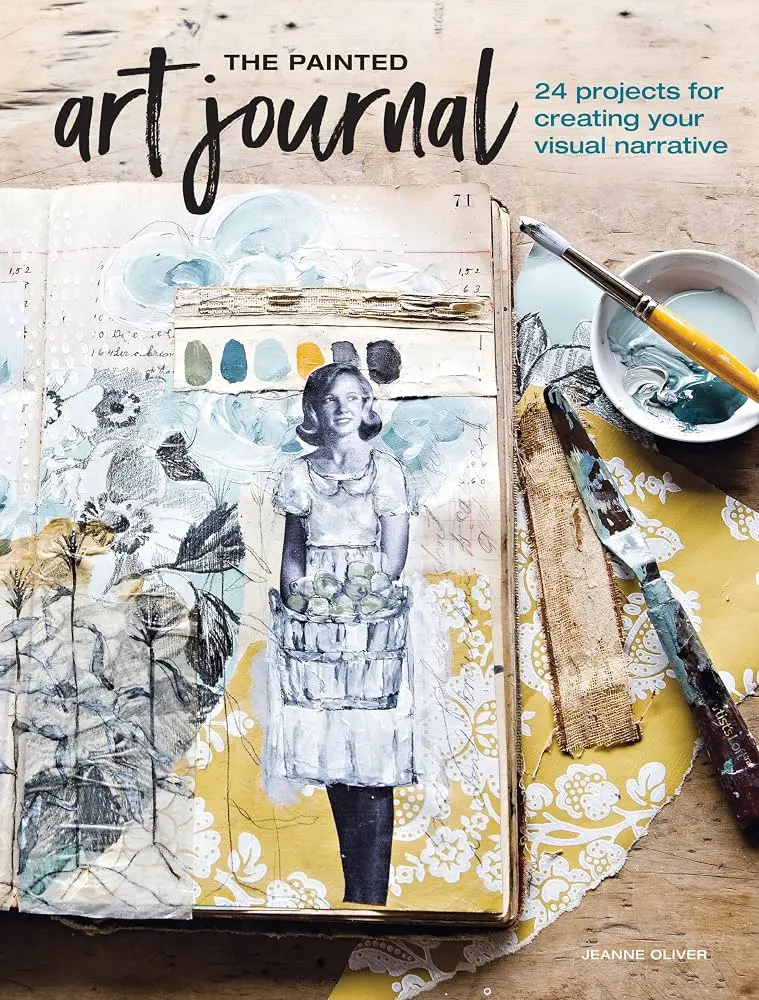
- Create a background layer using paint, markers, or a collage of old book pages to remove the stark white of the paper.
- Add a focal point, such as a hand-drawn doodle, a photograph, or a meaningful quote.
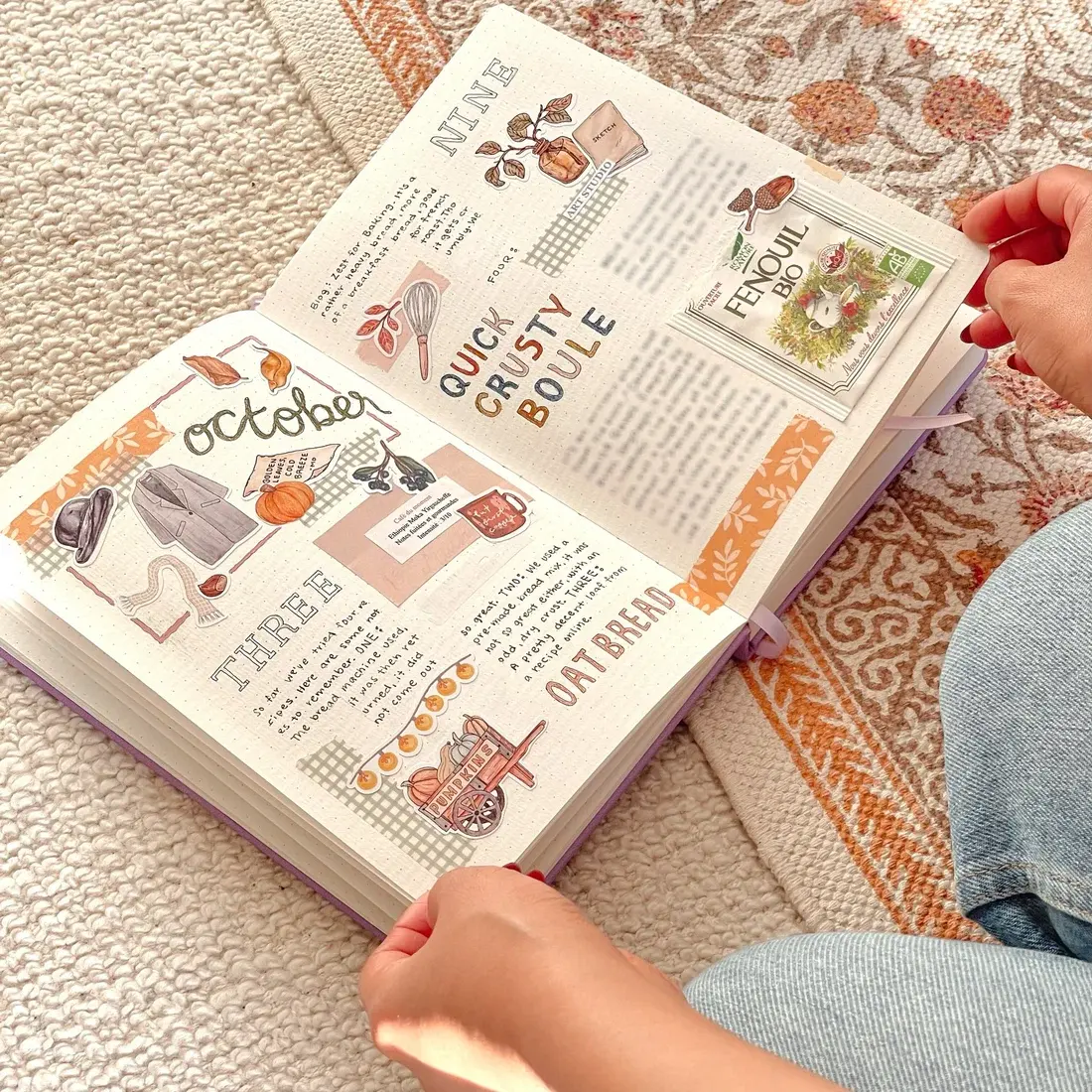
- Write a few sentences or a short reflection around the visual elements to anchor the page in your personal experience.
- Seal your work if necessary or simply close the book and allow the layers to dry naturally.
Common mistakes when art journaling
One of the most frequent errors beginners make is focusing too heavily on the final appearance of the page. This mindset often leads to "blank page syndrome," where the fear of ruining a beautiful book prevents any work from being done. Remember that an art journal is a laboratory, not a gallery; every smudge, messy paint spill, or awkward drawing is a necessary part of the learning process.
Another common mistake is using supplies that are incompatible with the paper quality of the journal. For instance, using heavy alcohol markers on thin, low-quality paper will cause the ink to bleed through to the other side, potentially ruining subsequent entries. To avoid this, always test your pens on the back page of your journal first. Additionally, avoid the trap of comparing your work to highly polished images found on social media platforms, as these often represent only the most successful pages of an artist's long-term practice.
How to maintain a consistent practice
Consistency is the key to reaping the long-term benefits of art journaling. Rather than waiting for hours of free time, try to dedicate just ten to fifteen minutes a day to your book. By keeping your supplies in a designated, accessible spot, you remove the friction of gathering materials, making it easier to sit down and create even when you feel tired or uninspired.
If you find yourself struggling to maintain a routine, consider these strategies:
- Set a timer for ten minutes and commit to working until it goes off, regardless of the output.
- Use prompts or daily challenges to provide a starting point when you feel stuck.
- Focus on "artistic play" rather than "artistic production" by experimenting with textures, stamps, or stencils.
- Accept that some days your entry will be minimal, perhaps just a single line of color or a short sentence.
- Review your past entries periodically to see how your style and perspective have shifted, which serves as a powerful motivator to keep going.
Key facts
- An art journal is a personal book that combines visual elements like paint, collage, and ink with written reflections.
- Unlike a traditional sketchbook, an art journal prioritizes the process of creative expression over the final aesthetic result.
- You can use any paper medium, though mixed-media paper with a weight of at least 90 pounds is ideal for wet materials.
- Common tools include acrylic paints, watercolor pencils, ephemera, adhesives, and permanent markers.
- There are no formal rules for content; pages may contain abstract doodles, detailed portraits, or simple lists of thoughts.
- To begin, choose a dedicated notebook and set aside 10 minutes daily to experiment without the pressure of perfection.
The bottom line
An art journal is a versatile sanctuary for self-expression, blending visual art with personal narrative to foster creativity and mental well-being. By prioritizing the act of making over the quality of the result, you can explore new techniques and document your inner life. Whether you use paint, paper, or ink, this practice provides a low-pressure space to experiment, grow, and reflect on your daily experiences.
People also ask
What is the difference between a sketchbook and an art journal?
A sketchbook is typically used for practicing technical drawing skills and observational studies. An art journal serves as a container for emotional expression, where the focus is on the therapeutic act of creating rather than artistic mastery.
Do I need expensive art supplies to start?
You do not need professional-grade materials to begin an art journal. Basic supplies like ballpoint pens, old magazines for collage, and inexpensive craft paints are perfectly sufficient for beginners.
How do I overcome the fear of a blank page?
Start by covering the page with a layer of gesso or a collage of old book pages to remove the stark white surface. Alternatively, make a few random marks or splashes of color to break the intimidation factor immediately.
Can I use digital tools for art journaling?
While traditional art journaling relies on physical tactile materials, digital art journaling is possible using tablet software. This allows for endless layers and undo functions, though it lacks the physical texture of paper and paint.
What are the most common mistakes beginners make?
The most common mistake is focusing too much on the final appearance of the page rather than the creative process. Beginners also often use paper that is too thin, which causes pages to buckle or tear when wet media is applied.
How often should I work in my art journal?
There is no set frequency, but consistency is key to building a habit. Aiming for a few minutes several times a week is more effective than attempting to complete a complex page once a month.
This answer was created with the help of AI research tools and reference sources. Spotted an error? Let us know — we correct mistakes quickly. See our editorial policy.