What are the best sketchbooks for beginners?
Short answer
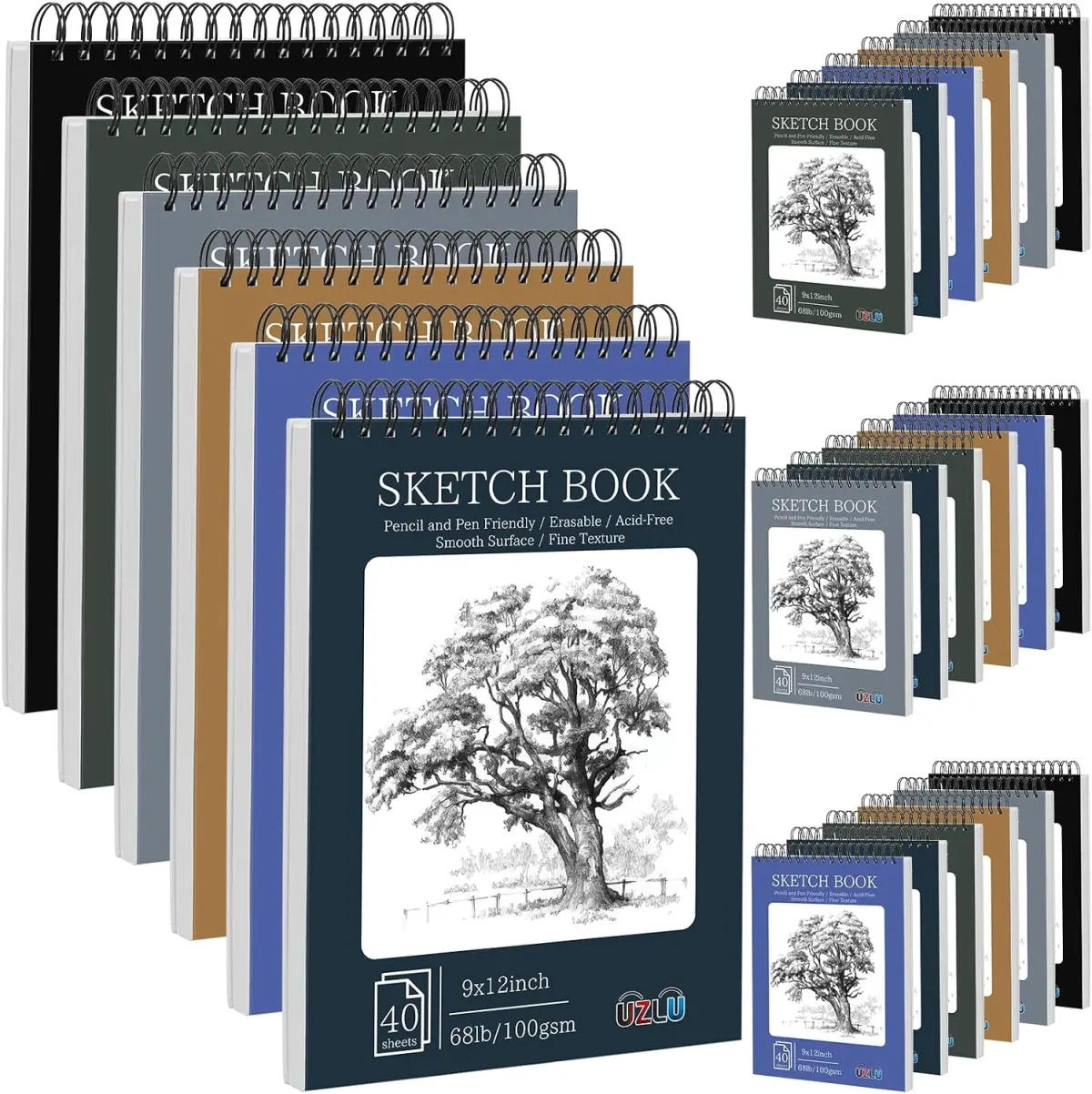
The best sketchbooks for beginners are those with versatile, medium-weight paper ranging from 70 to 90 pounds (100–150 gsm). Brands like Canson, Moleskine, and Stillman & Birn offer reliable options that handle graphite, ink, and light markers well. Prioritize acid-free, archival-quality paper to ensure your early practice drawings remain preserved over time.
On this page
What features to look for in a beginner sketchbook
When selecting your first sketchbook, the weight of the paper is the most critical factor. Paper weight is measured in pounds (lb) or grams per square meter (gsm). For general sketching with pencils and pens, a weight of 70 lb to 90 lb (100–150 gsm) provides enough durability to prevent tearing while remaining thin enough to be portable. Avoid extremely thin printer paper, which lacks the tooth—or surface texture—necessary for graphite to grip the page effectively.
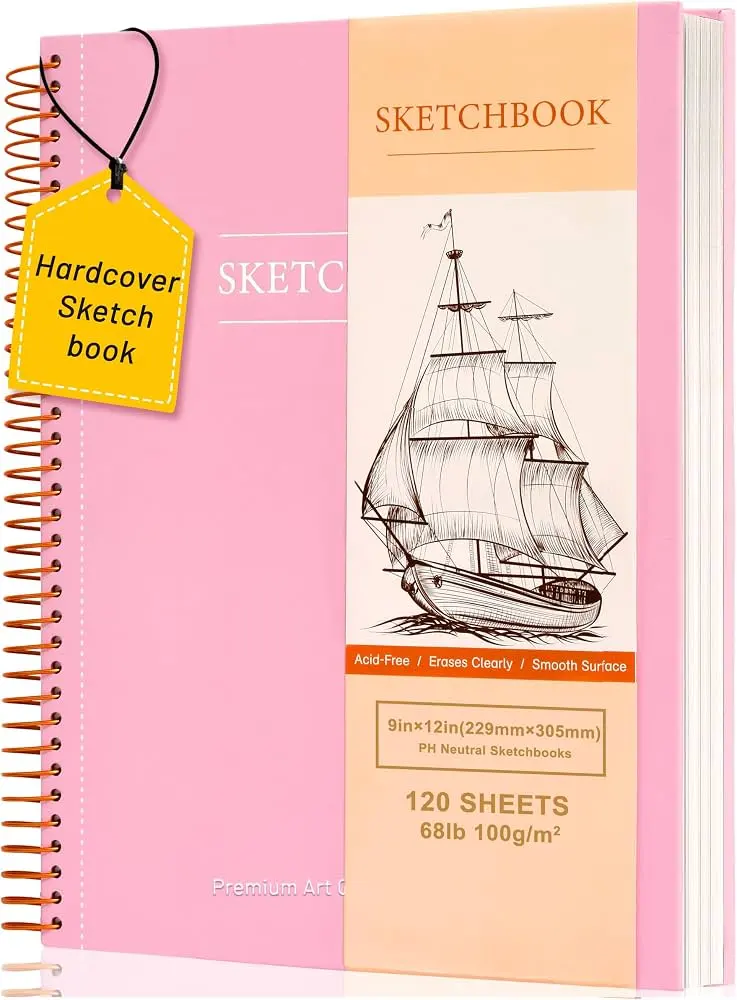
Binding style also impacts your experience. Spiral-bound books allow the sketchbook to lay completely flat or fold back on itself, which is ideal for working in tight spaces or outdoors. Hardbound books offer better protection for your work but can be difficult to keep open. Consider these key features when shopping:
- Tooth: A slight texture helps graphite adhere to the page.
- Acid-free: This prevents the paper from yellowing or becoming brittle over time.
- Size: A5 (5.8 x 8.3 inches) is the most popular size for beginners because it fits easily into most bags.
Best sketchbook brands for beginners
Several manufacturers produce high-quality, affordable sketchbooks tailored to those just starting their artistic journey. Canson is widely regarded as the industry standard for students due to their consistent quality and accessible price points. Their "XL" series features heavy-duty covers and perforated pages, making it easy to remove sketches if you want to frame them or give them away.
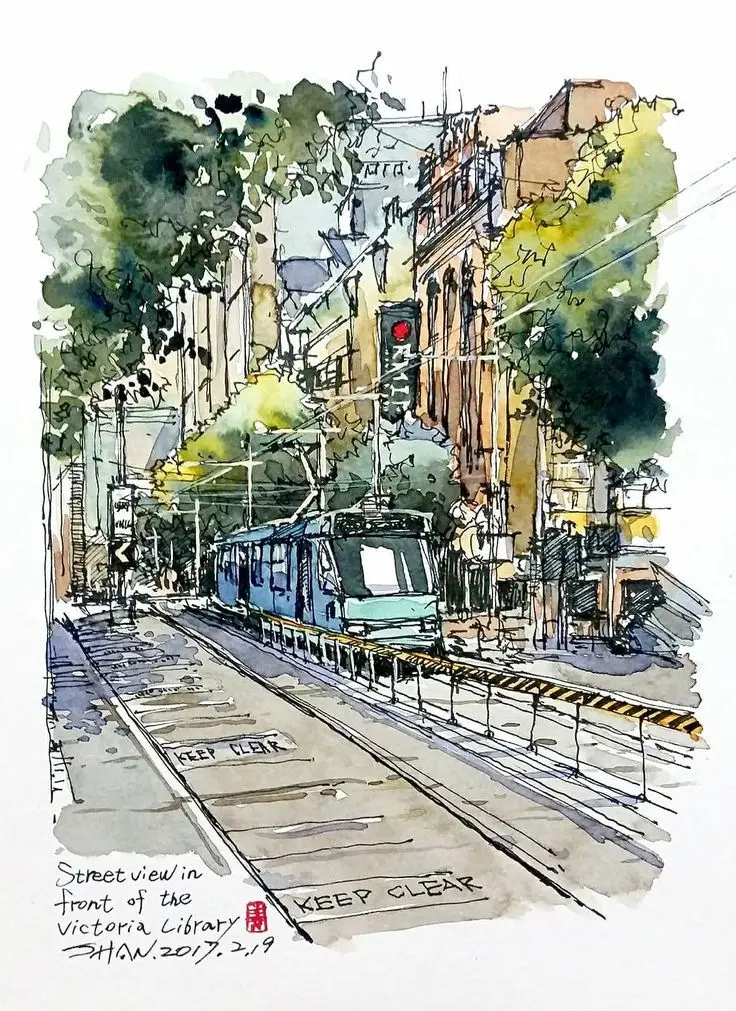
Stillman & Birn is another excellent choice if you plan to experiment with mixed media. Their sketchbooks feature thicker paper that can withstand light watercolor washes or ink pens without bleeding through to the other side. Moleskine is a favorite for those who prefer a classic, aesthetic look and a durable hard cover. When choosing a brand, look for these specific product lines:
- Canson XL Series: Best for volume drawing and practice.
- Stillman & Birn Alpha Series: Best for ink and light mixed media.
- Moleskine Art Collection: Best for portability and professional presentation.
- Strathmore 400 Series: Best for high-quality, archival-grade paper.
How to choose paper grain and texture
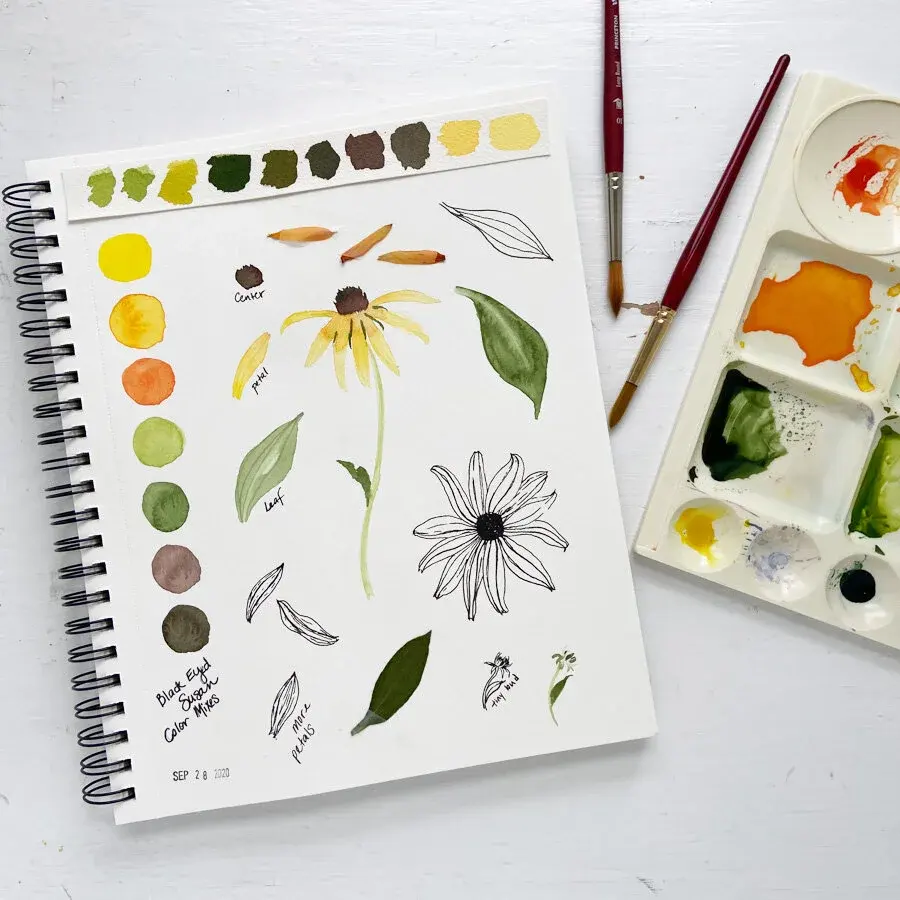
The grain of the paper, often called "tooth," determines how your marks appear on the page. Cold-press paper has a slight texture that catches graphite, creating a rich, soft look that is perfect for shading and charcoal work. Hot-press paper is smooth and dense, making it the preferred choice for fine-line ink drawings, technical pens, and detailed illustrations where you do not want the texture to interfere with your stroke.
Beginners should start with a medium-tooth paper, as it offers the most versatility. It is forgiving enough for shading but smooth enough for sharp lines. If you choose a paper that is too smooth, your pencil marks may appear metallic or reflective. Conversely, paper that is too rough can make it difficult to draw fine details. Experimenting with different textures is part of the learning process, so do not feel pressured to find the "perfect" paper immediately.
Common mistakes when using a new sketchbook
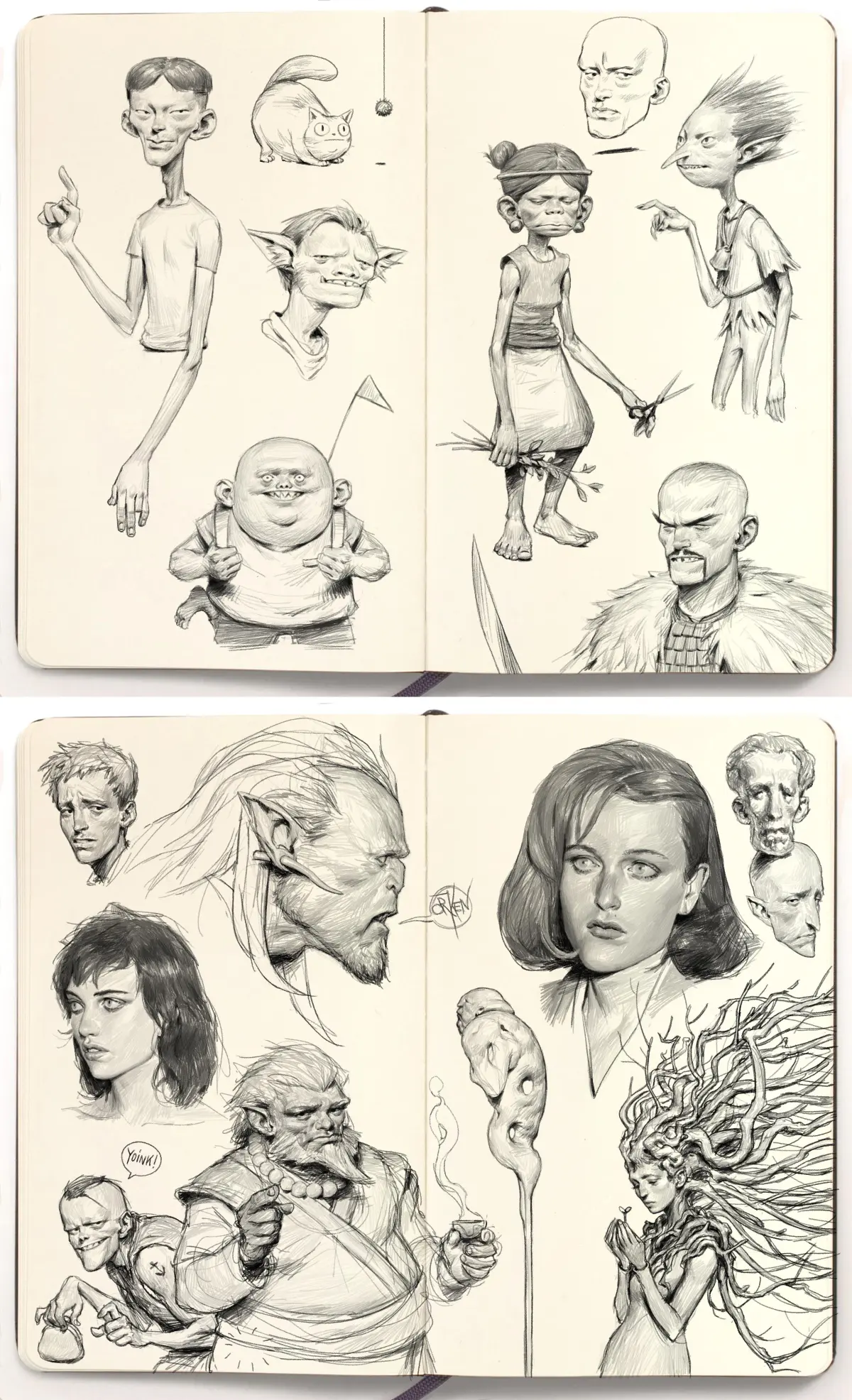
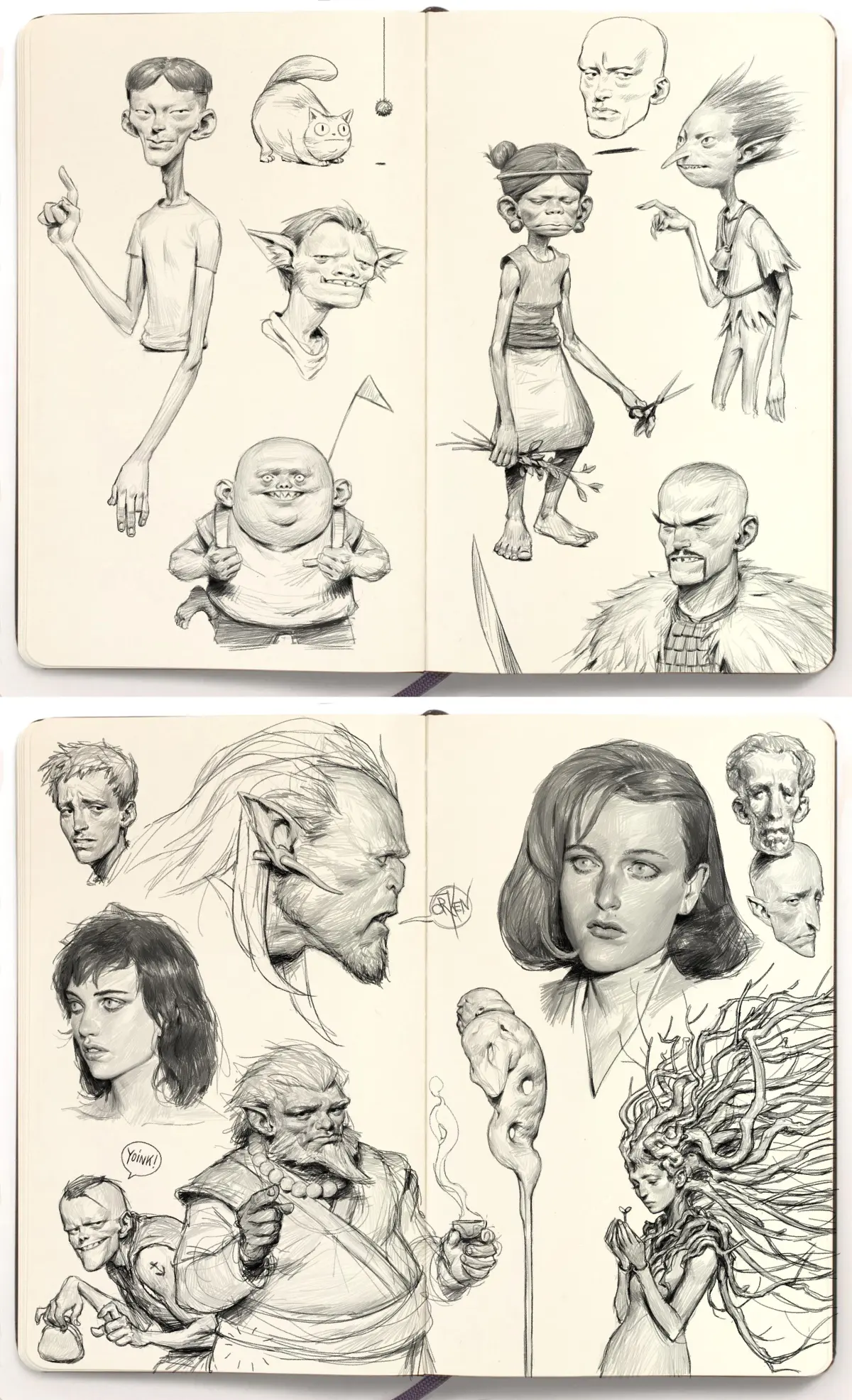
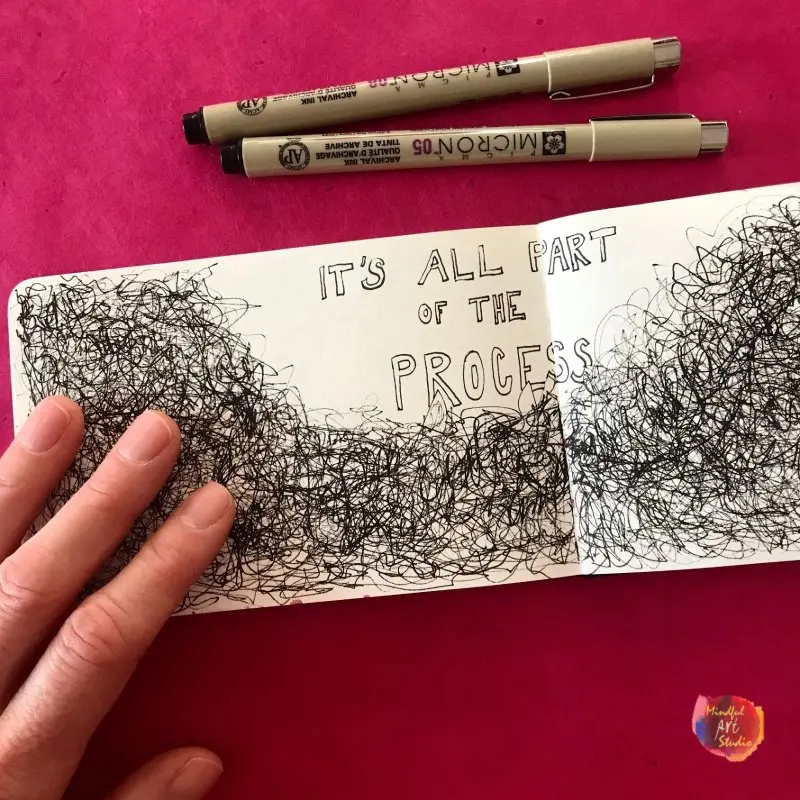
A frequent mistake beginners make is feeling intimidated by the blank page. This often leads to "sketchbook paralysis," where you fear ruining the book with a "bad" drawing. To overcome this, treat your first sketchbook as a laboratory rather than a portfolio. It is perfectly acceptable to have messy sketches, stray marks, and unfinished ideas. The goal is to build the habit of drawing daily, not to create a masterpiece on every single page.
Another error is using the wrong medium for the paper weight. If you try to use heavy markers or wet watercolors on thin, 60 lb paper, the page will buckle, warp, or bleed through to the next sheet. Always check the paper specifications before applying ink or paint. If you intend to use wet media, look for sketchbooks specifically labeled as "mixed media" or "watercolor" paper. Avoid these common pitfalls to keep your progress consistent:
- Using permanent markers without a protective sheet behind the page.
- Pressing too hard with a soft pencil, which can indent the paper.
- Storing sketchbooks in humid environments that can cause the pages to curl.
How to maintain and organize your sketchbook
To get the most out of your sketchbook, establish a consistent routine. Keep your sketchbook in a dedicated spot in your bag so you always have it ready when inspiration strikes. Date your pages as you work; looking back at your progress over several months is one of the most rewarding parts of the artistic process. You will be able to see how your line quality, perspective, and confidence have improved since your first entry.
When your sketchbook is full, store it in a cool, dry place away from direct sunlight. Sunlight can fade graphite and discolor paper over several years. If you want to keep your work organized, use a simple index system on the first page to note important sketches or dates. Remember that a sketchbook is a personal record of your growth. By keeping it organized and accessible, you ensure that your early efforts remain a valuable resource for your future artistic development.
Key facts
- Beginners should prioritize paper weight, measured in grams per square meter (gsm); 100-120 gsm is ideal for dry media like graphite or ink.
- Spiral-bound sketchbooks allow the book to lay completely flat, making it easier to draw across the gutter or scan pages.
- Acid-free paper is essential for long-term preservation, as it prevents the pages from yellowing or becoming brittle over time.
- A standard A5 size (5.8 x 8.3 inches) is highly portable and less intimidating for daily practice than larger formats.
- Avoid using wet media like watercolors on standard drawing paper, as it will buckle and tear; choose a sketchbook labeled "mixed media" for versatility.
- Hardcover sketchbooks provide a stable surface for drawing on the go, while softcover versions are lighter for travel.
The bottom line
Choosing the right sketchbook is a personal process that balances portability with your preferred medium. For most beginners, a 100-120 gsm, spiral-bound A5 sketchbook provides the best versatility for graphite and ink practice. Avoid the mistake of buying expensive, professional-grade paper too early; focus instead on finding a durable, acid-free book that encourages you to draw daily without the fear of ruining a costly surface.
People also ask
Should I buy a sketchbook with toothy or smooth paper?
Smooth paper, or hot-pressed, is best for fine detail and pen work. Toothy, or cold-pressed, paper has a texture that grabs graphite and charcoal, making it better for shading and expressive sketching.
How many pages should a beginner sketchbook have?
Look for sketchbooks with 80 to 100 pages. This provides enough space for consistent practice without feeling like an overwhelming commitment to fill.
Is it better to use a pencil or a pen in a new sketchbook?
Pencils are recommended for beginners because they allow for erasing and refining shapes. Pens are excellent for building confidence and developing a permanent, bold drawing style.
Can I use both sides of the paper?
Yes, provided the paper weight is sufficient to prevent ink bleed-through. If you use heavy markers, you may need to dedicate one side of each sheet to your sketches.
What is the difference between a sketchbook and a journal?
A sketchbook is designed specifically for drawing, often featuring heavier, higher-quality paper. A journal may contain thinner paper meant for writing, which often cannot handle eraser friction or heavy graphite pressure.
Read the full answer →How do I choose between white, cream, and toned paper?
White paper offers the highest contrast for colors and black ink. Cream paper is easier on the eyes during long sessions, while toned paper helps artists practice highlights and shadows simultaneously.
This answer was created with the help of AI research tools and reference sources. Spotted an error? Let us know — we correct mistakes quickly. See our editorial policy.