What is the difference between a sketchbook and a journal?
Short answer
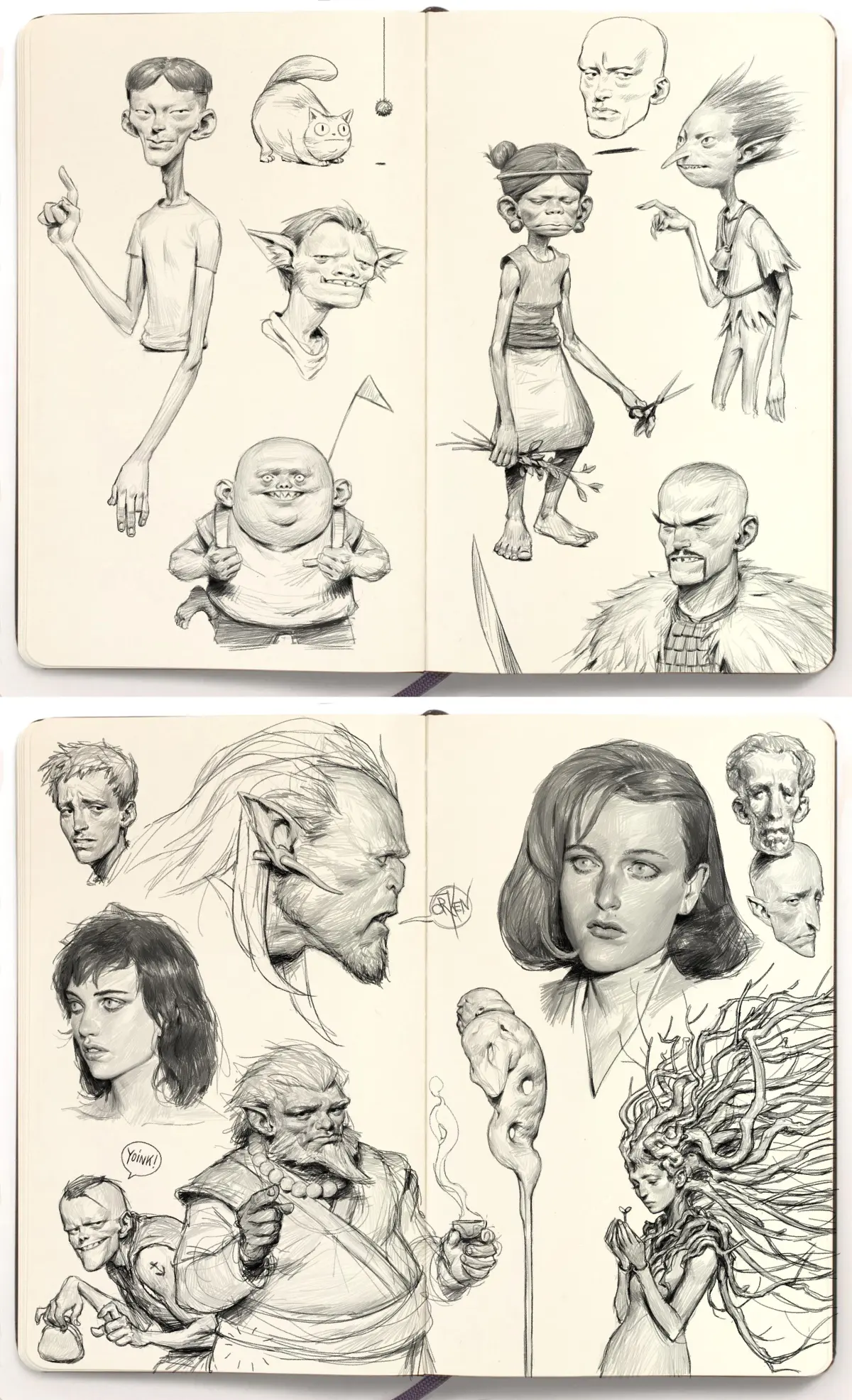
A sketchbook is a dedicated space for visual exploration, focusing on drawing, painting, and graphic experimentation. In contrast, a journal is primarily a textual record used for documenting thoughts, daily events, and reflections. While both serve as personal archives, the sketchbook prioritizes spatial creativity, whereas the journal emphasizes linear narrative and introspection.
On this page
What defines a sketchbook versus a journal?
The primary distinction lies in the intended output: visual versus linguistic expression. A sketchbook functions as a laboratory for an artist, where lines, shapes, and colors take precedence over words. It is often unlined to allow for complete freedom of movement across the page, accommodating everything from quick gesture drawings to detailed watercolor studies. The physical construction of a sketchbook often includes thicker, acid-free paper capable of handling wet media or heavy erasing without tearing.
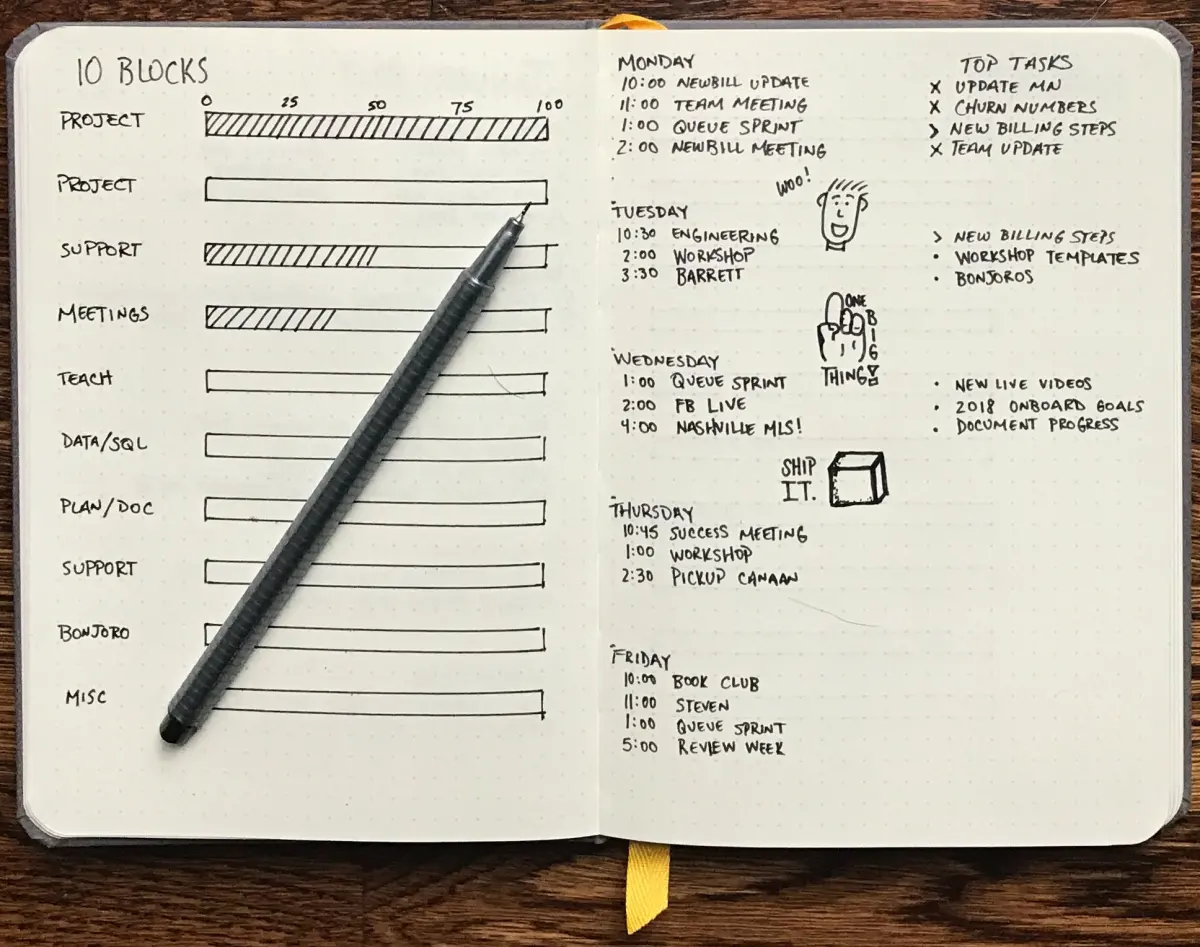
Conversely, a journal is designed for the preservation of information and internal dialogue. It usually features lined or grid paper to facilitate organized writing. While a sketchbook captures how a subject looks, a journal captures how a subject feels or what it signifies. Many people maintain both simultaneously, using the sketchbook to document the external world and the journal to process the internal experience of living in it.
How to choose the right format for your goals
Selecting the correct tool depends on your specific creative or organizational needs. If your goal is to improve your technical drawing skills, a sketchbook with high-grade, heavy-weight paper is essential. If you are looking to improve your mental clarity or track personal progress, a journal with a date-stamped layout is more effective. You should evaluate the following features before purchasing:
- Paper weight: Measured in grams per square meter (gsm); 140gsm or higher is ideal for paint.
- Binding: Lay-flat bindings are crucial for both formats to ensure you can work across the entire spread.
- Size: A6 is highly portable for travel, while A4 or larger provides the surface area needed for expansive sketching.
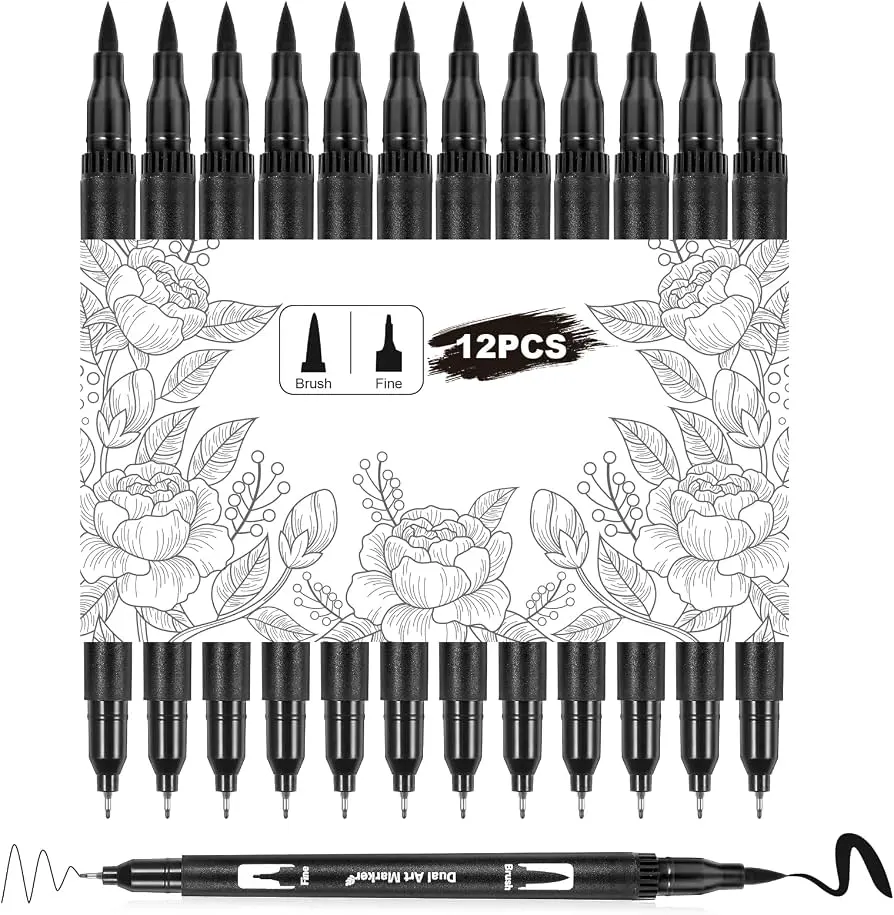
- Texture: Cold-press paper offers a slight tooth for charcoal, while smooth paper is better for fine-line ink pens.
Why artists and writers keep both
Many professionals find that keeping both a sketchbook and a journal creates a holistic record of their development. The sketchbook serves as a visual diary, documenting the evolution of an artist's style and technical proficiency over time. The journal acts as a companion piece, providing the context for the sketches. For instance, an artist might sketch a landscape in the morning and write a detailed entry in the evening about the specific atmosphere or emotional state they experienced while drawing that scene.
Integrating these practices allows for a deeper level of self-reflection. When you review your work months or years later, the combination of image and text provides a multi-dimensional view of your past self. This dual approach prevents the frustration of trying to force a drawing into a lined notebook or trying to capture a complex visual concept using only descriptive prose.
Common mistakes when starting a creative practice
Beginners often fall into traps that hinder their consistency or enjoyment. One of the most frequent errors is the "fear of the blank page," where the pressure to create something perfect prevents any work from being started at all. Another common mistake is choosing materials that do not suit the intended medium, such as using thin notebook paper for markers, which leads to bleeding and ruined pages.
- Do not worry about aesthetic perfection; treat the early pages as a space for messy experimentation.
- Avoid using expensive, high-quality journals for "practice" if it makes you afraid to make mistakes.
- Keep your tools accessible; if your sketchbook is buried in a bag, you are less likely to use it.
- Do not compare your early work to the polished portfolios of professional artists found on social media.
How to maintain a consistent habit
Consistency is the engine of growth in both sketching and journaling. To build a sustainable habit, focus on frequency rather than duration. Spending five minutes every day is significantly more effective than spending three hours once a month. By lowering the barrier to entry, you ensure that the process remains a source of relaxation rather than a chore. Establishing a specific time of day, such as during your morning coffee or right before bed, can help anchor the habit.
If you find yourself losing momentum, try setting small, achievable prompts. For a sketchbook, this might be drawing one object in your room each day. For a journal, it could be writing three things you are grateful for or summarizing the day in exactly three sentences. By removing the burden of high expectations, you allow your natural curiosity to take the lead. Over time, these small, consistent efforts will accumulate into a comprehensive archive of your personal and artistic journey that you can revisit for years to come.
Key facts
- Sketchbooks are primarily designed for visual exploration, featuring thicker paper to accommodate graphite, charcoal, or ink without bleeding.
- Journals prioritize written documentation, often utilizing lined or grid paper to facilitate structured note-taking, reflection, or daily logging.
- A sketchbook’s binding is often spiral or lay-flat to allow for wide, expansive drawings across two pages.
- Journals frequently include functional elements like date headers, ribbon bookmarks, and elastic closures to keep loose notes secure.
- You can use a mixed-media notebook if you wish to combine writing and drawing, provided the paper weight is at least 100 gsm.
- A common mistake is using a standard notebook for heavy watercolor painting, which causes the pages to warp and tear.
The bottom line
The fundamental difference lies in the intended purpose: sketchbooks emphasize visual freedom and paper durability for artistic media, while journals focus on structured text and personal record-keeping. Choosing the right tool depends on whether you prioritize drawing or writing, though hybrid notebooks offer a flexible middle ground. Regardless of your choice, selecting the appropriate paper weight and binding style will ensure your creative process remains uninterrupted.
People also ask
Can I use a sketchbook as a diary?
Yes, many artists use sketchbooks for "visual journaling," where they combine sketches with written reflections. This approach captures both the visual details and the emotional context of a moment.
What paper weight is best for a general-purpose notebook?
For a notebook that handles both writing and light sketching, look for paper between 90 and 120 grams per square meter (gsm). This thickness prevents most ink from showing through to the other side.
Is there a difference between a diary and a journal?
While often used interchangeably, a diary typically focuses on recording daily events chronologically. A journal is a broader term that can include planning, goal setting, and creative brainstorming alongside daily entries.
How do I choose the right size for my book?
Choose A5 (5.8 x 8.3 inches) for portability during travel or A4 (8.3 x 11.7 inches) if you prefer more space for large drawings or extensive writing. Smaller pocket sizes are ideal for quick notes on the go.
Should I use a pencil or a pen for journaling?
Pens are better for permanent documentation, while pencils allow for easy correction and sketching. Many people use archival-quality felt-tip pens to ensure their writing remains legible for years.
How can I prevent my ink from smudging in a sketchbook?
Always use a piece of blotting paper between pages if you are using wet media like fountain pens or markers. Alternatively, wait at least two minutes for the ink to dry completely before closing the book.
This answer was created with the help of AI research tools and reference sources. Spotted an error? Let us know — we correct mistakes quickly. See our editorial policy.