How do you draw a gorilla?
Short answer
Drawing a gorilla requires capturing its massive, barrel-chested anatomy and distinct facial features. Start by sketching basic geometric shapes to define the shoulders and torso. Focus on the heavy brow, small ears, and powerful limbs. By layering muscle mass over a simple skeletal framework, you can effectively illustrate this primate's formidable presence.
On this page
How to structure the gorilla's anatomy
The primary challenge in drawing a gorilla is conveying its immense weight and dense musculature. Begin by sketching a large, rounded trapezoid for the upper torso, which emphasizes the animal's signature barrel chest. Place a smaller, circular shape above it for the head and a slightly larger oval for the lower abdomen. Connect these shapes with fluid lines to establish the spine's curve, noting that gorillas often maintain a hunched posture.
When mapping out the limbs, remember that a gorilla’s arms are significantly longer and thicker than its legs. The upper arms should be drawn as heavy, cylindrical shapes that taper toward the wrists. Use these steps to build the frame:
- Sketch a large circle for the chest and a smaller one for the head.
- Draw a thick, curved line representing the spine from the neck to the hips.
- Add elongated ovals for the upper arms, ensuring they extend past the torso.
- Define the joints with small circles to maintain correct proportions.
Best techniques for drawing the head
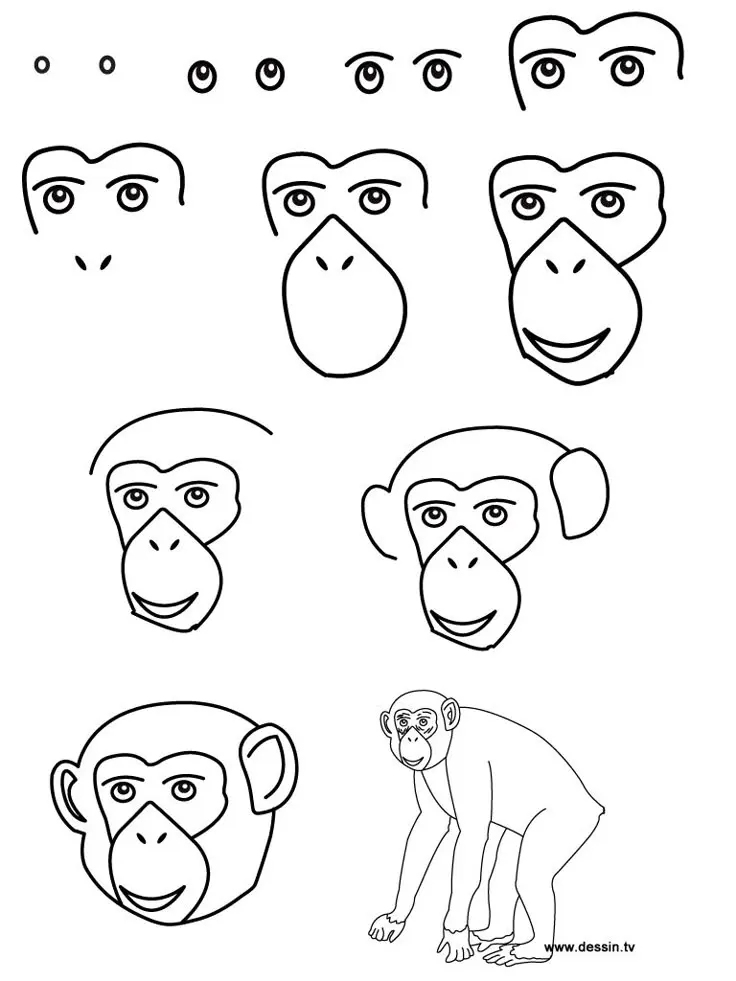
A gorilla’s face is defined by its deep-set eyes, prominent brow ridge, and wide, flat nose. To capture this, draw a horizontal line across the middle of the head circle to position the eyes, then place the brow ridge directly above them. The nose should be broad and fleshy, sitting low on the face, while the mouth is typically depicted as a straight, firm line.
The ears are surprisingly small and sit relatively low on the sides of the head. When shading the face, focus on the contrast between the dark, leathery skin and the surrounding fur. Use these techniques to add depth:
- Use cross-hatching to create the texture of the coarse hair around the cheeks and chin.
- Keep the eyes dark and reflective to give the animal a sense of intelligence and presence.
- Avoid drawing individual hairs; instead, group them into clumps to suggest the overall volume of the coat.
How to draw realistic gorilla hands and feet
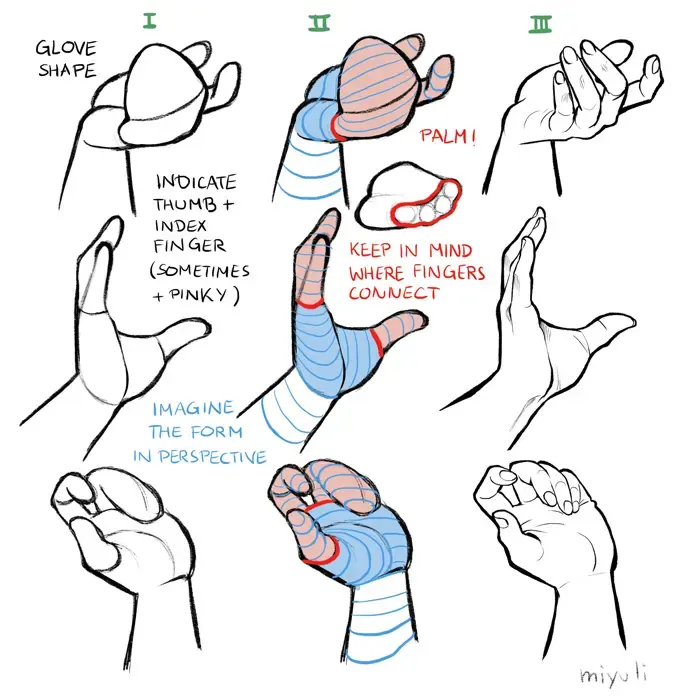
Gorilla hands and feet are massive, powerful, and highly expressive. They are characterized by thick, leathery palms and short, sturdy fingers. When drawing the hands, remember that gorillas are knuckle-walkers, meaning the fingers are often curled inward. The thumb is shorter and set lower than the other four fingers, which should appear thick and blunt at the tips.
The feet are similarly robust, with a large, opposable big toe that functions much like a thumb. When sketching the feet, emphasize the flat, wide surface area that supports the animal's weight. Follow these guidelines to ensure accuracy:
- Start with a rectangular base for the palm or sole.
- Add four short, thick digits, keeping the knuckles prominent.
- Draw the thumb or big toe slightly separated from the rest of the digits.
- Add wrinkles and folds around the joints to suggest skin texture and flexibility.
Common mistakes when drawing gorillas
A frequent error is making the gorilla look too human in its proportions. While gorillas are primates, their anatomy is significantly more compact, with a much wider chest and shorter neck than a human. Avoid drawing a human-like torso, as this will make the animal appear weak or unnatural. Always prioritize the barrel-chested silhouette, which is the most defining feature of the species.
Another common mistake is neglecting the weight of the limbs. Beginners often draw arms that look thin or spindly, failing to account for the massive muscle mass required to support such a large creature. Ensure that the forearms are thick and muscular, tapering only slightly toward the wrist. By focusing on the weight and gravity of the limbs, you will create a more convincing representation of the animal's actual physical power.
How to add texture and shading
The final step in creating a lifelike gorilla is the application of fur texture and light. Gorillas have dense, black or dark gray hair that covers most of their bodies, except for the face, palms, and soles. Instead of drawing every strand, focus on the way light hits the clumps of fur. Use soft, directional strokes to follow the contours of the muscles, which helps reveal the underlying anatomy.
Shading should be used to emphasize the gorilla's bulk. Apply deep shadows in the crevices between the muscles and under the chin to create a three-dimensional effect. Keep the highlights subtle, focusing them on the top of the brow, the shoulders, and the back. By carefully balancing the dark, matte fur with strategic highlights, you can achieve a professional finish that highlights the gorilla's imposing and majestic nature.
Key facts
- Gorillas possess a sagittal crest, a bony ridge on the top of the skull that gives their heads a distinct, pointed profile.
- Their arms are significantly longer than their legs, with an arm span that can reach up to 8 feet in adult males.
- Focus on the "knuckle-walking" posture, where the weight is supported by the middle phalanges of the fingers rather than the palms.
- The chest of a mature silverback is barrel-shaped and massive, often appearing wider than the hips.
- Use deep shadows around the eyes and nose to emphasize the gorilla's heavy, protruding brow ridge.
- Keep the hands large and thick, as gorilla fingers are shorter and broader than human fingers.
The bottom line
Drawing a gorilla requires a focus on its powerful, hunched anatomy rather than intricate details. By prioritizing the massive barrel chest, long arms, and the distinctive sagittal crest on the skull, you create a believable silhouette. Always emphasize the knuckle-walking stance and the heavy brow ridge. With practice, these structural elements will allow you to capture the imposing, majestic presence of these primates on paper.
People also ask
Should I start with the head or the body when drawing a gorilla?
It is best to start with a large, oval shape for the torso and a smaller circle for the head. This helps you establish the correct proportions and the hunched posture before adding details.
How do I make a gorilla look realistic rather than cartoonish?
Focus on the anatomy of the muscles and the texture of the fur. Avoid drawing perfect circles for eyes; instead, use irregular shapes to capture the depth of the deep-set sockets.
What is the most common mistake when drawing a gorilla's face?
Beginners often draw the nose too small or too high on the face. A gorilla's nose is broad, flat, and sits low, taking up a significant portion of the center of the muzzle.
How do I draw the fur effectively?
Do not draw every individual hair. Instead, use short, directional strokes to suggest the direction of hair growth, focusing on the dense patches around the shoulders and neck.
Are gorillas always depicted sitting down?
No, but sitting or knuckle-walking are the most natural poses. If you draw them standing, ensure the arms remain clearly longer than the legs to maintain anatomical accuracy.
What shading techniques work best for gorillas?
Use high-contrast shading to emphasize the powerful build. Because their fur is often dark, use a soft graphite pencil to build up layers of tone rather than relying on harsh black lines.
This answer was created with the help of AI research tools and reference sources. Spotted an error? Let us know — we correct mistakes quickly. See our editorial policy.