How do you draw a candle flame?
Short answer
Drawing a candle flame requires capturing its teardrop shape and layered color gradient. Start by sketching a soft, asymmetrical outline, then use light colors at the center and darker tones toward the outer edges. Layering translucent strokes creates the illusion of heat and luminosity, effectively mimicking the flame's natural, flickering glow.
On this page
How to structure a candle flame
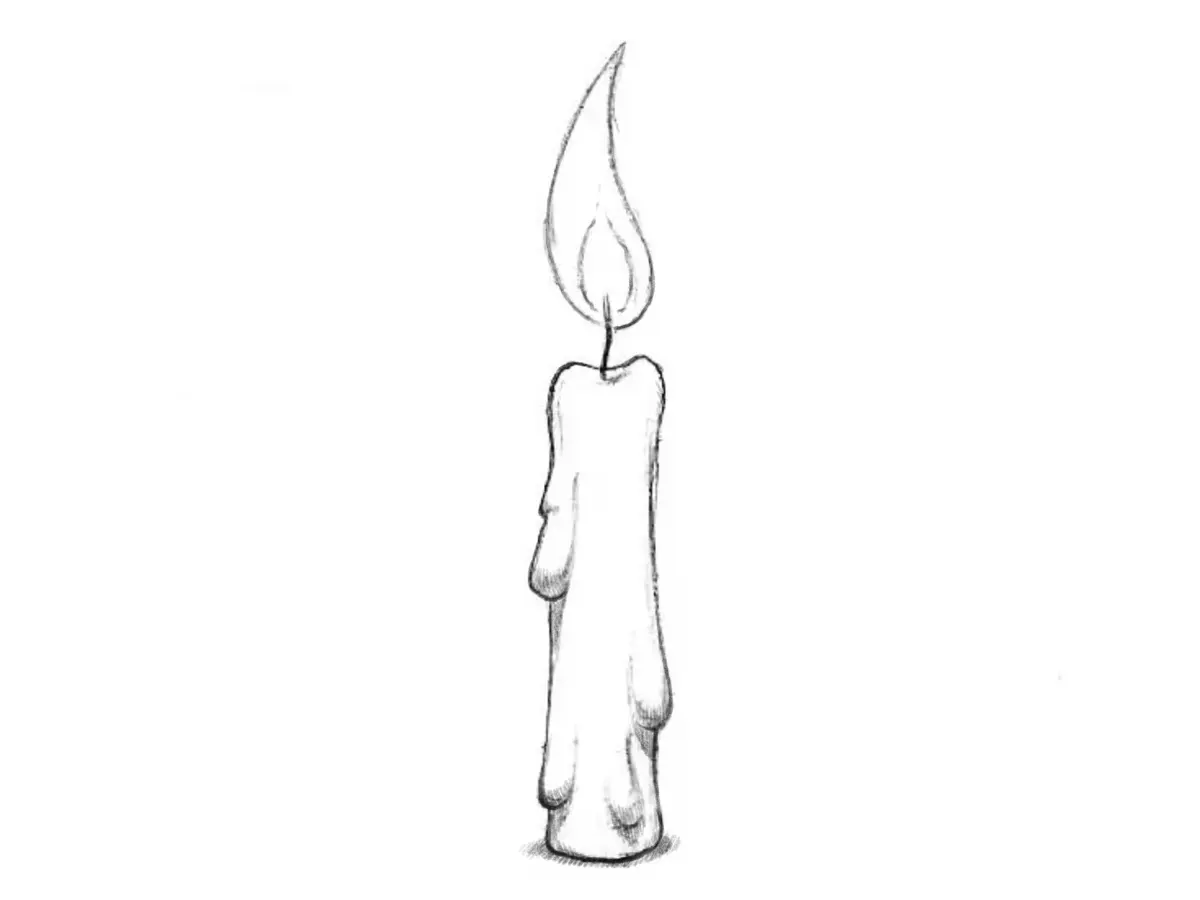
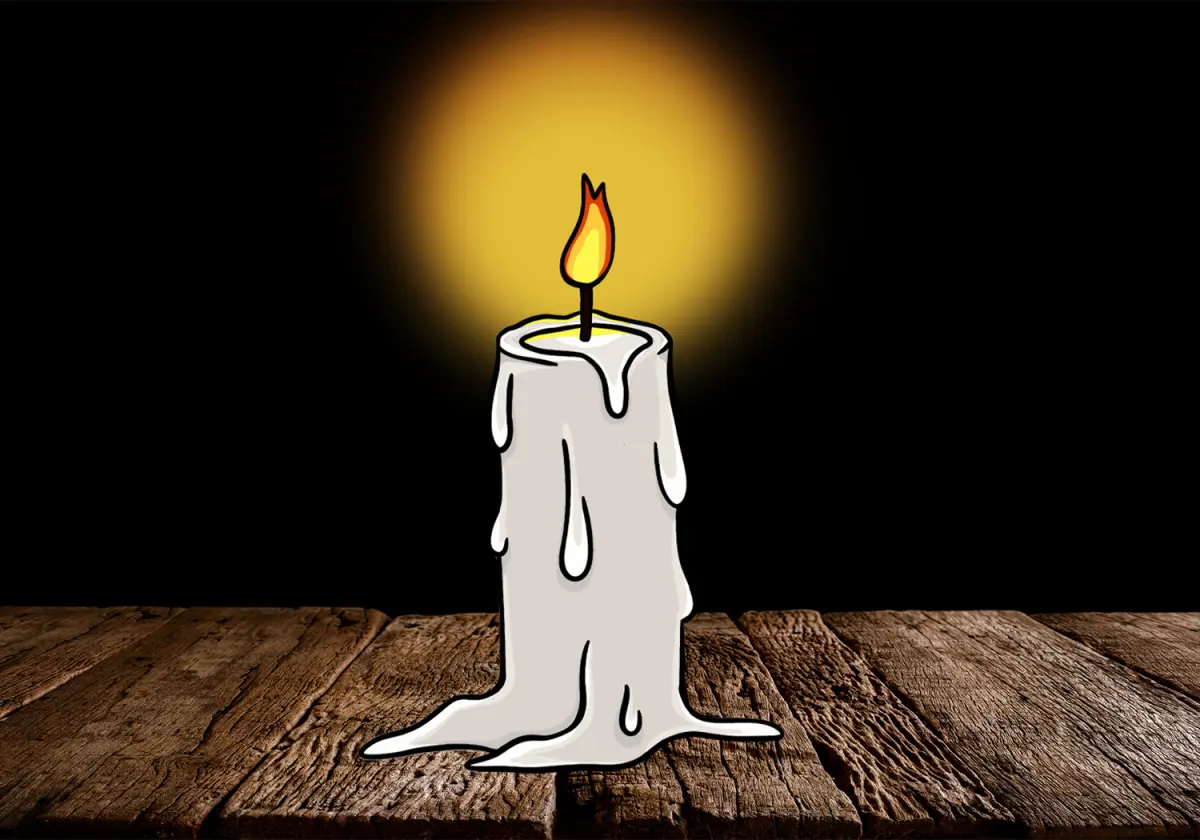
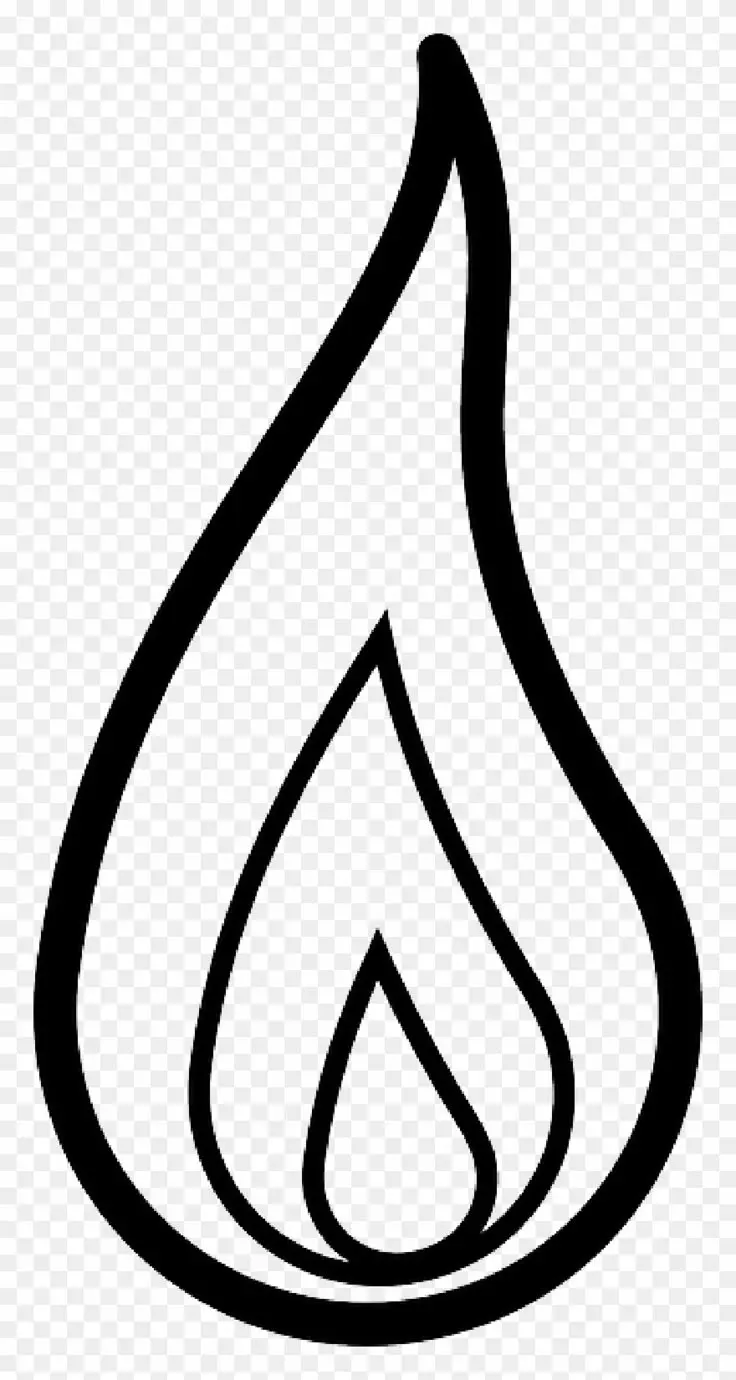
A candle flame is not a solid object, but a dynamic gas reaction. To draw it accurately, visualize a teardrop shape that is slightly wider at the base and tapers into a soft point at the top. The flame should never be perfectly symmetrical; a slight lean to one side suggests the influence of air currents, which adds realism to your artwork.
When mapping out your flame, use very light pencil strokes to establish the outer boundary. You can divide the flame into three distinct zones to help with shading later: the dark inner core near the wick, the bright yellow middle section, and the faint, translucent outer halo. Keeping these zones in mind prevents the flame from looking like a flat, solid shape on the page.
- Draw a vertical line to represent the wick.
- Outline a rounded teardrop shape around the wick.
- Add a smaller, inner teardrop shape near the bottom.
- Soften the edges of the outer shape to indicate a glow.
Best tools for drawing flames
To achieve the luminous quality of fire, you need tools that allow for smooth blending and layering. Soft-core colored pencils, pastels, or digital brushes with low opacity are ideal for this purpose. These mediums allow you to transition from deep oranges to pale yellows without creating harsh, distracting lines that break the illusion of light.
If you are using traditional media, a white gel pen or a kneaded eraser is essential for adding the final highlights. The core of a flame is often the brightest point, so lifting pigment away or adding a stark white accent creates a high-contrast focal point. Always work from your lightest colors to your darkest, as layering light over dark is significantly more difficult in most drawing mediums.
- Use a hard graphite pencil for the initial light sketch.
- Select a range of yellows, oranges, and reds.
- Keep a blending stump or cotton swab nearby for smooth transitions.
- Utilize a white gel pen for the sharpest highlights.
Why flames appear to have colors
The color of a candle flame is determined by the temperature of the combustion process. The base of the flame, closest to the wick, is often blue or deep violet because that is where the oxygen supply is most restricted and the temperature is highest. As the gases rise and mix with more oxygen, the flame turns yellow, orange, and eventually red at the cooler, outer edges.
Understanding this scientific progression helps you choose the right colors for your drawing. Many beginners make the mistake of using only yellow, which makes the flame look static and two-dimensional. By incorporating a thin sliver of blue at the very base and deep red at the tip, you provide the depth necessary to make the flame appear to be actively burning and consuming fuel.
Common mistakes when drawing fire
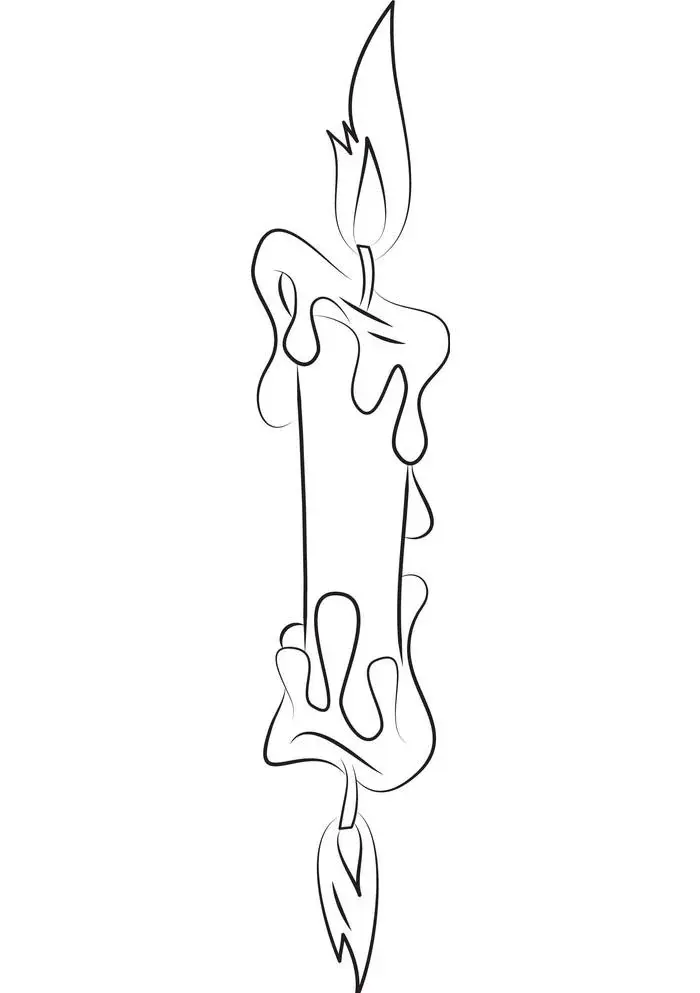
One of the most frequent errors is drawing a flame with hard, rigid outlines. Fire is a fluid, gaseous entity, and its edges should be soft and slightly blurred. If you draw a solid black line around the perimeter of your flame, it will look like a cutout piece of paper rather than a source of light. Instead, use color transitions to define the edges.
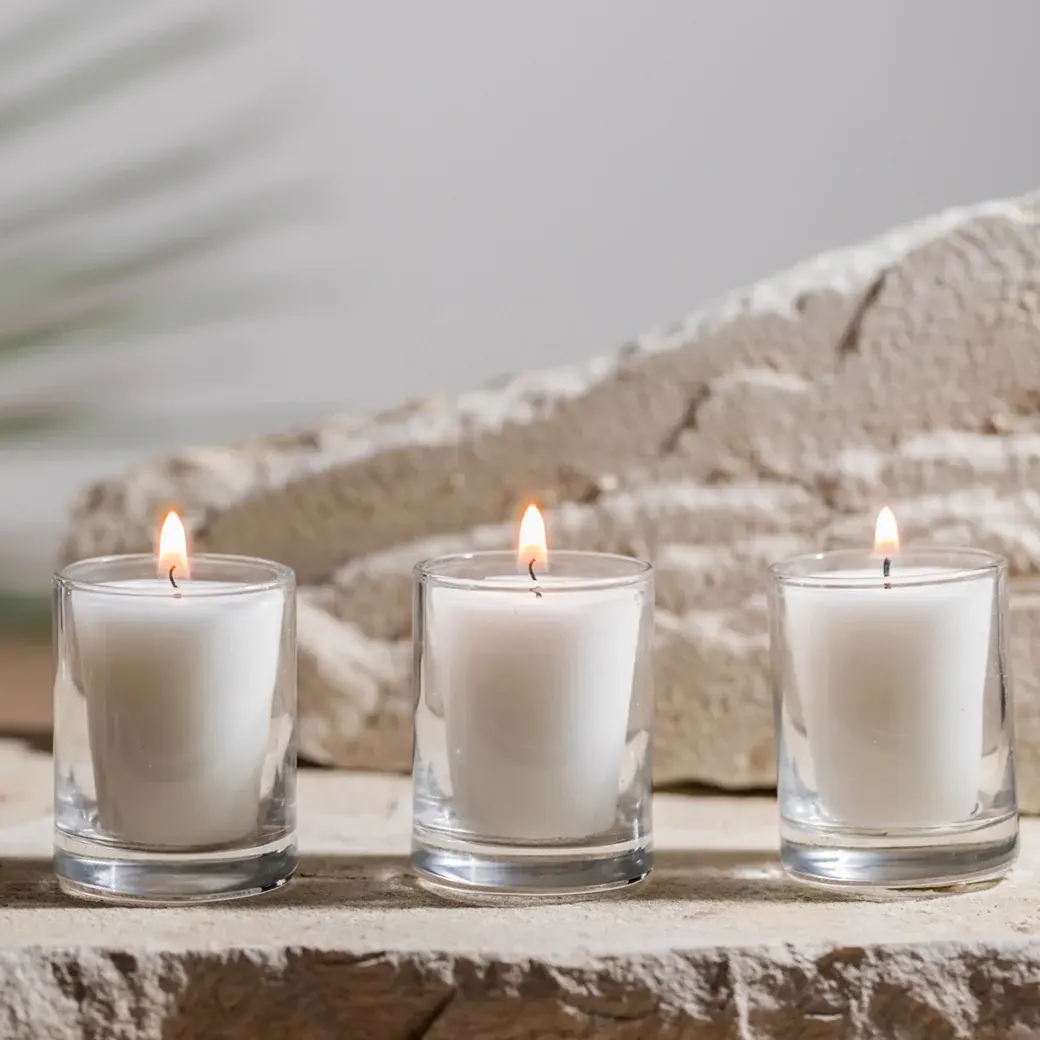
Another mistake is ignoring the interaction between the flame and the surrounding environment. A flame casts light onto the wick and the candle body, creating subtle highlights and shadows. If you draw a bright flame but leave the candle base completely dark, the drawing will lack cohesion. Always consider where the light is falling and how it reflects off the wax below the wick.
- Avoid using black for the flame's outline.
- Do not make the flame perfectly symmetrical.
- Ensure the wick is drawn as a dark, charred vertical element.
- Remember to add a soft glow to the area immediately surrounding the flame.
How to add realistic movement
To make your flame look alive, focus on the irregular nature of the flicker. Instead of a smooth, uniform curve, use small, jagged strokes to represent the way the flame dances in the air. Adding a slight "S" curve to the top of the flame suggests that it is reacting to a gentle draft, which adds a sense of narrative and atmosphere to your composition.
Finally, consider the context of your light source. If the flame is the only source of light in your drawing, the shadows on nearby objects should be deep and sharp. If there is ambient light, the flame's glow will be more subtle. By carefully controlling the contrast between the brightness of the flame and the darkness of the surrounding shadows, you create a believable, glowing effect that draws the viewer's eye directly to the center of your work.
Key facts
- A candle flame consists of three distinct zones: the dark inner zone, the bright yellow luminous zone, and the faint blue base.
- The hottest part of a candle flame is the outer edge of the luminous zone, reaching temperatures around 1,400 degrees Celsius.
- To draw a flame, start with a teardrop shape that is wider at the bottom and tapers to a point at the top.
- Use a gradient of colors, placing white or pale yellow in the center and transitioning to orange and red toward the edges.
- Avoid drawing a perfectly symmetrical flame, as natural convection currents cause flames to flicker and tilt unpredictably.
- Adding a subtle "halo" or glow effect around the flame creates the illusion of light radiating into the surrounding space.
The bottom line
Drawing a realistic candle flame requires observing the subtle color transitions from the cool blue base to the vibrant yellow and orange core. By layering colors and avoiding rigid outlines, you can capture the transient nature of light. Remember that flames are never perfectly still; introducing slight asymmetries and soft, glowing edges will provide the depth necessary to make your illustration feel truly alive and authentic.
People also ask
Why is the base of a candle flame blue?
The blue base represents the area where oxygen is most abundant, leading to complete combustion of the fuel. This region is typically cooler than the bright yellow luminous zone above it.
Should I use black to outline a flame?
Avoid using black outlines, as they make the flame look flat and artificial. Instead, use soft transitions of color to define the edges, which mimics the way light diffuses in reality.
How do I make a flame look like it is flickering?
Draw the flame with an asymmetrical, slightly curved tip to suggest movement. Adding faint, wispy shapes near the top helps indicate the path of rising hot gases.
What is the purpose of the dark area around the wick?
The dark inner zone contains unburnt wax vapor that has not yet reacted with oxygen. Drawing this area as a darker, cooler color helps create depth and realism in your artwork.
How do I show the light reflecting on nearby objects?
Apply a light wash of yellow or orange on the surfaces closest to the candle. Keep these highlights soft and diffused to represent the gentle illumination of a flame.
Why do flames change shape when there is a draft?
Air currents disrupt the steady flow of oxygen, causing the flame to lean or oscillate. Incorporating these tilts into your drawing adds a sense of atmosphere and environmental context.
This answer was created with the help of AI research tools and reference sources. Spotted an error? Let us know — we correct mistakes quickly. See our editorial policy.