Why do my drawings look childish?
Short answer
Drawings often look childish because they rely on symbolic representation rather than observation. Instead of drawing what you actually see, your brain uses simplified icons—like a circle for a head or a stick for an arm—to categorize objects. Improving requires shifting your focus from conceptualizing shapes to analyzing light, shadow, and perspective.
On this page
Why do my drawings look childish?
The primary reason drawings appear childlike is the reliance on "schema," which are mental shortcuts the brain uses to represent complex objects. When you draw a house, you likely draw a square with a triangle on top because that is the abstract concept of a house, not the specific visual reality. This symbolic shorthand ignores depth, texture, and the way light interacts with surfaces, resulting in flat, iconic imagery.
To move beyond this, you must learn to suppress your brain's internal labeling system. When you look at an object, your brain wants to identify it as "a tree" or "a face," which triggers these simplified symbols. Instead, you must train yourself to see lines, angles, and negative spaces. By focusing on the physical relationships between points rather than the object's identity, you begin to capture the nuance that distinguishes professional work from amateur sketches.
How to draw more realistically
Achieving realism requires a fundamental shift in how you process visual information. You must stop drawing from your imagination and start drawing from direct observation. This involves measuring proportions, identifying the direction of light, and understanding how objects occupy three-dimensional space. Practice these techniques to break the cycle of symbolic drawing:
- Use a viewfinder to isolate your subject and simplify the composition.
- Practice contour drawing, where you keep your eyes on the object and only glance at your paper.
- Identify the "negative space" around an object, as this often reveals the true shape more accurately than the object itself.
- Use a plumb line or a pencil held at arm's length to measure relative angles and distances between features.
Common mistakes when learning to draw
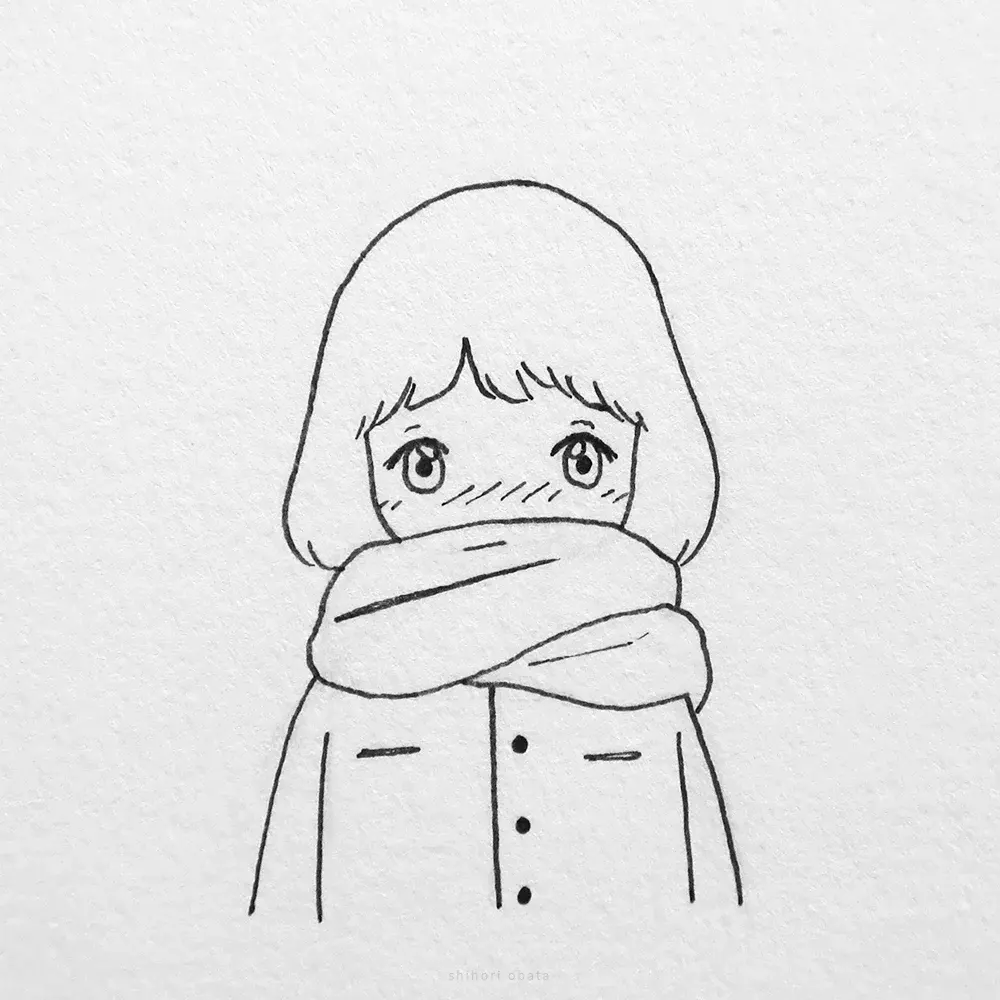
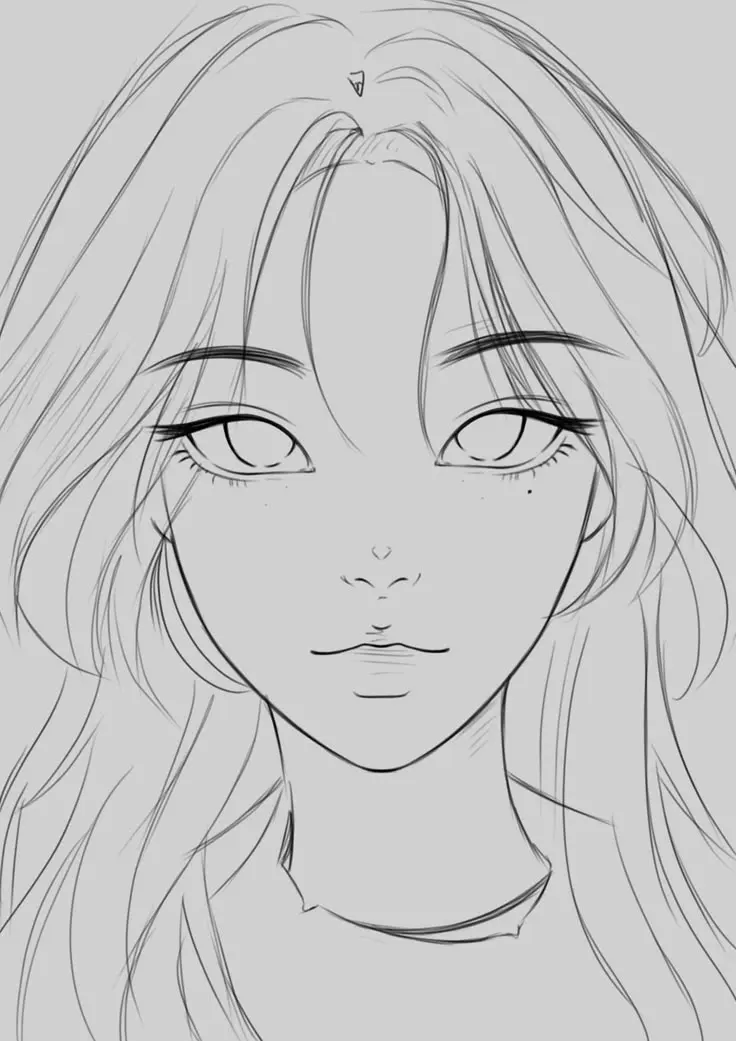
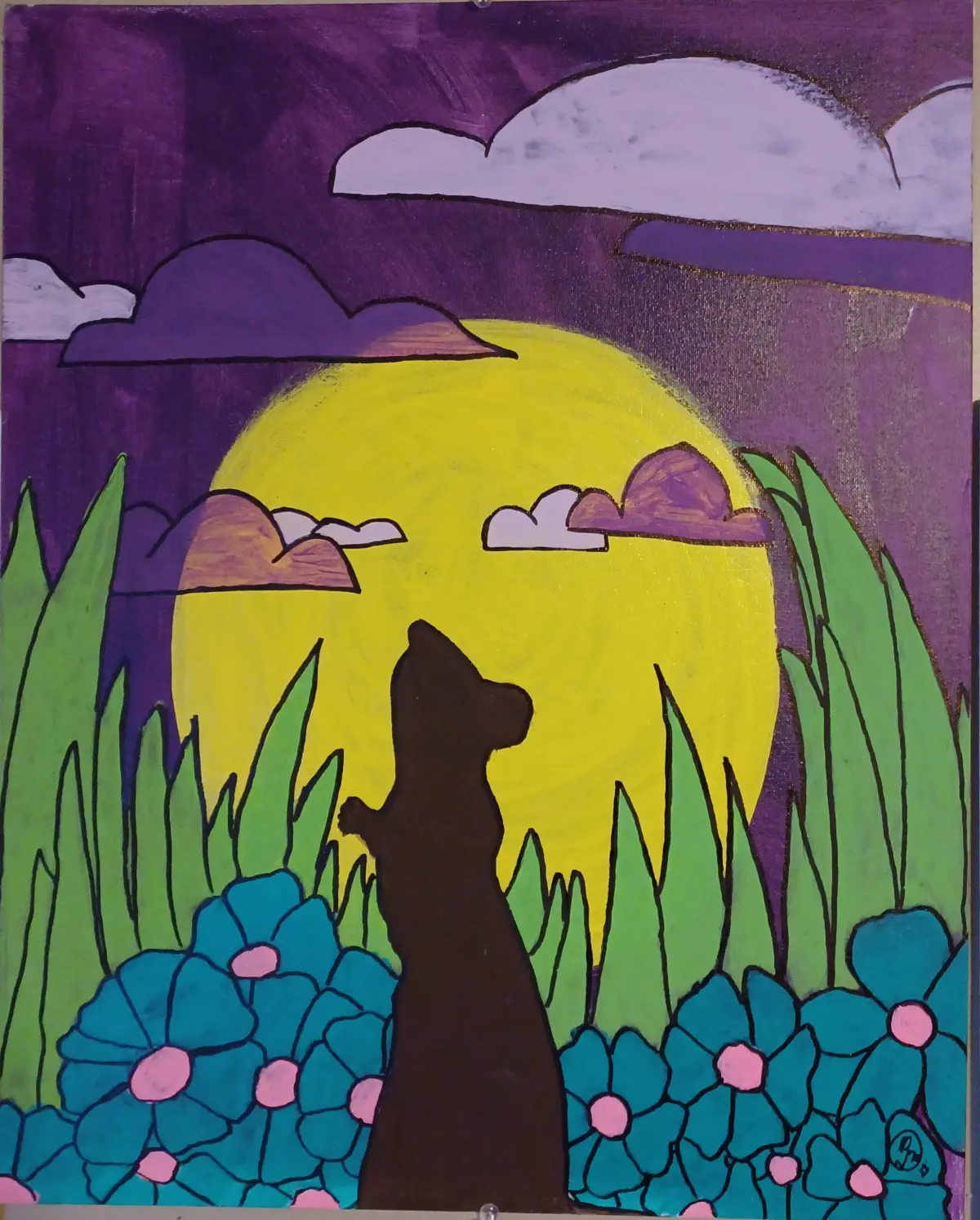
Many beginners fall into the trap of using heavy, continuous outlines for every object. In reality, nature rarely features hard, black outlines; instead, objects are defined by changes in color, value, and texture. When you outline everything, you flatten your subject and emphasize the "cartoonish" quality of the drawing. Focus instead on "edge control," where some parts of the object are sharp and others blur into the background.
Another frequent error is the neglect of value, which is the range of light to dark. Beginners often use a limited range of gray, resulting in drawings that appear washed out or muddy. To fix this, aim for a full spectrum of values, including deep, rich blacks and crisp, white highlights. Adding a strong light source will naturally create shadows, which provide the necessary volume to make your drawings feel solid and three-dimensional rather than flat and symbolic.
Best exercises for beginners
Consistent practice is the only way to refine your hand-eye coordination and visual perception. Start by dedicating time to "blind contour" drawing, which forces your brain to sync with your hand's movement. You should also practice gesture drawing, which involves capturing the movement and energy of a subject in under two minutes. These exercises prevent you from getting bogged down in details and help you understand the core structure of your subject.
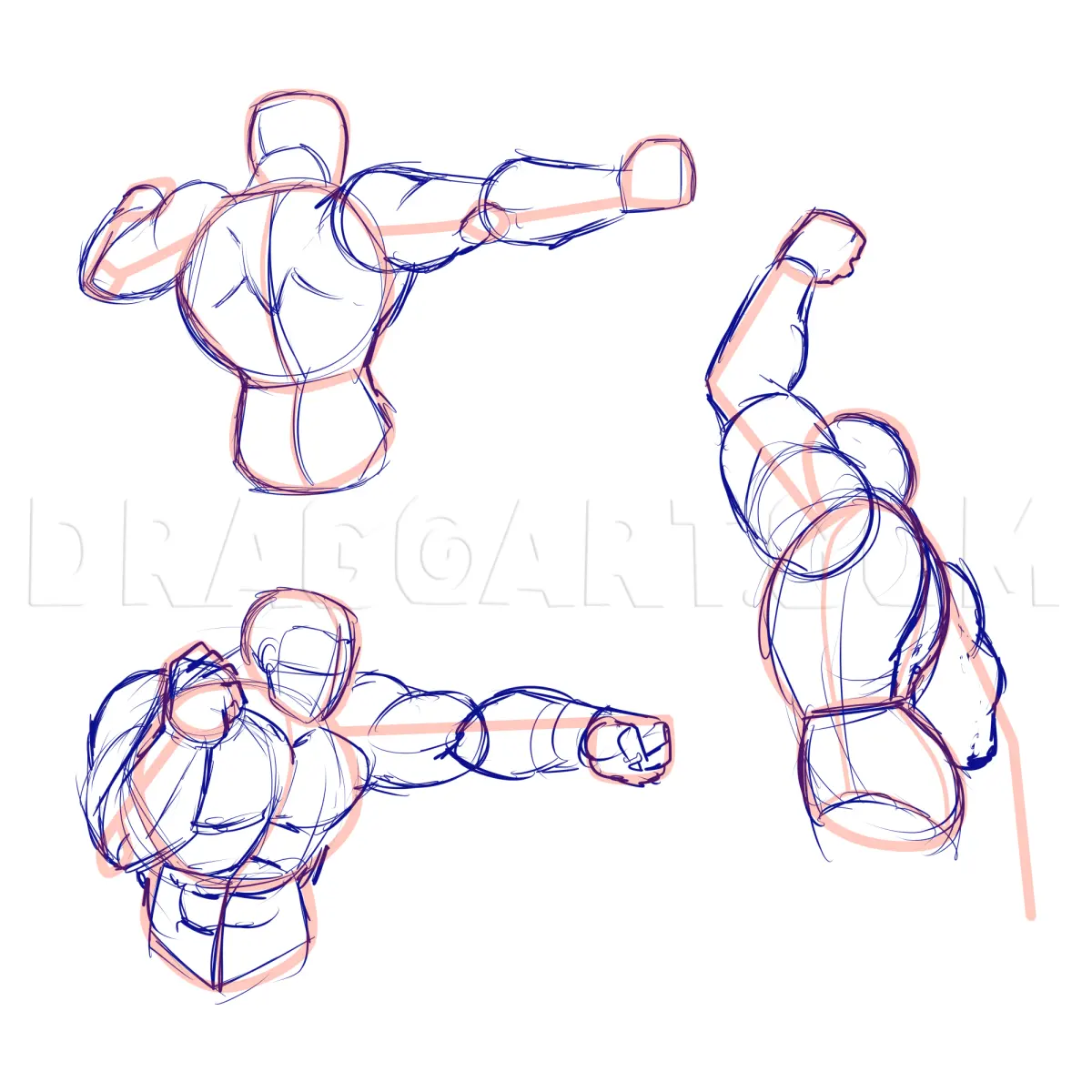
- Study anatomy basics to understand how joints and muscles dictate the shape of limbs.
- Practice perspective drawing by using a horizon line and vanishing points to create depth.
- Sketch simple geometric forms like spheres, cubes, and cylinders to master how light hits different surfaces.
- Copy master drawings from artists like Leonardo da Vinci or John Singer Sargent to observe their line quality and shading techniques.
How long does it take to get better?
Improvement in drawing is a gradual process that depends more on the quality of your practice than the quantity of hours spent. Most students notice a significant shift in their ability to perceive light and shadow after three to six months of daily, intentional practice. However, mastering complex subjects like human anatomy or intricate perspective can take years of consistent study. Do not be discouraged by slow progress, as the development of artistic vision is a lifelong pursuit.
To track your growth, keep a sketchbook and date every entry. You will likely find that your early drawings look stiff, while your later work begins to show more confidence and fluidity. By comparing your current work to your past efforts, you can identify specific areas that need more attention, such as foreshortening or texture rendering. Stay patient and focus on the joy of observation, as this mindset will ultimately lead to more sophisticated and expressive drawings over time.
Key facts
- Beginners often draw symbols—like a circle for an eye—instead of observing the actual shapes, shadows, and contours of the subject.
- Lack of tonal range results in flat drawings; using a full spectrum from pure white to deep black creates the illusion of three-dimensional volume.
- Proportions are frequently distorted because artists draw what they think they see rather than measuring relative distances between landmarks.
- Neglecting negative space, the empty areas around an object, prevents accurate rendering of complex silhouettes and shapes.
- Over-reliance on hard, dark outlines makes drawings look like coloring book pages; soft edges and varied line weights add sophistication.
- Consistent practice of "blind contour drawing," where you draw without looking at the paper, forces the brain to coordinate hand-eye observation.
The bottom line
Drawings often appear childish because artists rely on mental symbols rather than objective observation. By shifting your focus toward measuring proportions, mastering light and shadow, and prioritizing structural accuracy over fine detail, you can elevate your work significantly. Consistent practice of fundamental techniques, such as identifying negative space and varying line weights, will replace simplistic habits with a sophisticated, professional aesthetic that conveys depth and realism.
People also ask
Does using expensive art supplies help improve drawing quality?
High-quality materials can make the process more enjoyable, but they do not teach fundamental skills. Mastery comes from understanding light, form, and perspective, which can be achieved with a simple pencil and scrap paper.
How long does it take to stop drawing in a "childish" style?
Improvement depends on the frequency of deliberate practice rather than time alone. If you study anatomy, perspective, and value daily, you will likely see a significant shift in your technical proficiency within three to six months.
Is it necessary to learn how to draw realistically before trying other styles?
Learning realistic fundamentals provides a "visual vocabulary" that allows you to distort or stylize subjects intentionally. Without these base skills, your abstraction may look accidental rather than like a deliberate artistic choice.
Why do my drawings look warped or lopsided?
This usually happens because you are focusing on individual details rather than the overall structure. Try flipping your drawing upside down while working; this forces your brain to see abstract shapes and lines instead of recognizable objects.
Should I use a grid to help with my proportions?
Grids are an excellent tool for beginners to learn how to map out complex subjects accurately. Using a grid helps you understand how features relate to one another spatially before you begin shading or detailing.
What is the biggest mistake beginners make when shading?
Many beginners smudge their graphite with their fingers, which creates a muddy, gray appearance. Instead, use cross-hatching or controlled pencil strokes to build up values, keeping the drawing crisp and professional.
This answer was created with the help of AI research tools and reference sources. Spotted an error? Let us know — we correct mistakes quickly. See our editorial policy.