What is zentangle?
Short answer
Zentangle is an easy-to-learn, meditative art form that uses structured, repetitive patterns to create beautiful images. Developed in 2003 by Rick Roberts and Maria Thomas, the method emphasizes the process of drawing over the final result. By focusing on one stroke at a time, practitioners achieve a state of relaxed, creative focus.
On this page
What is the Zentangle method?
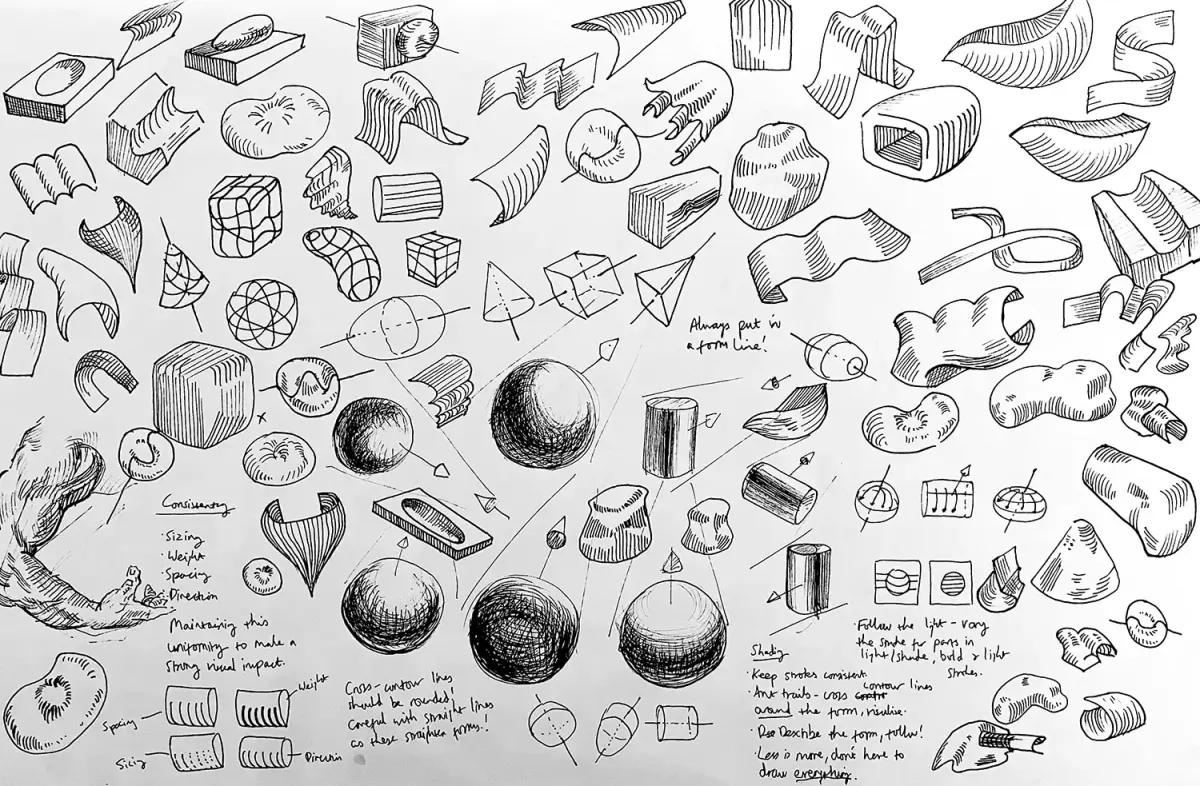
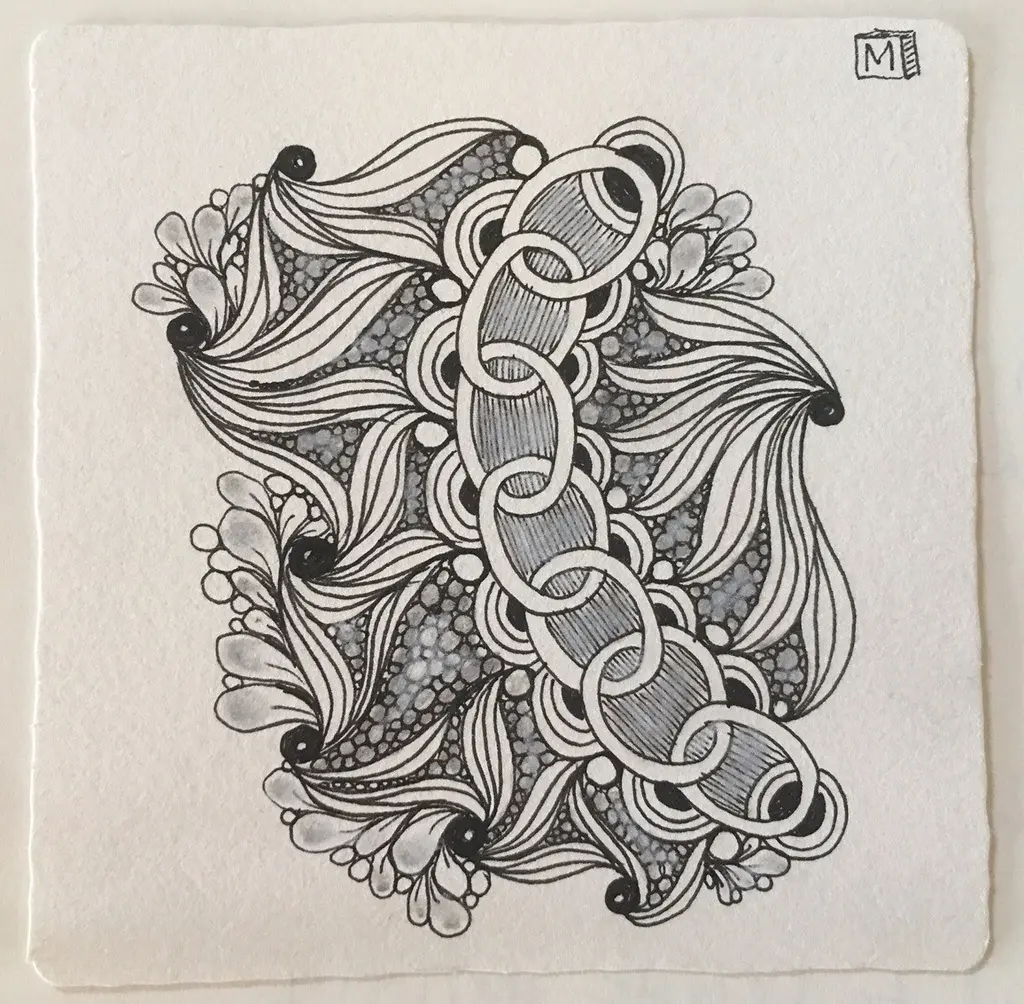
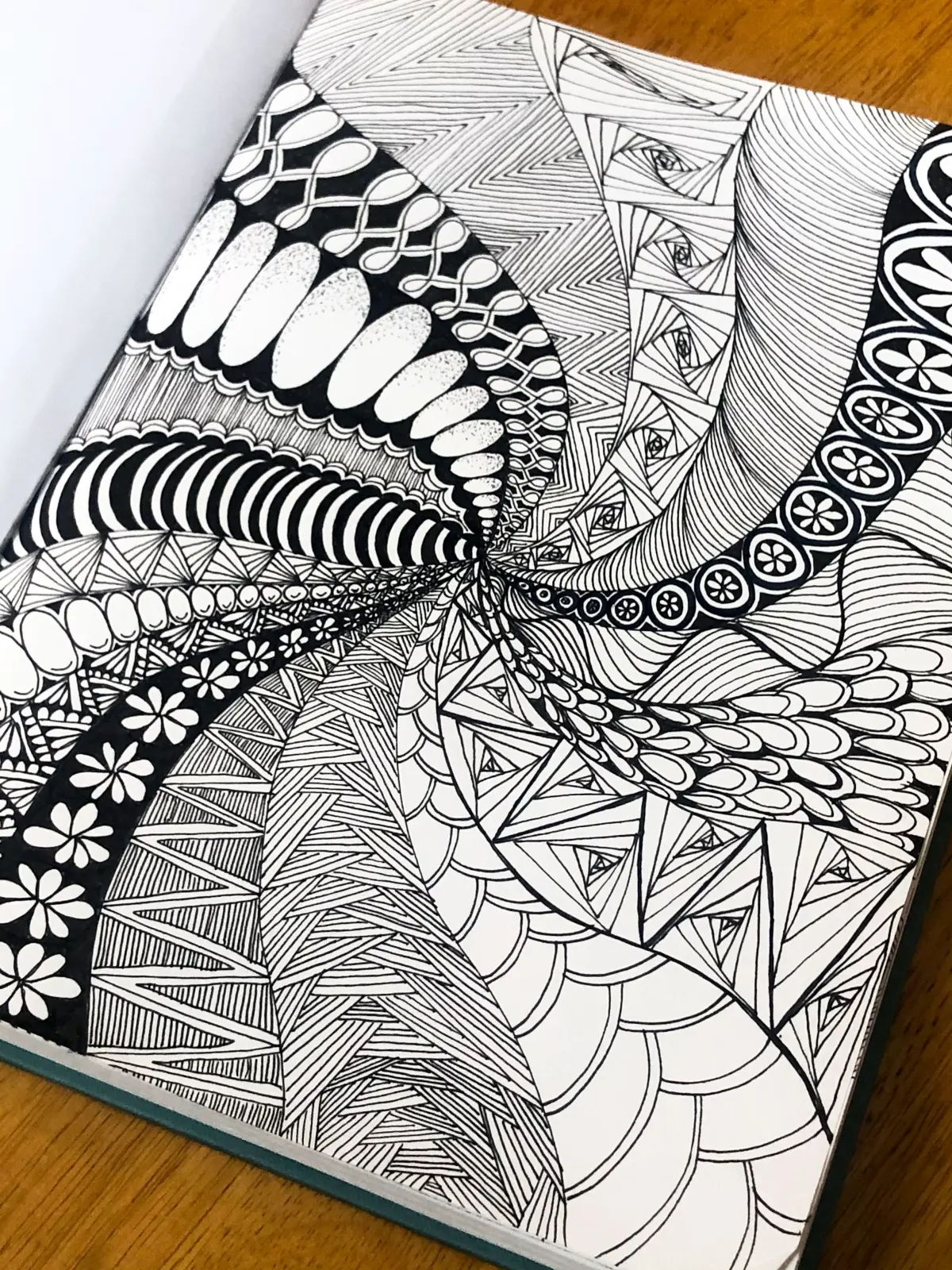
The Zentangle method is a deliberate artistic practice that transforms simple strokes into complex, abstract designs. Unlike traditional drawing, which often focuses on representing real-world objects, Zentangle is non-representational and unplanned. Practitioners work on small, square pieces of high-quality paper known as "tiles," typically measuring 3.5 inches by 3.5 inches. The core philosophy is that anyone can create art by breaking down intricate patterns into basic components like dots, lines, curves, and circles.
This technique is designed to be accessible to everyone, regardless of prior artistic experience. Because there is no "correct" way for a design to look, the pressure to produce a masterpiece is removed. This lack of expectation encourages a state of mindfulness, often described as "zen." By focusing entirely on the placement of each individual stroke, participants find that the practice helps reduce stress and improves concentration. It is a portable, low-cost activity that requires very little equipment to get started.
How to get started with Zentangle
To begin your first tile, you only need a few essential supplies. Most practitioners prefer archival-quality pigment pens, such as a black 01 Sakura Pigma Micron, and a graphite pencil for shading. You will also need a "tortillon," which is a small paper stump used to smudge pencil marks and add depth to your drawing.
- Start by drawing a light pencil border on your paper tile to create a frame.
- Use your pencil to draw a "string," which is a light, wavy line that divides the tile into various sections.
- Choose a pattern, or "tangle," and fill one section of the string with it, repeating the pattern until the space is full.
- Rotate your tile as you work to keep your hand in a comfortable position.
- Once the tile is filled, use your pencil to add shading along the edges of your patterns to create a three-dimensional effect.
- Use the tortillon to soften the graphite, then sign your work on the front or back.
Best supplies for beginners
While you can practice on any scrap of paper, using high-quality materials enhances the experience significantly. Professional Zentangle tiles are made from heavy, textured cotton paper that holds ink beautifully without bleeding. These tiles are specifically designed to provide a pleasant tactile sensation as the pen glides across the surface. Investing in a dedicated starter kit is the most reliable way to ensure you have the correct tools for success.
- Sakura Pigma Micron pens (size 01 is the industry standard for fine lines).
- 3.5-inch square heavy-weight cotton tiles.
- A soft 2B graphite pencil for shading.
- A paper tortillon for blending graphite.
- A small carrying case to keep your supplies organized and portable.
Beginners should avoid using standard printer paper, as it is often too thin and smooth, which can cause ink to feather or skip. High-quality paper provides the necessary "tooth" or texture that makes the drawing process feel deliberate and controlled.
Why do people practice Zentangle?
Many individuals are drawn to Zentangle because it serves as a form of active meditation. The repetitive nature of drawing patterns allows the mind to enter a "flow state," where external worries fade away and the practitioner becomes fully immersed in the present moment. This process is particularly effective for those who struggle with traditional meditation, as the physical act of drawing provides a concrete anchor for the mind. It is a quiet, solitary activity that can be done anywhere, from a busy office to a quiet living room.
Beyond the mental health benefits, the practice fosters a sense of accomplishment. Because each tile is completed in a relatively short amount of time, it provides a frequent sense of closure and success. Many people find that their confidence in their own creativity grows as they realize they are capable of producing intricate, professional-looking art. Over time, the practice can lead to improved fine motor skills and a greater appreciation for the small, beautiful details found in everyday life.
Common mistakes when drawing Zentangle
One of the most common errors beginners make is trying to plan the final image before they start. Zentangle is meant to be an intuitive process; if you worry about how the finished tile will look, you lose the meditative benefit of the practice. Another mistake is drawing too quickly. The goal is to savor each stroke, paying attention to the way the ink touches the paper. If you find yourself rushing, take a deep breath and slow down your hand movements to match your breathing.
- Over-complicating the "string" by making it too complex, which leaves little room for the actual patterns.
- Pressing too hard with the pen, which can cause hand fatigue and prevent smooth, flowing lines.
- Forgetting to shade, which leaves the drawing looking flat and unfinished.
- Comparing your work to others, which discourages individual expression and creative growth.
- Using too many different patterns on a single small tile, which can make the final result look cluttered.
Remember that there are no mistakes in Zentangle, only opportunities to incorporate a "glitch" into a new, unexpected pattern. By embracing the imperfections of your hand-drawn lines, you develop a unique style that reflects your own personal journey and artistic voice.
Key facts
- Zentangle is a meditative art form created in 2003 by Rick Roberts and Maria Thomas.
- The practice uses repetitive, structured patterns called "tangles" to create intricate images.
- Standard Zentangle tiles are square pieces of high-quality paper measuring exactly 3.5 inches by 3.5 inches.
- The method intentionally avoids erasers, emphasizing that there are no mistakes, only opportunities for new patterns.
- Practitioners typically use archival-quality black ink pens on white paper to maintain a high-contrast, minimalist aesthetic.
- The process is designed to be accessible to anyone, regardless of artistic background, by focusing on the act of drawing rather than the final result.
The bottom line
Zentangle is more than just a drawing technique; it is a meditative practice that fosters relaxation and focus through repetitive, structured patterns. By removing the pressure to produce "perfect" art, it allows individuals of all skill levels to experience the therapeutic benefits of creativity. Whether you are seeking stress relief or a new hobby, this accessible method turns simple pen strokes into beautiful, complex works of art.
People also ask
Is Zentangle the same as doodling?
While both involve drawing, Zentangle is a structured, intentional method that focuses on mindfulness and specific patterns. Doodling is usually an unconscious activity done while distracted, whereas Zentangle requires focused attention on each stroke.
Do I need expensive art supplies to start?
You only need a pen, a pencil for light shading, and a small piece of paper to begin. While official kits exist, the core philosophy emphasizes using simple, accessible tools to remove barriers to creativity.
How long does it take to complete a tile?
A typical Zentangle tile usually takes between 15 and 30 minutes to complete. Because the method is modular, you can stop at any point and resume later without losing your place.
Can children practice Zentangle?
Yes, Zentangle is widely used in classrooms to help children improve focus, fine motor skills, and self-confidence. The non-judgmental nature of the practice helps students overcome the fear of making errors.
What is the purpose of the pencil shading step?
Shading adds depth, dimension, and a three-dimensional appearance to flat ink drawings. It transforms simple line patterns into complex, tactile-looking compositions by creating light and shadow.
Are there specific rules I must follow?
The method follows eight steps, including gratitude, corner dots, a border, and string lines to divide the space. Following these steps helps create a sense of structure that reduces the anxiety of staring at a blank page.
This answer was created with the help of AI research tools and reference sources. Spotted an error? Let us know — we correct mistakes quickly. See our editorial policy.