What is wildlife photography?
Short answer
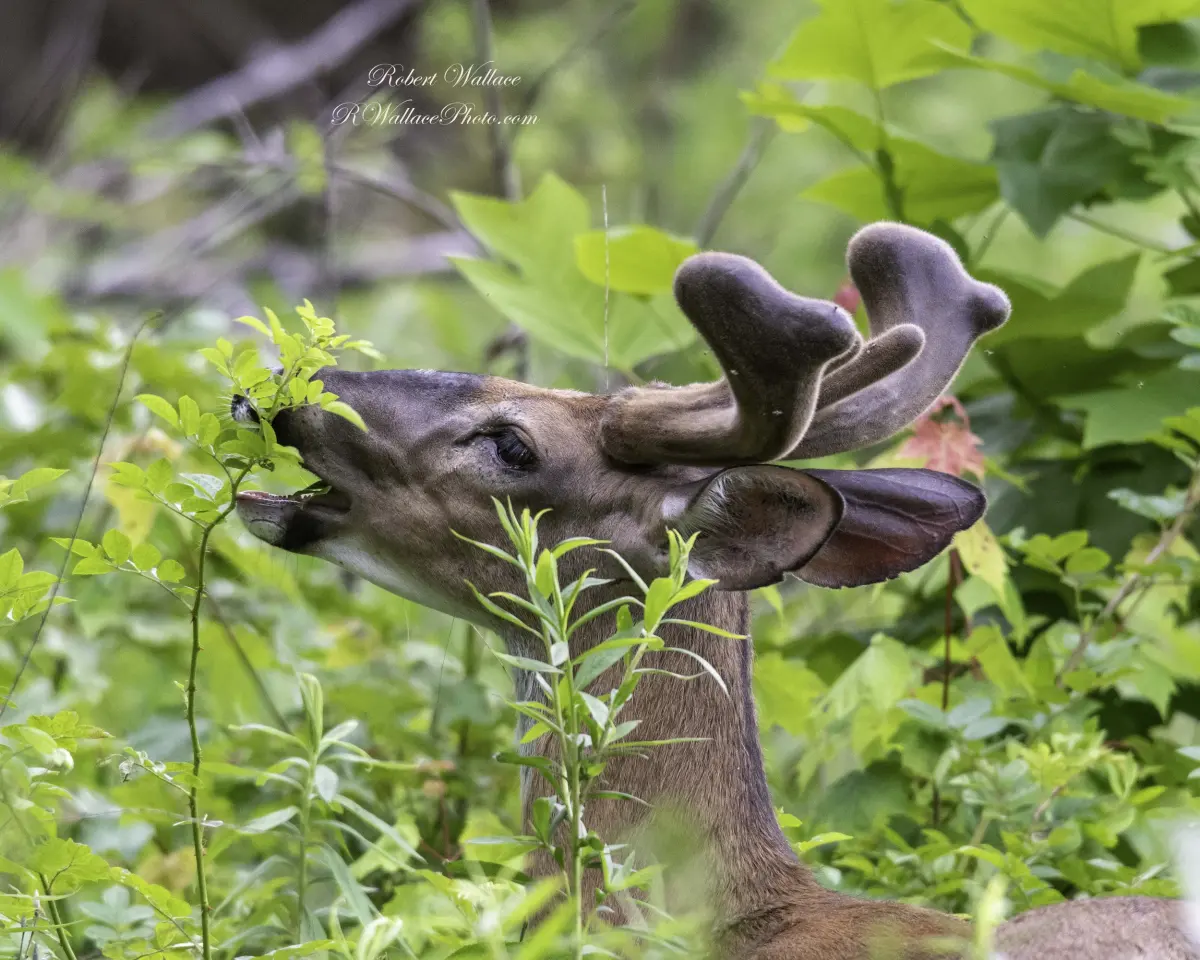
Wildlife photography is the practice of documenting animals in their natural habitats. It requires patience, technical skill, and deep knowledge of animal behavior to capture authentic images. Beyond mere aesthetics, this discipline serves as a vital tool for conservation, scientific research, and public education regarding the fragile state of global ecosystems.
On this page
What equipment is needed for wildlife photography?
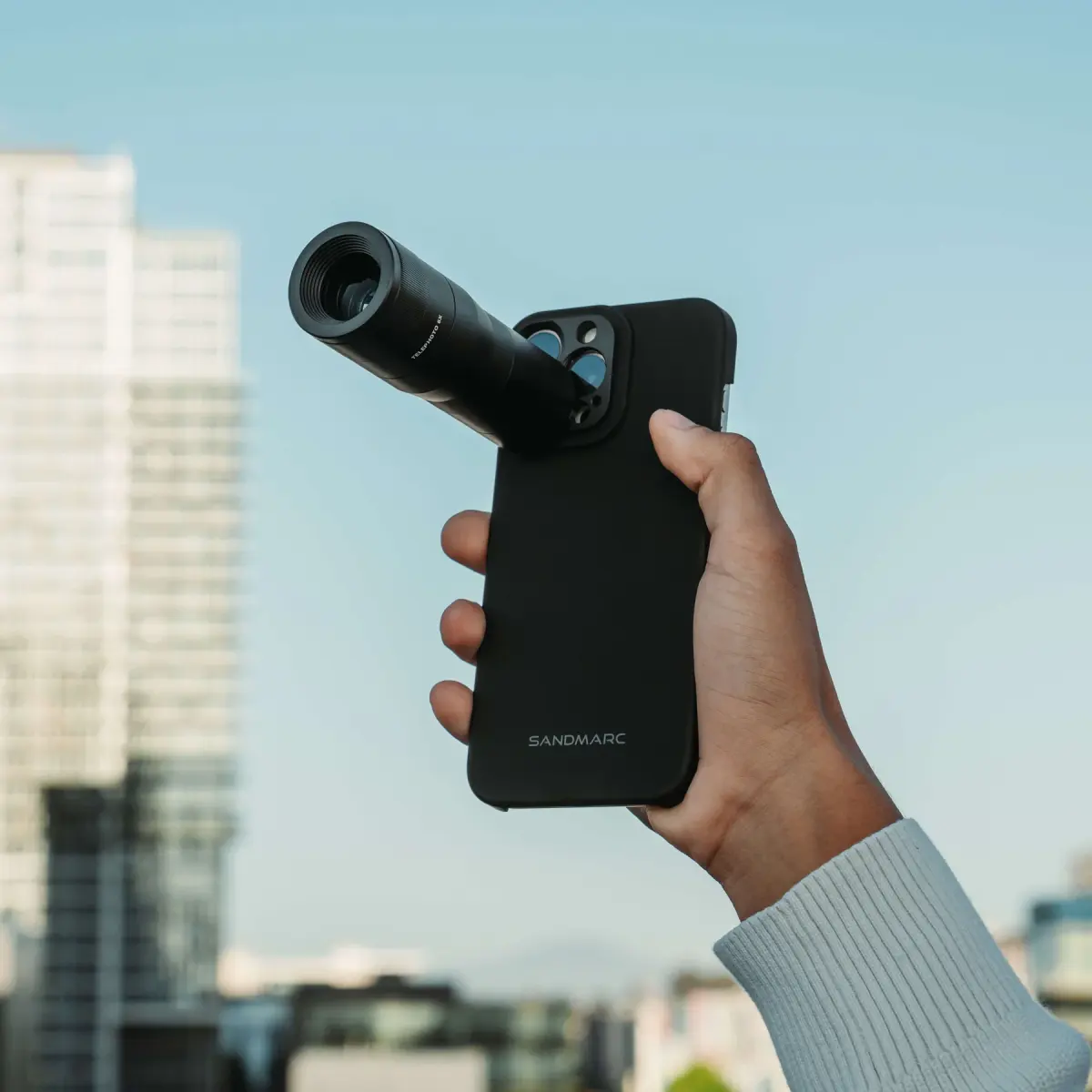
To capture high-quality images of elusive subjects, you need gear that offers speed, reach, and durability. The most essential component is a telephoto lens, typically ranging from 300mm to 600mm, which allows you to photograph animals from a safe, non-intrusive distance. A camera body with a fast continuous shooting rate—measured in frames per second—is crucial for freezing rapid movements like a bird in flight or a predator in mid-stride.
Beyond the camera and lens, stability and protection are paramount. A sturdy tripod or monopod helps eliminate camera shake, especially when using heavy telephoto glass. Weather-sealed gear is highly recommended, as wildlife photographers often operate in harsh environments, from humid rainforests to freezing tundras. Consider these essential items:
- A telephoto lens with image stabilization.
- A camera body with a high-performance autofocus system.
- A lightweight, weather-resistant tripod.
- Extra high-capacity memory cards and spare batteries.
- A camouflage rain cover to protect equipment and blend into the surroundings.
How to find wildlife for photography?
Successful wildlife photography begins with extensive research rather than just walking into the woods. You must study the specific species you intend to photograph, learning their migratory patterns, feeding times, and preferred habitats. Many professionals spend weeks scouting locations, identifying "hotspots" where animals congregate, such as watering holes, nesting sites, or seasonal migration corridors.
Once you have identified a location, observation becomes your primary tool. Animals are most active during the "golden hours," which occur shortly after sunrise and just before sunset. During these times, the light is soft and directional, which enhances the texture of fur or feathers. To increase your chances of a successful encounter, follow these steps:
- Research the animal's biology and daily activity cycles.
- Scout the location during off-peak hours to identify trails and signs.
- Arrive at your chosen spot well before dawn or late afternoon.
- Set up your position downwind to prevent your scent from reaching the animals.
- Remain stationary and quiet to allow the local wildlife to resume natural behaviors.
How to approach animals ethically?
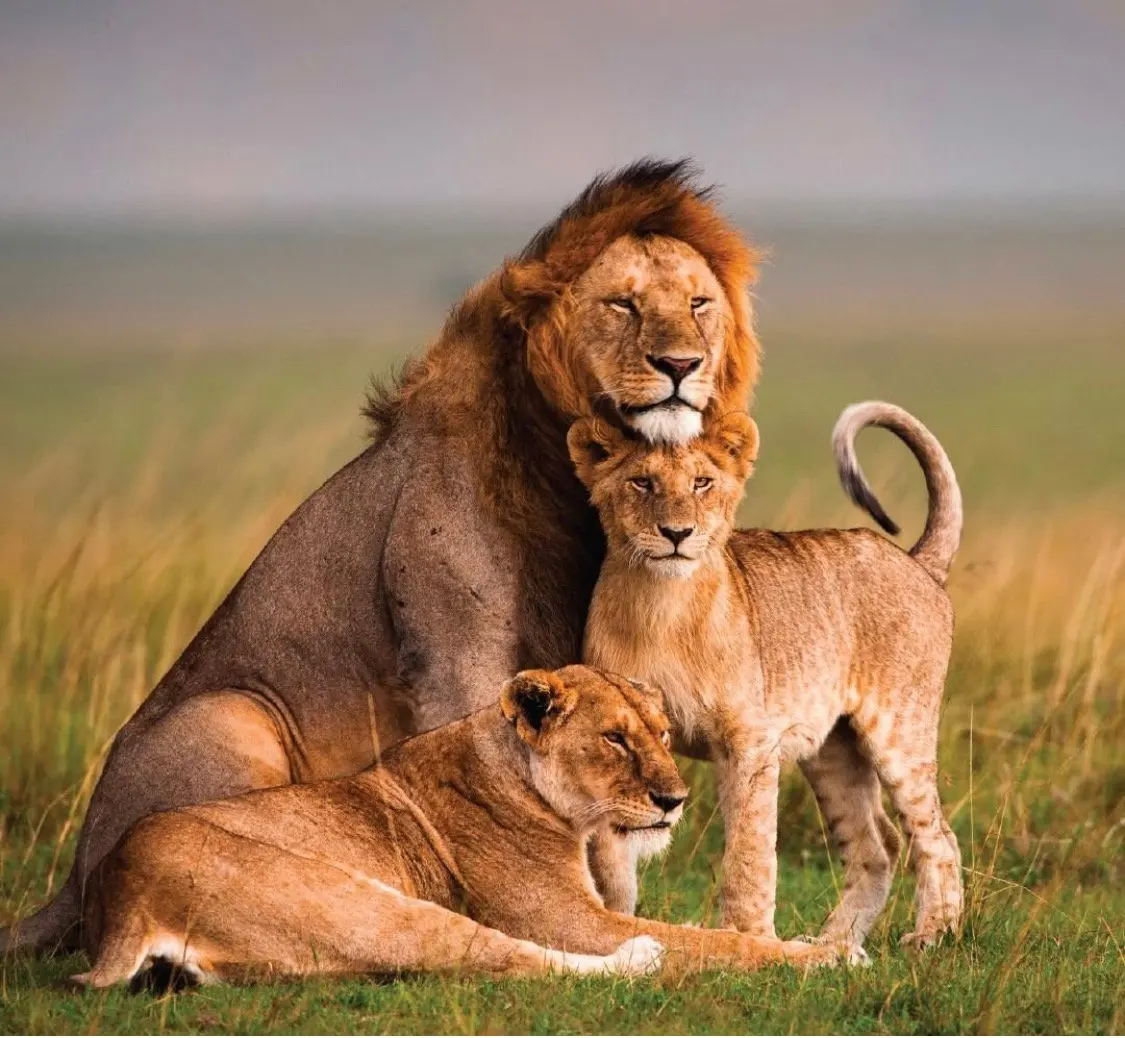
The welfare of the animal must always take precedence over getting the perfect shot. Ethical wildlife photography is defined by the "do no harm" principle, which means never altering an animal's natural behavior or path for the sake of a photograph. Baiting animals with food, using flash photography on sensitive species, or encroaching on nesting grounds can cause significant stress or even lead to the abandonment of young.
When you are in the field, use the zoom on your lens to maintain a respectful distance rather than physically moving closer. If an animal stops what it is doing, stares at you, or moves away, you are too close and must retreat. Respecting "no-go" zones and local park regulations is not just a matter of law, but a fundamental requirement for maintaining the integrity of the ecosystem. By prioritizing the animal's comfort, you ensure that the environment remains viable for future generations of photographers and, more importantly, for the wildlife itself.
Common mistakes when starting wildlife photography?
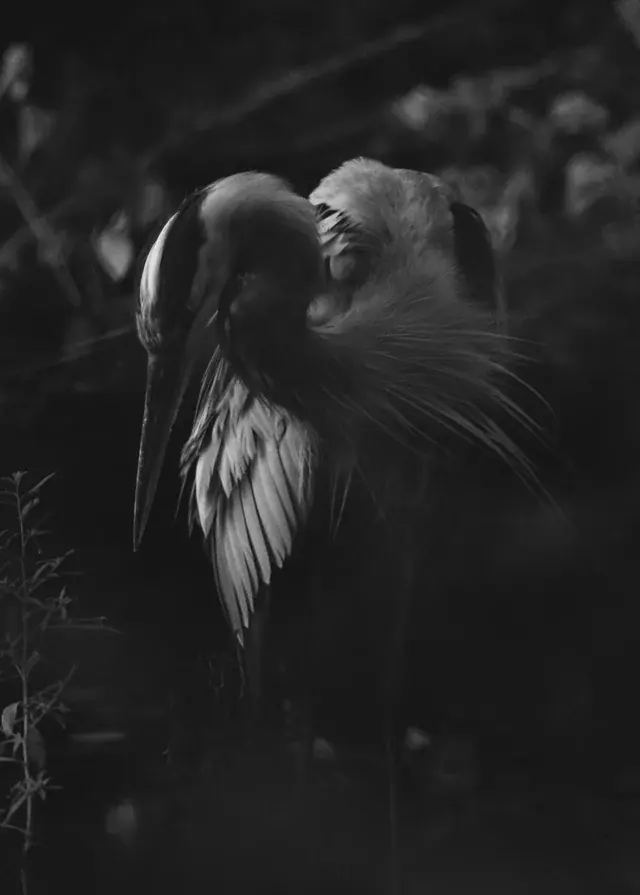
Many beginners fail because they prioritize gear over field craft. A common error is attempting to track moving subjects using a narrow focus point, which often leads to blurred images. Instead, learn to use your camera’s "back-button focus" or zone-tracking modes, which allow the camera to lock onto a subject and follow it across the frame. Another frequent mistake is failing to check the background of the shot; a cluttered background with distracting branches or bright highlights can ruin an otherwise perfect composition.
Patience is often the missing ingredient for novices. Many photographers move too quickly, spooking animals before they can set up their equipment. Remember that wildlife photography is a game of probability; you might spend ten hours waiting for a single ten-second encounter. Avoid the following pitfalls to improve your success rate:
- Using a shutter speed that is too slow to freeze motion.
- Neglecting to check your histogram, leading to overexposed highlights.
- Making sudden, jerky movements that alert animals to your presence.
- Failing to research the specific legal and safety guidelines for the area.
- Over-editing photos to the point where they lose their natural, authentic appearance.
Why is patience the most important skill?
Wildlife photography is a test of endurance that rewards those who can remain still and observant for long periods. Unlike studio photography, where the environment is controlled, the natural world is unpredictable and indifferent to your schedule. You may wait all day for a specific behavior, such as a hunt or a courtship display, only for it to happen in a fraction of a second. Developing the mental discipline to stay focused during long, quiet hours is what separates a casual hobbyist from a professional.
Furthermore, patience allows you to become part of the environment. When you stop moving and remain silent, the local wildlife will eventually lose their fear of your presence and return to their natural routines. This is when the most authentic and compelling images are made. By embracing the stillness, you gain a deeper understanding of the natural world, which inevitably translates into more thoughtful and evocative photographs. The goal is not just to capture an image, but to tell a story about the life of the animal you are witnessing.
Key facts
- Wildlife photography focuses on documenting animals in their natural habitats rather than in controlled environments like zoos.
- A telephoto lens with a focal length of at least 300mm is generally required to capture detailed images from a safe distance.
- Ethical standards dictate that the welfare of the animal must always take precedence over getting the perfect shot.
- Patience is the most critical skill, as photographers often wait hours or days for a subject to appear.
- Shutter speeds of 1/1000th of a second or faster are typically necessary to freeze the movement of active wildlife.
- Researching animal behavior beforehand helps photographers predict movements and position themselves for better compositions.
The bottom line
Wildlife photography is a rewarding pursuit that combines technical skill with a deep appreciation for the natural world. By prioritizing animal welfare, mastering camera settings like shutter speed, and practicing patience, you can capture compelling stories of life in the wild. Success relies less on expensive equipment and more on your ability to observe behavior, respect the environment, and wait for the perfect, fleeting moment.
People also ask
What is the best time of day to photograph wildlife?
The "golden hours"—the periods shortly after sunrise and just before sunset—provide the softest, most flattering light. Animals are also most active during these times, as they forage or hunt while temperatures are moderate.
Do I need expensive professional equipment to start?
While high-end cameras and lenses offer better performance in low light, you can start with a basic DSLR or mirrorless camera and a zoom lens. Learning the fundamentals of light, composition, and animal behavior is more important than owning the most expensive gear.
How can I avoid disturbing the animals I am photographing?
Maintain a respectful distance and use a blind or camouflage to hide your presence. Never attempt to feed, bait, or call out to animals, as this alters their natural behavior and can cause them unnecessary stress.
What is the "Rule of Thirds" in wildlife photography?
This composition technique involves placing the animal’s eye or the subject along the lines or intersections of a grid that divides the frame into nine equal parts. It creates a more balanced and visually engaging image than placing the animal dead center.
How do I keep my images sharp when using a long lens?
Use a sturdy tripod or monopod to stabilize your camera, as long lenses magnify even the slightest hand shake. Additionally, ensure your shutter speed is fast enough to compensate for the focal length you are using.
What is the most common mistake beginners make?
Many beginners prioritize the gear over understanding the subject, leading to poor positioning and missed opportunities. Another frequent error is failing to focus precisely on the animal's eyes, which are the most important focal point in any portrait.
This answer was created with the help of AI research tools and reference sources. Spotted an error? Let us know — we correct mistakes quickly. See our editorial policy.