What is Caravaggio known for?
Short answer
Michelangelo Merisi da Caravaggio is primarily known for revolutionizing Baroque painting through his intense naturalism and dramatic use of chiaroscuro. By employing extreme contrasts between deep shadows and bright highlights, he brought biblical figures to life with gritty, human realism, forever changing the trajectory of Western art and influencing countless subsequent generations of painters.
On this page
Why is Caravaggio famous for chiaroscuro?
Caravaggio is most celebrated for perfecting tenebrism, a heightened form of chiaroscuro that utilizes violent contrasts of light and dark to create a sense of three-dimensional volume. Unlike his Renaissance predecessors who favored balanced, even lighting, Caravaggio treated light as a theatrical spotlight. He typically positioned a single, intense light source outside the frame, which illuminated key figures while plunging the rest of the scene into an impenetrable, murky darkness. This technique forced the viewer’s eye to focus immediately on the emotional core of the narrative.
This dramatic lighting served a dual purpose: it created deep psychological tension and obscured unnecessary background details. By masking the setting, he concentrated the viewer's attention on the raw, often visceral reactions of his subjects. This stylistic choice made his religious scenes feel like immediate, contemporary events rather than distant, idealized historical myths. His ability to manipulate light transformed the canvas into a stage, establishing the aesthetic foundation for the entire Baroque movement that dominated 17th-century European art.
How did Caravaggio change religious painting?
Before Caravaggio, religious art often depicted saints and biblical figures as ethereal, perfect beings floating in idealized landscapes. Caravaggio rejected this tradition, choosing instead to model his saints on the common people he encountered in the streets of Rome, including beggars, laborers, and sex workers. He famously painted dirty feet, wrinkled brows, and weary expressions, grounding the divine in the harsh reality of human existence. This approach was often controversial, as church authorities frequently found his depictions too gritty or irreverent for sacred spaces.
His commitment to realism meant that he did not hide the physical imperfections of his models. For instance, in The Calling of St. Matthew, he depicts the tax collector in contemporary 17th-century dress rather than ancient robes, bridging the gap between the biblical past and the present. This radical choice served to democratize the sacred, suggesting that divine intervention could happen to anyone, anywhere. His major innovations included:
- Using real-life models instead of idealized sketches.
- Incorporating contemporary fashion into historical narratives.
- Focusing on the exact moment of emotional transition or conversion.
- Rejecting preparatory drawings in favor of painting directly onto the canvas.
What are Caravaggio’s most famous paintings?
Caravaggio’s body of work is relatively small due to his short, turbulent life, but his masterpieces remain some of the most analyzed paintings in history. His early works, such as The Cardsharps and Boy Bitten by a Lizard, showcase his skill with still-life elements and psychological character study. However, his mature period in Rome produced the most iconic religious commissions that define his legacy. These works are characterized by their massive scale and complex interplay of shadow.
The following paintings are essential for understanding his stylistic evolution:
- The Calling of St. Matthew (1599–1600): A masterclass in directional lighting and human gesture.
- The Entombment of Christ (1603–1604): Known for its heavy, physical weight and somber, realistic grief.
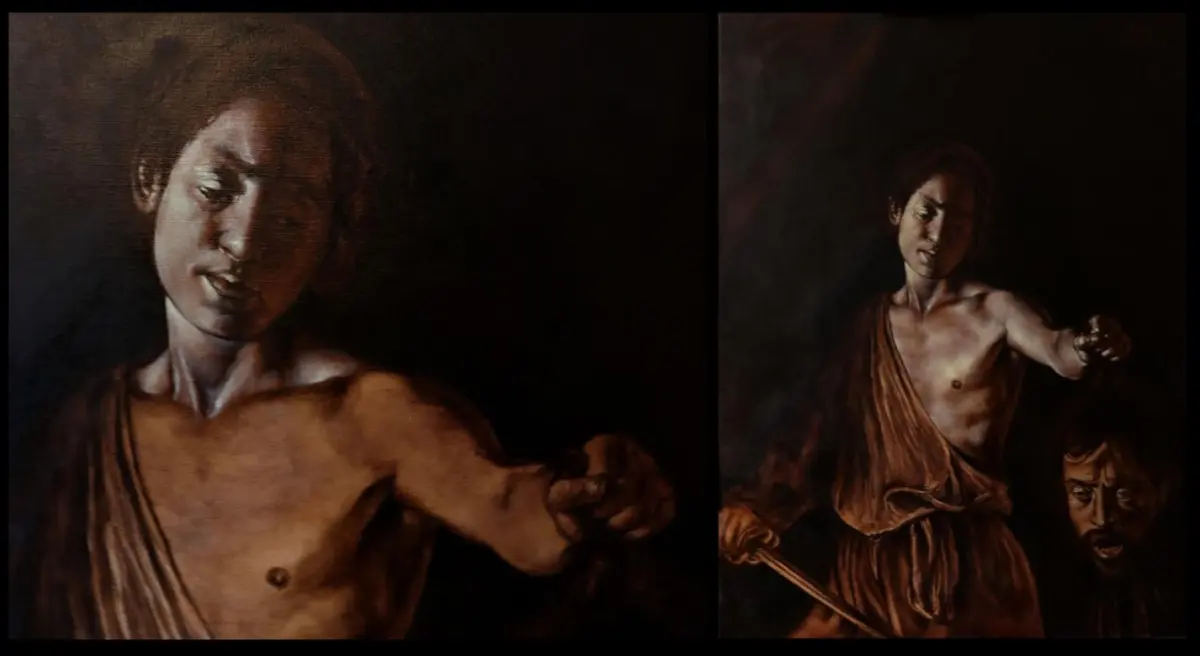
- David with the Head of Goliath (1610): A haunting, late-career work that many historians interpret as a self-portrait of the artist.
- The Supper at Emmaus (1601): Notable for the startling, realistic projection of the basket of fruit toward the viewer.
Common mistakes when analyzing Caravaggio
When studying Caravaggio, a common error is assuming that his "realism" was merely an attempt to copy nature exactly. In reality, Caravaggio was a master of artificial staging; he carefully curated his compositions to maximize emotional impact, often sacrificing strict anatomical accuracy for the sake of a more powerful narrative arc. He did not simply paint what he saw; he painted what he felt would provoke the strongest reaction from the viewer. Another mistake is ignoring the biographical context of his life, which was defined by violence, legal trouble, and frequent flight from the law.
His volatile personality and frequent brawls directly influenced his later, darker works. Many critics mistakenly view his paintings as purely religious, ignoring the underlying autobiographical trauma present in his final years. To properly analyze his work, one must balance his technical mastery of light with the chaotic, often dangerous environment in which he lived. Do not view his canvases as static images; they are records of a high-stakes, dramatic life where the line between the artist’s own suffering and the suffering of his subjects became increasingly blurred.
How to appreciate his technique today
To truly appreciate Caravaggio’s work, one must observe how he utilizes "foreshortening" to break the fourth wall. He often painted objects or limbs protruding toward the viewer, creating an illusion that the scene is spilling out of the frame and into the physical space of the gallery. This technique invites the viewer to participate in the scene rather than simply observing it from a distance. When visiting his works, take time to stand at different angles to see how the light seems to shift across the canvas surface.
If you are studying his technique, follow these observational steps:
- Identify the primary light source and trace its trajectory across the figures.
- Look for the darkest shadows and note how they define the edges of the subjects.
- Observe the hands and feet of the figures to see the level of detail he applied to "lowly" human features.
- Compare the textures of fabrics, skin, and objects to see how he used brushwork to differentiate materials.
By focusing on these elements, you will gain a deeper understanding of why his work continues to command such intense fascination centuries after his death.
Key facts
- Caravaggio pioneered tenebrism, a technique using extreme contrasts between light and dark to create dramatic, spotlight-like effects.
- He famously used ordinary, working-class people as models for biblical figures, grounding religious narratives in gritty, everyday reality.
- His volatile temperament led to a nomadic life, as he fled Rome in 1606 after killing a man in a duel over a gambling dispute.
- He rarely made preparatory sketches, preferring to paint directly onto the canvas with oil, a method known as alla prima.
- His masterpiece, The Calling of St. Matthew (1599–1600), remains the definitive example of his ability to blend divine intervention with mundane settings.
- To study his work, visit the Contarelli Chapel in Rome, where three of his major paintings are permanently displayed in their original context.
The bottom line
Michelangelo Merisi da Caravaggio revolutionized Baroque art by rejecting idealized beauty in favor of raw, unflinching realism. By mastering the dramatic interplay of light and shadow, he transformed religious painting into a visceral, human experience. Despite a chaotic life marked by violence and flight, his innovative techniques defined an era, leaving a lasting legacy that continues to influence modern lighting and cinematic composition today.
People also ask
Did Caravaggio have any formal students or followers?
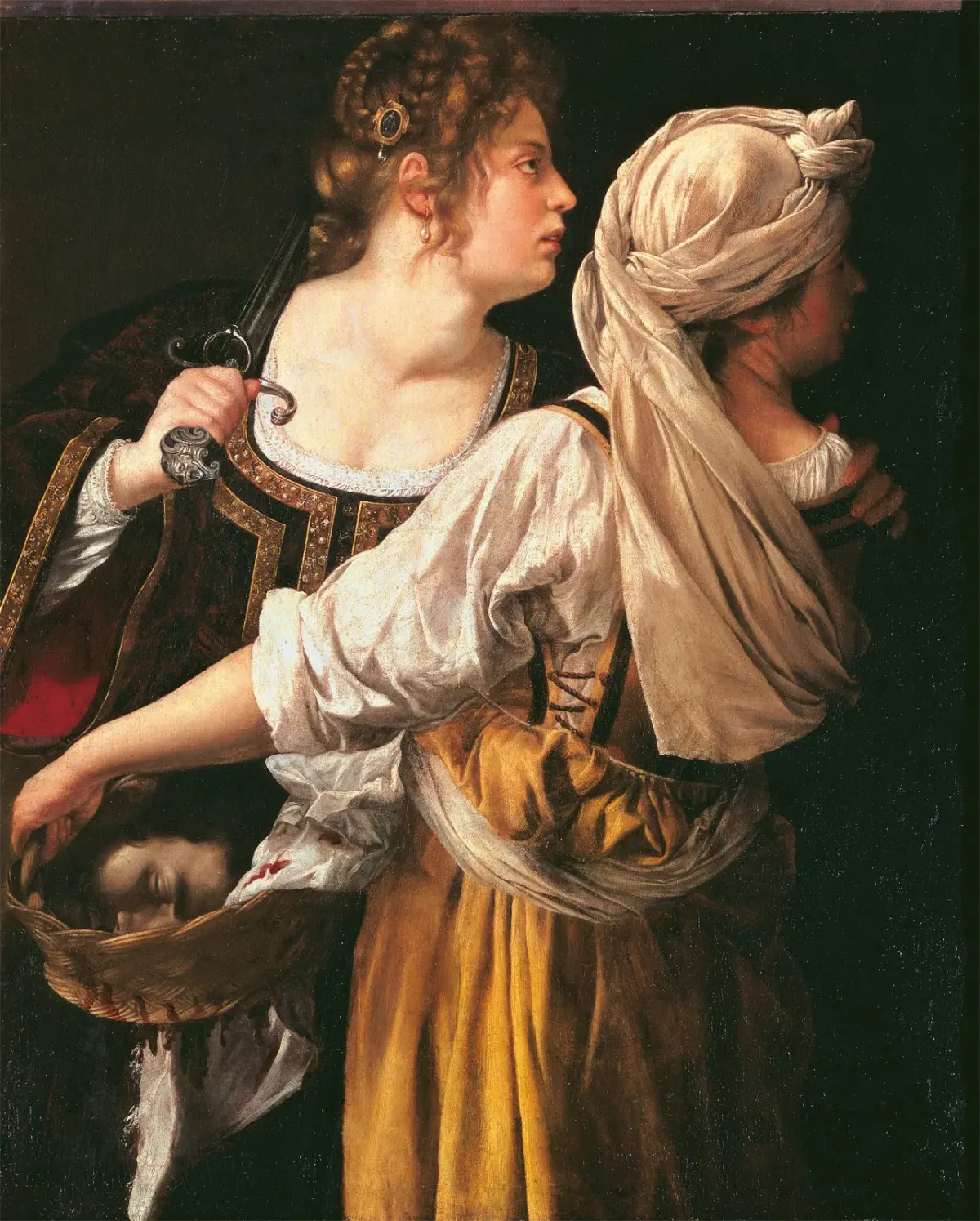
He did not run a traditional workshop, but his style inspired a generation of artists known as the "Caravaggisti." Painters like Artemisia Gentileschi and Gerrit van Honthorst adopted his dramatic lighting and realistic approach.
Why are his paintings often described as "gritty"?
Caravaggio depicted dirt, calloused feet, and wrinkled skin instead of the idealized beauty favored by Renaissance masters. This brutal realism made his religious scenes feel immediate, relatable, and sometimes scandalous to the church authorities of his time.
What is the difference between chiaroscuro and tenebrism?
Chiaroscuro is the general use of light and shadow to create volume in a figure. Tenebrism is a more extreme, stylistic version where darkness dominates the canvas, and light is used solely to highlight specific focal points.
How did Caravaggio’s personal life influence his art?
His life of violence and instability often bled into his work, leading to increasingly dark and psychological themes. Many of his later paintings feature severed heads or themes of martyrdom, reflecting his own fears of execution and exile.
Are his paintings easy to identify in a gallery?
Yes, look for a dark, nondescript background and a single, powerful light source illuminating the main subject. If the figures look like real people caught in a fleeting, emotional moment, it is likely a Caravaggio or a follower.
What was the most common mistake he made as a painter?
He often faced criticism for refusing to follow the standard practice of creating preliminary drawings. This made his compositions difficult to alter once he began painting, sometimes leading to awkward anatomical proportions that he had to correct on the fly.
This answer was created with the help of AI research tools and reference sources. Spotted an error? Let us know — we correct mistakes quickly. See our editorial policy.