What is pointillism?
Short answer
Pointillism is a painting technique developed in the late 19th century that uses small, distinct dots of pure color applied in patterns to form an image. Instead of mixing pigments on a palette, artists rely on the viewer’s eye to optically blend the dots into vibrant, cohesive colors from a distance.
On this page
How did pointillism start?
Pointillism emerged in France during the mid-1880s as a rigorous offshoot of Impressionism. It was championed by Georges Seurat and Paul Signac, who sought to move away from the spontaneous, intuitive brushwork of their predecessors. Influenced by contemporary scientific theories regarding optics and color perception, these artists believed that applying unmixed dots of color would create a more luminous and scientifically precise effect than traditional palette mixing.
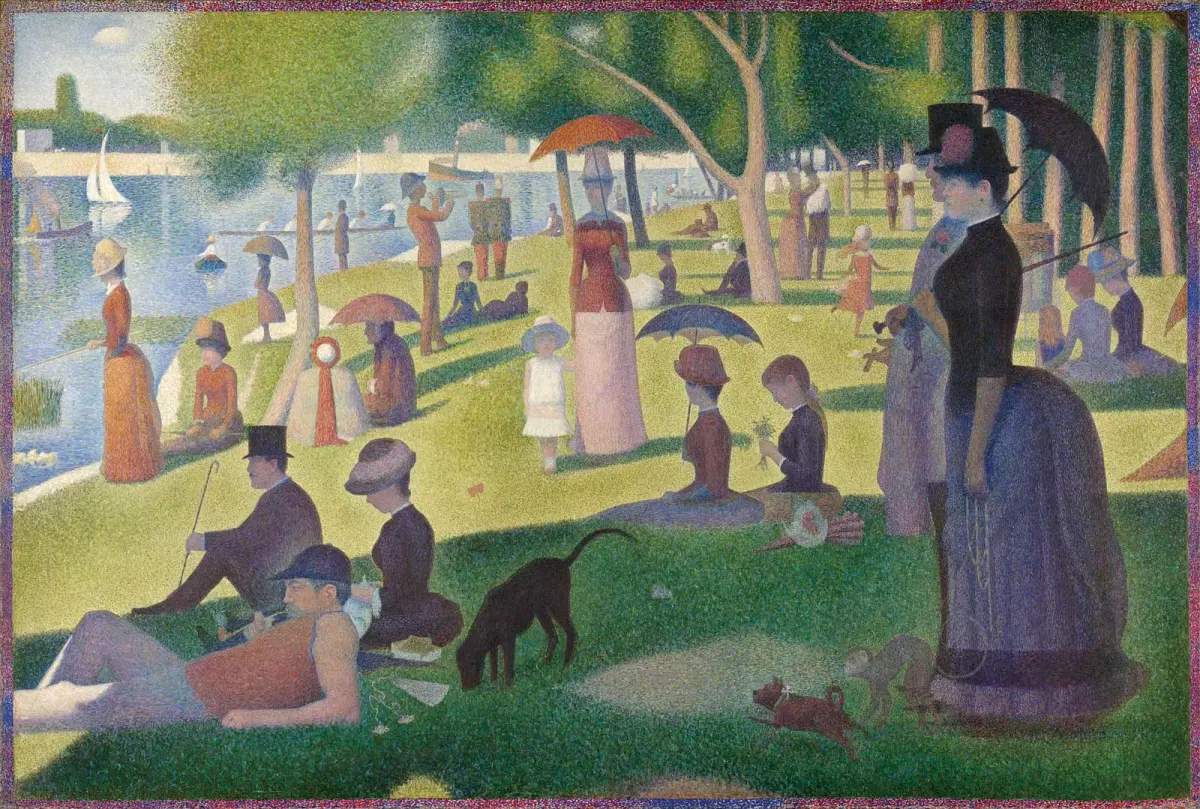
The movement gained significant attention in 1886 at the final Impressionist exhibition, where Seurat displayed his monumental work, "A Sunday Afternoon on the Island of La Grande Jatte." This painting became the definitive example of the style, showcasing how thousands of tiny, calculated dots could construct a complex, atmospheric scene. While the technique was initially met with skepticism by critics who found it overly mechanical, it eventually influenced generations of artists, including Vincent van Gogh and Henri Matisse, who experimented with the method’s unique ability to manipulate light and color intensity.
What are the core techniques of pointillism?
The fundamental principle of pointillism is "optical mixing," where the brain perceives adjacent colors as a single hue. To achieve this, artists must carefully select complementary colors to place side-by-side, which enhances the perceived brilliance of the painting. Unlike traditional painting, where colors are blended physically, pointillism requires a disciplined approach to color theory and spatial arrangement.
To begin a pointillist piece, follow these foundational steps:
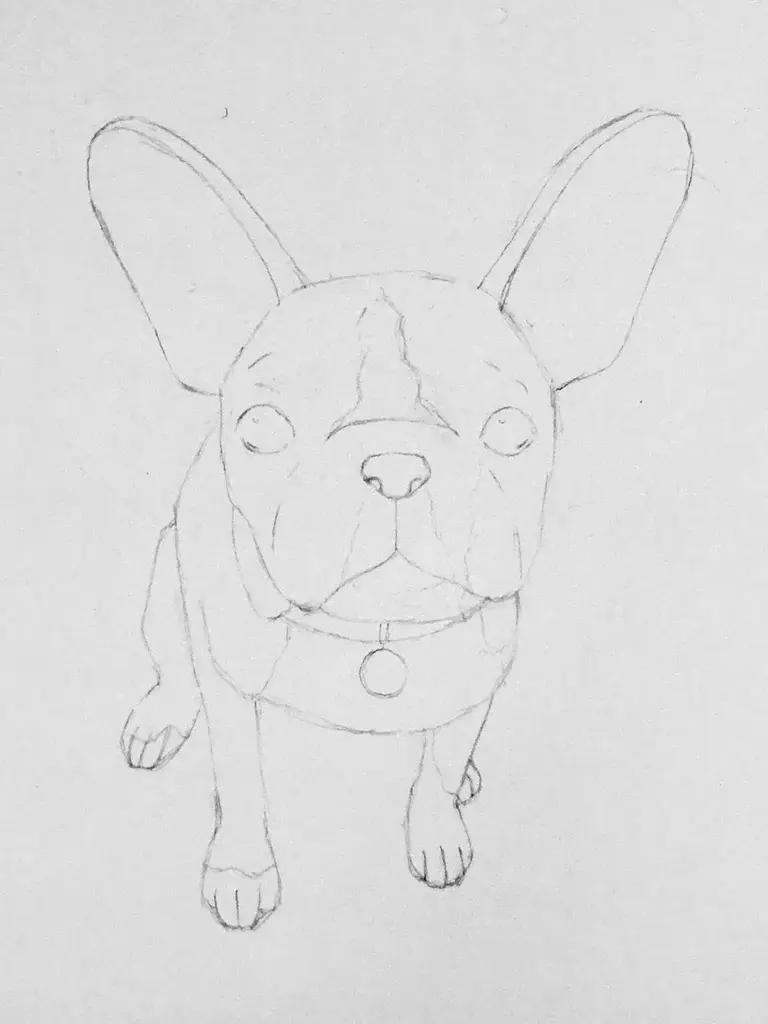
- Sketch the composition lightly in pencil to establish the primary forms and light sources.
- Select a limited palette of high-quality pigments to ensure color consistency.
- Apply dots of color systematically, starting with the darkest tones to establish depth.
- Gradually layer lighter dots over or around the base colors to build luminosity and volume.
- Step back frequently to assess how the dots merge from a distance, adjusting dot density as needed.
Why does pointillism create unique visual effects?
Pointillism creates a distinct shimmering effect because the eye is constantly working to resolve the individual dots into a unified image. By avoiding the muddying effect of physical color mixing, the pigments retain their maximum chromatic intensity. This results in a canvas that appears to vibrate with light, especially when viewed from the correct distance, as the light reflects off the individual points rather than a flat, blended surface.
The technique also allows for a highly controlled representation of light and shadow. By increasing the density of dots in shaded areas and spacing them further apart in highlights, an artist can create a subtle, atmospheric transition that feels both structured and ethereal. This scientific approach to painting effectively bridges the gap between artistic expression and the physical laws of optics. It remains a powerful tool for artists interested in exploring how the human brain interprets visual information through the lens of color and contrast.
Best materials for pointillism beginners
For those starting with pointillism, the quality of materials is essential to achieving the desired precision. Because the technique relies on the crispness of each individual mark, the tools must allow for consistent dot size and shape. Beginners should focus on materials that offer control and longevity, ensuring that the labor-intensive process yields a lasting result.
Consider these essential items for your first project:
- High-quality acrylic or oil paints with a heavy body to prevent unwanted spreading.
- Small, round synthetic brushes, specifically sizes 0, 1, and 2, which maintain a sharp point.
- A primed, smooth canvas or heavy-duty paper to prevent the paint from soaking in unevenly.
- A glass palette, which is easier to clean and keeps small amounts of paint from drying out too quickly.
- A magnifying glass or a steady desk lamp to help maintain consistent dot placement during long sessions.
Common mistakes when painting with pointillism
The most frequent error beginners make is attempting to blend colors on the palette rather than on the canvas. If you mix the paint before applying it, you lose the optical vibration that defines the style. Another common pitfall is using dots that are too large or uneven, which prevents the image from cohering when viewed from afar. Consistency in dot size is vital for creating a smooth, professional appearance.
Additionally, many novices struggle with the patience required for this time-consuming process. It is easy to rush the application, leading to messy, overlapping marks that destroy the clarity of the composition. To avoid this, focus on maintaining a steady rhythm and keep your hand relaxed to prevent cramping. Always remember that the goal is to create a visual synthesis within the viewer’s eye, so resist the urge to overwork areas that already look correct from a distance. With practice, you will learn to trust the process and appreciate the unique, vibrant results that only this meticulous technique can provide.
Key facts
- Pointillism is a technique of painting in which small, distinct dots of color are applied in patterns to form an image.
- Georges Seurat and Paul Signac developed the style in Paris around 1886 as a branch of Neo-Impressionism.
- The technique relies on optical mixing, where the human eye blends adjacent dots of color into a single hue from a distance.
- Artists must use pure, unmixed colors on the palette, as the blending happens on the canvas through the viewer's perception.
- A common mistake is spacing dots too far apart, which prevents the colors from "mixing" and results in a fragmented, messy appearance.
- Patience is essential, as completing a large-scale pointillist work can take months or even years due to the labor-intensive application of thousands of dots.
The bottom line
Pointillism represents a revolutionary intersection of art and science, transforming how we perceive color through the meticulous application of dots. By relying on the eye to blend pigments optically, artists achieved a unique luminosity that traditional mixing could not replicate. Mastering this technique requires immense patience, precise color theory, and a steady hand, ultimately proving that even the smallest marks can create profound visual impact.
People also ask
Is pointillism the same as divisionism?
While often used interchangeably, divisionism refers to the scientific theory of color separation, whereas pointillism is the specific mechanical technique of using dots. Divisionism is the broader movement, and pointillism is its most famous stylistic manifestation.
What kind of paint is best for pointillism?
Oil paints are traditionally preferred because they maintain their shape and do not bleed into one another when applied. Acrylics can also be used, but they dry very quickly, making it harder to manage the precise placement of thousands of individual dots.
Why did artists choose to use dots instead of brushstrokes?
Artists believed that by placing pure colors side-by-side, they could achieve a greater luminosity and vibration than by mixing pigments on a palette. They aimed to apply scientific principles of optics to create more vibrant, light-filled compositions.
How do you choose the right colors for optical mixing?
You should select colors that are complementary or closely related on the color wheel to achieve the desired effect. Placing a blue dot next to a yellow dot will cause the eye to perceive a vibrant green from a distance.
Can pointillism be done on any surface?
It is best performed on rigid surfaces like canvas or wood panels that do not absorb the paint too quickly. Avoid highly textured surfaces, as they distort the shape of the dots and make the optical blending effect difficult to achieve.
What is the most famous example of this technique?
Georges Seurat’s "A Sunday Afternoon on the Island of La Grande Jatte" is widely considered the masterpiece of the movement. It features millions of tiny dots and took the artist two years to complete, measuring nearly seven by ten feet.
This answer was created with the help of AI research tools and reference sources. Spotted an error? Let us know — we correct mistakes quickly. See our editorial policy.