What is a narrative?
Short answer
A narrative is a structured account of connected events, presented in a sequence to convey meaning or experience. It functions as the primary vehicle for human communication, transforming raw facts into a coherent story. Whether fictional or factual, a narrative requires a narrator, a sequence of events, and a central theme.

On this page
What are the core elements of a narrative?
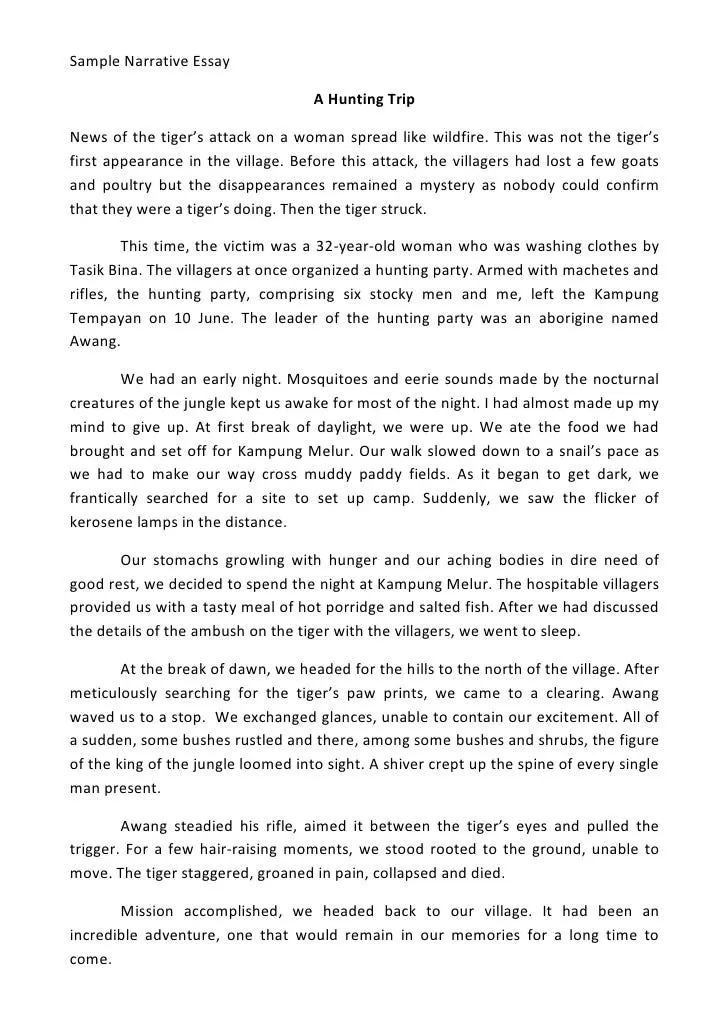
Every effective narrative relies on a set of foundational components that organize information for the audience. At the most basic level, a narrative requires a protagonist—the person or entity experiencing the events—and a goal they are attempting to reach. This creates the "arc" of the story, which is the trajectory of change from the beginning to the end. Without a clear subject or a shift in state, information remains merely a report or a list rather than a story.
A compelling narrative also incorporates tension, which arises from obstacles blocking the protagonist's path. This friction keeps the audience engaged as they wait to see how the conflict is resolved. By weaving together setting, character, and plot, the narrator creates a framework that helps the listener process complex information. Whether in a historical account or a novel, these elements ensure that the sequence of events feels intentional and meaningful rather than random.
How to structure a narrative effectively
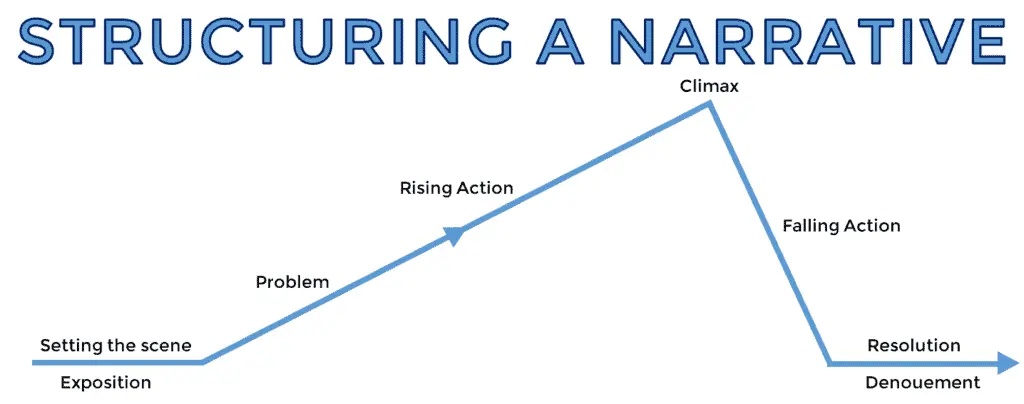
To build a strong narrative, you must organize your events in a way that creates logical momentum. The most common structure is the three-act model, which has been used for centuries to guide audiences through a complete experience. By following a clear progression, you ensure that your story has a distinct start, middle, and end, preventing the audience from feeling lost or confused.
- Exposition: Establish the status quo and introduce the main characters.
- Rising Action: Introduce the primary conflict or challenge that disrupts the status quo.
- Climax: Present the turning point where the protagonist faces the conflict directly.
- Falling Action: Show the immediate results of the climax.
- Resolution: Explain how the world has changed and conclude the narrative.
Following this sequence allows you to manage the pacing of your information. By placing the most critical turning points at strategic intervals, you maintain interest and ensure that the final message is delivered with maximum impact.
Why do humans use narratives?
Humans rely on narratives to make sense of a chaotic world. Psychologically, the brain is wired to prefer stories over isolated data points because narratives provide context and causal links. When we hear a story, our brains simulate the events, which improves memory retention and emotional connection. This is why historical events are often remembered better when framed as personal journeys rather than dry chronological timelines.
Beyond memory, narratives serve as a social tool for sharing values and lessons. By observing how a character navigates a dilemma, the audience learns about cause and effect without having to experience the risk themselves. This function is essential for community building and cultural preservation. Because narratives translate abstract concepts into relatable human experiences, they remain the most efficient way to influence opinions and share knowledge across generations.
Common mistakes when crafting a narrative
Many people struggle with narrative construction because they include unnecessary details that distract from the main point. A common error is "the dump of information," where the narrator provides too much background context before the action begins. This bores the audience and weakens the emotional stakes. Another frequent mistake is failing to provide a clear transition between events, which leaves the reader questioning why one scene leads to the next.
- Including irrelevant subplots that do not advance the primary goal.
- Neglecting the emotional state of the characters involved.
- Jumping between timelines without providing clear signals to the audience.
- Ending the narrative without a clear resolution or "takeaway" message.
To avoid these pitfalls, always evaluate whether each sentence serves the central conflict. If a piece of information does not help the audience understand the protagonist's journey or the theme, it should be removed to keep the narrative tight and focused.
Best practices for narrative storytelling
To master the art of narrative, focus on "showing" rather than "telling." Instead of stating that a character is angry, describe the physical manifestations of their frustration or the specific actions they take in response to a conflict. This technique invites the audience to interpret the story for themselves, which creates a deeper level of engagement. When the audience participates in the meaning-making process, the impact of the narrative is significantly stronger.
Consistency is another hallmark of a great narrative. Ensure that the tone remains steady throughout the piece, whether it is professional, humorous, or somber. If the narrator’s voice shifts abruptly, the audience may lose trust in the account. Finally, always keep the intended audience in mind. A narrative about a scientific discovery for a group of children will require a different focus and vocabulary than one written for academic peers. By aligning your delivery with the expectations of your listeners, you ensure your message is received clearly and effectively.
Key facts
- A narrative is a sequence of connected events, real or fictional, presented in a specific order to convey meaning.
- Every narrative requires a protagonist, a setting, and a conflict that drives the action toward a resolution.
- The "narrative arc" typically follows a structure of exposition, rising action, climax, falling action, and resolution.
- Narratives are not limited to books; they are the fundamental way humans organize memory, history, and identity.
- To build a strong narrative, focus on the "show, don't tell" principle by using sensory details rather than abstract summaries.
- A common mistake is including extraneous details that do not advance the conflict or reveal character traits.
The bottom line
A narrative is more than just a list of events; it is a structured framework that gives meaning to experience. By organizing information into a sequence with a clear conflict and resolution, you transform raw data into a compelling story. Whether you are writing fiction or professional communication, focusing on character motivation and logical progression remains the most effective way to engage your audience and ensure clarity.
People also ask
What is the difference between a story and a narrative?
A story is the chronological sequence of events, while a narrative is the specific way those events are told or framed. Narratives often involve a narrator's perspective or a specific stylistic choice that shapes how the audience perceives the story.
How do I structure a compelling narrative?
Start by establishing the status quo, then introduce an inciting incident that disrupts the protagonist's life. Build tension through obstacles before reaching a climax where the central conflict is addressed, followed by a resolution that shows the aftermath.
Why are narratives used in business and marketing?
Narratives make abstract data or products relatable by anchoring them in human experience. By framing a brand or a project as a journey with a clear goal, organizations can better engage their audience's emotions and memory.
Can a narrative be non-linear?
Yes, many narratives use flashbacks, flash-forwards, or fragmented timelines to explore themes or character psychology. The key is ensuring that the connections between these disparate events remain clear enough for the audience to follow the underlying logic.
What is an unreliable narrator?
An unreliable narrator is a storyteller whose credibility is compromised, often due to bias, mental state, or deception. This technique forces the audience to question the truth of the events being presented, adding layers of complexity to the narrative.
How can I improve the pacing of my narrative?
Pacing is controlled by the balance between action scenes and reflective exposition. Use shorter, punchier sentences during high-stakes moments to speed up the reader’s experience, and longer, more descriptive passages to slow down for emotional depth.
This answer was created with the help of AI research tools and reference sources. Spotted an error? Let us know — we correct mistakes quickly. See our editorial policy.