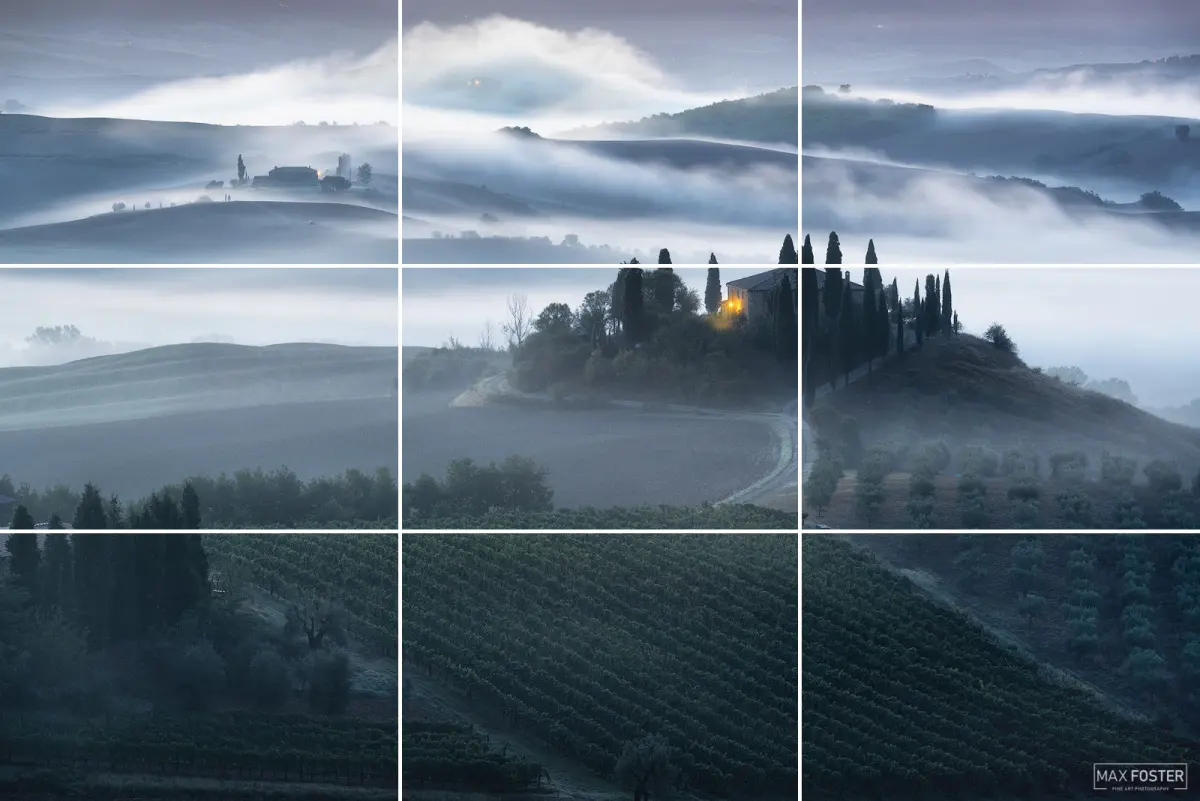
What are leading lines in photography?
Short answer
Leading lines are compositional elements in photography that guide the viewer’s eye toward a specific subject. By using natural or man-made lines—such as roads, fences, or shadows—photographers create a visual path that adds depth and structure to an image, ensuring the viewer focuses on the intended focal point of the scene.
On this page
What are leading lines in photography?
Leading lines act as an invisible roadmap for the human eye, directing attention across a two-dimensional frame. When we look at a photograph, our gaze naturally follows patterns, edges, and shapes. By deliberately placing these elements, a photographer can control the narrative and emphasize the most important part of the composition. This technique is a fundamental principle of visual art, used to create a sense of movement and intentionality.
These lines can be found almost anywhere in the natural or built environment. They are not necessarily straight, as curves and diagonals often create a more dynamic and engaging visual flow. Whether you are capturing a vast landscape or an intimate portrait, identifying these paths helps transform a flat, chaotic scene into a cohesive and professional image. Understanding this concept is the first step toward mastering visual storytelling through the lens.
How to find leading lines in your environment
Finding effective lines requires training your eye to look past the subject and examine the geometry of the entire scene. You should look for structural elements that connect the foreground to the background. Common examples include:
- Railroad tracks or highways stretching toward the horizon.
- The edges of buildings or architectural columns.
- Natural features like riverbanks, shorelines, or tree lines.
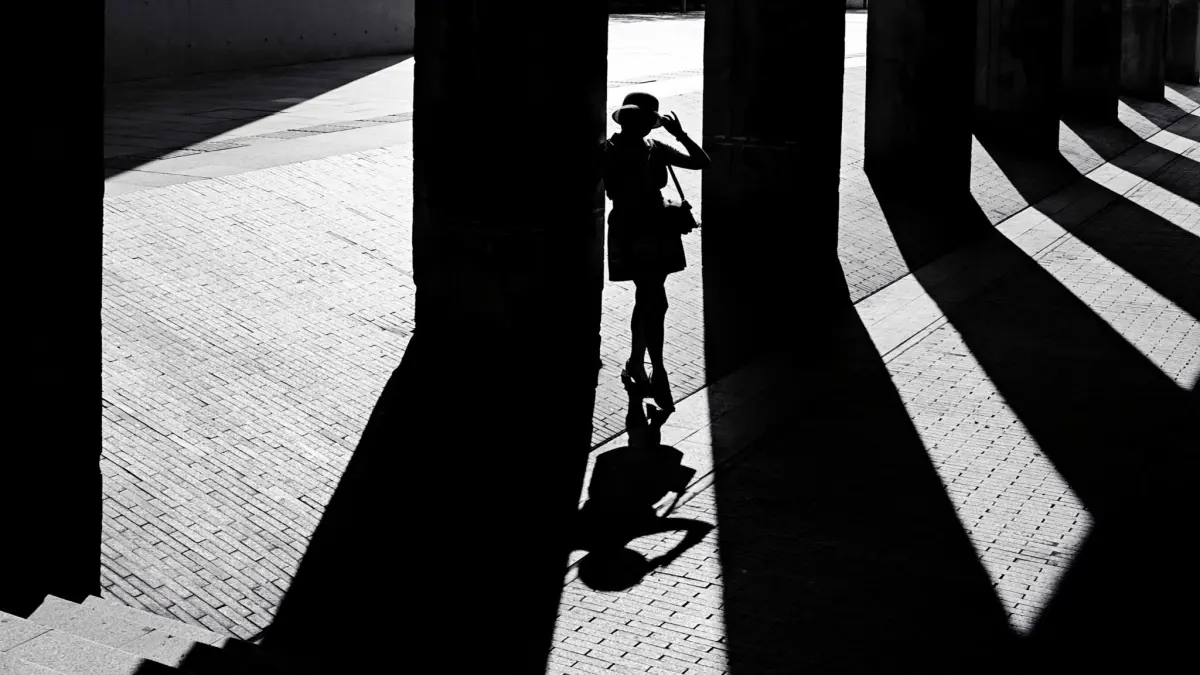
- Shadows cast by the sun that stretch across a surface.
- Fences, bridges, or rows of crops in a field.
To practice, try walking through an urban area and observing how the lines of sidewalks or building facades converge. In nature, look for the way a path winds through a forest or how a mountain range creates a diagonal edge against the sky. Once you identify these potential lines, position yourself so that they point directly toward your primary subject.
How to use leading lines for better composition
Using leading lines effectively involves more than just pointing your camera at a road. You must align your perspective so the lines serve the story you want to tell. Follow these steps to improve your composition:
- Identify your primary subject, such as a person, a building, or a distant peak.
- Scan the scene for lines that originate near the edges of the frame.
- Move your feet or adjust your tripod height to ensure the lines converge on your subject.
- Check your framing to ensure the lines do not lead the eye completely out of the image.
- Take the shot, adjusting your aperture if you need to control how much of the line remains in focus.
The goal is to create a seamless transition from the viewer’s first point of contact to the final destination within the frame. If the lines lead to empty space, the viewer may feel confused or lose interest quickly.
Why leading lines create depth in photography
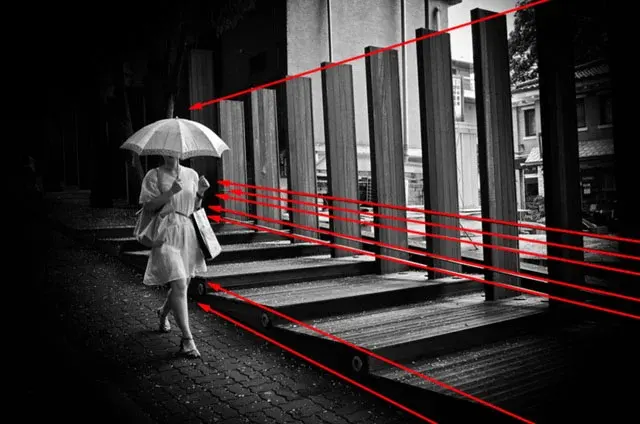
Photography is inherently a flat medium, but leading lines provide the illusion of three-dimensional space. By using lines that converge toward a vanishing point, you simulate the way human vision perceives distance. This technique creates a sense of scale and invites the viewer to "walk" into the photograph. It transforms a static capture into an immersive experience by providing a clear sense of depth and perspective.
Furthermore, leading lines help organize complex scenes. When a photograph contains many competing elements, a strong line acts as an anchor, grounding the viewer and preventing the eye from wandering aimlessly. This structural clarity is often what separates amateur snapshots from professional-grade work. By providing a clear path, you ensure that your message is communicated effectively and that the viewer appreciates the scene exactly as you intended.
Common mistakes when using leading lines
Even experienced photographers occasionally struggle with the placement of lines. A frequent error is allowing a line to lead the eye directly out of the frame rather than toward the subject. This causes the viewer to look away from the image prematurely. Another mistake is using lines that are too distracting or cluttered, which can overwhelm the subject instead of highlighting it. Avoid these pitfalls by keeping your composition simple and purposeful.
- Avoid "dead ends" where a line stops abruptly without a subject at the terminus.
- Be careful not to let lines intersect in a way that creates visual tension or confusion.
- Do not force lines into a composition if they do not naturally exist, as this can make the image look staged.
- Check the corners of your frame to ensure lines are not cutting off important details.
- Remember that the subject should always be the hero, and the lines are merely the supporting cast.
By remaining mindful of how these visual paths interact with your subject, you can refine your technique and consistently produce images that are both balanced and compelling.
Key facts
- Leading lines are physical elements in a scene that guide the viewer’s eye toward a specific focal point.
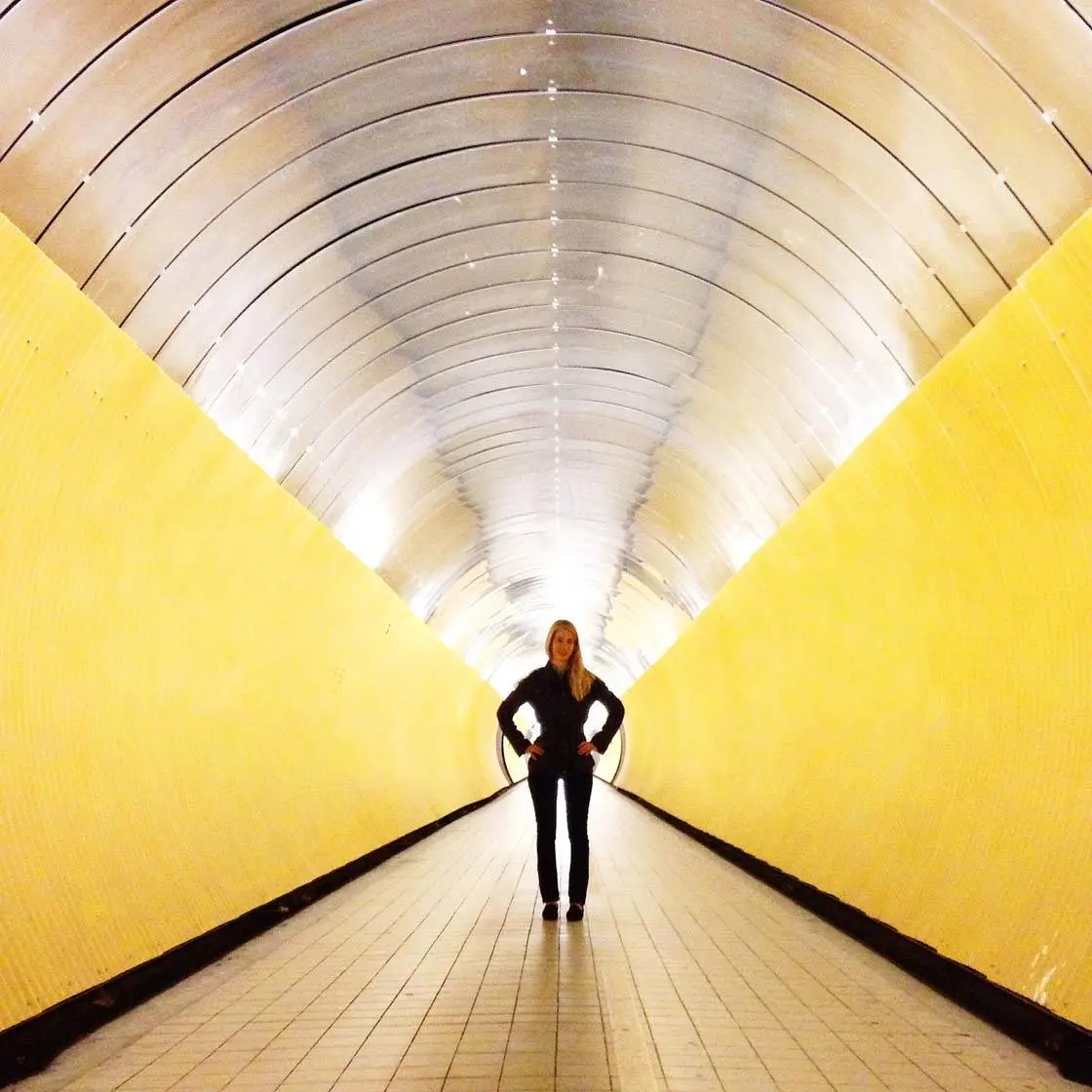
- Common examples include roads, fences, bridges, shorelines, or architectural features like hallways.
- These lines create a sense of depth, turning a two-dimensional photograph into a three-dimensional experience.
- To maximize impact, position the lines so they start at the bottom corners of the frame and converge toward the subject.
- Diagonal lines are generally more dynamic and engaging than horizontal or vertical lines, which can feel static.
- Avoid using lines that lead the eye off the edge of the frame, as this distracts from the intended subject.
The bottom line
Leading lines are a fundamental compositional tool that directs the viewer's gaze toward your subject, creating depth and narrative flow. By identifying natural or man-made paths within a scene and aligning them to converge on your focal point, you transform flat images into compelling visual stories. Practice observing your environment for geometric shapes, and always ensure your lines serve the image rather than distracting from it.
People also ask
Do leading lines always have to be straight?
No, leading lines can be curved, zigzagged, or irregular. Curved lines, such as a winding river or a spiral staircase, often feel more organic and can create a sense of movement or mystery.
Can I use leading lines in portrait photography?
Yes, you can use elements like fences, walls, or even the positioning of limbs to point toward the subject's face. This technique helps isolate the person from the background and emphasizes their importance in the frame.
What happens if the lines do not point to the main subject?
If lines lead to an empty space or a secondary object, the viewer's attention will be diverted away from your intended focal point. Always ensure your lines are purposeful and terminate at the most important element of your composition.
Does the focal length of my lens affect how leading lines appear?
Wide-angle lenses tend to exaggerate the perspective of leading lines, making them appear to converge more sharply and stretch further into the distance. Telephoto lenses compress the scene, which can make parallel lines appear closer together.
Are leading lines effective in black and white photography?
Leading lines are exceptionally powerful in monochrome images because they rely on contrast and geometry rather than color. Without color to distract the eye, the structural strength of lines becomes the primary focus of the composition.
How do I find leading lines in a busy urban environment?
Look for repeating patterns in architecture, such as the seams in a sidewalk, rows of streetlights, or the edges of buildings. Changing your physical perspective by crouching low or climbing higher often reveals lines that are not obvious at eye level.
This answer was created with the help of AI research tools and reference sources. Spotted an error? Let us know — we correct mistakes quickly. See our editorial policy.