How long do pigeons live?
Short answer
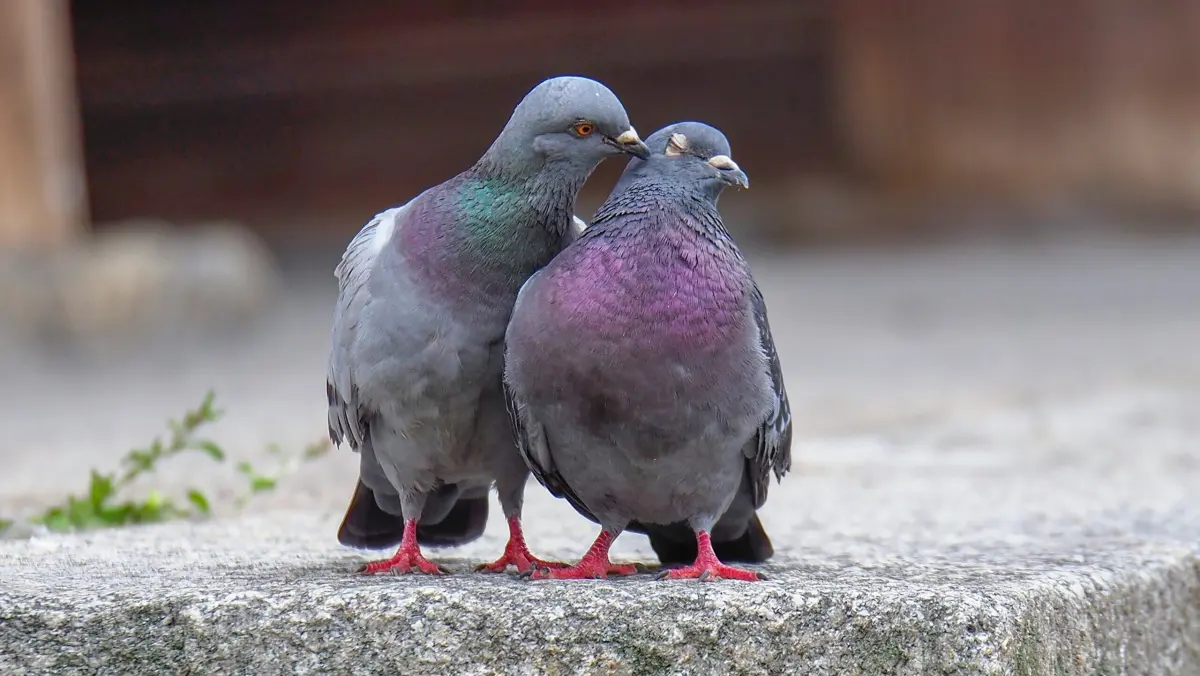
The average lifespan of a pigeon depends heavily on its environment. Wild rock pigeons typically live three to five years due to predators and urban hazards. However, pigeons kept in captivity or under human care frequently reach 10 to 15 years, with some well-cared-for individuals living up to 20 years or more.
On this page
How long do pigeons live in the wild?
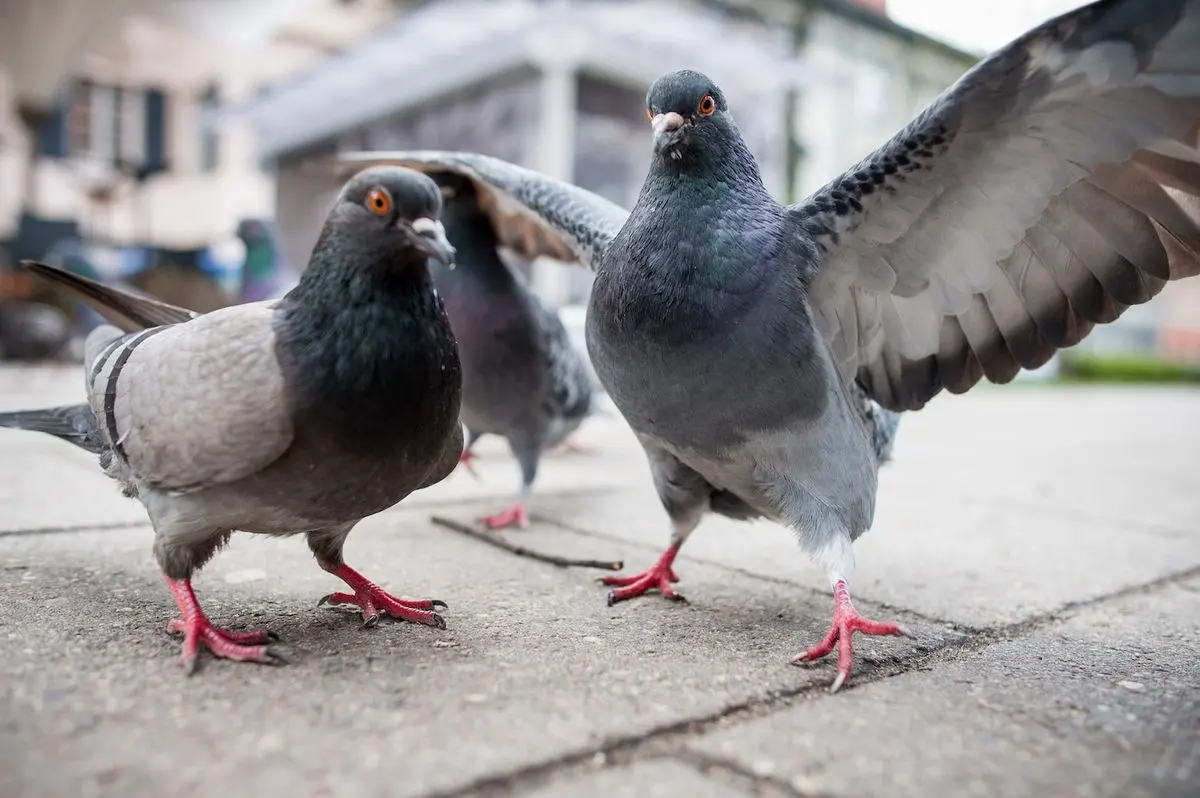
In natural or urban settings, the life expectancy of a pigeon is significantly shorter than that of a protected bird. Most wild rock pigeons, or Columba livia, face constant threats from predators such as hawks, falcons, cats, and rats. Furthermore, urban environments expose them to traffic accidents, poisoning, and the spread of avian diseases. Because of these environmental pressures, the average lifespan for a wild pigeon is often cited as three to five years.
Despite these risks, pigeons are remarkably resilient and have adapted to survive in almost every major city globally. Their ability to breed year-round helps maintain population numbers even when individual survival rates are low. While many perish before reaching adulthood, those that successfully navigate the dangers of their first year often go on to live for several more. Factors that influence their survival in the wild include:
- Availability of consistent food sources, such as human-provided scraps or agricultural grain.
- Access to safe nesting sites protected from weather and predators.
- Exposure to local pathogens and parasites that thrive in dense urban colonies.
How long do pigeons live in captivity?
Pigeons kept in lofts or as domestic pets enjoy a much higher quality of life, which translates directly into longevity. Without the constant threat of predators and with access to high-quality nutrition, clean water, and veterinary care, these birds frequently live between 10 and 15 years. It is not uncommon for a healthy, well-managed pigeon to reach 20 years of age, provided it is kept in a stress-free environment.
The longevity of a captive pigeon is largely determined by the quality of its husbandry. Owners who prioritize hygiene and disease prevention often see their birds live well into their second decade. Key factors that contribute to this extended lifespan include:
- Providing a balanced diet of high-quality grains, seeds, and essential minerals.
- Maintaining a dry, well-ventilated loft to prevent respiratory infections.
- Implementing a regular vaccination schedule to protect against common avian viruses.
- Ensuring the birds have adequate space for exercise and flight.
Why do some pigeons live longer than others?
Genetics play a foundational role in how long a pigeon will live. Just as in other animal species, certain lineages are predisposed to stronger immune systems and better physical health. However, environmental factors remain the primary driver of longevity. A pigeon living in a clean, spacious loft will almost always outlive a bird subjected to cramped, unsanitary conditions, regardless of its genetic potential.
Stress is another critical factor that impacts a pigeon's life expectancy. Chronic stress, whether caused by overcrowding, frequent handling, or the presence of nearby predators, can weaken a bird's immune system. This makes them more susceptible to common ailments like canker or respiratory distress. To maximize the life of a bird, owners should focus on:
- Minimizing sudden changes to the environment or routine.
- Providing consistent access to clean, fresh water daily.
- Monitoring for early signs of illness, such as lethargy or changes in droppings.
- Ensuring the loft is protected from extreme temperature fluctuations and dampness.
Common mistakes when caring for pigeons
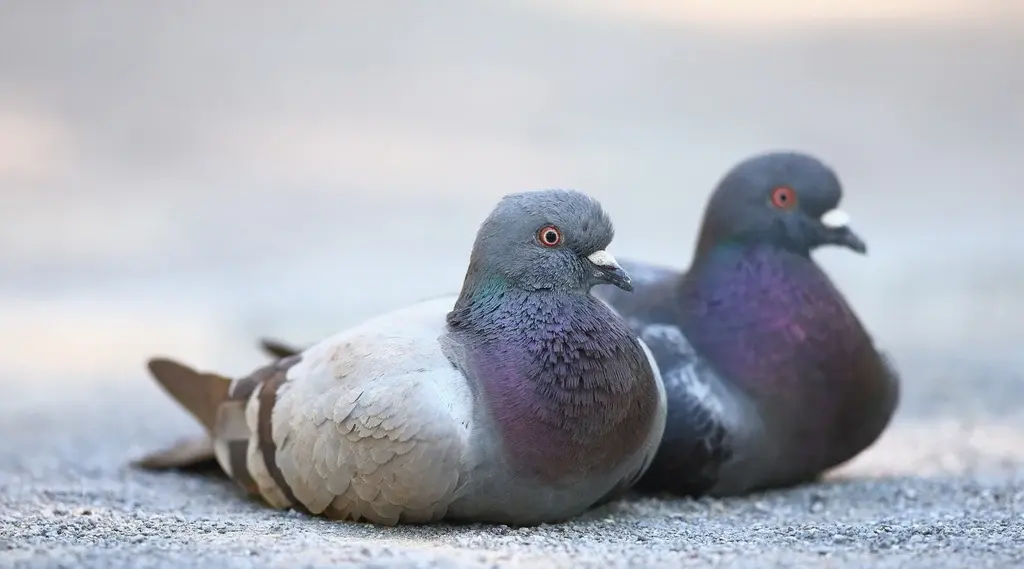
Many new pigeon owners inadvertently shorten their birds' lives through poor management practices. One of the most frequent errors is overfeeding or providing a diet that lacks essential vitamins and minerals. While pigeons are hardy, they require a specific balance of nutrients to maintain their metabolism and feather health. Feeding them only kitchen scraps or low-quality birdseed can lead to obesity and nutritional deficiencies that manifest as long-term health issues.
Another significant mistake is failing to maintain a rigorous cleaning schedule for the loft. Accumulated droppings can harbor bacteria, mold, and parasites that severely compromise the health of the flock. Owners should avoid the following pitfalls to ensure their birds thrive:
- Ignoring the importance of quarantine when introducing new birds to a loft.
- Failing to provide adequate grit, which is essential for proper digestion.
- Overcrowding the loft, which increases stress and facilitates the rapid spread of disease.
- Neglecting to treat for internal and external parasites on a seasonal basis.
Best practices for keeping pigeons healthy
To ensure that a pigeon lives to its full potential, proactive health management is essential. This involves more than just providing food and shelter; it requires an observant eye and a structured approach to care. Owners should establish a relationship with an avian veterinarian who can provide guidance on preventative medicine. By catching potential health issues early, you can often prevent minor problems from becoming life-shortening conditions.
Consistency is the hallmark of successful pigeon keeping. By adhering to a strict routine, you create a stable environment that allows the birds to flourish. Follow these steps to promote long-term health:
- Conduct a daily visual inspection of each bird to check for clear eyes, clean nostrils, and healthy feathers.
- Keep the loft floor dry and remove waste regularly to prevent the buildup of ammonia and pathogens.
- Provide a source of fresh, clean water daily, ensuring that containers are scrubbed to prevent algae growth.
- Supplement the diet with high-quality grit and minerals to support bone health and digestion.
- Create a quiet, secure space where the birds can roost undisturbed during the night.
Key facts
- Wild rock pigeons typically live for 3 to 5 years due to environmental hazards and predators.
- In protected environments, such as homes or aviaries, pigeons can reach 15 years of age or older.
- Proper nutrition, including high-quality grains and essential grit, is the most critical factor for longevity.
- Feral pigeons often face shorter lifespans because of urban pollution, traffic, and limited food sources.
- Regular veterinary checkups are necessary to detect common avian diseases like trichomoniasis early.
- Avoid feeding pigeons processed human food like bread, which lacks nutrients and can cause severe health issues.
The bottom line
While wild pigeons face harsh urban conditions that limit their lives to just a few years, domestic pigeons thrive with proper care. By providing a balanced diet, clean living quarters, and consistent medical attention, owners can help these birds reach their full biological potential. Understanding these environmental factors is the most effective way to ensure a healthy, long life for any pigeon under your care.
People also ask
Do male or female pigeons live longer?
There is no significant difference in lifespan between male and female pigeons. Both sexes are equally susceptible to environmental stressors and genetic health conditions.
What are the most common causes of death for pigeons?
Predation by hawks, cats, and rats is a leading cause of mortality for wild pigeons. Additionally, bacterial infections, viral diseases, and accidental ingestion of toxic substances significantly reduce their life expectancy.
How can I tell how old a pigeon is?
It is difficult to determine an adult pigeon's exact age after they have molted their juvenile feathers. Experienced breeders often look for signs of wear on the cere, the fleshy growth above the beak, which can become more textured with age.
Is it safe to keep a feral pigeon as a pet?
While it is possible to rehabilitate an injured feral pigeon, they often carry parasites or diseases that can affect other birds. Always consult a wildlife rehabilitator or veterinarian before bringing a wild bird into your home.
Does flight exercise improve a pigeon's lifespan?
Yes, regular flight exercise helps maintain cardiovascular health and prevents obesity in captive pigeons. A sedentary pigeon is more prone to fatty liver disease and weakened muscle tone.
How long do pigeons stay with their parents?
Pigeons are usually independent about 4 to 6 weeks after hatching. Once they fledge, they join local flocks and must find their own food and shelter to survive.
This answer was created with the help of AI research tools and reference sources. Spotted an error? Let us know — we correct mistakes quickly. See our editorial policy.