How long do elephants live?
Short answer
African elephants typically live between 60 and 70 years in the wild, while Asian elephants generally live for about 48 years. Longevity depends heavily on habitat quality, social structure, and individual health. While some individuals in protected environments have reached their late 70s, these figures represent the average lifespan for healthy populations.
On this page
How long do elephants live in the wild
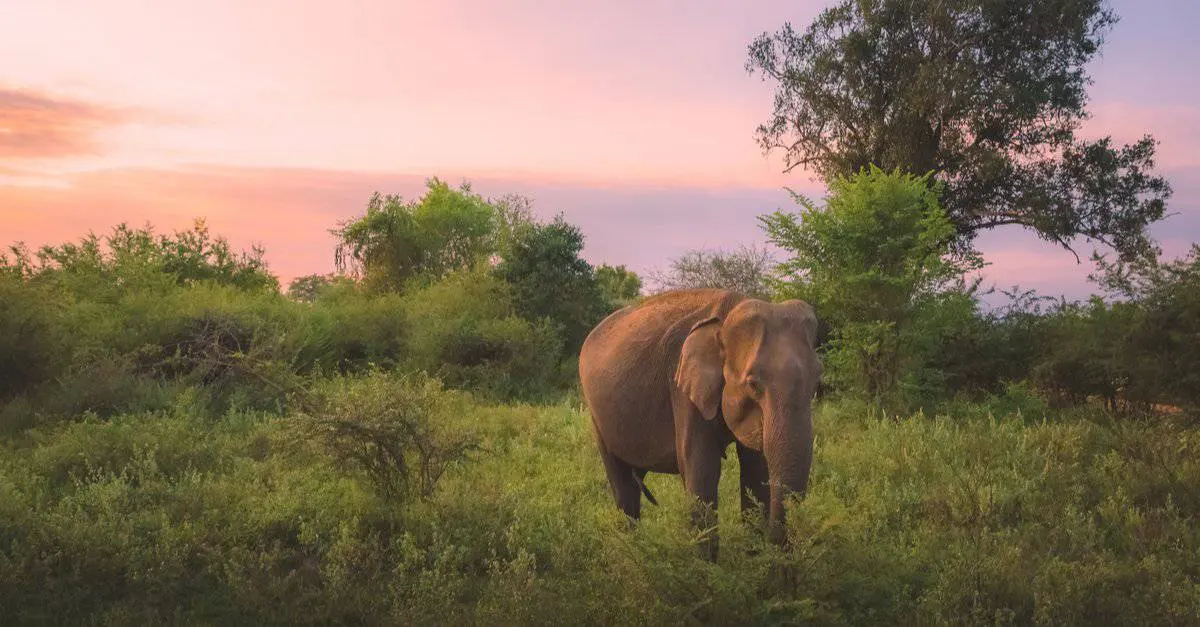
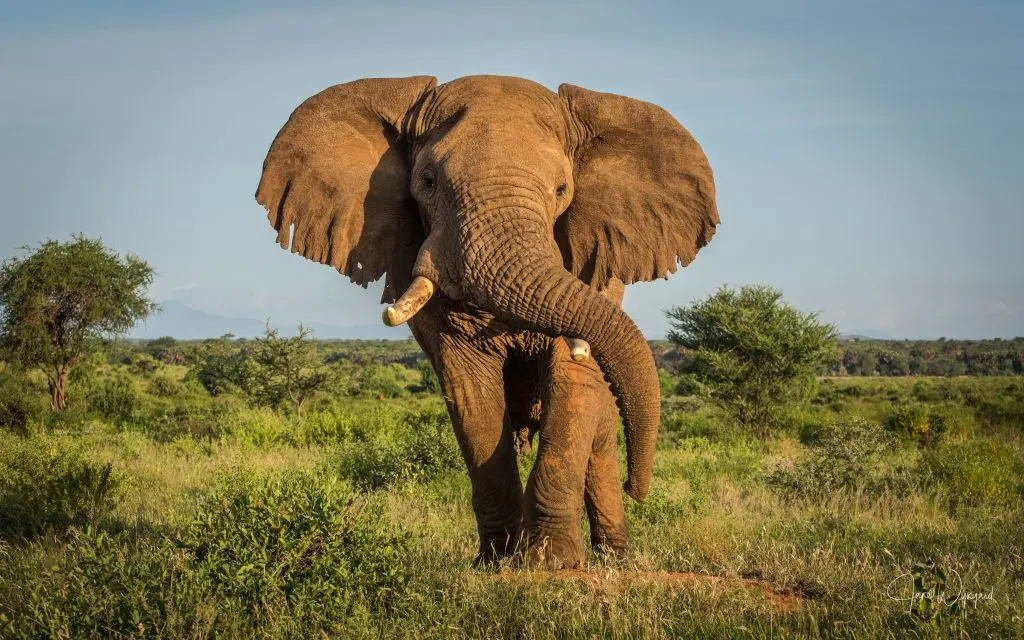
In their natural habitats, elephants are among the longest-lived land mammals. African savanna elephants, the largest of the species, often reach 60 to 70 years of age if they survive infancy. Asian elephants have a slightly shorter average lifespan, usually peaking around 48 to 50 years. These animals are social creatures that rely on complex family units, which significantly influences their survival rates.
Environmental factors play a critical role in determining these lifespans. Elephants that live in areas with abundant water, diverse vegetation, and minimal human conflict are far more likely to reach their full biological potential. Conversely, populations facing habitat fragmentation or poaching pressure often show lower average ages. The following factors are primary indicators of longevity in wild elephant populations:
- Access to high-quality grazing lands and reliable water sources.
- The presence of a stable, multi-generational matriarchal social structure.
- Low levels of exposure to human-wildlife conflict or illegal hunting.
- Genetic diversity within the local herd that prevents inbreeding depression.
Why do elephants live so long
The secret to the elephant's longevity lies partly in its slow biological development. Elephants reach sexual maturity in their early teens, and females continue to reproduce well into their 50s. This extended reproductive window ensures that knowledge, such as the location of hidden water holes during droughts, is passed down through generations. Such cultural knowledge acts as a survival buffer against environmental volatility.
Furthermore, elephants possess a robust immune system and a low metabolic rate compared to smaller mammals. Their massive size provides a natural defense against most predators, except for humans. Because they have few natural threats, they can afford to grow slowly and invest energy into long-term health rather than rapid reproduction. Their complex brains also facilitate advanced problem-solving, allowing them to adapt to changing environments, which is a key evolutionary advantage for long-term survival.
How do captive environments affect elephant lifespans
The impact of captivity on elephant longevity is a subject of significant scientific debate. While zoos and sanctuaries provide medical care and protection from predators, studies have shown that elephants in captivity often face different health challenges than their wild counterparts. Factors such as limited space, lack of social complexity, and metabolic issues from inactivity can contribute to earlier mortality.
To ensure the best possible care for elephants in managed settings, experts recommend the following practices:
- Provide expansive, naturalistic enclosures that encourage walking and foraging behaviors.
- Maintain social groups that mirror the hierarchy and composition of wild herds.
- Implement rigorous foot care programs to prevent common infections and arthritis.
- Use positive reinforcement training to reduce stress during medical examinations.
- Ensure a varied diet that mimics the nutritional diversity of wild vegetation.
Common mistakes when estimating elephant age
A frequent error when assessing elephant health is relying solely on body size to determine age. While size is a strong indicator during the juvenile stage, an adult elephant’s physical stature can be deceptive. Nutrition, genetics, and past illnesses can cause significant variations in size between individuals of the same age. Experts instead use more precise biological markers to track the aging process.
Another common mistake is assuming that all elephants in a specific region share the same life expectancy. Elephant populations are highly sensitive to local conditions, and a drought or disease outbreak can shift mortality rates within a single year. When studying these animals, it is crucial to avoid these pitfalls:
- Confusing physical size with chronological age in adult specimens.
- Ignoring the long-term impact of early-life trauma on future health.
- Overlooking the role of the matriarch in the survival of younger calves.
- Failing to account for regional differences in climate and food availability.
How to support elephant conservation efforts
Protecting elephants is essential for the health of the ecosystems they inhabit, as they are considered keystone species. By maintaining corridors and protecting migration routes, conservationists help ensure that elephants can access the resources they need to reach their natural lifespan. Protecting these animals requires a combination of local community involvement and international policy enforcement to curb illegal trade.
You can contribute to the longevity of wild elephant populations by supporting reputable organizations that focus on habitat protection rather than direct intervention. Avoid supporting tourism operations that offer elephant rides or performances, as these activities often involve practices that negatively impact the animals' physical and psychological well-being. Instead, prioritize visiting accredited sanctuaries that emphasize education and observation from a distance. By choosing ethical engagement, you help reduce the demand for captive elephants and promote a future where these majestic creatures can live out their full, natural lives in the wild.
Key facts
- African savanna elephants typically live between 60 and 70 years in the wild.
- Asian elephants generally have a slightly shorter lifespan, averaging 45 to 60 years.
- Female elephants live longer than males, often surviving into their late 60s.
- Captivity can significantly shorten an elephant's life due to stress and lack of space.
- Dental health is a critical factor; when an elephant’s final set of molars wears down, it can no longer chew food effectively.
- Older matriarchs are essential for herd survival because they remember the locations of water sources during droughts.
The bottom line
Elephants are remarkably long-lived mammals, with wild individuals often reaching their seventh decade. Their lifespan is primarily dictated by the health of their teeth, which serve as the limiting factor for nutrition. While social bonds and matriarchal leadership help them survive, environmental challenges and habitat loss remain significant threats. Understanding these majestic creatures requires respecting their complex social needs and the biological reality of their aging process.
People also ask
Do elephants die of old age?
Most elephants die from starvation when their teeth wear out, preventing them from eating enough to sustain their massive bodies. This usually happens in their late 60s after their sixth and final set of molars is exhausted.
How can you tell an elephant's age?
Researchers estimate age by measuring the height of the elephant at the shoulder and examining the wear patterns on their teeth. In the wild, observing their social interactions and physical size relative to other herd members provides further clues.
Are captive elephants healthier than wild ones?
Generally, no; captive elephants often face higher rates of obesity, foot infections, and reproductive issues. Studies show that wild elephants, particularly those in protected reserves, often live longer than those kept in zoos or circuses.
What is the oldest known elephant?
The oldest recorded elephant was Lin Wang, an Asian elephant who lived in a zoo in Taiwan. He died in 2003 at the age of 86, having served with the Chinese Expeditionary Force during World War II.
Do elephants mourn their dead?
Elephants exhibit complex behaviors when a herd member dies, often standing over the body or touching it with their trunks. This suggests a high level of social intelligence and emotional connection that persists throughout their long lives.
Does size affect how long an elephant lives?
While elephants are the largest land mammals, their longevity is more closely linked to their social structure and dental health than their sheer size. Their slow reproductive rate and long childhoods are evolutionary adaptations that support their extended lifespans.
This answer was created with the help of AI research tools and reference sources. Spotted an error? Let us know — we correct mistakes quickly. See our editorial policy.