How do you draw a sunflower step by step?
Short answer
Drawing a sunflower involves creating a central seed head, layering petals around it, and adding a sturdy stem with leaves. By using simple geometric shapes like circles and ovals as a foundation, you can build a realistic floral structure. Consistency in petal placement and shading will bring your drawing to life effectively.
On this page
How to draw a sunflower for beginners
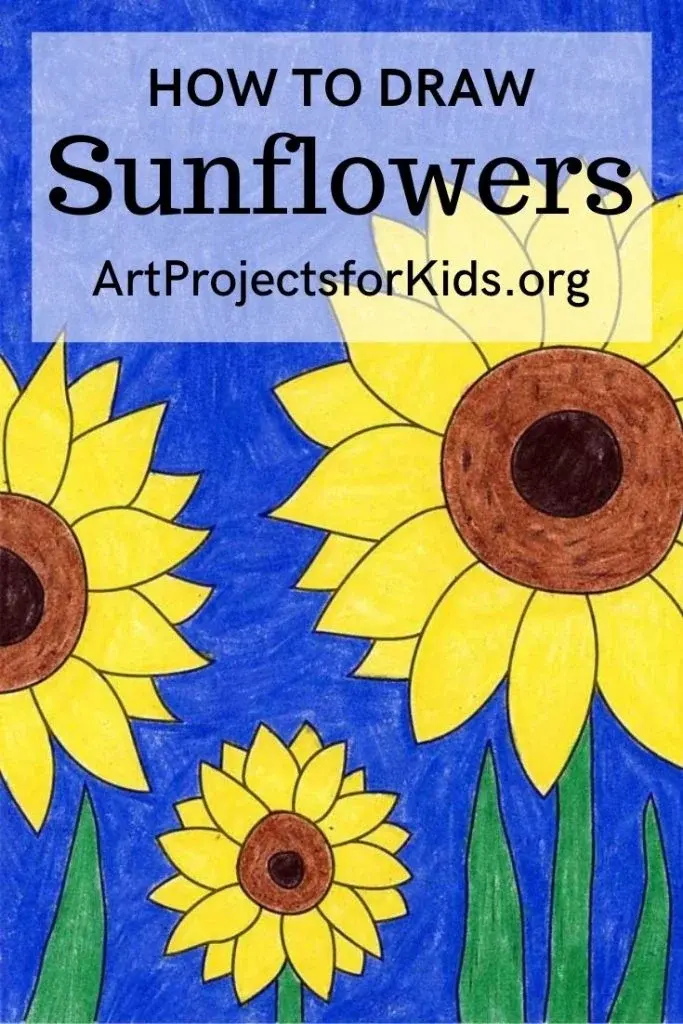
To begin, start with a light pencil sketch. Draw a medium-sized circle in the center of your paper to represent the seed head. Surround this with a slightly larger circle to act as a guide for the length of your petals. This foundational structure ensures your sunflower remains symmetrical and balanced before you add complex details.
Once the circles are in place, lightly draw a line extending downward from the bottom of the circle to serve as the stem. Keep your lines faint so they can be easily erased or covered later. Using a 2B pencil is ideal for these initial stages because it allows for soft, manageable strokes that do not indent the paper surface.
- Draw a central circle for the disk florets.
- Add a larger surrounding circle for petal boundaries.
- Sketch a vertical line for the stem.
- Define the base of the flower head where it meets the stem.
Best tools for drawing sunflowers
While you can draw with any standard pencil, using a variety of graphite grades enhances your work. Harder pencils, such as 2H, are excellent for the initial light outlines, while softer pencils like 4B or 6B are better for creating the deep, rich shadows found in the center of the flower. Using a kneaded eraser is also highly recommended because it can be molded into precise points to lift graphite and create highlights.
For the final touches, consider using a fine-liner pen or a sharp-tipped charcoal pencil to define the edges. High-quality drawing paper with a slight tooth, or texture, helps the graphite grip the surface, allowing for better layering and blending. Avoid using standard printer paper, as it is often too thin and smooth to hold multiple layers of shading, which can lead to smudging and an uneven, messy appearance.
How to add detail to sunflower petals
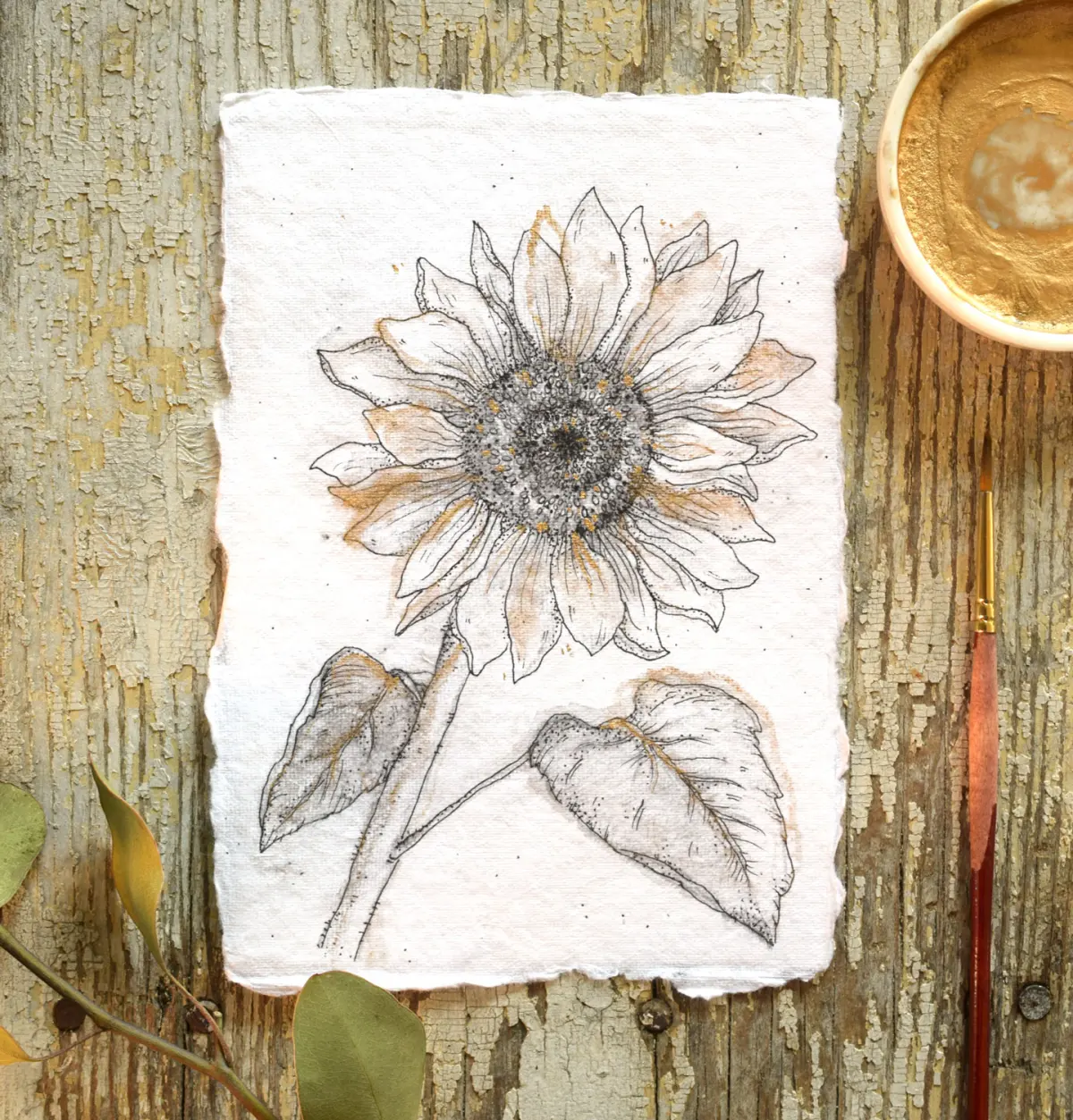
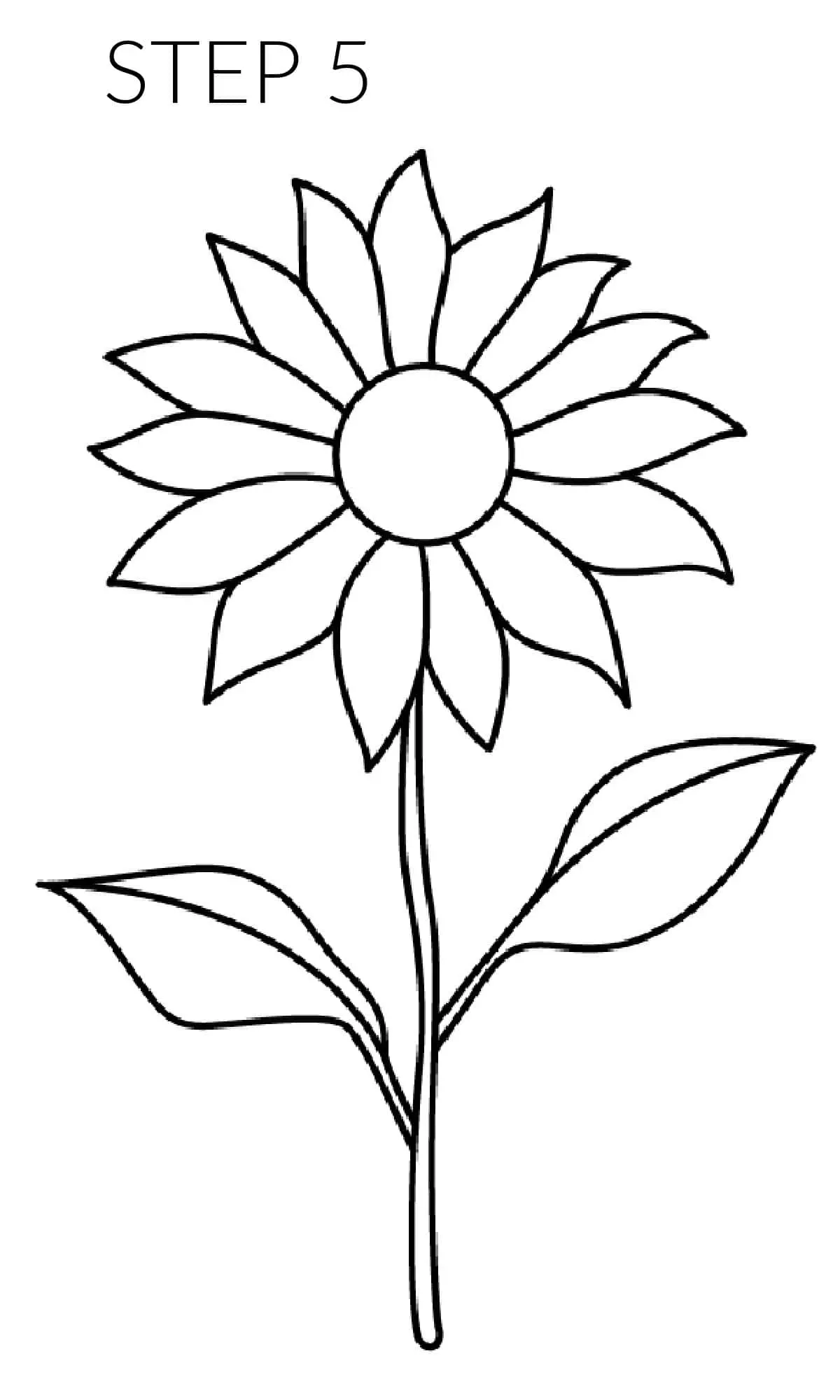
Sunflowers are defined by their long, pointed petals that radiate outward from the center. Start by sketching these petals as elongated ovals, ensuring they overlap slightly to create a natural, dense look. Vary the size and slight curves of each petal to avoid a rigid, mechanical appearance. Remember that petals in the back should appear shorter or partially hidden by those in the front.
After outlining the shapes, add a single line down the center of each petal to represent the vein. This simple detail adds significant depth and realism. You can also add small, jagged notches at the tips of some petals to mimic the natural wear and tear found in real flowers. Focus on making the petals look slightly asymmetrical, as nature rarely produces perfectly uniform shapes in blooming plants.
- Sketch petals as elongated, slightly pointed ovals.
- Overlap petals to create a sense of volume.
- Draw a central vein line on every petal.
- Add small imperfections to the tips for realism.
Why sunflower centers look textured
The center of a sunflower is a complex collection of tiny disk florets. To represent this texture, avoid drawing a solid dark circle. Instead, use a cross-hatching technique or small, tight loops to fill the area. Start by making your marks darker and more concentrated toward the outer edge of the seed head, leaving the center slightly lighter to suggest a rounded, three-dimensional form.
If you are aiming for a highly realistic look, you can draw a grid of small diamonds or hexagons within the circle. This mimics the actual botanical arrangement of seeds in a sunflower head. By varying the pressure of your pencil, you can create a gradient that makes the center look like it is bulging outward. This shading technique is essential for transforming a flat, two-dimensional drawing into a convincing representation of a heavy, seed-filled flower head.
Common mistakes when drawing sunflowers
One of the most frequent errors is making the stem too thin. Sunflowers are heavy plants with thick, sturdy stalks that must support a large, nutrient-dense head. If your stem looks like a fragile wire, the entire drawing will lose its sense of balance and weight. Always draw the stem with a noticeable thickness, and consider adding a slight curve to make it look more organic and graceful.
Another common mistake is neglecting the connection point between the head and the stem. The flower head does not simply sprout from a line; it sits upon a receptacle, which is a small, cup-like structure. Failing to draw this base makes the flower appear as if it is floating. Additionally, avoid making all petals identical in length and width. Nature is filled with subtle variations, and drawing every petal exactly the same will make your sunflower look like a manufactured plastic decoration rather than a natural, living organism.
Key facts
- Sunflowers exhibit heliotropism, meaning young flower buds turn to face the sun throughout the day.
- The botanical name for the common sunflower is Helianthus annuus, derived from the Greek words for sun and flower.
- A sunflower head is actually a composite flower made of hundreds of tiny individual florets.
- To draw a realistic sunflower, start by sketching a circle for the center and radiating petals around the perimeter.
- Using a cross-hatching technique in the center creates the texture of the seed-bearing disc florets.
- Varying the length and width of your petals adds natural movement and prevents the drawing from looking too uniform.
The bottom line
Drawing a sunflower requires balancing geometric structure with organic detail. Begin by establishing the central disc, then layer your petals with intentional variation to capture a natural look. Focus on shading the base of the petals and texturing the center to provide depth. By observing the plant’s asymmetrical growth patterns, you can transform a simple sketch into a vibrant, realistic representation of this iconic bloom.
People also ask
What is the best medium for drawing a sunflower?
Graphite pencils are excellent for beginners to practice shading and texture. If you want to capture the vibrant colors of the petals, colored pencils or soft pastels provide the best depth and saturation.
How do I make the center of the sunflower look realistic?
Instead of drawing a plain circle, use a grid pattern or small dots to represent the individual seeds. Darken the edges of the center to give it a three-dimensional, rounded appearance.
Why do my flower petals look stiff?
Avoid making every petal the exact same size or shape. Add slight curves, overlaps, and variations in width to mimic the organic, asymmetrical nature of real sunflowers.
Should I draw the stem and leaves?
Adding a sturdy, thick stem with large, heart-shaped leaves provides essential context. A thick stem reinforces the weight of the heavy flower head, making the drawing more believable.
How do I create depth in the petals?
Use a darker shade at the base of each petal where it meets the center disc. Gradually lighten the color toward the tips to create a sense of light hitting the surface.
Is it better to start from the center or the edges?
Starting from the center is generally easier because it acts as an anchor for the rest of the drawing. Once the center is placed, you can gauge the proportions of the petals more accurately.
This answer was created with the help of AI research tools and reference sources. Spotted an error? Let us know — we correct mistakes quickly. See our editorial policy.