Painting & Color
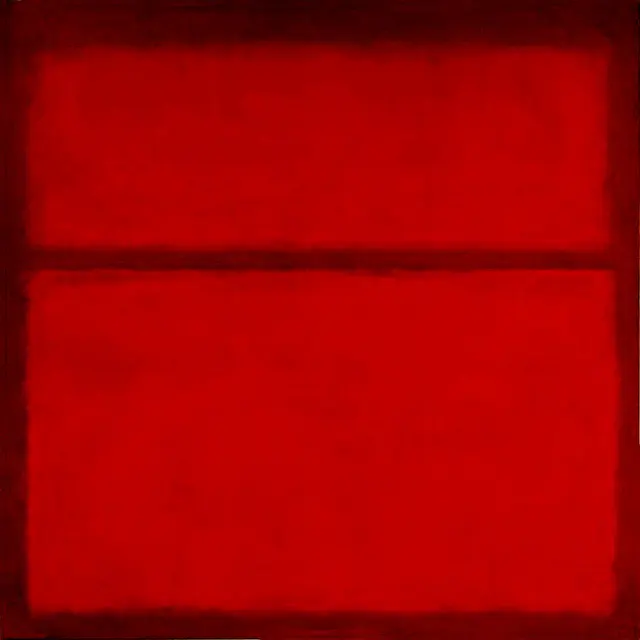
What does the color red mean in art?
Red is a powerful, high-energy color in art, traditionally representing blood, fire, passion, and authority. Because it has the…
Watercolor, acrylic and oil painting, color theory and mixing.
Red is a powerful, high-energy color in art, traditionally representing blood, fire, passion, and authority. Because it has the…

Francisco Goya’s The Third of May 1808 is famous for revolutionizing Western art by depicting the raw, unheroic brutality of…
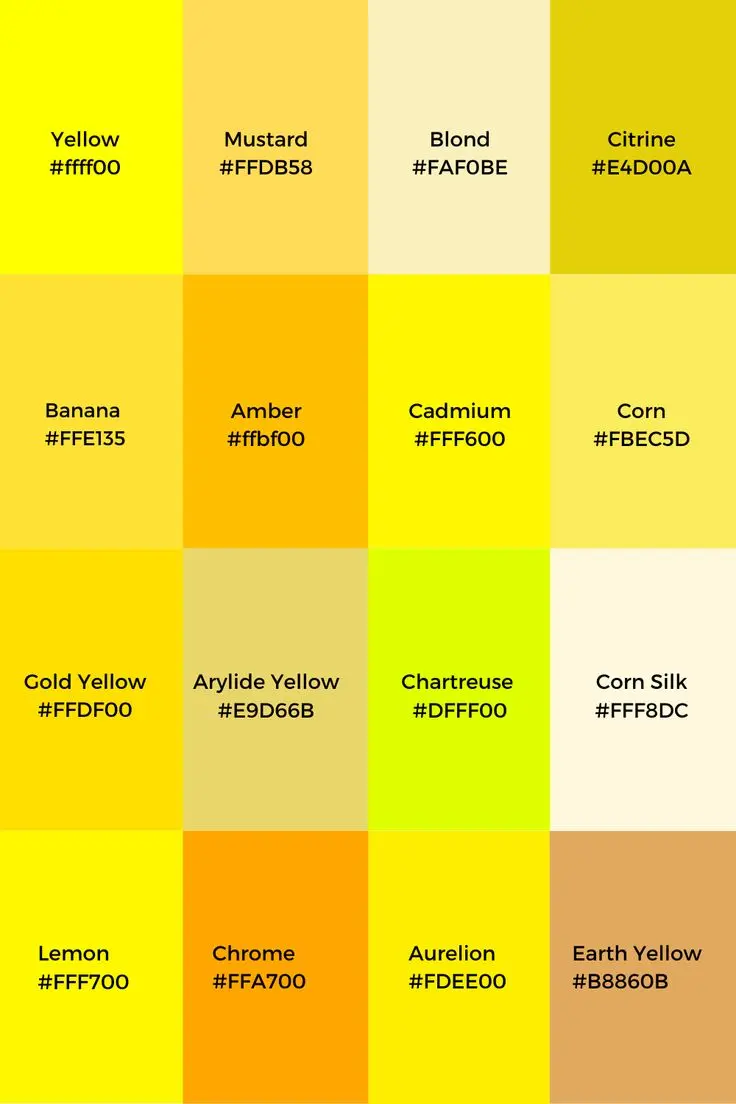
Yellow pairs beautifully with neutrals like gray, white, and navy, which ground its brightness. For bold contrasts, pair it with…
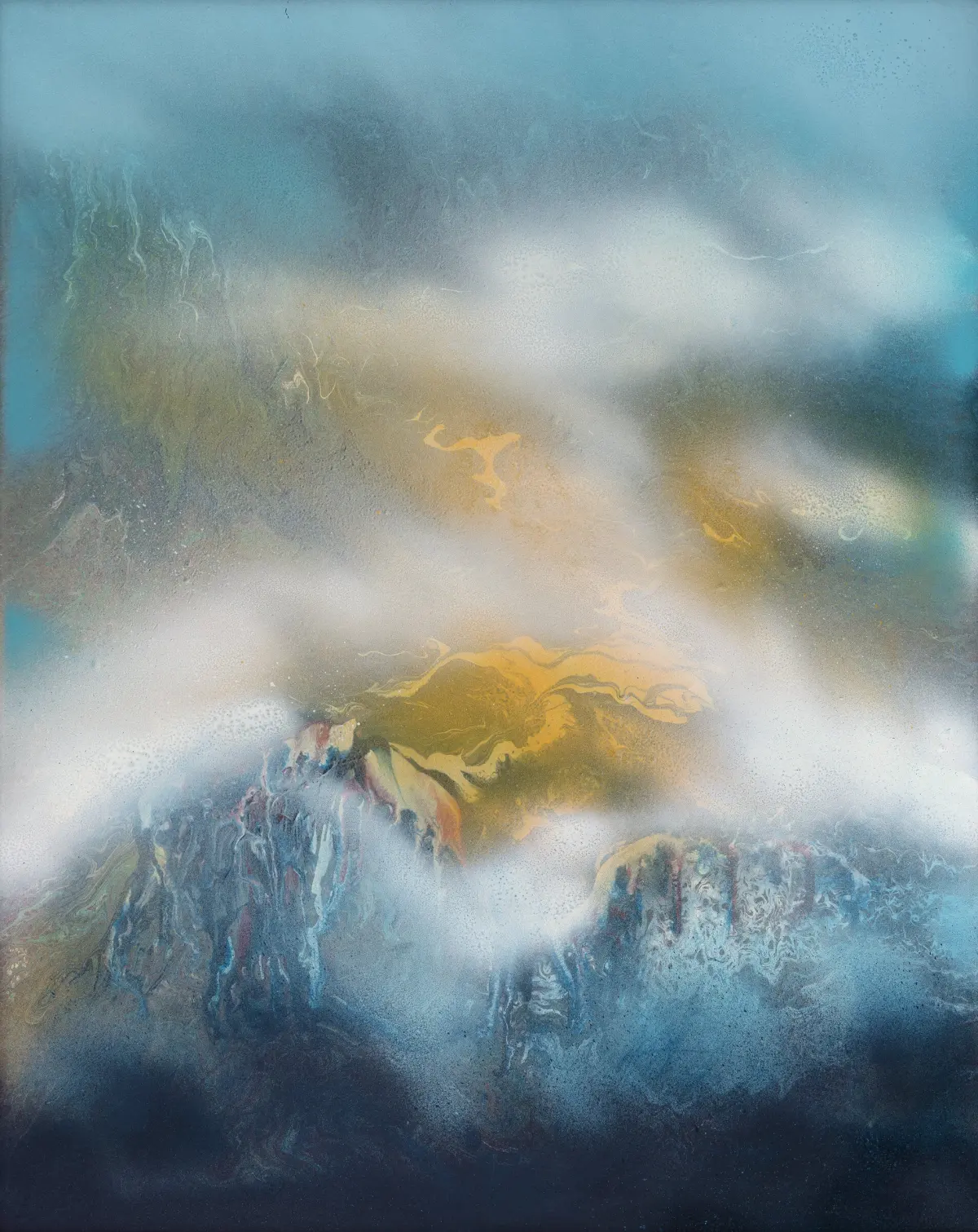
Painting fog in watercolor requires managing moisture levels to create soft, diffused edges. By using the wet-on-wet technique…
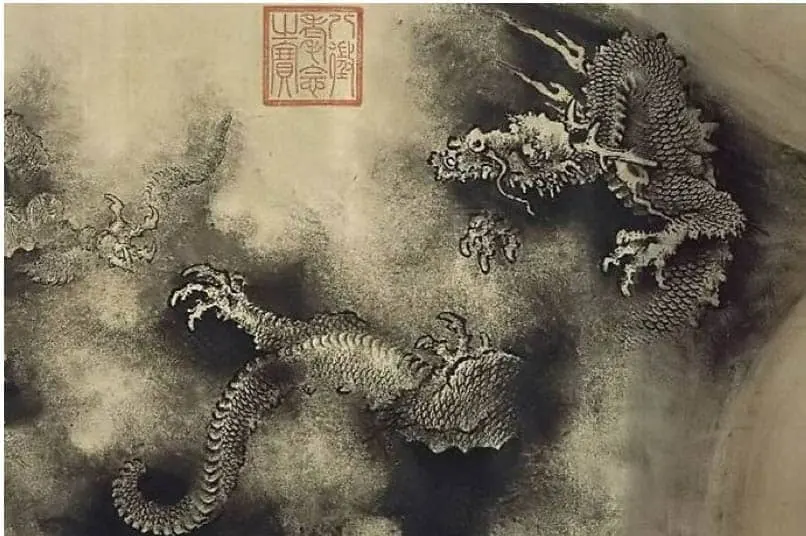
Dragons symbolize a vast spectrum of human experience, ranging from primordial chaos and malevolent evil to wisdom, imperial…
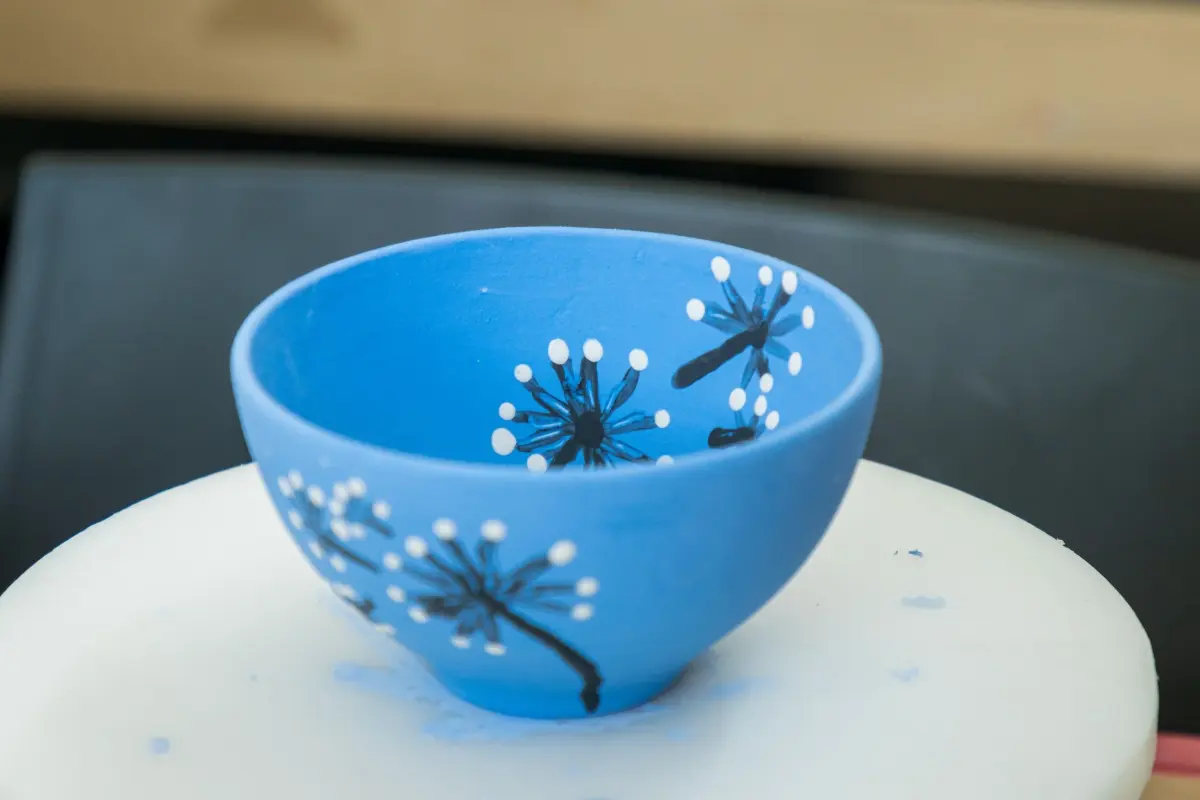
Painting pottery involves applying specialized ceramic glazes or underglazes to either raw clay or bisque-fired ware. You must…
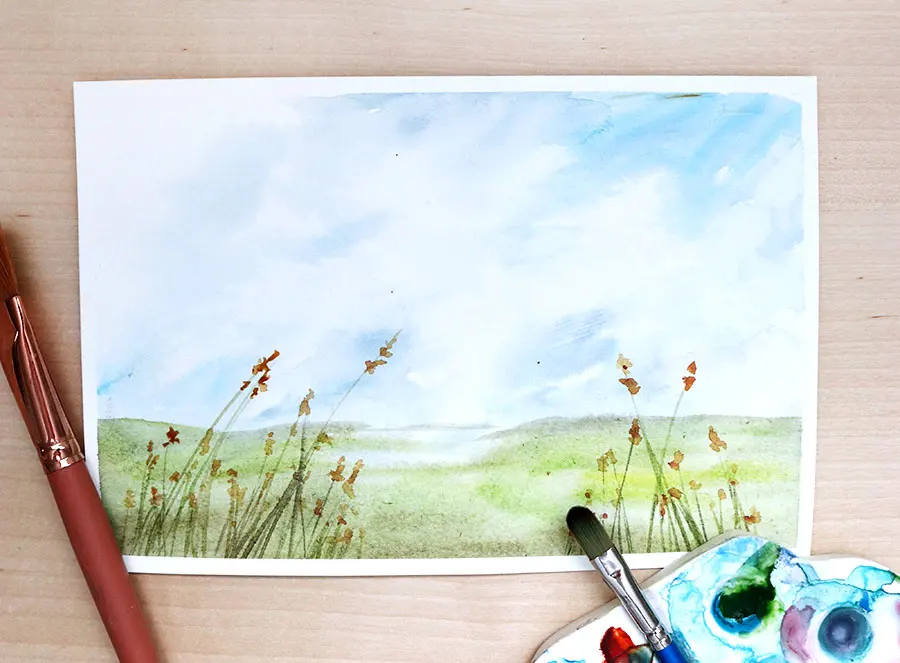
Painting clouds in watercolor requires a "negative painting" approach or a "wet-on-wet" technique. By applying water to the…
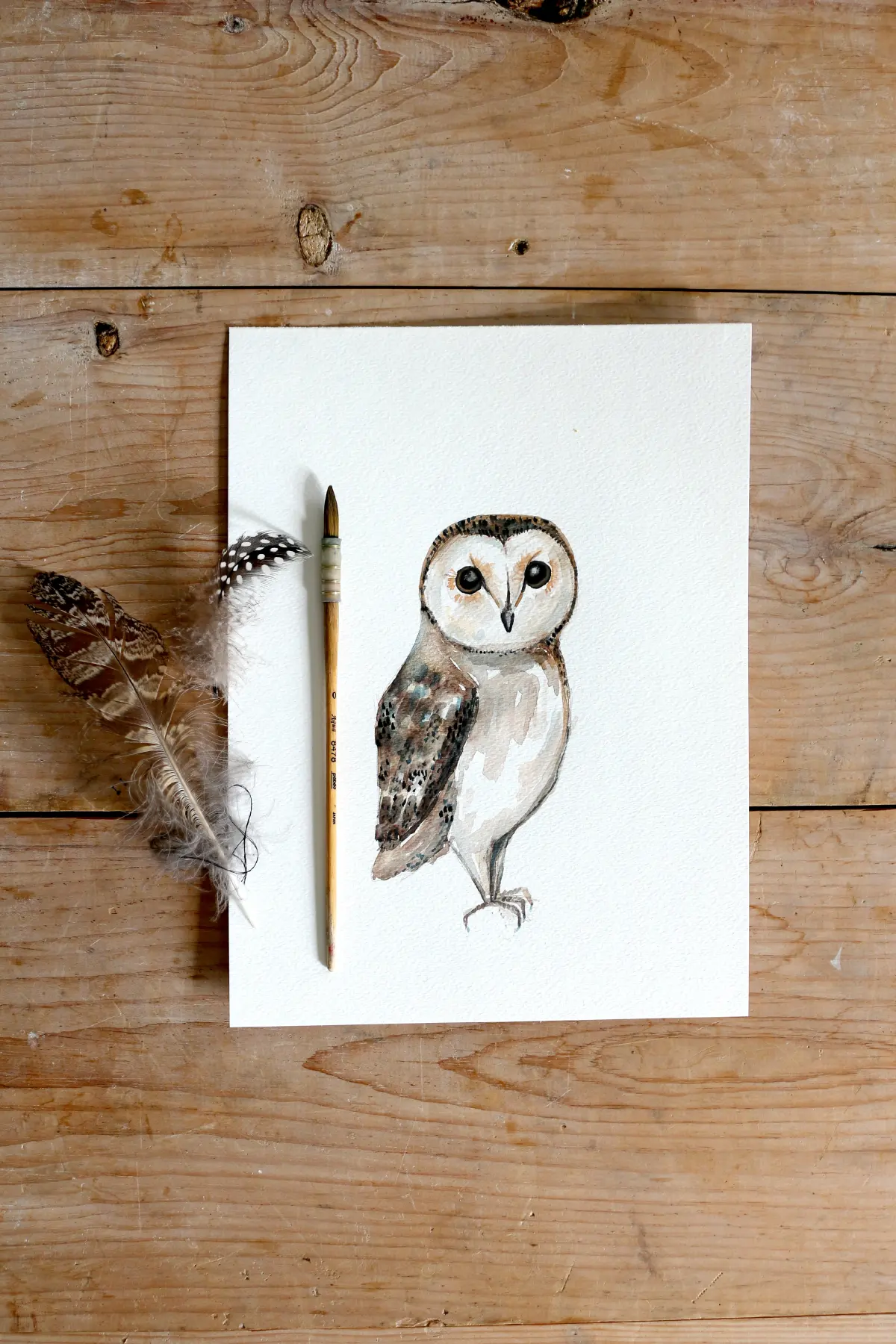
Painting an owl with watercolor requires layering light washes to build texture, starting with the eyes and facial disk. Focus…
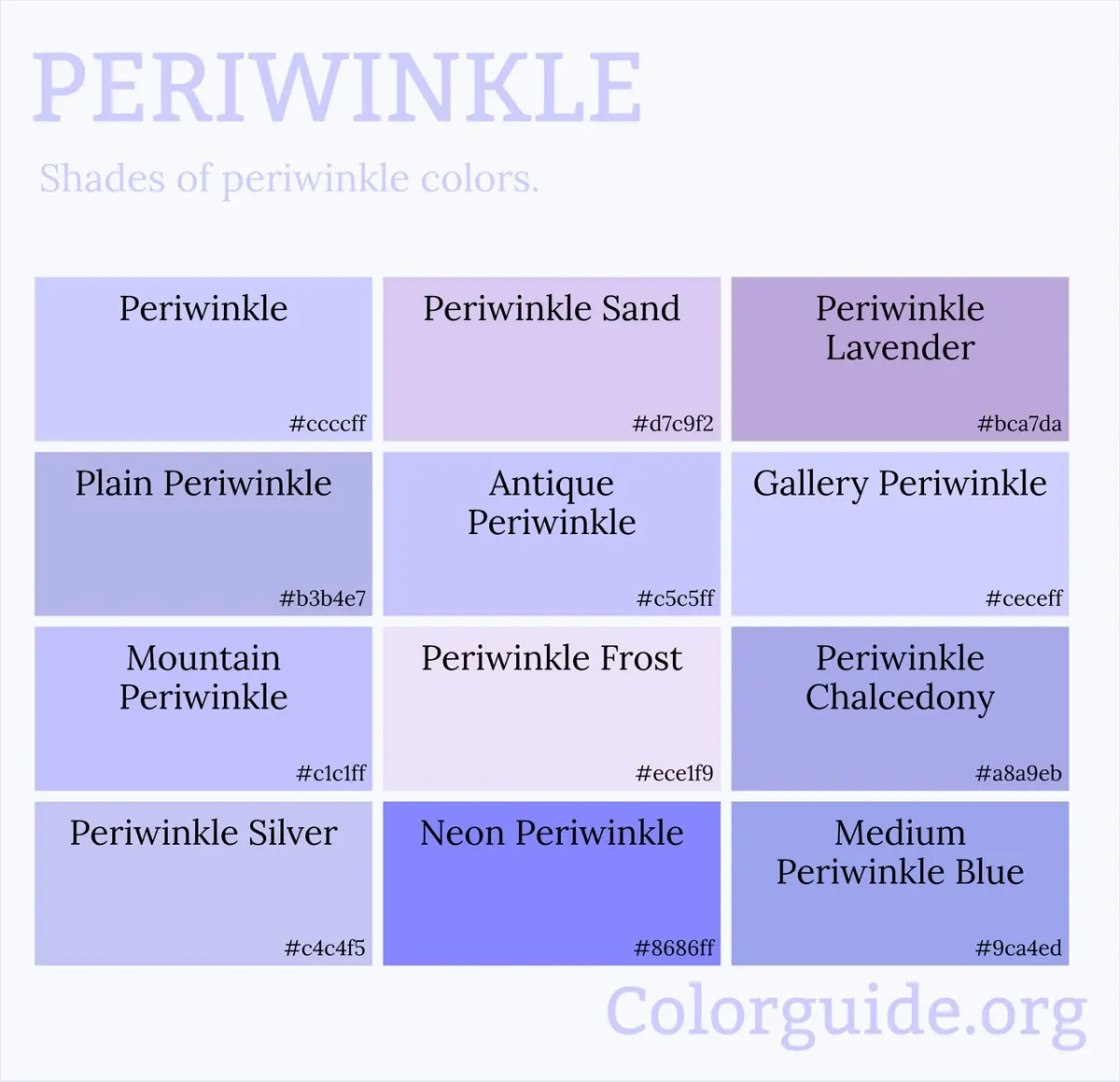
Periwinkle is created by mixing blue and white with a small amount of red or violet. This combination results in a soft, pastel…
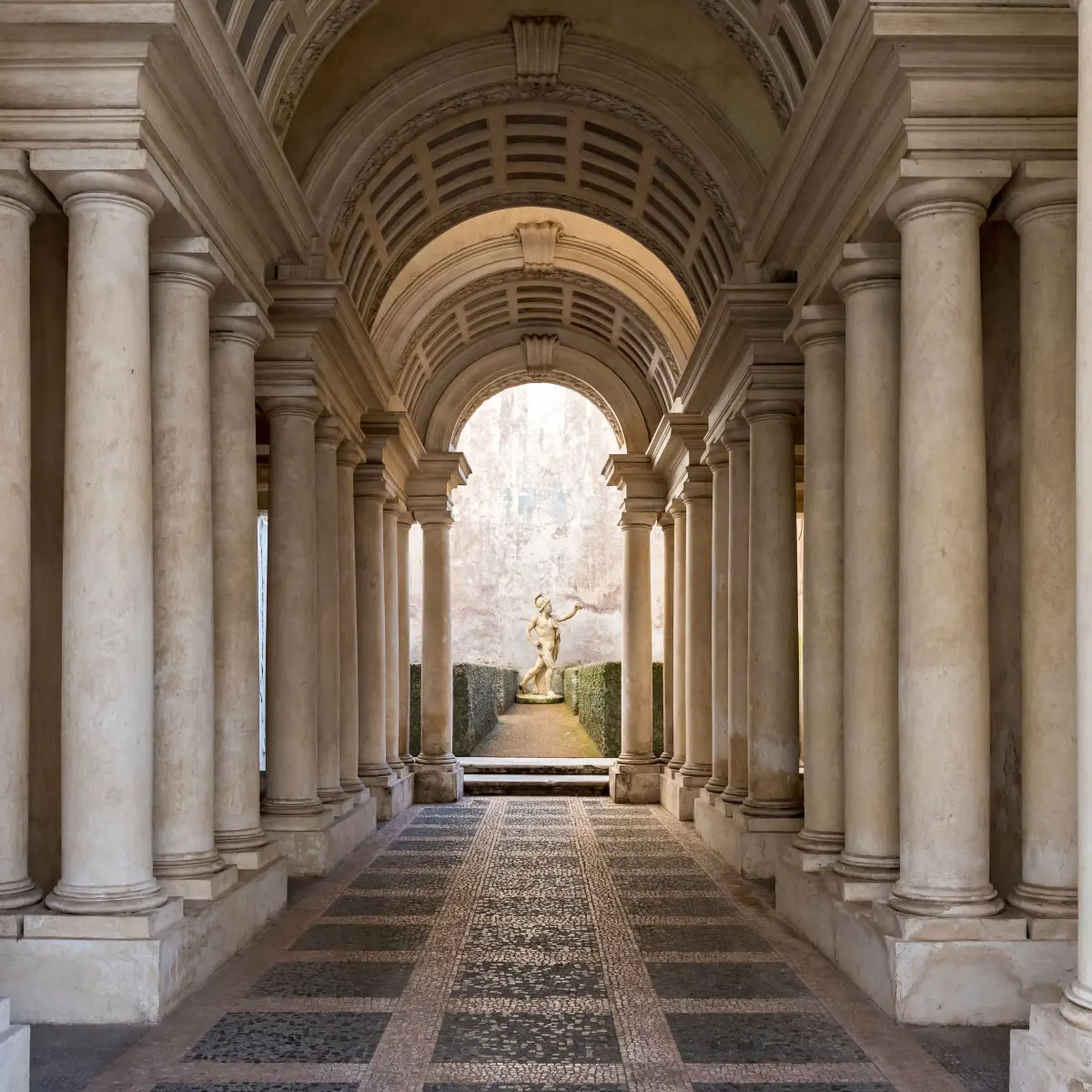
Trompe l’oeil is a French term meaning "deceive the eye," referring to a realistic painting technique designed to create the…
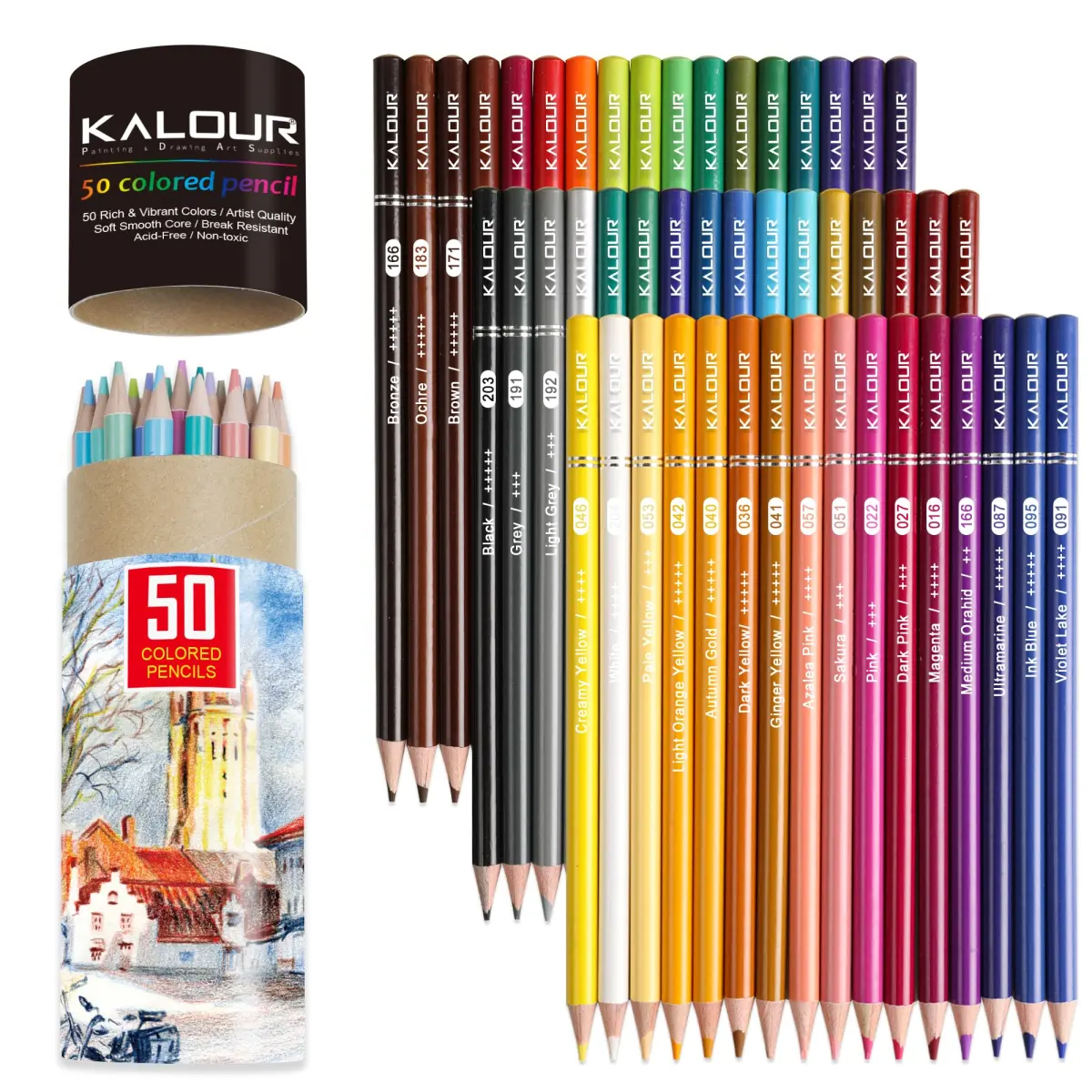
Coloring shadows with colored pencils requires moving beyond black or grey to create depth and realism. By selecting…
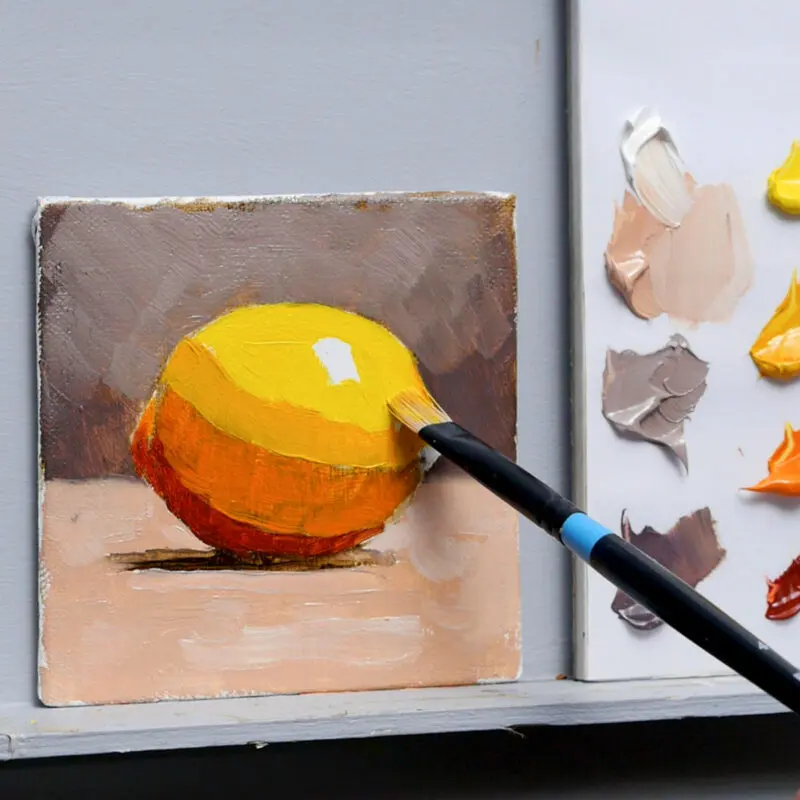
Student-grade oil paints are the best choice for beginners. Brands like Winsor & Newton Winton, Gamblin 1980, and Van Gogh offer…
Beige is created by mixing a primary base of white with small, incremental amounts of yellow and brown. Depending on the desired…
Silver is a versatile, cool-toned metallic that pairs beautifully with both monochromatic palettes and bold contrasts. It excels…
The lion is a potent symbol of power, courage, royalty, and divine protection in art. Often depicted as the "king of beasts," it…
Painting water with acrylics requires layering transparent glazes over an opaque base to simulate depth and reflection. By using…
Painting on wood requires thorough surface preparation, including sanding and priming, to ensure a professional finish. By…
Orange is a secondary color created by mixing the primary colors red and yellow together. In the standard RYB color model used…
Yes, you can paint oil over acrylic, but you must never paint acrylic over oil. Acrylic paint provides a stable, flexible base…
You can restore a frayed paintbrush by using heat and gentle pressure to reshape the bristles. For synthetic brushes, a quick…
The primary difference between student and artist grade paint lies in the ratio of pigment to binder. Artist grade paints…
Painting autumn leaves in watercolor requires layering transparent pigments, starting with light yellows and gradually adding…
Yes, you can use watercolor on canvas, but standard canvas is not naturally absorbent. Because watercolor relies on paper fibers…
The lily is a profound symbol in art, primarily representing purity, innocence, and divine grace. Most famously associated with…