Why do we like symmetry?
Short answer
Humans prefer symmetry because it signals health, stability, and efficiency. Evolutionarily, symmetrical features in nature often indicate genetic fitness and safety, while symmetrical objects are easier for the brain to process quickly. This cognitive shortcut reduces mental effort, creating a sense of order, balance, and aesthetic pleasure in our environment.
On this page
Why symmetry feels good to the brain
The human brain is a pattern-recognition machine that constantly seeks to minimize cognitive load. When we encounter a symmetrical object, our visual system processes the information much faster than it would for an asymmetrical one. Because one half of the object mirrors the other, the brain only needs to store half the data to understand the whole. This efficiency triggers a positive neurochemical response, often interpreted as a feeling of harmony or beauty.
Psychologists refer to this as "fluency," where the ease of processing information leads to a preference for the stimulus. This is why we find symmetrical faces more attractive and orderly rooms more relaxing. By reducing the complexity of our visual field, symmetry provides a sense of predictability and control. In an unpredictable world, these balanced structures act as anchors that allow our minds to rest from the effort of constant interpretation.
How evolution shaped our preference
From an evolutionary standpoint, symmetry is a reliable proxy for biological quality. In the animal kingdom, bilateral symmetry is often disrupted by parasites, diseases, or developmental mutations. Therefore, an organism that maintains perfect symmetry is likely to have robust genes and a strong immune system. We are hardwired to seek out these signs of health in potential mates and even in the food we choose to consume.
This instinct extends beyond biology into our survival strategies. We associate asymmetry with instability, danger, or decay—such as a rotting piece of fruit or a predator with a limp. Conversely, we associate symmetry with safety and reliability. This preference is deeply embedded in our subconscious, influencing everything from how we arrange our furniture to the architectural styles we find most comforting. Over millennia, this evolutionary bias has become a fundamental component of human aesthetic judgment.
How to use symmetry in design
Using symmetry effectively requires a balance between order and interest. While perfect symmetry creates a formal and authoritative atmosphere, it can sometimes feel sterile or boring if applied too rigidly. Designers often use "near-symmetry" or "asymmetrical balance" to maintain visual stability while adding a layer of sophisticated complexity. To incorporate these principles into your own environment, consider these steps:
- Identify the focal point of the room, such as a fireplace or a large window.
- Place identical items, like lamps or chairs, on either side of that focal point to create a mirrored axis.
- Introduce subtle variations in color or texture to prevent the space from feeling like a museum display.
- Use asymmetrical elements, such as a piece of art or a plant, to break up the monotony if the room feels too rigid.
Common mistakes when using symmetry
The most common error is over-relying on symmetry, which can lead to a space that feels lifeless or "staged." When every piece of furniture is perfectly mirrored, the room loses its personality and warmth. This is often seen in hotel lobbies or formal dining rooms, where the desire for prestige overrides the need for comfort. To avoid this, you must introduce "visual weight" that balances the room without requiring identical objects.
- Avoid placing identical pairs of furniture in every corner, as this creates a claustrophobic, box-like effect.
- Do not ignore the function of a space in favor of its appearance; a perfectly symmetrical desk might be impractical if it lacks storage on one side.
- Resist the urge to make everything match perfectly; instead, focus on balancing the size and color intensity of objects.
- Remember that negative space is just as important as the objects themselves, so do not clutter every symmetrical axis.
Why nature relies on symmetry
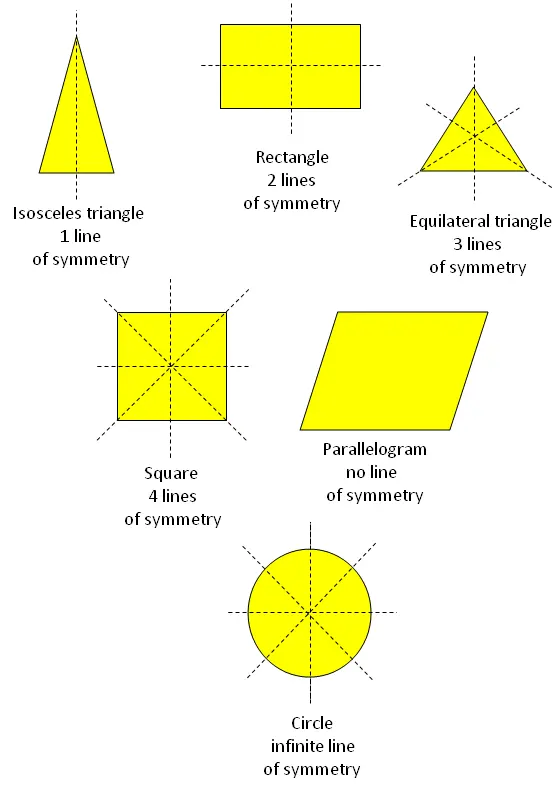
Nature employs symmetry as a functional necessity rather than a purely aesthetic choice. In physics and biology, symmetry often represents the most efficient way to distribute energy or mass. For example, the radial symmetry of a snowflake allows for uniform growth in all directions, while the bilateral symmetry of a fish allows for efficient, streamlined movement through water. These structures are not just beautiful; they are optimized for survival in specific environments.
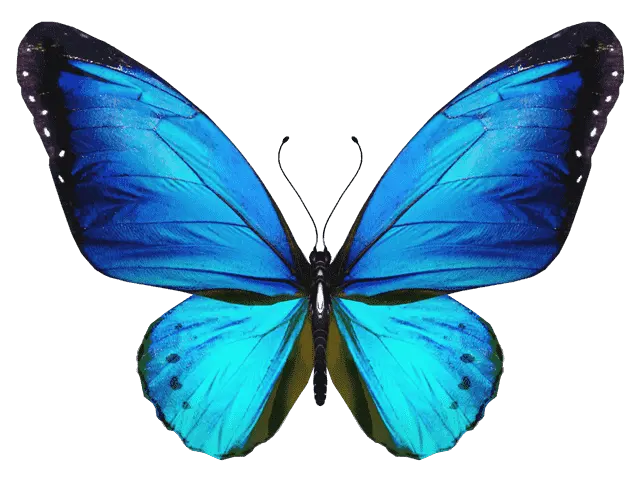
When we observe these patterns in the wild, we are subconsciously recognizing the efficiency of the natural world. This connection reinforces our preference for symmetry, as we perceive these shapes as "correct" or "natural." Whether it is the petals of a flower or the wings of a butterfly, these forms represent a mastery of geometry that we strive to emulate in our own creations. By surrounding ourselves with these balanced forms, we align our human-made environments with the fundamental patterns that govern the growth and movement of life on Earth.
Key facts
- Humans possess a biological preference for bilateral symmetry, which researchers associate with evolutionary indicators of health and genetic fitness.
- The "Golden Ratio" (approximately 1.618) is a mathematical proportion frequently found in symmetric natural objects that humans perceive as aesthetically pleasing.
- Cognitive processing is more efficient when viewing symmetric patterns, as the brain requires less energy to encode and store organized visual information.
- In architecture, the principle of symmetry has been used since antiquity, notably in the Parthenon, to convey stability, power, and divine order.
- To improve your own photography, use the "rule of thirds" to balance symmetric subjects rather than placing them dead-center, which can sometimes appear static or boring.
- A common mistake in design is over-reliance on perfect symmetry, which can make a space feel sterile or artificial; introduce "asymmetric balance" to add visual interest.
The bottom line
Our preference for symmetry is rooted in both evolutionary biology and cognitive efficiency. By favoring balanced, organized patterns, our brains process visual information more rapidly and perceive objects as stable and healthy. While symmetry provides a foundational sense of order and beauty in nature and design, incorporating subtle asymmetry is essential for creating depth, movement, and a more natural, human-centered aesthetic in our daily environments.
People also ask
Is symmetry always considered beautiful?
While symmetry is often linked to beauty, excessive symmetry can be perceived as monotonous or unnatural. Designers often use "dynamic symmetry" to create balance without the rigidity of a perfect mirror image.
Why do we find faces with symmetric features more attractive?
Evolutionary psychology suggests that humans equate facial symmetry with developmental stability and health. We are biologically hardwired to seek partners who appear to have strong immune systems and genetic resilience.
Does symmetry exist in nature outside of living organisms?
Yes, symmetry is prevalent in non-living systems, such as the hexagonal structure of snowflakes or the radial symmetry of crystals. These patterns emerge from the laws of physics and chemistry rather than biological selection.
How can I use symmetry to make my home look better?
Use symmetry to create focal points, such as placing matching lamps on either side of a bed or sofa. This creates a sense of order and calm, though you should mix in textures to avoid a clinical look.
Why do some people prefer asymmetry?
Asymmetry is often associated with movement, energy, and spontaneity. In art and modern architecture, it is used to challenge the viewer’s expectations and create a more engaging, human-centric experience.
Can symmetry affect how we read information?
Yes, symmetric layouts in graphic design often guide the eye toward the center of a page. However, asymmetric layouts are frequently more effective at creating a visual hierarchy that highlights specific call-to-action buttons.
This answer was created with the help of AI research tools and reference sources. Spotted an error? Let us know — we correct mistakes quickly. See our editorial policy.