What is minimalist design?
Short answer
Minimalist design is a philosophy focused on stripping away unnecessary elements to emphasize functionality and simplicity. By prioritizing essential forms, clean lines, and a restrained color palette, it seeks to reduce visual clutter. This approach creates spaces and products that are purposeful, efficient, and aesthetically calm, favoring "less is more" over ornamentation.
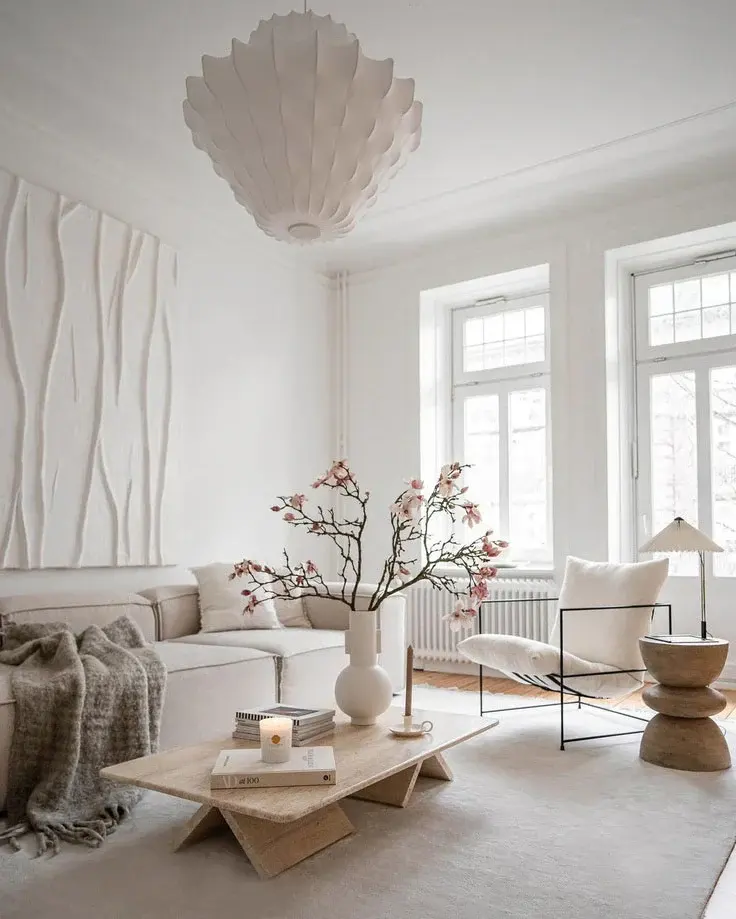
On this page
What are the core principles of minimalist design?
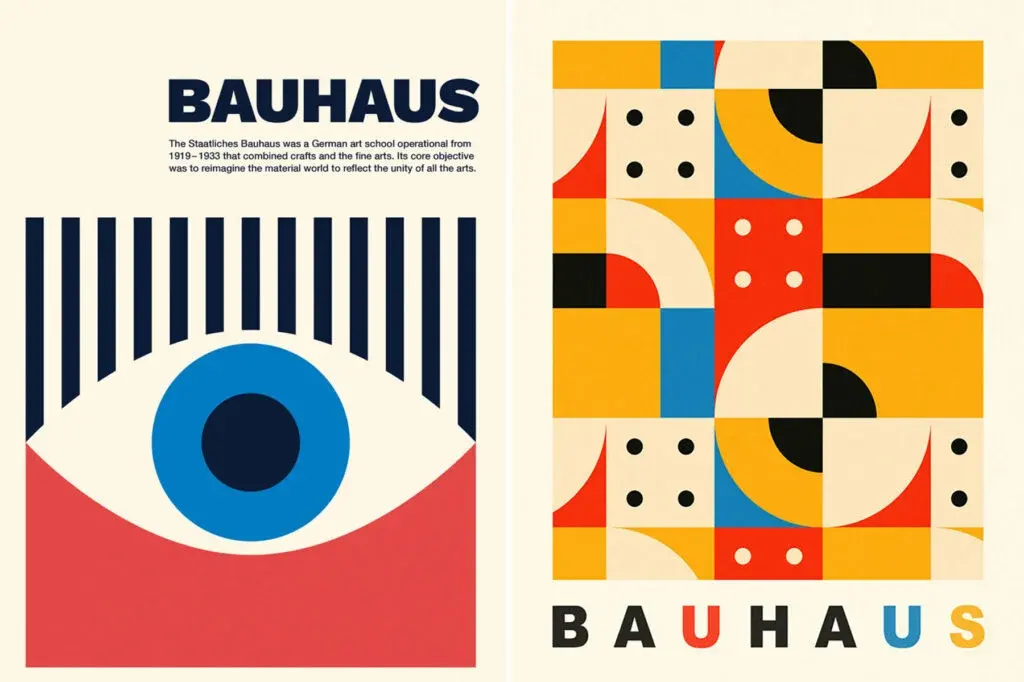
Minimalist design is rooted in the concept that beauty emerges from clarity and utility. Designers focus on the "essential," removing decorative flourishes that do not serve a specific purpose. This movement draws heavy inspiration from the Bauhaus school of the early 20th century, which championed the idea that form should follow function. By emphasizing geometric shapes, open space, and high-quality materials, minimalism achieves a sense of balance and harmony.
The philosophy extends beyond mere aesthetics into the realm of psychology. A minimalist environment aims to reduce cognitive load by eliminating distractions, allowing the user to focus entirely on the task at hand. Whether applied to architecture, interior design, or digital interfaces, the goal remains consistent: to provide a seamless experience where every element has a reason for existing.
- Prioritize functionality over decoration.
- Utilize a neutral color palette to create visual cohesion.
- Emphasize negative space to highlight key features.
- Select high-quality, durable materials that age gracefully.
How to incorporate minimalism into your home
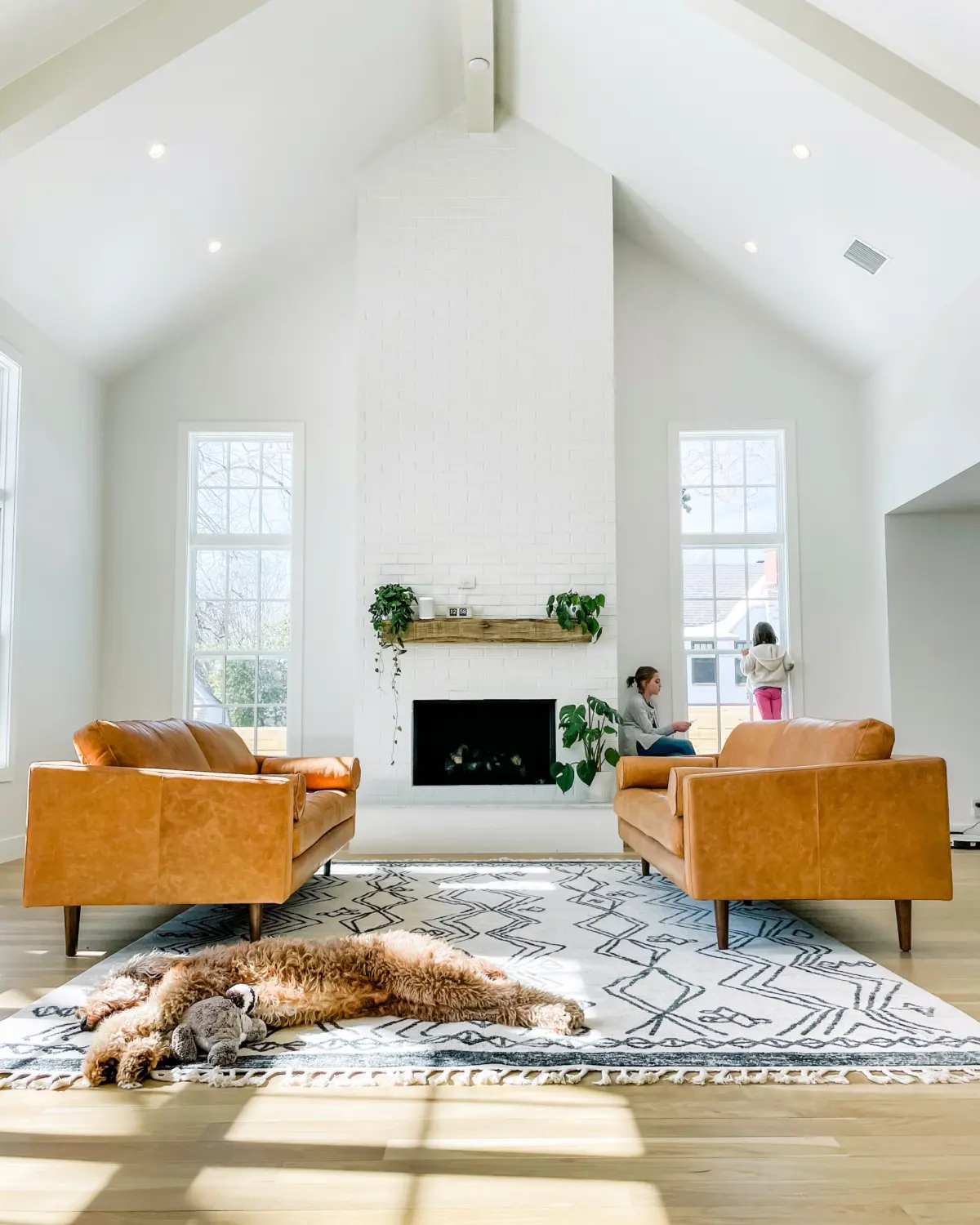
Achieving a minimalist home requires a deliberate process of curation rather than just emptying a room. Start by evaluating every object you own and asking if it serves a practical function or provides genuine joy. Minimalism is not about living in an empty white box, but about creating a space where your most important items are given the room they need to be appreciated.
To begin your transition, focus on one room at a time to avoid feeling overwhelmed. Clear all surfaces of non-essential items, storing them away or donating them if they are redundant. When selecting furniture, look for pieces with clean lines and hidden storage capabilities, which help maintain a tidy appearance. Keep textiles and wall colors muted to ensure the space feels expansive and tranquil rather than sterile.
- Declutter surfaces by removing decorative knick-knacks.
- Invest in multi-functional furniture, such as ottomans with storage.
- Choose a monochromatic or neutral color scheme for walls and floors.
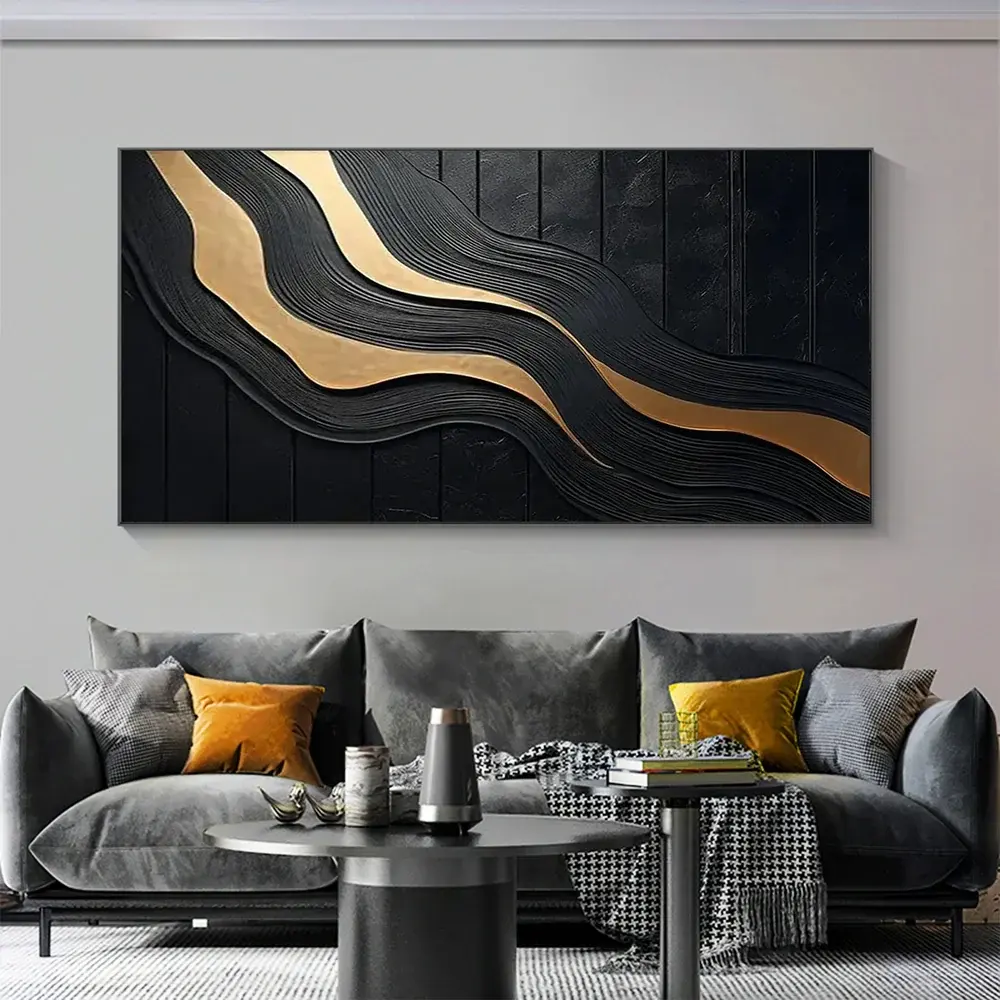
- Limit wall art to one or two impactful, meaningful pieces.
- Ensure every item has a dedicated place to be stored.
Why minimalist design is popular in modern technology
In the digital age, minimalism has become the standard for user interface and user experience design. As screens became smaller and information density increased, developers realized that complex, cluttered interfaces hindered usability. By adopting minimalist principles, designers like those at Apple or Google have created intuitive systems where navigation is effortless, and the content remains the primary focus of the user.
Minimalism in tech relies on generous whitespace, simple typography, and clear visual hierarchies. This approach reduces the time it takes for a user to learn how to navigate an application or website. By stripping away extraneous buttons, gradients, and shadows, digital products become faster and more accessible. This efficiency is not just a stylistic choice; it is a functional necessity in a world where users demand instant gratification and ease of use.
Common mistakes when practicing minimalism
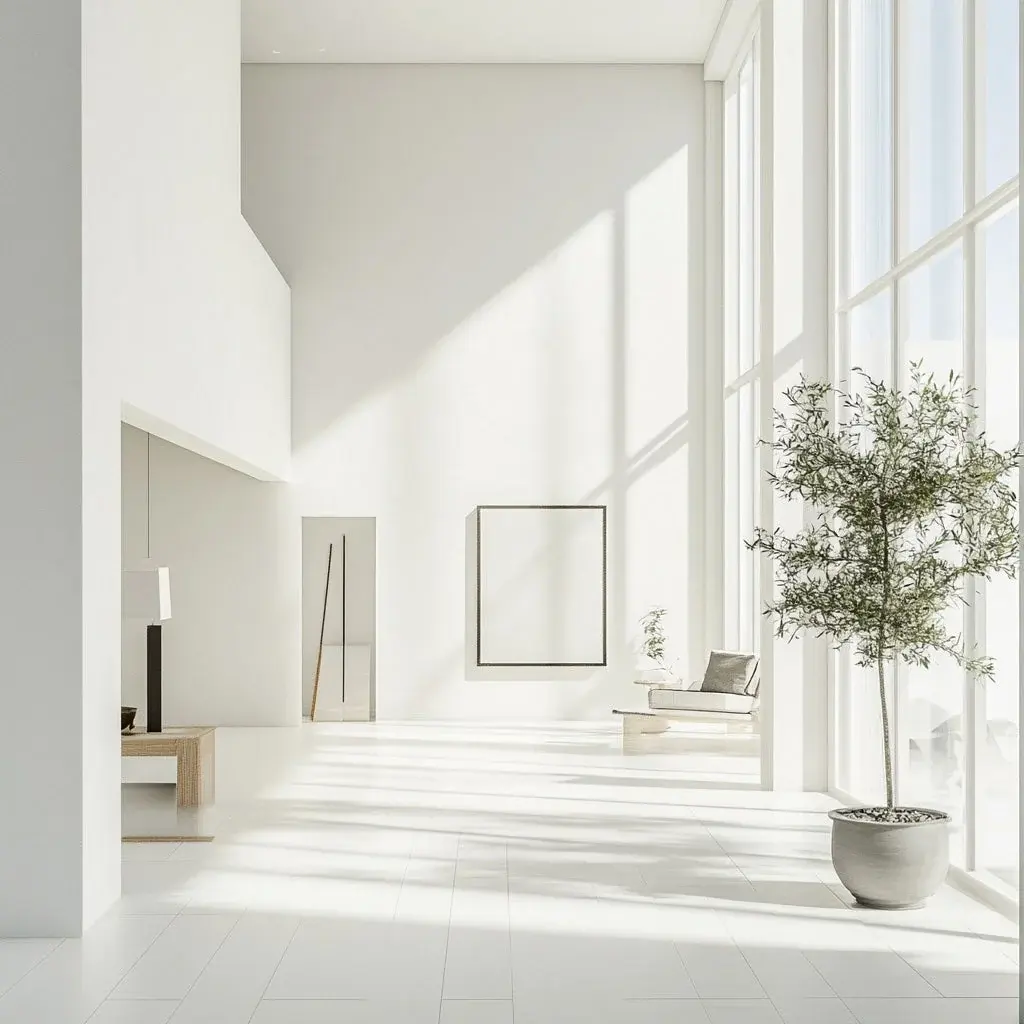
The most frequent error people make is confusing minimalism with austerity or coldness. Many beginners discard essential items or avoid color entirely, resulting in a space that feels unwelcoming rather than peaceful. Minimalism should not be a sacrifice of comfort; it should be an enhancement of your quality of life. If a room feels uncomfortable or lacks personality, you have likely removed too much.
Another common mistake is purchasing "minimalist-style" items to replace perfectly functional belongings. Minimalism is fundamentally about sustainability and consumption reduction, not about buying new, trendy furniture that happens to look simple. Avoid the trap of "aesthetic minimalism," where the goal is simply to look like a curated social media photo. True minimalism is a personal practice that adapts to your unique lifestyle needs rather than a rigid set of rules that everyone must follow.
How to maintain a minimalist lifestyle long-term
Maintaining a minimalist environment requires a shift in consumption habits. Once you have cleared your space, you must be vigilant about what you bring back into it. Before making a new purchase, consider the "one-in, one-out" rule: for every new item you bring home, an old one must be removed. This simple practice prevents the gradual accumulation of clutter that naturally occurs over time.
Regular maintenance is also key to keeping a minimalist space functional. Spend a few minutes each evening resetting your environment, returning items to their designated homes. This habit prevents the buildup of daily debris and ensures that your space remains a sanctuary. Remember that minimalism is a journey, not a destination; your needs will change, and your space should evolve to reflect those changes while continuing to prioritize clarity and intentionality above all else.
Key facts
- Minimalist design follows the principle that "less is more," popularized by architect Ludwig Mies van der Rohe in the mid-20th century.
- The aesthetic relies on a limited color palette, typically neutral tones like white, gray, or black, to reduce visual noise.
- Functionalism is a core tenet, meaning every object or element in a space must serve a clear, practical purpose.
- Negative space, or "white space," is used intentionally to draw focus to essential items rather than filling every gap.
- High-quality materials like wood, glass, and metal are preferred over ornate textures to emphasize clean lines and durability.
- To practice minimalism, remove one non-essential item from a room each week to gradually simplify your living environment.
The bottom line
Minimalism is a design philosophy centered on clarity, purpose, and the deliberate removal of the non-essential. By prioritizing function and embracing negative space, it creates environments that are calm, organized, and visually balanced. Whether applied to architecture, interior decor, or daily habits, the practice encourages intentional living by focusing on quality over quantity, ultimately helping you cultivate a space that supports your lifestyle and mental well-being.
People also ask
Does minimalism mean having no furniture?
No, minimalism focuses on quality over quantity. It encourages choosing fewer, high-quality pieces that serve a specific function rather than filling a room with unnecessary decor.
Is minimalist design always cold or sterile?
It can feel that way if overdone, but successful minimalism incorporates warmth through natural textures and soft lighting. Adding a single plant or a wooden element can prevent a space from feeling clinical.
How do I start decluttering for a minimalist home?
Begin with one drawer or surface at a time. Evaluate each item by asking if it is useful or brings genuine joy, and remove anything that does not meet those criteria.
What is the difference between minimalism and modernism?
Modernism is an architectural movement from the early 20th century that prioritized new materials and industrial forms. Minimalism is a design philosophy that evolved from it, focusing specifically on extreme simplification.
Can I use color in a minimalist space?
Yes, you can use bold accent colors, provided they are used sparingly. The goal is to maintain a cohesive look where the color highlights a specific feature rather than overwhelming the room.
Why is negative space important in design?
Negative space provides the eye with a place to rest. It prevents cognitive overload and allows the most important elements of a design to stand out clearly.
This answer was created with the help of AI research tools and reference sources. Spotted an error? Let us know — we correct mistakes quickly. See our editorial policy.