What is Lviv known for?
Short answer
Lviv is the cultural heart of western Ukraine, renowned for its remarkably preserved medieval architecture, vibrant coffee house culture, and deep historical ties to the Austro-Hungarian Empire. Designated as a UNESCO World Heritage site, the city serves as a center for literature, arts, and festivals, blending Central European heritage with Ukrainian identity.
On this page
Why is Lviv famous for its architecture?
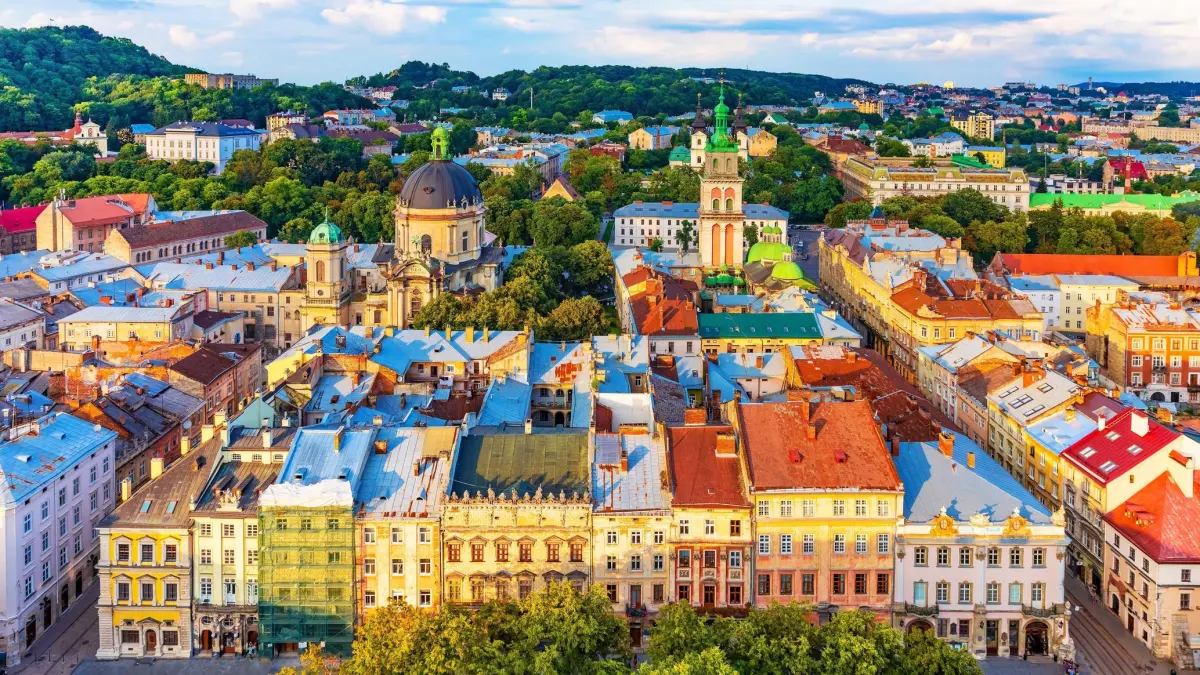
Lviv is celebrated for its unique blend of architectural styles, which survived the destruction of the 20th century better than many other European cities. The city center, known as the Old Town, features a dense concentration of Renaissance, Baroque, and Classical buildings. The Rynok Square serves as the historical core, surrounded by 44 houses that each represent different architectural eras and decorative traditions.
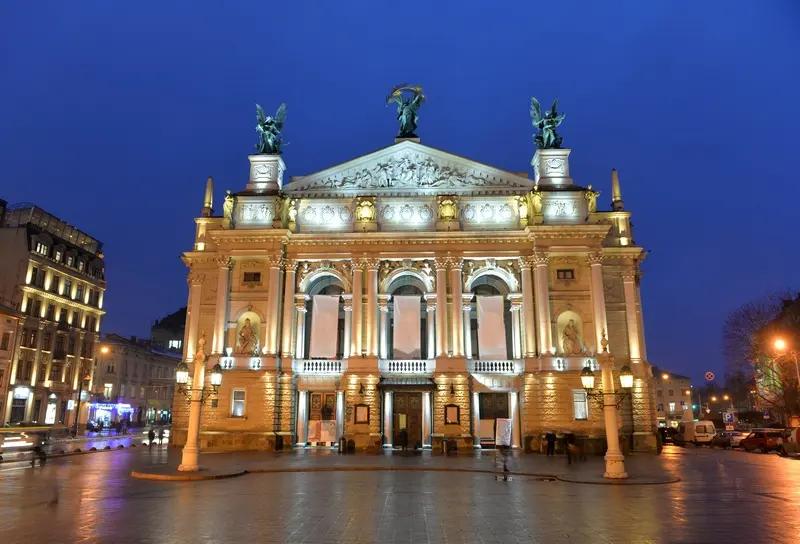
The city’s skyline is defined by its numerous spires and domes, earning it the nickname "City of Lions." Notable landmarks include the Latin Cathedral, which combines Gothic and Baroque elements, and the Lviv Opera House, a masterpiece of Neo-Renaissance design. Visitors often marvel at the following architectural highlights:
- The Black House: A 16th-century building with a facade covered in dark sandstone.
- The Armenian Cathedral: Famous for its intricate interior mosaics and serene courtyard.
- The Kornyakt Palace: Known for its Italian-style courtyard, a rarity in the region.
- St. George’s Cathedral: A prominent example of Rococo architecture overlooking the city.
How to explore the Lviv coffee culture?
Coffee is more than a beverage in Lviv; it is a social institution rooted in the city's 18th-century Austrian past. Local lore suggests that Jerzy Kulczycki, a Lviv native, helped introduce coffee to Vienna after the Battle of Vienna in 1683. Today, the city maintains a sophisticated cafe scene that ranges from historic, dimly lit cellars to modern, artisanal roasteries.
To experience the authentic coffee culture, follow these steps:
- Visit a historic cafe on Rynok Square to observe the traditional interior design.
- Order a "Lviv-style" coffee, which is often brewed in a small metal pot called a djezva.
- Pair your drink with a piece of local cheesecake, known as syrnyk, which is a staple dessert.
- Take time to sit on a terrace to people-watch, as this is the primary way locals enjoy their leisure time.
Avoid ordering standard chain-store coffee, as the city prides itself on unique, house-roasted blends that reflect the local palate.
What are the best festivals in Lviv?
Lviv is widely considered the festival capital of Ukraine, hosting dozens of cultural events throughout the year. These gatherings celebrate everything from classical music and jazz to traditional crafts and gastronomy. The city’s pedestrian-friendly streets provide a natural stage for performers, making the atmosphere particularly vibrant during the spring and summer months.
Key annual events that draw international visitors include:
- Leopolis Jazz Fest: A world-class music event held in June that attracts top-tier global performers.
- Lviv Coffee Festival: A massive celebration in autumn where roasters compete for the best brew.
- Christmas Fair: A winter tradition featuring wooden stalls selling handmade gifts and hot mulled wine.
- BookForum: One of the largest literary festivals in Eastern Europe, held every September.
When planning a trip, check the official municipal tourism calendar in advance, as these festivals can cause significant crowds and require early hotel bookings.
Common mistakes when visiting Lviv
Many travelers underestimate the complexity of navigating the city’s historic center. One frequent error is attempting to walk everywhere in high-heeled shoes or uncomfortable footwear. The streets in the Old Town are paved with original cobblestones, which are uneven and can be treacherous, especially when wet or during the snowy winter months.
Another common mistake involves ignoring the city's hidden courtyards. Many of the most beautiful architectural details and quiet cafes are tucked away inside private-looking building entrances. Do not be afraid to peer into open doorways or follow signs for "dvor" (courtyard) to discover secret gardens and mural-covered walls. Finally, avoid relying solely on English in smaller, family-run establishments. While younger generations are fluent, learning a few basic phrases in Ukrainian, such as "dyakuyu" (thank you) or "dobryy den" (good day), will significantly improve your interactions with local shopkeepers and residents.
How long does it take to see Lviv?
While a weekend trip allows for a brief overview of the main square and a few museums, a stay of four to five days is ideal for a comprehensive experience. This timeframe allows you to balance sightseeing with the city’s slow-paced coffee culture and evening cultural performances. It also provides enough time to explore beyond the central core, such as the High Castle Hill.
The High Castle Hill offers the best panoramic view of the city and is best visited at sunset. Other essential stops that require time include:
- The Lychakiv Cemetery: A sprawling, museum-like necropolis with elaborate 19th-century funerary art.
- The Museum of Folk Architecture and Rural Life: An open-air museum showcasing traditional Ukrainian wooden houses.
- The Potocki Palace: A grand urban residence that now houses a significant collection of European art.
By spreading these visits over several days, you avoid "museum fatigue" and can truly appreciate the historical depth that makes Lviv a unique destination in Europe.
Key facts
- Lviv’s historic center is a UNESCO World Heritage site, featuring a blend of Renaissance, Baroque, and Art Nouveau architecture.
- The city is widely considered the coffee capital of Ukraine, with a deep-rooted culture dating back to the late 18th century.
- Rynok Square serves as the city’s heart, surrounded by 44 buildings that represent various architectural styles from the 16th to 20th centuries.
- The Lychakiv Cemetery is one of the oldest in Europe, established in 1786, and serves as an open-air museum of sculpture and history.
- When visiting, avoid taking unlicensed taxis at the train station; use official ride-sharing apps like Uber or Bolt to ensure fair pricing.
- Pack comfortable walking shoes, as the city center is paved with uneven cobblestones that make high heels or thin soles impractical.
The bottom line
Lviv is a captivating cultural hub known for its well-preserved medieval architecture, vibrant coffee house scene, and rich intellectual history. As the primary gateway to Western Ukraine, it offers visitors a unique blend of Central European charm and resilient local spirit. Whether exploring the historic UNESCO-listed streets or enjoying the city's famous culinary innovations, travelers will find Lviv to be a deeply atmospheric and memorable destination.
People also ask
Is Lviv safe for tourists to visit currently?
While Lviv is safer than regions closer to the active front lines, the entire country remains under martial law due to the ongoing conflict. Travelers should stay informed about local air raid alerts, know the location of the nearest shelters, and follow all government travel advisories.
What is the best time of year to visit Lviv?
Late spring and early autumn offer the most pleasant weather for walking tours and outdoor cafe seating. Winter is also popular, as the city hosts a traditional Christmas market and transforms into a festive, snow-covered destination.
Do I need to speak Ukrainian to get around?
Most service staff in the city center speak English, and menus are frequently translated. Learning a few basic phrases in Ukrainian is appreciated by locals and can help navigate interactions in smaller, non-tourist areas.
What are the must-try local dishes?
You should sample varenyky (dumplings), borscht (beet soup), and deruny (potato pancakes). The city is also famous for its unique themed restaurants, such as those focusing on local history or specific crafts.
How do I get from the airport to the city center?
The Lviv Danylo Halytskyi International Airport is located about 6 kilometers from the center. You can reach the city via trolleybus number 29 or by using a ride-sharing application, which is the most convenient and transparent method.
Is it customary to tip in Lviv?
Tipping is standard practice in restaurants and cafes, typically ranging from 10% to 15% of the total bill. Check your receipt first, as some establishments include a service charge automatically.
This answer was created with the help of AI research tools and reference sources. Spotted an error? Let us know — we correct mistakes quickly. See our editorial policy.