Who invented the bicycle helmet?
Short answer
The modern bicycle helmet was pioneered by Dr. George Benedict Snell in 1975. While early leather "hairnets" existed, Snell, a neurosurgeon, developed the first polystyrene-lined helmet designed to absorb impact energy. His work established the rigorous safety standards that transformed cycling headgear from simple cosmetic accessories into essential life-saving medical devices.

On this page
Who invented the bicycle helmet?
The evolution of the bicycle helmet began long before the modern era, but the transition to effective protection was driven by medical necessity. In the early 20th century, cyclists wore leather strips known as "hairnets," which offered virtually no protection against skull fractures or brain trauma. These designs were intended only to prevent scalp abrasions during minor falls.
Dr. George Benedict Snell, a neurosurgeon, revolutionized this field in the mid-1970s. Following a personal cycling accident, he recognized that existing headgear was fundamentally inadequate for preventing traumatic brain injuries. He founded the Snell Memorial Foundation, which implemented the first comprehensive testing protocols for bicycle helmets. By utilizing high-density expanded polystyrene liners, he created a structure capable of crushing upon impact, thereby dissipating kinetic energy before it could reach the brain. His scientific approach shifted the industry focus from comfort to impact attenuation.
How to choose the right helmet
Selecting a helmet requires more than just finding a comfortable fit; it demands verification of safety certifications. You should always look for labels indicating compliance with recognized standards, such as CPSC (Consumer Product Safety Commission) in the United States or EN 1078 in Europe. These certifications ensure that the helmet has undergone rigorous laboratory testing for impact absorption and strap strength.
When shopping, consider these essential factors to ensure you are protected:
- Certification: Verify the CPSC or Snell sticker is permanently attached inside the shell.
- Ventilation: Look for large, strategically placed vents to keep your head cool during long rides.
- MIPS Technology: Consider helmets with Multi-directional Impact Protection Systems, which help reduce rotational forces during angled impacts.
- Visibility: Choose bright colors or models with integrated reflective elements to increase your profile to motorists.
Avoid purchasing used helmets, as you cannot verify if the internal material has been compromised by a previous, invisible impact. A helmet that has sustained a crash must be replaced immediately, even if the exterior appears undamaged.
How to fit a helmet correctly
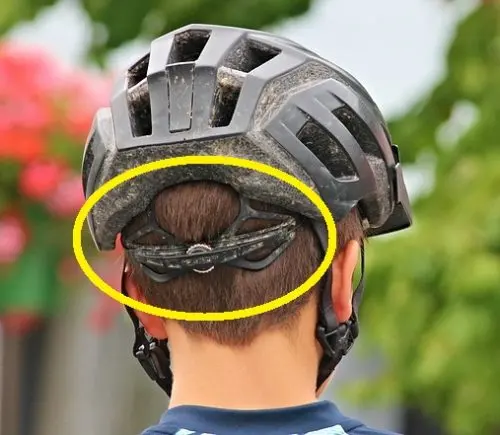
A helmet only provides protection if it remains securely in place during an accident. Most users fail to tighten the retention system sufficiently, allowing the helmet to slide backward and expose the forehead. To achieve a proper fit, the helmet should sit level on your head, covering the forehead and sitting no more than two finger-widths above your eyebrows.
Follow these steps to ensure your helmet is properly adjusted:
- Place the helmet on your head so it sits level, not tilted back.
- Tighten the rear dial or retention system until the helmet feels snug but not painful.
- Adjust the side straps so they form a "V" shape just below your ears.
- Fasten the chin strap and tighten it until you can fit no more than two fingers between the strap and your chin.
- Perform a "shake test" by nodding your head; the helmet should not move independently of your scalp.
If the helmet shifts significantly when you shake your head, it is either too large or the straps are improperly tensioned. Always readjust the straps before every ride to account for changes in hair volume or headwear.
Why do helmets expire?
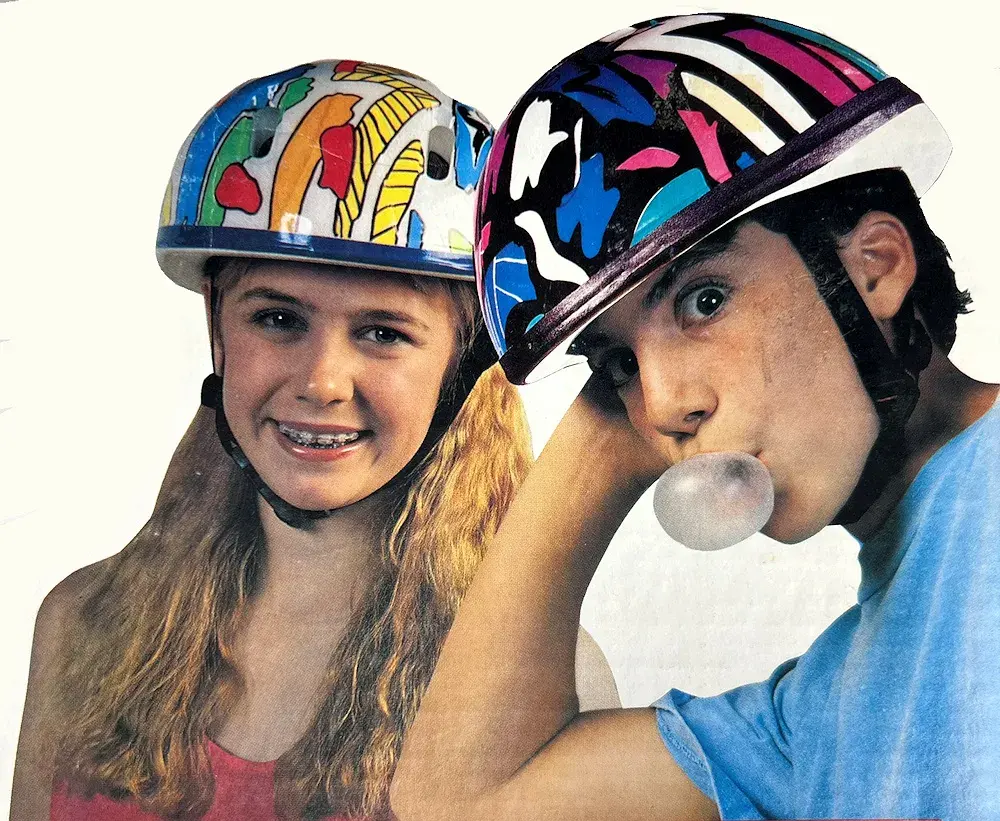
Many cyclists are unaware that helmets have a finite lifespan, typically ranging from three to five years. The primary reason for this expiration is the degradation of the expanded polystyrene (EPS) foam liner. Over time, exposure to ultraviolet light, sweat, hair oils, and temperature fluctuations causes the foam to become brittle and lose its structural integrity. As the material hardens, it loses its ability to compress effectively during an impact, rendering the helmet less capable of absorbing shock.
Environmental factors accelerate this aging process significantly. If you store your helmet in a hot garage or car trunk, the heat can cause the adhesive bonds between the shell and the liner to weaken. Even if you have never been in an accident, the chemical breakdown of the foam means the helmet will eventually fail to provide the protection it was originally engineered to offer. Regularly inspect your helmet for cracks in the shell or signs of crumbling foam to determine if it is time for a replacement.
Common mistakes when wearing a helmet
The most frequent error cyclists make is wearing the helmet too far back on the head. This "halo" style leaves the frontal bone and forehead completely vulnerable to impact. Another common mistake is leaving the chin strap loose, which allows the helmet to flip off the head during the initial stages of a crash. A loose strap essentially negates the safety features of the entire device.
To avoid these common pitfalls, keep these guidelines in mind:
- Avoid wearing thick hats or beanies under your helmet, as they interfere with the fit and can cause the helmet to shift.
- Never attach cameras or lights to the helmet using adhesive mounts that drill into the shell, as this can weaken the outer casing.
- Do not store your helmet hanging from the straps, as this stretches the material and alters the fit over time.
- Always check that your hair is not bunched up inside the helmet, as this prevents the retention system from making proper contact with your skull.
By maintaining your gear and ensuring it is positioned correctly, you maximize the effectiveness of the protective technology developed by pioneers like Dr. Snell. Proper maintenance is the final step in ensuring your safety on the road.
Key facts
- The first practical bicycle helmet was developed in 1975 by Bell Helmets, known as the Bell Biker.
- Dr. George Benedict, a neurosurgeon, is often credited with creating early prototypes after witnessing cycling head injuries.
- Modern helmets use expanded polystyrene (EPS) foam to absorb impact energy by crushing during a crash.
- Always replace a helmet after any significant impact, as the internal foam structure is designed for single-use protection.
- Ensure your helmet sits level on your forehead, covering the top of your brow, rather than tilted back.
- A properly fitted helmet should not move more than an inch in any direction when you shake your head.
The bottom line
The invention of the bicycle helmet transformed cycling safety by introducing energy-absorbing materials that prevent traumatic brain injuries. While innovators like Dr. George Benedict paved the way, modern standards now ensure consistent protection across the industry. By prioritizing a proper fit, replacing gear after impacts, and choosing high-visibility designs, cyclists can significantly reduce their risk of serious injury while enjoying the benefits of their sport.
People also ask
How long does a bicycle helmet last?
Most manufacturers recommend replacing a helmet every three to five years. Even if it looks fine, UV exposure and sweat can degrade the foam and plastic shell over time.
Can I wear a skateboard helmet for cycling?
Only if it is dual-certified for both CPSC bicycle standards and ASTM skateboard standards. Standard skate helmets often lack the ventilation and specific impact protection required for high-speed road cycling.
How do I know if my helmet fits correctly?
Use the "eyes, ears, mouth" test. You should see the front of the helmet when looking up, the side straps should form a "V" under your ears, and the chin strap should allow only one or two fingers between the strap and your chin.
Does the color of a helmet affect safety?
Yes, high-visibility colors like neon yellow, orange, or white make you significantly more noticeable to motorists. Reflective decals can also improve safety during low-light conditions.
Why do some helmets have MIPS technology?
MIPS stands for Multi-directional Impact Protection System, which includes a slip-plane layer inside the helmet. This allows the shell to slide slightly during an angled impact, reducing rotational force on the brain.
Is it illegal to ride without a helmet?
Laws vary by jurisdiction, with many regions mandating helmets for minors while leaving it optional for adults. Check your local municipal or state traffic codes to ensure compliance with regional safety requirements.
This answer was created with the help of AI research tools and reference sources. Spotted an error? Let us know — we correct mistakes quickly. See our editorial policy.