What is Cindy Sherman known for?
Short answer
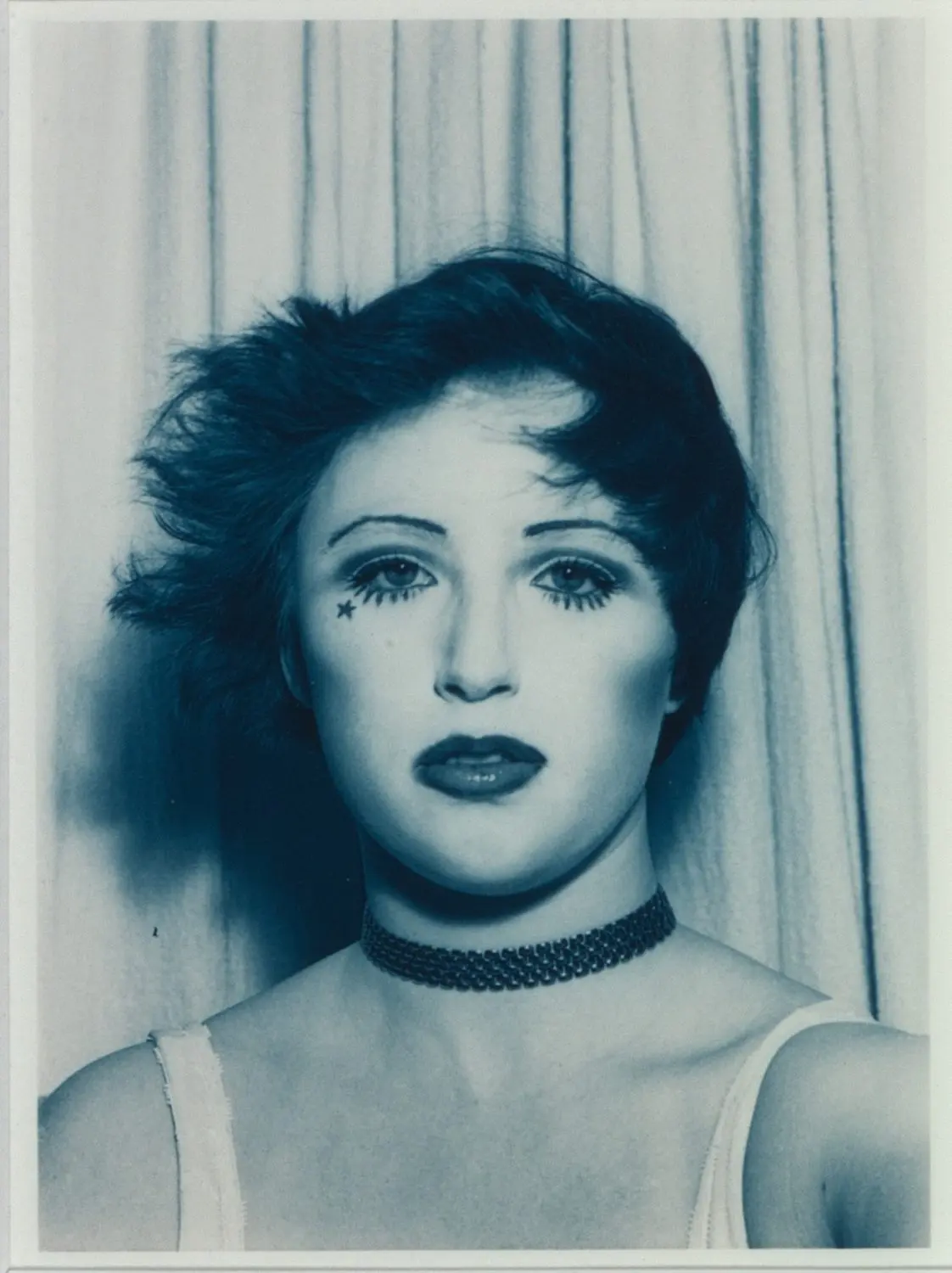
Cindy Sherman is a celebrated American photographer known for her conceptual self-portraits that explore identity, gender, and social stereotypes. By transforming herself into diverse characters using elaborate makeup, costumes, and prosthetics, she critiques the representation of women in media and art history, establishing herself as a pivotal figure in contemporary photography.
On this page
What is Cindy Sherman’s artistic style?
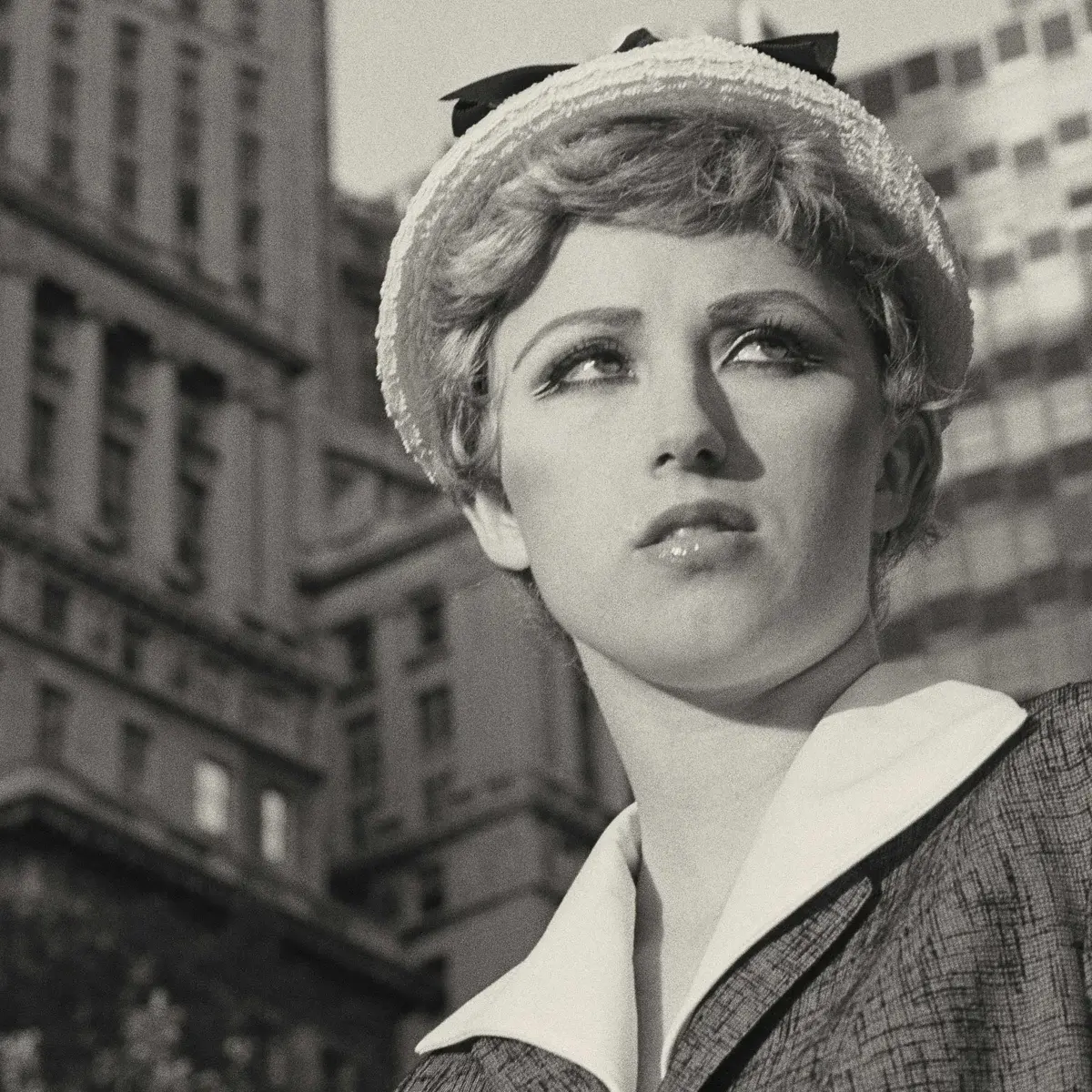
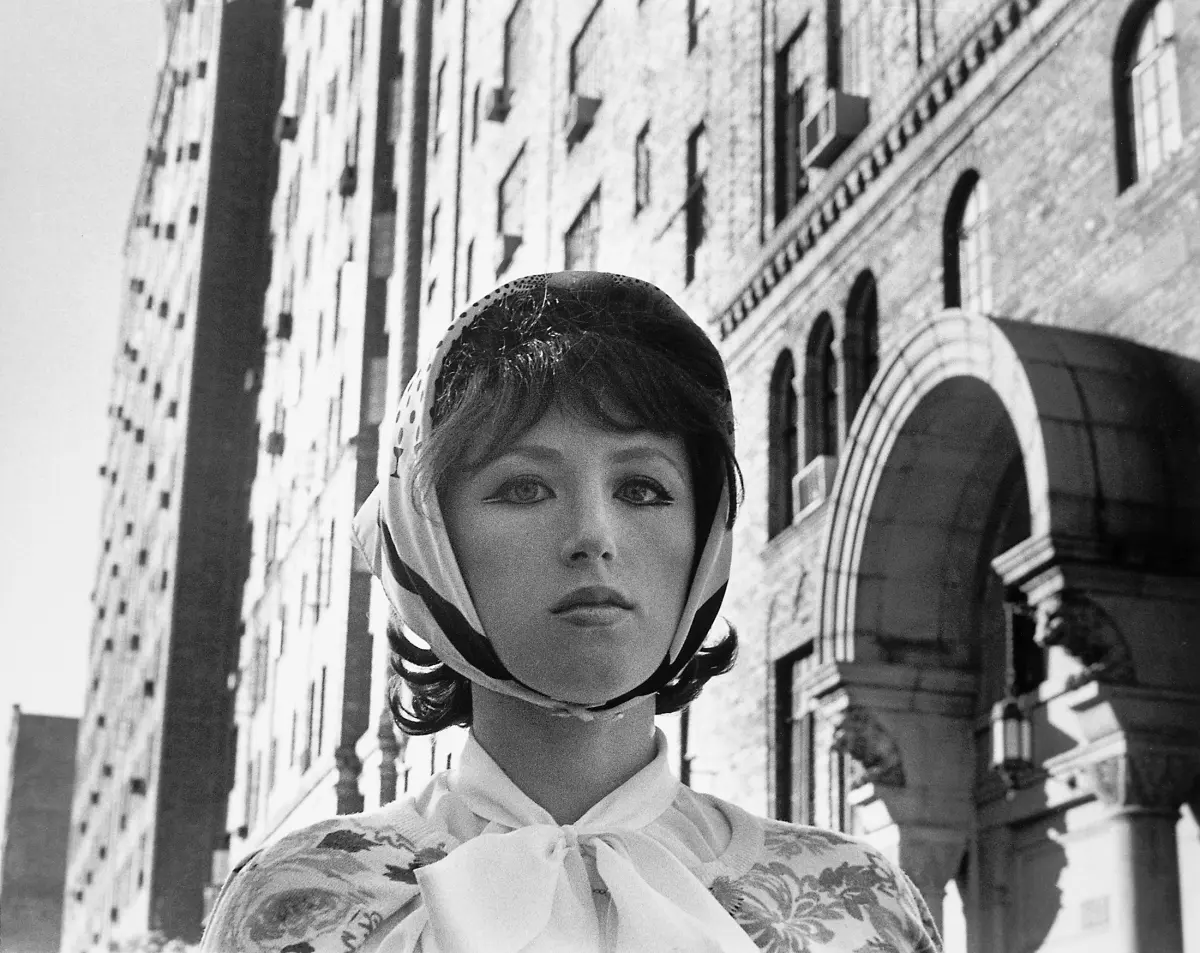
Cindy Sherman is primarily known for her "Untitled Film Stills," a series of 69 black-and-white photographs created between 1977 and 1980. In these works, she posed as various generic female archetypes reminiscent of 1950s and 60s B-movies, such as the vulnerable ingenue, the lonely housewife, or the femme fatale. By assuming these roles, she highlighted how visual media constructs specific expectations of femininity.
Her practice is defined by the fact that she is the photographer, the model, the makeup artist, and the stylist for every image. She does not consider her work to be self-portraiture in the traditional sense, as she never portrays herself as "Cindy." Instead, she uses her own body as a canvas to disappear into characters, effectively challenging the viewer to question the authenticity of the images they consume.
Why is her work historically significant?
Sherman emerged during the "Pictures Generation" of the late 1970s, a group of artists who used appropriation and photography to critique mass media culture. Her work challenged the traditional male gaze in art history, where women were historically depicted as passive objects for male consumption. By taking control of the camera, she reclaimed the power to define how women are perceived.
Her influence extends beyond photography into feminist theory and cultural studies. Critics often point to her work as a turning point in postmodernism, where the distinction between "high art" and "low culture" began to blur. Her contributions are marked by several key achievements:
- Challenging the concept of a fixed, stable identity.
- Influencing generations of artists to use performance as a medium.
- Pushing the boundaries of photography from documentation to conceptual art.
- Successfully navigating the art market while maintaining a critical stance on consumerism.
How does she create her photographs?
The process behind a Sherman photograph is highly meticulous and labor-intensive. She begins by conceptualizing a character, often drawing inspiration from art history, fashion magazines, or historical portraiture. She then spends hours applying prosthetic makeup, styling wigs, and selecting costumes to alter her facial structure and physical presence completely.
Once the character is fully realized, she sets up her camera, often using a remote shutter release to capture the image herself. She prefers to work alone in her studio, which allows her to experiment with lighting and composition without the pressure of an external crew. This solitary process is essential to her ability to fully inhabit the psychological space of her subjects.
What are her most famous series?
Throughout her career, Sherman has shifted through various themes, each reflecting a different aspect of human artifice and social performance. Her work has evolved from the cinematic nostalgia of her early stills to more grotesque and disturbing imagery that explores the limitations of the human body.
Some of her most notable projects include:
- Untitled Film Stills (1977–1980): The iconic series that launched her career.
- Centerfolds (1981): Large-format color photographs that subvert the eroticism of men's magazine layouts.
- Fairy Tales (1985): Dark, surreal images using dolls and masks to explore folklore.
- History Portraits (1988–1990): Elaborate recreations of Old Master paintings using prosthetics.
- Society Portraits (2008): Large-scale depictions of aging socialites and their insecurities.
Common mistakes when interpreting her art
A common mistake when viewing Sherman’s work is assuming that the images are autobiographical. Because she is the subject of every photograph, viewers often search for clues about her personal life or feelings. However, Sherman explicitly avoids personal revelation, choosing instead to focus on the external social archetypes that shape our collective understanding of identity.
Another error is focusing solely on the technical aspects of her photography rather than the conceptual intent. While her lighting and composition are masterful, they are merely tools used to serve the narrative of the character. To truly appreciate her work, one must look past the surface of the image and consider what the character represents in a broader social or cultural context. By avoiding these pitfalls, you can better engage with the profound questions she poses about the nature of human performance and the masks we all wear in daily life.
Key facts
- Cindy Sherman is an American photographer best known for her conceptual self-portraits that explore themes of identity, gender, and social stereotypes.
- Her most famous work, Untitled Film Stills (1977–1980), features 69 black-and-white photographs of the artist posing as various B-movie archetypes.
- She serves as the director, photographer, makeup artist, and model for all of her photographs, maintaining total control over the creative process.
- In 1995, she was awarded a prestigious MacArthur Fellowship, often referred to as a "genius grant," for her significant contributions to contemporary art.
- A 2014 print of her work Untitled #96 sold for $3.89 million, making it one of the most expensive photographs ever sold at auction.
- When attempting to emulate her style, avoid using high-end studio lighting; instead, focus on capturing "found" or cinematic moments that feel like scenes from a narrative.
The bottom line
Cindy Sherman is a transformative figure in contemporary art, renowned for using her own body to dissect the construction of identity and media stereotypes. By meticulously staging herself as diverse, often fictional characters, she forces viewers to reconsider the authenticity of photographic representation. Her work remains a vital exploration of how society shapes our perceptions of gender, beauty, and the roles we perform daily.
People also ask
Does Cindy Sherman ever appear as herself in her photographs?
No, Sherman almost exclusively uses herself as a canvas to portray fictional characters. She intentionally obscures her own identity to challenge the viewer's perception of the person behind the camera.
What techniques does she use to transform her appearance?
She utilizes elaborate makeup, prosthetics, wigs, and period-accurate costumes to completely alter her facial features and body language. These tools allow her to inhabit diverse personas ranging from historical figures to grotesque caricatures.
Why are her photos often titled "Untitled"?
She uses the "Untitled" label to avoid imposing a specific narrative or meaning on the viewer. By numbering her works instead of naming them, she encourages the audience to interpret the images through their own personal experiences.
Has she ever worked with mediums other than photography?
While photography is her primary medium, she has directed a feature film titled Office Killer (1997). She also creates large-scale installations and works that incorporate digital manipulation to push the boundaries of portraiture.
How did the art world react to her early work?
Her Untitled Film Stills series was initially polarizing but quickly gained critical acclaim for its critique of the "male gaze." It became a foundational text for feminist art theory in the late 20th century.
Can beginners replicate her style of photography?
Yes, you can start by choosing a specific archetype, such as a detective or a housewife, and staging a scene that implies a larger story. Focus on costume and lighting to establish a mood rather than trying to achieve a perfect, polished studio look.
This answer was created with the help of AI research tools and reference sources. Spotted an error? Let us know — we correct mistakes quickly. See our editorial policy.