How long do chimpanzees live?
Short answer
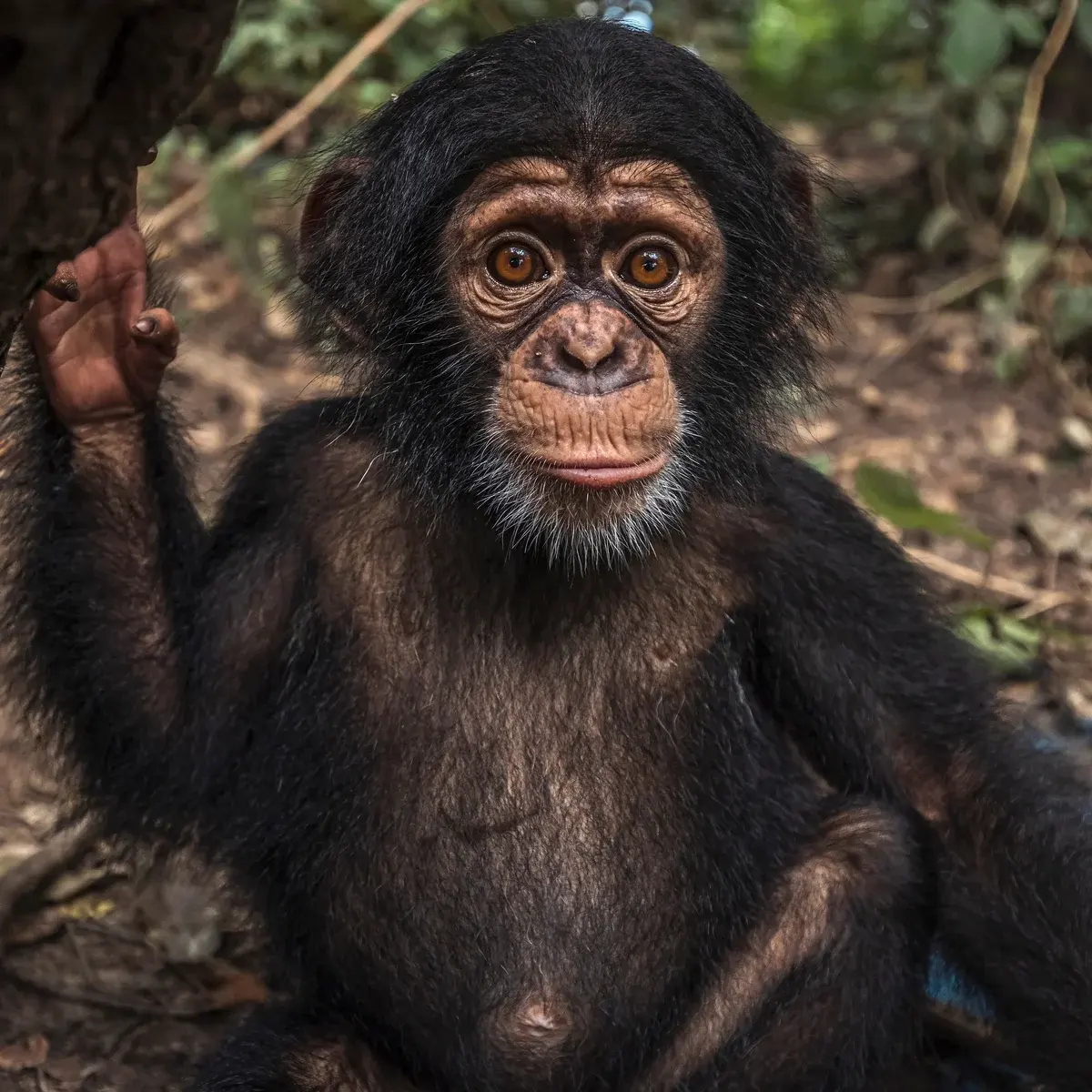
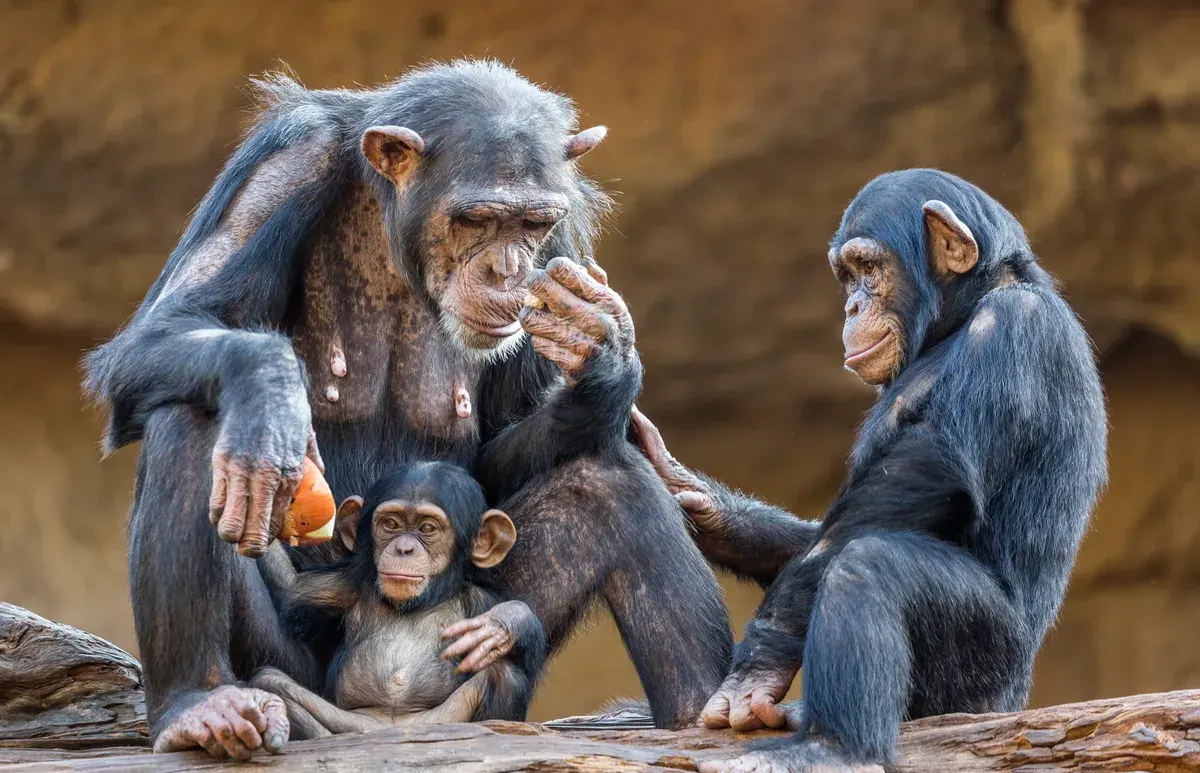
In the wild, chimpanzees typically live between 30 and 40 years. While some individuals may reach their late 40s or early 50s under favorable conditions, high infant mortality and environmental pressures limit their average lifespan. Conversely, chimpanzees in human care often live into their 50s or even 60s due to medical support.
On this page
How long do chimpanzees live in the wild?
In their natural habitats across Central and West Africa, chimpanzees face numerous threats that significantly influence their longevity. On average, a wild chimpanzee survives for 33 to 40 years. Factors such as predation by leopards, inter-group conflict, and the transmission of infectious diseases from humans—such as respiratory viruses—create a precarious existence. Furthermore, the physical toll of constant foraging and navigating complex social hierarchies often leads to a decline in health as they reach their fourth decade.
The survival rate for chimpanzees is heavily influenced by the stage of their life cycle. Infant mortality is remarkably high, with many offspring failing to reach maturity due to malnutrition or maternal inexperience. Once a chimpanzee successfully navigates adolescence and establishes a stable position within its community, its chances of reaching middle age improve significantly. However, even the most dominant individuals rarely exceed 50 years of age in the wild because the environment does not offer the medical interventions or consistent caloric security found in captivity.
How long do chimpanzees live in captivity?
Chimpanzees housed in zoos, sanctuaries, or research facilities often experience significantly longer lifespans than their wild counterparts. With access to consistent nutrition, protection from predators, and advanced veterinary care, these animals frequently live into their 50s. Some notable individuals have even reached their 60s. The oldest recorded chimpanzee, named Little Mama, was estimated to be over 70 years old when she passed away at a Florida sanctuary in 2017.
The increased longevity in captivity is primarily attributed to the mitigation of environmental risks. Veterinarians can treat common ailments such as dental infections, heart disease, and parasitic loads that would otherwise be fatal in the forest. Despite these advantages, captivity presents its own set of challenges that can impact overall well-being. To ensure a long and healthy life for chimpanzees in human care, managers prioritize the following:
- Regular health screenings to detect age-related cardiovascular issues early.
- Enrichment programs that stimulate cognitive function and reduce stress.
- Balanced, species-appropriate diets to prevent obesity and metabolic disorders.
- Social housing arrangements that allow for natural interaction and grooming.
Why does lifespan vary between individuals?
A chimpanzee's lifespan is determined by a complex interplay of genetic, social, and environmental variables. Genetics play a foundational role in determining an individual's susceptibility to disease and their overall physical robustness. However, social status is perhaps the most critical determinant in the wild. High-ranking individuals often have priority access to the best food sources, which allows them to maintain better physical condition and recover more quickly from injuries or illness compared to low-ranking group members.
Environmental stability also dictates how long a chimpanzee can thrive. Populations living in protected areas with minimal human encroachment generally exhibit higher survival rates than those in fragmented habitats. When forests are destroyed, chimpanzees are forced into smaller areas, leading to resource competition and increased exposure to human-borne pathogens. The following factors are primary contributors to early mortality in wild populations:
- Habitat loss leading to malnutrition and increased vulnerability to predators.
- Exposure to zoonotic diseases transmitted by human contact or proximity.
- Severe injuries sustained during violent territorial disputes with rival communities.
- Lack of access to clean water sources during prolonged periods of drought.
Common mistakes when estimating chimpanzee age
One of the most frequent errors in primatology is assuming that a chimpanzee's physical appearance is a foolproof indicator of its age. While graying hair and thinning fur are common signs of senescence, they can also be caused by stress, nutritional deficiencies, or chronic illness in younger animals. Researchers must rely on a combination of long-term observational data and, when possible, dental wear patterns or genetic markers to accurately assess the age of an individual.
Another mistake is failing to account for the "captivity effect" when comparing life expectancy data. It is inaccurate to apply the survival statistics of zoo-housed chimpanzees to wild populations, as the environmental pressures are entirely different. Furthermore, observers often underestimate the impact of social isolation on aging. Chimpanzees are highly social creatures, and the loss of key group members can induce significant stress, which accelerates the aging process and weakens the immune system. Accurate assessment requires a holistic view that considers the animal's entire social and ecological context rather than just its visible physical condition.
How to support chimpanzee longevity
Supporting the longevity of chimpanzee populations requires a focus on habitat preservation and the mitigation of human-wildlife conflict. Because these primates are highly sensitive to environmental changes, protecting large, contiguous tracts of forest is the most effective way to ensure they live out their natural lifespans. Conservation efforts must also include rigorous disease monitoring, as respiratory infections can devastate local populations in a matter of weeks. By keeping human activity at a distance, we reduce the risk of cross-species disease transmission.
For those interested in contributing to the welfare of chimpanzees, supporting accredited sanctuaries is a practical step. These organizations provide lifetime care for chimpanzees that cannot be released into the wild, ensuring they receive the medical and social support necessary for a long life. When engaging with these efforts, avoid the common mistake of prioritizing individual rescue over habitat protection. While rescuing a single animal is impactful, the long-term survival of the species depends on maintaining healthy, self-sustaining ecosystems where chimpanzees can live and age according to their natural biological rhythms.
Key facts
- Wild chimpanzees typically live between 30 and 40 years in their natural habitat.
- In captivity, with veterinary care and protection from predators, chimpanzees often reach 50 to 60 years of age.
- Females generally have a slightly longer life expectancy than males in the wild.
- Habitat loss and poaching are the primary factors that shorten the lifespan of wild populations.
- Chimpanzees reach sexual maturity between 10 and 13 years old, marking the beginning of their reproductive life.
- Avoid assuming that all chimpanzees live to 60; high infant mortality rates in the wild significantly lower the average life expectancy.
The bottom line
The lifespan of a chimpanzee depends heavily on whether it lives in the wild or in captivity. While wild chimpanzees usually live 30 to 40 years due to environmental dangers and disease, captive individuals can live into their fifties or sixties with proper care. Understanding these differences highlights the critical impact of habitat protection and medical support on the survival of this endangered primate species.
People also ask
Do chimpanzees live longer than gorillas?
Yes, chimpanzees generally have a longer lifespan than gorillas. While wild gorillas typically live 30 to 35 years, chimpanzees can frequently surpass 40 years in similar conditions.
What is the oldest recorded chimpanzee?
The oldest known chimpanzee was named Little Mama, who lived at the Lion Country Safari in Florida. She was estimated to be around 79 years old when she passed away in 2017.
How does diet affect a chimpanzee's lifespan?
A diverse diet of fruits, leaves, and occasional insects provides essential nutrients that support immune health. In captivity, improper diets high in processed sugars can lead to obesity and heart disease, reducing their longevity.
Do chimpanzees suffer from age-related diseases?
Like humans, aging chimpanzees can develop heart disease, arthritis, and dental issues. These conditions are more commonly managed and observed in captive populations due to regular medical monitoring.
How does social structure influence survival?
Chimpanzees live in complex fission-fusion societies that provide protection and food-sharing opportunities. Strong social bonds reduce stress and increase the likelihood of survival during times of environmental scarcity.
Can chimpanzees die from human diseases?
Chimpanzees are highly susceptible to human respiratory viruses, such as the common cold or influenza. Because they share significant DNA with humans, these illnesses can be fatal to wild populations that lack medical intervention.
This answer was created with the help of AI research tools and reference sources. Spotted an error? Let us know — we correct mistakes quickly. See our editorial policy.