How do you start composting?
Short answer
Composting is the biological decomposition of organic matter into nutrient-rich soil amendment. To start, select a dry, shady spot for a bin or pile, layer "brown" carbon-rich materials with "green" nitrogen-rich scraps, keep the mixture moist, and turn it occasionally to introduce oxygen. Within months, you will produce valuable organic fertilizer.
On this page
How to choose a composting method for beginners
The most effective way to start is by determining whether you have the space for an open pile or require a contained bin. Open piles are ideal for large yards, as they allow for easy turning and accommodate significant volumes of yard waste. However, contained bins are often better for beginners because they keep the site tidy, retain heat, and deter pests like rodents or raccoons. You can purchase plastic tumbling bins, which make turning the material physically easier, or construct a simple three-sided enclosure using wooden pallets or wire mesh.
Regardless of the container, ensure the site has good drainage and is easily accessible from your kitchen. You should place your bin on bare soil rather than concrete; this allows beneficial microorganisms and earthworms to migrate into the pile, accelerating the breakdown process. If you live in an apartment, consider vermicomposting, which uses specific species of worms to process food scraps in a small, indoor-friendly container.
What to put in a compost pile
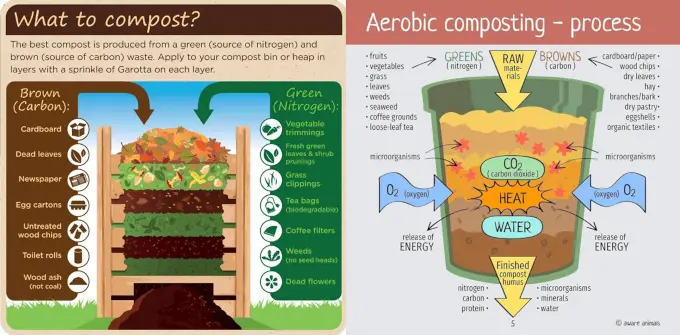
A healthy compost pile relies on a balance of two primary material categories: "greens" and "browns." Greens provide nitrogen, which fuels the bacteria responsible for decomposition, while browns provide carbon, which serves as the energy source for these organisms. A general rule of thumb is to maintain a ratio of approximately three parts brown material to one part green material by volume.
- Greens: Vegetable peels, fruit scraps, coffee grounds, grass clippings, and fresh plant trimmings.
- Browns: Dried leaves, straw, shredded cardboard, newspaper, pine needles, and woody twigs.
Avoid adding meat, dairy, fats, oils, or pet waste to your pile. These items can create foul odors, attract unwanted pests, and potentially introduce harmful pathogens into your garden soil. If you are unsure about an item, it is safer to leave it out of the compost heap to maintain a healthy, balanced environment for the decomposition process.
How to maintain a compost pile
Once you have established your pile, maintenance involves managing moisture and aeration to keep the microbes active. Your compost should feel like a wrung-out sponge; if it becomes too dry, the decomposition process will stall, so sprinkle it with water during dry spells. If it becomes too wet or slimy, add more dry browns to absorb the excess liquid and improve airflow.
Turning the pile with a pitchfork or shovel is essential for introducing oxygen, which prevents the heap from becoming anaerobic and producing unpleasant smells. Aim to turn your pile every two to four weeks. If you are using a tumbling bin, simply rotate the container according to the manufacturer’s instructions. You can monitor the health of your pile by observing its temperature; a properly functioning pile will naturally heat up in the center as the microbial activity peaks, which also helps kill weed seeds.
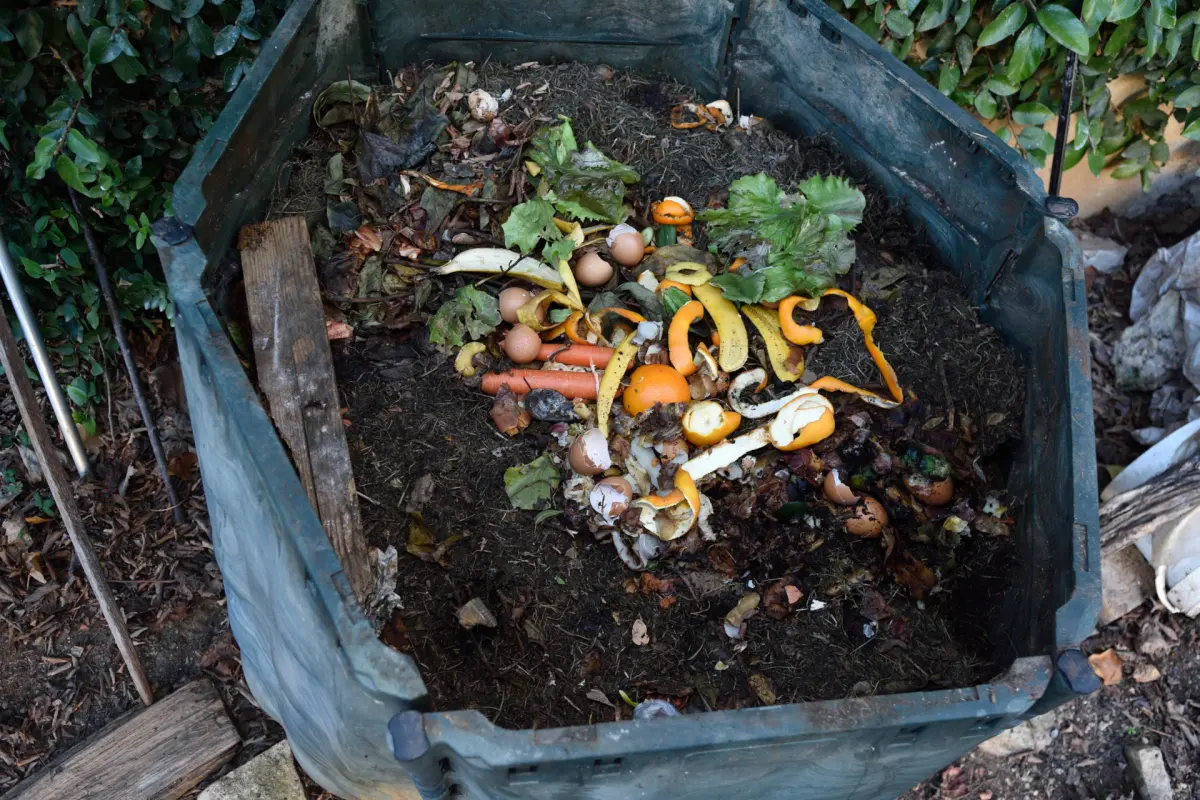
How long does it take to create compost
The time required to produce finished compost varies based on the materials used, the frequency of turning, and the local climate. Under ideal conditions—with consistent moisture, proper aeration, and a balanced carbon-to-nitrogen ratio—you can produce usable compost in three to six months. In colder climates or with minimal maintenance, the process may take up to a year or longer as the biological activity slows down during winter months.
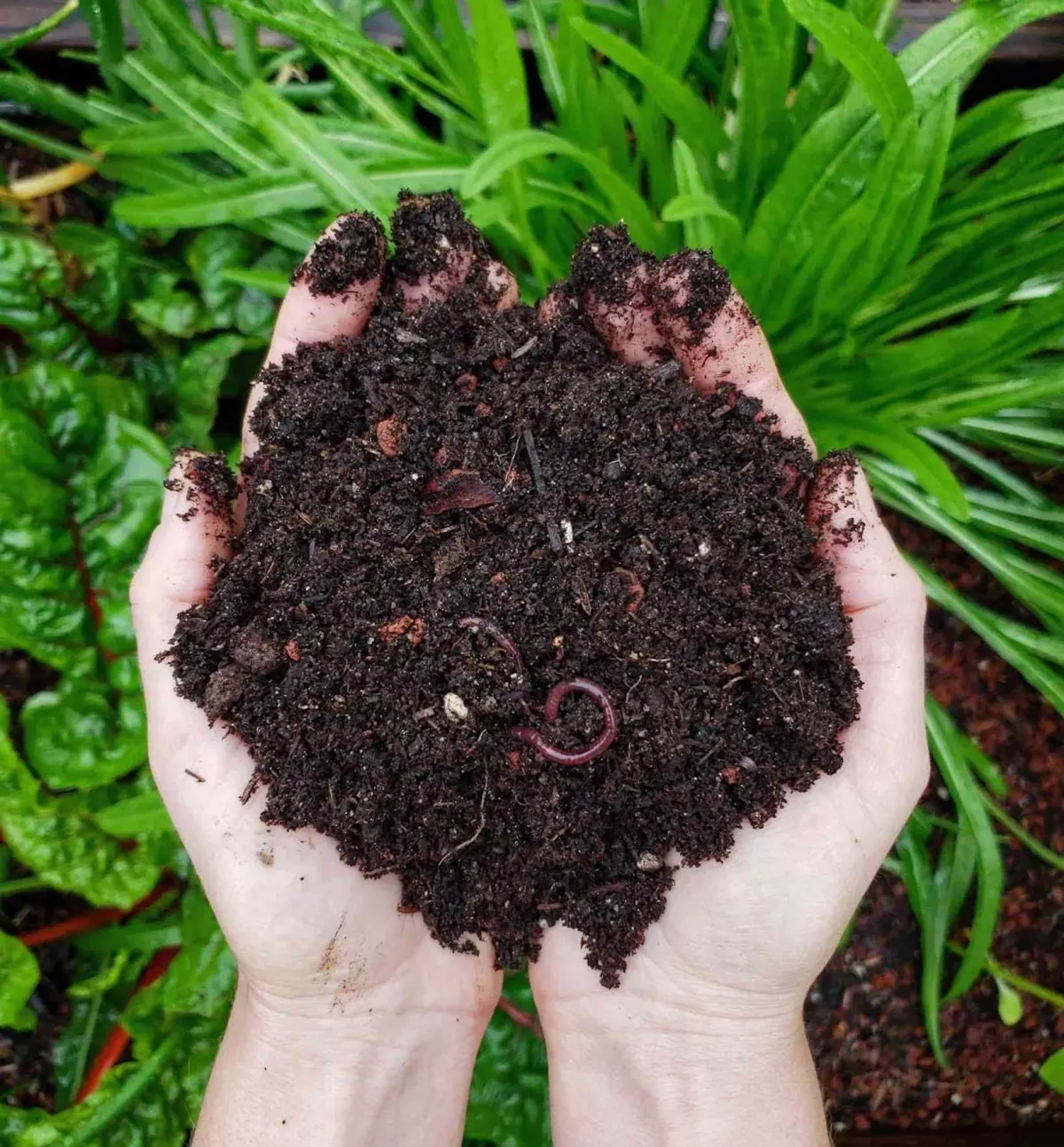
You will know the compost is ready when it is dark, crumbly, and smells like fresh, earthy forest soil. There should be no recognizable food scraps remaining in the mixture. If you find that the decomposition is taking too long, try chopping your materials into smaller pieces before adding them to the pile, as this increases the surface area for microbes to work. Screening the final product through a wire mesh can help separate finished compost from any larger, un-decomposed woody bits.
Common mistakes when composting
Many beginners struggle with odors or a lack of progress, which are almost always the result of simple management errors. A common mistake is adding too many green materials at once, which creates a dense, nitrogen-heavy mass that cannot breathe. This leads to an anaerobic environment that smells like rotting eggs. To fix this, simply add a generous layer of shredded cardboard or dry leaves and turn the pile thoroughly to restore airflow.
- Avoid over-watering, as a soggy pile will suffocate the beneficial aerobic bacteria.
- Never include diseased plant material, as most home compost piles do not reach high enough temperatures to kill pathogens.
- Do not ignore the pile; neglect often leads to a slow, unproductive heap that fails to break down properly.
- Stop adding fresh materials to a pile that you intend to harvest soon, allowing the final batch to "cure" undisturbed for a few weeks before use.
Key facts
- Aim for a ratio of two parts "browns" (carbon-rich materials like dried leaves) to one part "greens" (nitrogen-rich materials like vegetable scraps).
- Composting requires oxygen, so turn your pile or bin contents with a pitchfork or shovel every two weeks to speed up decomposition.
- Maintain moisture levels similar to a wrung-out sponge; if the pile is too dry, decomposition slows down significantly.
- Avoid adding meat, dairy, fats, or pet waste, as these attract pests and can introduce harmful pathogens to your compost.
- Microorganisms, including bacteria and fungi, do the heavy lifting by breaking down organic matter into nutrient-rich humus.
- Finished compost is dark, crumbly, and smells like fresh earth, typically taking anywhere from three months to a year to produce.
The bottom line
Starting a compost pile is a simple, effective way to reduce household waste while creating a valuable soil amendment. By balancing carbon-rich browns and nitrogen-rich greens, ensuring proper aeration, and maintaining consistent moisture, you can transform kitchen scraps into nutrient-dense humus. Avoiding prohibited items like meat and dairy keeps your pile healthy and pest-free, ultimately supporting a more sustainable and productive home garden environment.
People also ask
Can I compost in an apartment without a backyard?
Yes, vermicomposting using a bin filled with red wiggler worms is an excellent indoor solution. Alternatively, bokashi fermentation uses a specialized airtight bucket to break down scraps quickly in small spaces.
How do I know if my compost pile is healthy?
A healthy pile should have a mild, earthy scent and generate internal heat as microbes work. If it smells like ammonia or rotten eggs, it is likely too wet or lacks sufficient airflow.
What is the difference between hot and cold composting?
Hot composting involves maintaining a large pile that reaches temperatures between 130°F and 160°F, which kills weed seeds and pathogens. Cold composting is a passive method where materials are simply layered and left to break down slowly over time.
Can I add coffee grounds and tea bags to my bin?
Yes, coffee grounds are considered "green" material and provide valuable nitrogen. Ensure tea bags are made of paper or compostable mesh, as many commercial brands contain plastic fibers that do not break down.
Should I add lime to my compost pile?
Generally, no, as adding lime can make the compost too alkaline and cause nitrogen loss. Most household compost naturally maintains a pH level suitable for garden plants without chemical additives.
How small should I chop my kitchen scraps?
Smaller pieces increase the surface area for microbes to colonize, which significantly accelerates the decomposition process. Aim to chop large vegetable stalks or fruit peels into pieces no larger than two inches.
This answer was created with the help of AI research tools and reference sources. Spotted an error? Let us know — we correct mistakes quickly. See our editorial policy.