How do you protect digital art from being stolen?
Short answer
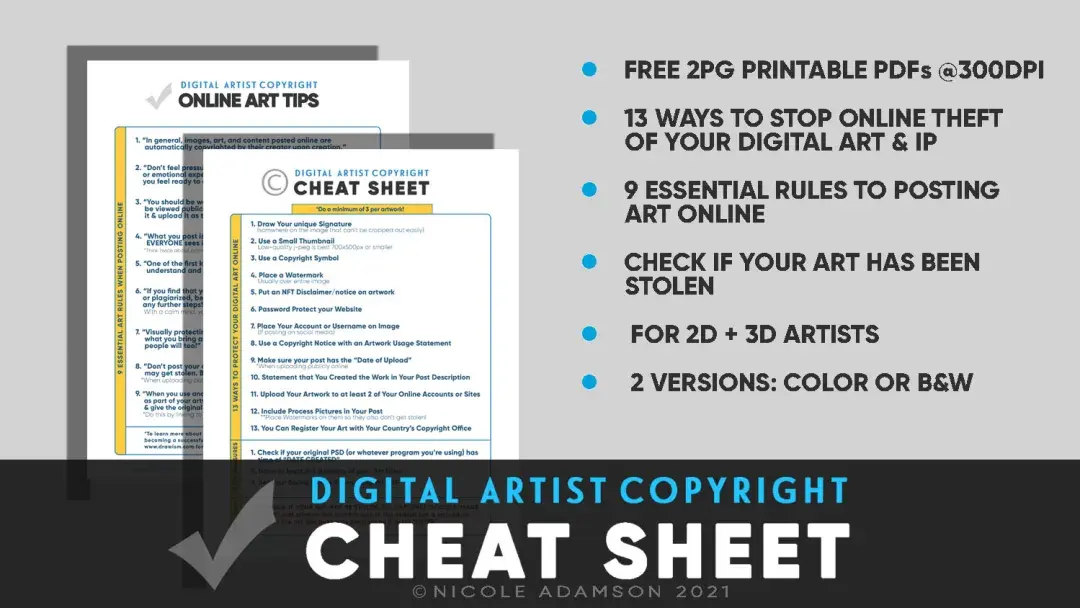
Protecting digital art requires a multi-layered approach involving technical safeguards and proactive monitoring. You can secure your work by using low-resolution previews, embedding metadata, and applying digital watermarks. Additionally, registering your copyright and utilizing reverse image search tools allow you to identify unauthorized usage and issue formal takedown notices immediately.
On this page
How to protect digital art with watermarks and metadata
Watermarking is a fundamental deterrent that signals ownership directly on the artwork. Visible watermarks should be placed strategically across the image, preferably in areas with significant detail to prevent easy cropping or cloning. While some artists prefer subtle signatures, a semi-transparent logo over the central composition makes the image less desirable for unauthorized commercial use.
Beyond visible markers, you should embed metadata into your files to prove authorship. Using software like Adobe Photoshop or Lightroom, you can add your name, contact information, and copyright status into the EXIF or IPTC data of the file. This hidden information remains attached to the image even if it is downloaded and re-uploaded elsewhere.
- Create a professional, semi-transparent logo for your brand.
- Use batch processing software to apply this watermark to your portfolio images.
- Access the "File Info" or "Metadata" panel in your editing software to input your copyright details.
- Export files at 72 DPI to ensure they look good on screens but lack the resolution for high-quality printing.
How to use reverse image search to find stolen art
Monitoring the internet for your work is essential because theft often happens silently. Tools like Google Lens, TinEye, and Yandex Images allow you to upload your artwork or provide a URL to see where else that specific image appears online. If you find your art on an unauthorized site, you can take immediate action.
Consistency is key when monitoring your digital footprint. Set aside time weekly to perform these searches, especially for your most popular pieces. If you discover an infringement, document the URL, take a screenshot of the unauthorized usage, and save any relevant timestamps. This evidence is crucial if you decide to escalate the matter through legal channels or platform-specific reporting systems.
- Perform manual searches once a week for your top-performing posts.
- Use browser extensions that allow you to right-click an image and search it instantly.
- Keep a spreadsheet of every instance of unauthorized usage you discover.
- Monitor popular print-on-demand marketplaces where stolen art is frequently uploaded for sale.
How to report stolen art on social media platforms
Most major social media platforms have established procedures for handling intellectual property complaints. If you find your work on Instagram, Twitter, or Facebook, you should use their official copyright infringement reporting forms. These forms require you to provide proof of your original work, such as a link to your portfolio or the original file with metadata.
Once you submit a report, the platform is legally obligated to review the claim. If the violation is confirmed, the platform will typically remove the content and issue a strike against the user's account. Avoid engaging directly with the thief in the comments section, as this often leads to harassment and rarely results in the removal of the stolen file.
- Locate the "Report" or "Help" section on the platform where the image is hosted.
- Select the option for "Copyright Infringement" or "Intellectual Property Violation."
- Provide the direct link to the unauthorized post and your original, authorized source.
- Submit the request and save the confirmation number provided by the platform.
Common mistakes when protecting digital art
One of the most frequent errors artists make is uploading full-resolution files to public forums or social media. High-resolution files are prime targets for print-on-demand thieves who can easily turn your work into posters or apparel. Always export "web-ready" versions that are capped at 1000 pixels on the longest side to discourage high-quality reproduction.
Another mistake is failing to register your work with the relevant copyright office. In many jurisdictions, formal registration provides significant legal leverage, including the ability to claim statutory damages in court. Relying solely on social media "terms of service" to protect your work is insufficient, as these platforms often grant themselves broad licenses to display your content, which does not stop third parties from stealing it.
- Do not upload files larger than 1000 pixels for public viewing.
- Avoid posting unwatermarked versions of your work on public portfolio sites.
- Do not assume that a "no stealing" disclaimer in your bio provides legal protection.
- Never ignore small-scale theft, as it can lead to larger, more profitable infringements later.
Why digital art theft happens and how to prevent it
Digital art theft is often driven by the ease of right-clicking and the anonymity provided by the internet. Many thieves operate by scraping websites for high-traffic images to populate automated print-on-demand stores. By understanding these patterns, you can make your work a less attractive target by ensuring it is difficult to steal and easy to identify as your own.
Ultimately, absolute protection is impossible in a digital environment, but you can significantly reduce the risk. Focus on building a strong brand presence so that your audience knows where to find the original source. When your followers recognize your unique style and watermark, they are more likely to report stolen work on your behalf, creating a community-driven defense system that protects your livelihood.
Key facts
- Use low-resolution files (72 DPI) for online previews to make unauthorized high-quality printing difficult.
- Embed digital watermarks or visible signatures directly into the artwork to claim ownership.
- Register your work with the U.S. Copyright Office to establish a legal record of your intellectual property.
- Utilize reverse image search tools like Google Lens or TinEye to monitor where your images appear online.
- Disable right-click saving on your portfolio website through plugins or CSS code to deter casual theft.
- Apply metadata or "Exif" data to your files, which embeds your name and contact information into the image file itself.
The bottom line
Protecting digital art requires a layered approach combining technical deterrents and legal vigilance. By using low-resolution previews, embedding metadata, and monitoring your work through reverse image searches, you significantly reduce the ease of theft. While no method is foolproof, formal copyright registration and prompt DMCA takedown requests provide the necessary legal framework to defend your intellectual property and maintain control over your creative career.
People also ask
Can I use a copyright symbol on my images?
Yes, placing a © symbol along with your name and the year of creation informs viewers that the work is protected. While it does not replace formal registration, it serves as a clear legal notice of your ownership.
Does a watermark prevent people from stealing my art?
A watermark does not physically stop someone from copying an image, but it makes the art less desirable for unauthorized use. It ensures that even if stolen, the image remains branded with your identity.
What should I do if I find my art being used without permission?
First, document the infringement with screenshots and URLs. Then, send a formal Digital Millennium Copyright Act (DMCA) takedown notice to the hosting platform or the individual to request the immediate removal of the content.
Is my art protected by copyright as soon as I create it?
Yes, copyright protection exists automatically the moment an original work is fixed in a tangible medium. However, formal registration is required if you wish to sue for statutory damages in a court of law.
Are social media platforms responsible for my stolen art?
Platforms generally operate under "safe harbor" provisions, meaning they are not liable for user-uploaded content until they are notified of an infringement. Once you report the theft, they are legally obligated to review and act on the request.
Should I post my art online if I am worried about theft?
Posting online is essential for visibility, but you should balance exposure with caution. Use smaller file sizes and watermarks to minimize the risk while still showcasing your portfolio to potential clients or fans.
This answer was created with the help of AI research tools and reference sources. Spotted an error? Let us know — we correct mistakes quickly. See our editorial policy.