How do you make sushi rice?
Short answer
Sushi rice is prepared by washing short-grain Japanese rice until the water runs clear, cooking it with a precise ratio of water, and folding in a seasoned vinegar mixture while the rice is hot. The goal is to achieve a glossy, sticky texture that holds its shape without becoming mushy.
On this page
How to choose the right rice and ingredients
The foundation of authentic sushi rice is the selection of short-grain japonica rice. Unlike long-grain varieties like basmati or jasmine, short-grain rice contains a higher concentration of amylopectin, a starch that becomes sticky when cooked, allowing the grains to adhere to one another. Look for labels specifically marked as "sushi rice" or "short-grain white rice." Using medium-grain or long-grain rice will result in a texture that is either too dry or too fluffy, failing to provide the structural integrity required for rolling sushi.
Beyond the rice itself, the seasoning—known as sushi-zu—is essential for the signature flavor profile. This mixture consists of rice vinegar, sugar, and salt. While you can purchase pre-mixed sushi vinegar, creating your own allows you to adjust the balance of sweetness and acidity to your preference. The vinegar provides a sharp contrast to the natural sweetness of the rice and the umami of fresh seafood. Ensure that you use high-quality rice vinegar rather than distilled white vinegar, which is significantly harsher and lacks the subtle depth required for traditional sushi.
How to prepare and wash the rice
Properly washing the rice is the most critical step in the entire process. The goal is to remove excess surface starch, which can cause the rice to become gummy or clumpy during the cooking process. Place the raw rice in a large bowl and cover it with cold water. Gently swish the grains with your hand, then drain the cloudy water. Repeat this process three to five times until the water remains mostly clear. This ensures that each grain will stay distinct yet sticky after cooking.
After washing, it is vital to let the rice soak before applying heat. Allow the rice to sit in a strainer for 15 to 30 minutes to drain excess moisture. This resting period allows the grains to absorb water evenly, which helps them cook through to the center without the exterior becoming mushy. Following these steps ensures the rice achieves the professional, pearl-like appearance expected in high-quality sushi.
- Measure your rice accurately using a standard measuring cup.
- Rinse the rice under cold water, stirring gently with your fingers.
- Drain the water completely and repeat until the liquid is clear.
- Let the rice rest in a fine-mesh strainer for at least 20 minutes.
How to cook sushi rice perfectly
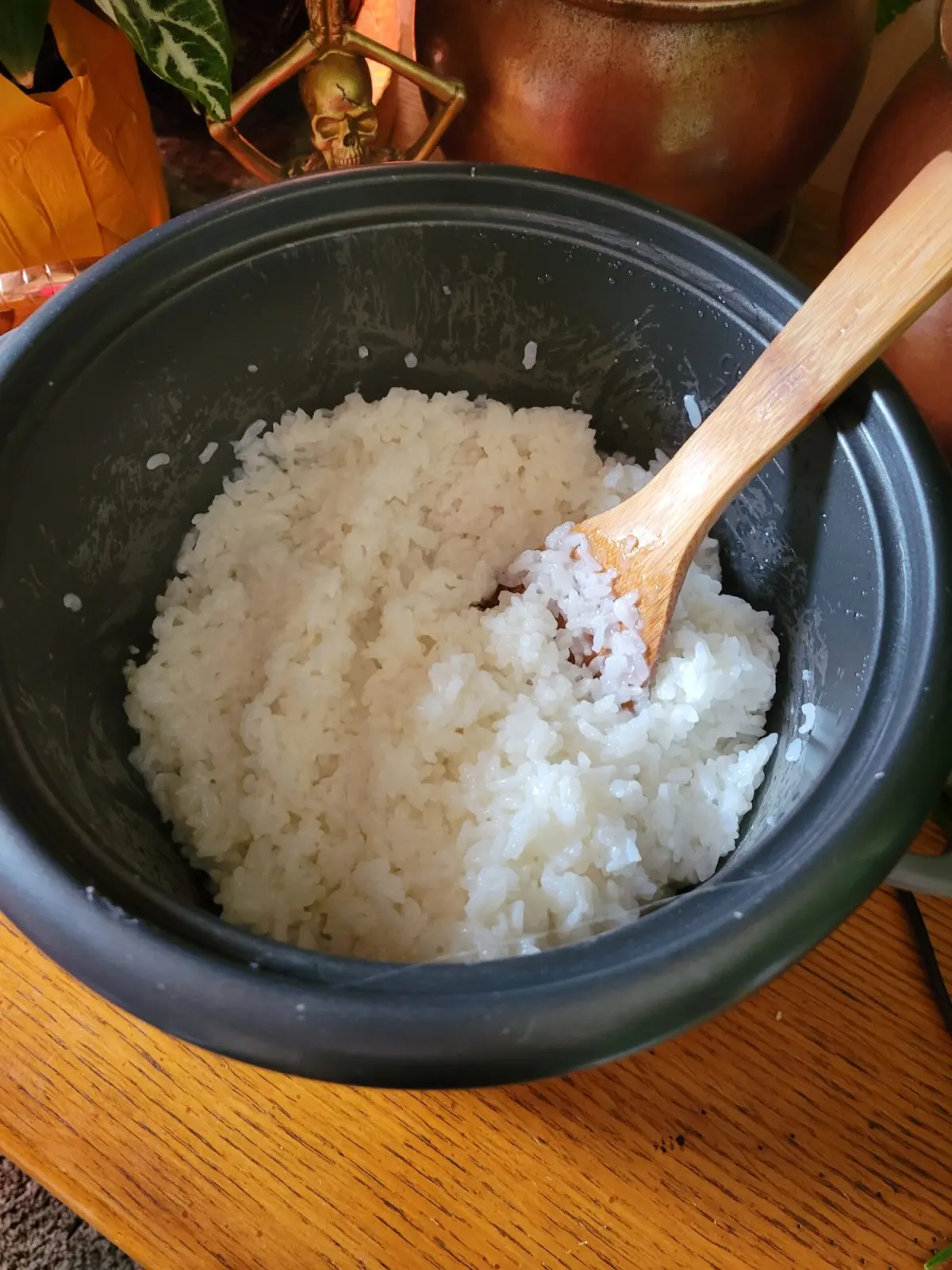
Cooking the rice requires a balance of heat and moisture control. If you are using a stovetop, combine the washed rice and water in a heavy-bottomed pot. A standard ratio is one part rice to one and one-eighth parts water. Bring the water to a boil over medium-high heat, then immediately reduce the heat to the lowest setting and cover the pot with a tight-fitting lid. Allow the rice to simmer for 15 to 18 minutes, then remove it from the heat and let it steam, covered, for an additional 10 minutes.
If you prefer convenience, an electric rice cooker is an excellent tool for consistency. Most modern rice cookers feature a specific setting for sushi or white rice that automates the temperature regulation. Regardless of the method, avoid lifting the lid during the cooking or steaming process, as this releases the trapped steam necessary to finish the cooking cycle. Once the time is up, the rice should be tender, plump, and fully cooked through with no hard center.
How to season and cool the rice
The seasoning process must occur while the rice is still hot to ensure the vinegar mixture absorbs properly. Transfer the cooked rice into a large, shallow wooden or plastic bowl, known as a hangiri. Wooden bowls are preferred because they absorb excess moisture and prevent the rice from becoming soggy. Pour the prepared vinegar mixture evenly over the rice. Using a rice paddle, gently cut through the rice with a slicing motion to distribute the liquid without crushing the delicate grains.
While seasoning, fan the rice to cool it down to room temperature. Fanning helps evaporate excess surface moisture and gives the rice a glossy, shiny finish. This technique is traditional in Japanese kitchens and is essential for achieving the correct texture for nigiri or maki rolls. Do not refrigerate the rice, as the cold temperature causes the starch to harden, resulting in a grainy, unpleasant texture. Keep the rice covered with a damp cloth to prevent it from drying out until you are ready to assemble your sushi.
Common mistakes when making sushi rice
One of the most frequent errors is using too much water, which turns the rice into a soft paste that is impossible to handle. Another common mistake is failing to cool the rice properly; if the rice is too hot, it will cook the raw fish or wilt the nori seaweed instantly. Always ensure the rice has reached room temperature before beginning your assembly. Additionally, avoid over-mixing the rice, as excessive agitation releases more starch and ruins the individual grain structure that defines high-quality sushi.
- Never use a metal bowl for seasoning, as the vinegar can react with the metal and create a metallic off-flavor.
- Do not add the vinegar mixture to cold rice, as it will not absorb correctly.
- Avoid pressing or smashing the rice into the bowl; always use a gentle "slicing" motion.
- Never store sushi rice in the refrigerator, as it will lose its texture and become unpleasantly hard.
By following these precise steps and avoiding these common pitfalls, you can consistently produce professional-grade sushi rice at home. Mastering this foundational element is the most important step toward creating delicious, restaurant-quality sushi rolls that hold together perfectly.
Key facts
- Use short-grain Japanese rice, often labeled as "sushi rice," because its high starch content creates the necessary sticky texture.
- Rinse the rice thoroughly in cold water until the water runs clear to remove excess surface starch that causes gumminess.
- The ideal water-to-rice ratio is typically 1:1 or 1.1:1, depending on the age of the rice and your specific cooker.
- Season the cooked rice while it is still hot with a mixture of rice vinegar, sugar, and salt to ensure proper absorption.
- Use a wooden or plastic spatula to "cut" and fold the vinegar into the rice rather than stirring, which prevents the grains from breaking.
- Allow the rice to cool to body temperature before assembling sushi, as hot rice will melt the fish and cause seaweed to become soggy.
The bottom line
Mastering sushi rice requires precision in rinsing, cooking, and seasoning. By selecting high-quality short-grain rice and carefully folding in the vinegar mixture while the grains remain warm, you achieve the perfect balance of stickiness and flavor. Avoid overworking the rice to maintain its integrity. With these fundamental techniques, you can create a professional-grade foundation for any sushi dish, ensuring a delicious and authentic dining experience at home.
People also ask
Can I use long-grain jasmine or basmati rice for sushi?
No, long-grain rice lacks the amylopectin starch required to make the grains cling together. Using these varieties will result in a dry, loose texture that cannot be formed into rolls or nigiri.
Why is my sushi rice mushy?
Mushy rice is usually caused by using too much water or over-mixing the grains after they are cooked. Always measure your water precisely and use a gentle folding motion when adding the vinegar seasoning.
Do I need a bamboo mat to make sushi?
While a bamboo mat, or makisu, is essential for rolling maki, it is not required for nigiri or chirashi. You can successfully prepare sushi rice seasoning and base components without any specialized rolling equipment.
How long does cooked sushi rice last?
Sushi rice is best consumed within a few hours of preparation. Refrigeration causes the starch to harden and lose its ideal texture, so it should not be stored in the fridge for long periods.
What is the purpose of the vinegar seasoning?
The vinegar mixture, known as sushizu, provides the signature tangy flavor and acts as a preservative. It also gives the rice a glossy sheen and helps keep the grains separate yet cohesive.
Can I use apple cider vinegar instead of rice vinegar?
While rice vinegar is the traditional choice due to its mild acidity and subtle sweetness, apple cider vinegar can be used in a pinch. However, it has a sharper, more distinct flavor that will alter the authentic profile of the dish.
This answer was created with the help of AI research tools and reference sources. Spotted an error? Let us know — we correct mistakes quickly. See our editorial policy.