How do you draw a fishing boat?
Short answer
Drawing a fishing boat requires establishing a basic hull shape, then adding foundational elements like the deck, cabin, and rigging. By using simple geometric forms such as trapezoids and rectangles as a framework, you can construct a realistic vessel. Focus on perspective and proportion to ensure the boat sits correctly on the water.
On this page
How to sketch a fishing boat for beginners
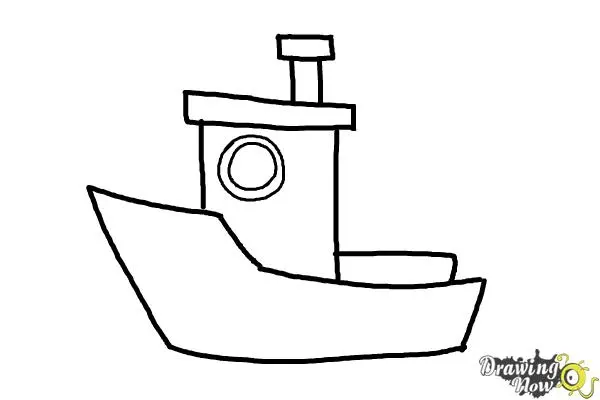
To begin your drawing, start with a horizontal line to represent the horizon and the water level. Sketch a long, shallow trapezoid to serve as the hull, ensuring the bottom is slightly curved to suggest buoyancy. Above the hull, add a smaller rectangle toward the front or middle to represent the cabin, which is where the captain navigates. Keep your initial lines light, as you will need to erase or refine them as you add more structural details to the vessel.
Once the basic silhouette is established, add the functional components that define a fishing boat. These include the mast, the boom, and the railing along the deck. Remember that fishing boats vary significantly in size, from small skiffs to large trawlers. Using a light touch allows you to adjust the proportions of the cabin relative to the deck space, ensuring the boat looks balanced and capable of floating on the water surface.
What are the essential parts of a fishing boat
A fishing boat is characterized by specific features that distinguish it from pleasure craft or cargo ships. The hull is the most critical part, often reinforced to handle the weight of nets and a daily catch. You should include the following elements to give your drawing authenticity:
- The bow, which is the front pointed section that cuts through waves.
- The stern, the flat or rounded rear section where the engine or rudder is located.
- The gunwale, which is the top edge of the boat's side.
- Fishing gear, such as outriggers, cranes, or net drums located on the deck.
The cabin should be positioned to allow the crew maximum visibility, often featuring large, rectangular windows. If you are drawing a commercial trawler, include a mast with a crow’s nest or radar equipment. These technical details provide context for the boat’s purpose, turning a simple shape into a specialized machine designed for the sea.
How to add realistic details to your drawing
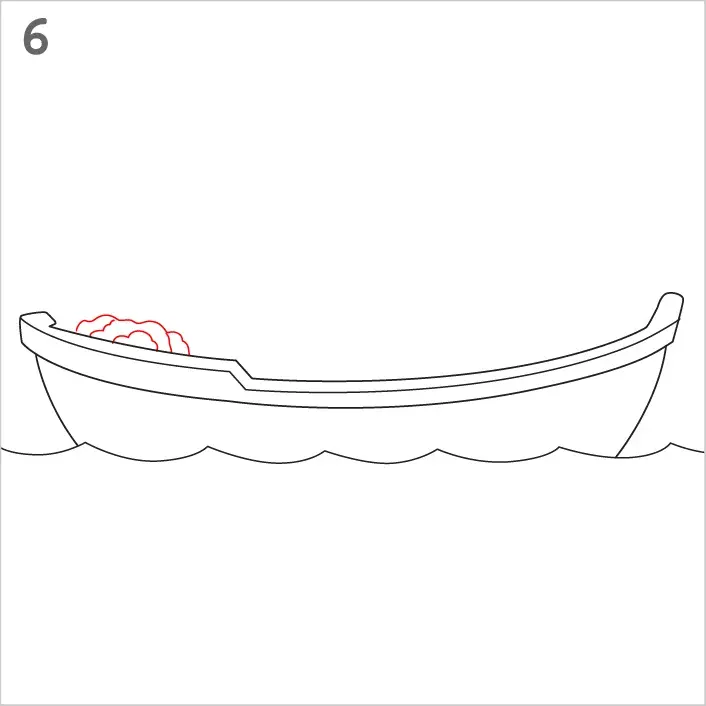
Adding texture and depth is what separates a basic sketch from a professional-looking illustration. Start by drawing the water line, adding small horizontal dashes or ripples near the hull to show the boat’s displacement. You can also add shading under the hull to suggest the weight of the boat pressing into the water. This creates a sense of mass and prevents the drawing from appearing as if it is floating on top of the surface.
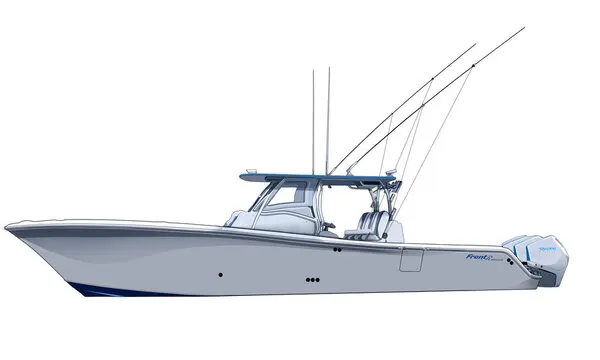
Focus on the mechanical details next to enhance realism. You can draw ropes coiled on the deck or hanging from the mast, which adds a sense of activity and history to the vessel. If you choose to add a crew, keep them in proportion to the cabin doors and deck railings. Small details like life rings, navigation lights, and exhaust pipes on the cabin roof help complete the narrative of a working fishing boat.
Common mistakes when drawing boats
One of the most frequent errors is failing to maintain consistent perspective. If the hull is drawn from a side view, the cabin windows and deck must also follow that same perspective line. If the lines converge incorrectly, the boat will look distorted or tilted. Always use a vanishing point if you are attempting a three-dimensional view to keep the structural elements aligned with the horizon.
Another common mistake is ignoring the weight and scale of the vessel. Beginners often draw the cabin too large, making the boat look top-heavy and unstable. Remember that a fishing boat is a heavy, industrial object. Ensure the hull is deep enough to support the superstructure. Avoid drawing the boat perfectly symmetrical; real fishing boats often show signs of wear, such as rust streaks or slightly weathered wood, which adds character to your final piece.
How to finish and refine your sketch
Refining your drawing involves darkening the outlines and adding contrast through shading. Use a darker pencil or ink to trace the primary structural lines, while keeping secondary details like ropes or ripples slightly lighter. This contrast helps the eye distinguish between the main body of the boat and the surrounding environment. If you are using color, consider the typical palette of a fishing boat, which often includes bold colors for the hull and muted, industrial tones for the deck.
Finally, evaluate the composition of your scene. If the boat looks isolated, add elements like seagulls, a distant shoreline, or a buoy to anchor it in a specific setting. Check that your light source is consistent, ensuring that shadows on the cabin and hull fall in the same direction. By carefully reviewing these final elements, you ensure that your drawing successfully communicates the rugged, functional nature of a working fishing vessel.
Key facts
- Start by sketching a long, horizontal oval to establish the waterline and the hull's base.
- Draw a trapezoid on top of the hull to represent the cabin, ensuring it is slightly off-center for visual balance.
- Add a vertical mast near the center of the boat, as this provides a focal point for rigging and nets.
- Use simple geometric shapes like rectangles for windows and triangles for flags to add detail without cluttering the drawing.
- Incorporate a curved line at the bow to indicate the prow, which helps the boat look like it is cutting through water.
- Avoid drawing perfectly straight lines for the hull; a slight curve makes the vessel appear buoyant and realistic.
The bottom line
Drawing a fishing boat is a rewarding exercise in combining simple geometric forms with fluid, organic lines. By focusing on the structural integrity of the hull and adding functional details like masts and nets, you can create a convincing maritime scene. Remember to maintain consistent proportions and use shading to define depth, ensuring your vessel appears ready to navigate the open waves with grace and purpose.
People also ask
What is the most important part of a boat to draw first?
The hull is the most critical element because it dictates the size, perspective, and stability of the entire drawing. Establishing the base shape ensures that all other components, like the cabin and mast, remain in proper proportion.
How do I make the boat look like it is floating?
Draw a horizontal line behind the boat to represent the horizon and add small, horizontal wavy lines around the hull. These ripples suggest movement and interaction with the water surface.
Should I use a ruler for the lines?
While a ruler helps with straight structures like masts or cabin walls, freehand sketching often looks more natural for marine vessels. A slight wobble in the lines suggests the organic curves of a boat’s construction.
How do I draw fishing nets on the boat?
Use a cross-hatch pattern of thin, intersecting lines hanging from the side of the boat or the mast. Keep the lines light and loose to represent the weightless, mesh-like quality of real netting.
What colors are best for a fishing boat?
Traditional fishing boats often feature bright, contrasting colors like red, blue, or yellow to ensure visibility at sea. Using these bold colors against a neutral gray or blue water background creates a professional look.
How do I add perspective to the boat?
Draw the side of the boat that is closer to the viewer slightly larger than the far side. This technique, known as foreshortening, creates a three-dimensional effect that makes the vessel appear solid.
This answer was created with the help of AI research tools and reference sources. Spotted an error? Let us know — we correct mistakes quickly. See our editorial policy.