How do you draw a cartoon snake?
Short answer
Drawing a cartoon snake involves creating a flexible, S-shaped body with a distinct head and a tapering tail. By using simple geometric shapes like ovals and circles, you can build a character that appears expressive and fluid. Focus on maintaining consistent thickness and adding playful details to bring the design to life.
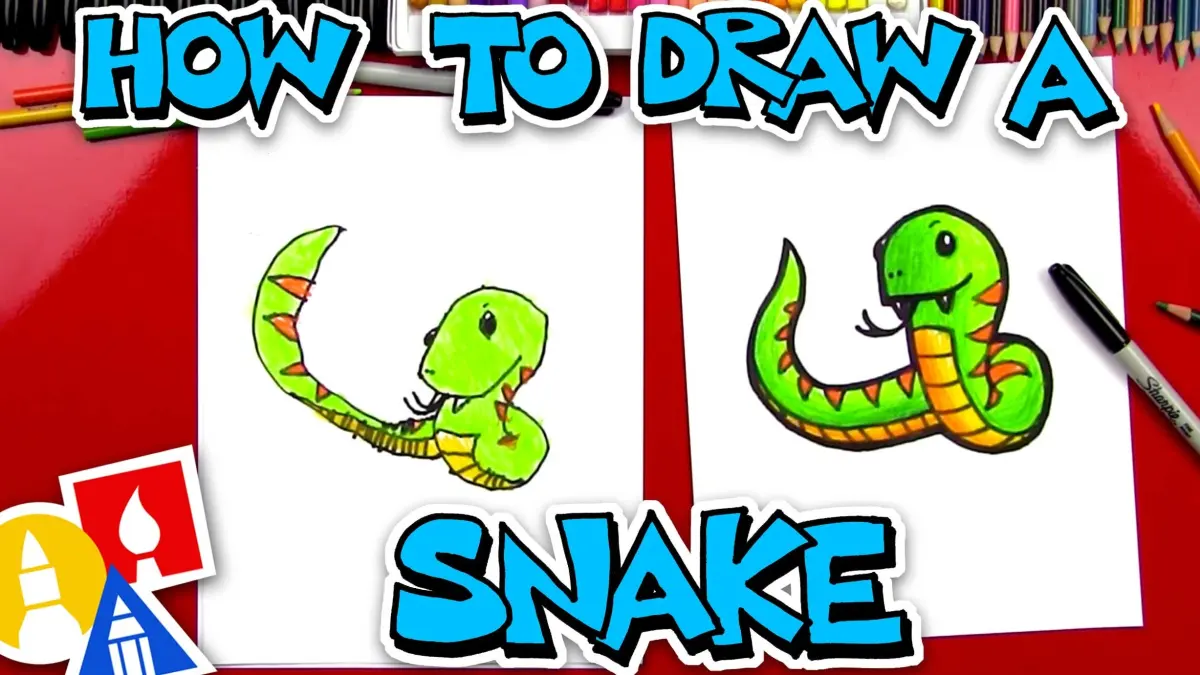
On this page
How to draw a basic cartoon snake shape
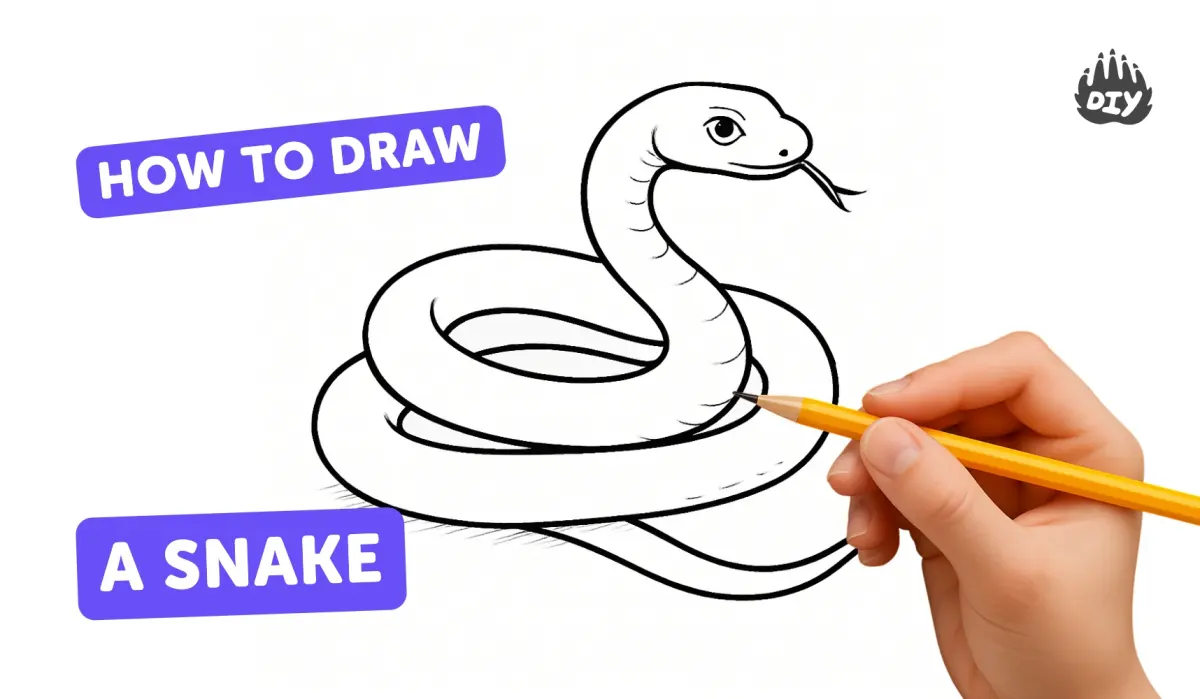
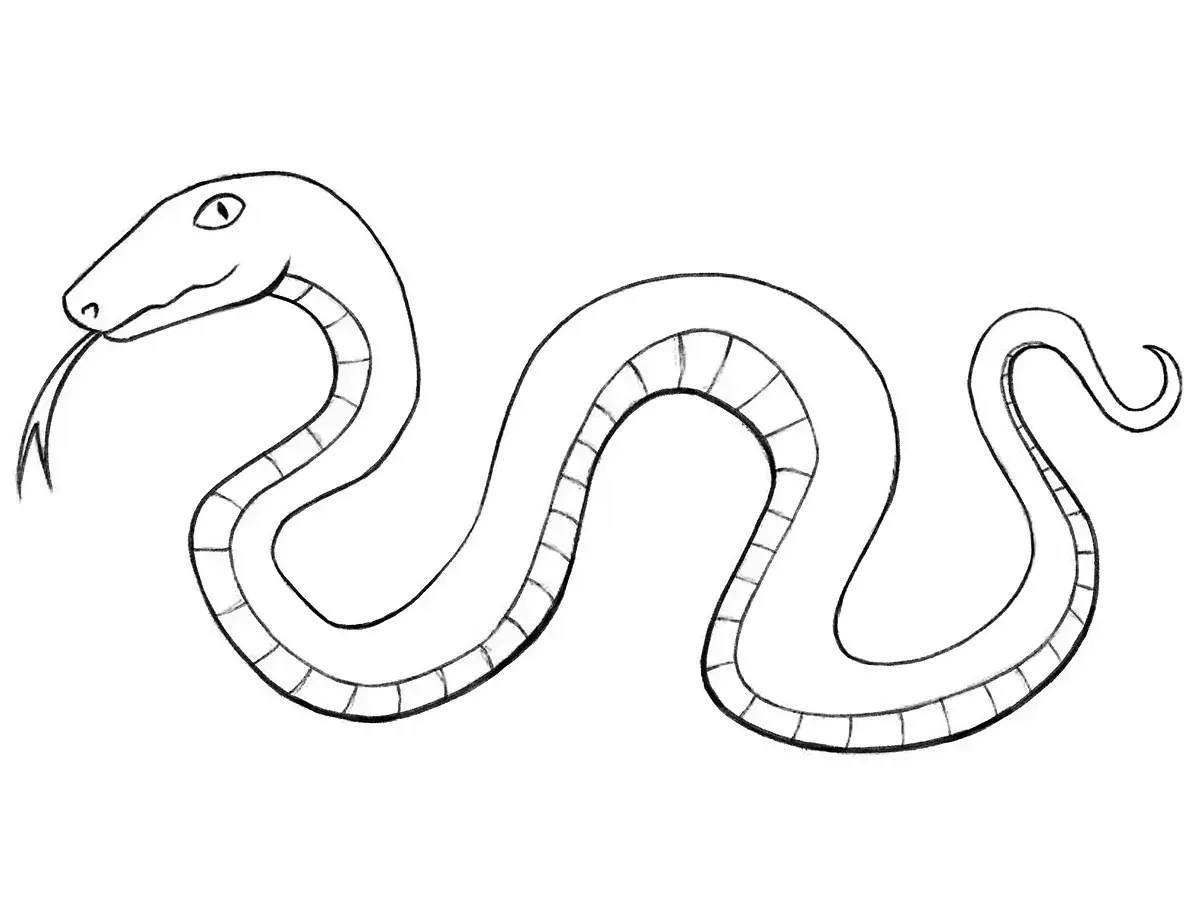
The foundation of any cartoon snake is the "S" curve. Start by sketching a light, flowing line that snakes across your paper to act as a spine. This guide line ensures your character looks fluid rather than stiff. Once the path is set, draw a long, continuous tube around the line, making it slightly thicker in the middle and narrower toward the tail.
To give your snake a cartoonish look, keep the proportions exaggerated. A large, rounded head makes the creature appear friendly and approachable. You can follow these steps to establish the basic silhouette:
- Sketch a loose "S" shape with a pencil.
- Draw an oval at the top for the head.
- Outline the body by drawing two parallel lines following the "S" curve.
- Taper the lines until they meet at a point for the tail.
- Erase the original guide line once the outer shape is complete.
Best tools for drawing cartoon snakes
For beginners, a standard graphite pencil is the best starting tool. Pencils allow you to sketch lightly, making it easy to erase mistakes or adjust the curves of the snake’s body. Once the sketch is finalized, use a fine-liner pen or a marker with a consistent tip to go over your lines. This creates the bold, clean look characteristic of professional cartoons.
If you are working digitally, use a tablet with pressure-sensitive brushes to vary your line weight. Thicker lines on the underside of the snake can suggest weight, while thinner lines on top keep the drawing feeling light. Regardless of the medium, keep these supplies handy:
- HB or 2B graphite pencils for initial sketching.
- A kneaded eraser to lift graphite without damaging the paper.
- Black ink pens for outlining and adding final details.
- A smooth-surface sketchbook to ensure fluid line movement.
How to add facial expressions to a snake
Since snakes lack limbs, their personality must come entirely from their face. Start by placing two large circles for eyes on the upper part of the head. By changing the shape of the eyelids or the direction of the pupils, you can make your snake look happy, surprised, or suspicious. Adding a small, curved line for a smile or a tongue flicking out adds immediate character.
Experiment with different eye placements to change the mood of your drawing. For a cute look, place the eyes low on the head and make them very large. For a more mischievous snake, draw the eyelids drooping slightly to create a squint. Remember to keep the tongue simple; a basic "Y" shape or a split line extending from the mouth is enough to make the snake recognizable.
Common mistakes when drawing snakes
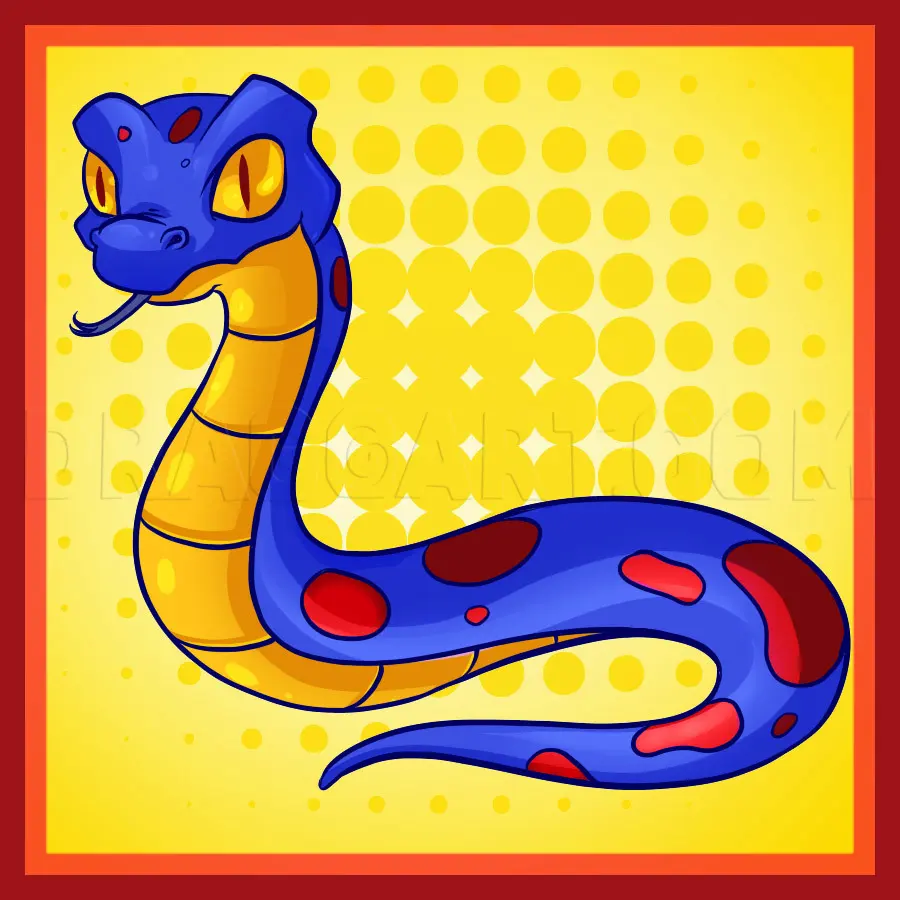
One frequent error is making the snake’s body segments look disconnected or uneven. Beginners often draw the body as a series of separate circles, which makes the snake look like a string of beads rather than a single, living creature. Always use long, sweeping strokes to connect the head to the tail, ensuring the body width remains consistent throughout the curves.
Another mistake is neglecting the tail’s taper. A snake’s body should gradually become thinner as it reaches the end. If the tail ends abruptly or remains as thick as the neck, it loses its serpentine appearance. Avoid these pitfalls by:
- Checking that your curves follow a natural, rhythmic flow.
- Ensuring the transition from the head to the neck is smooth.
- Avoiding overly sharp angles that break the illusion of a flexible spine.
- Practicing the "S" curve on scrap paper before starting your final drawing.
How to add personality with patterns and accessories
Once the basic structure is solid, you can customize your snake with patterns like stripes, diamonds, or spots. These markings help define the snake's personality and make the design more visually interesting. You do not need to draw every individual scale, as this often makes a cartoon look cluttered. Instead, focus on a few key patterns that follow the curve of the body.
Accessories can also tell a story about your character. A small top hat, a pair of glasses, or a bow tie can provide instant context and humor. When adding these items, ensure they sit naturally on the snake’s head or body. By keeping the design simple and focusing on clear, bold shapes, you can create a memorable cartoon snake that stands out on the page.
Key facts
- Start by drawing a large, loose "S" shape to establish the snake's body length and posture.
- Add a rounded, oval-shaped head at the top of the "S" curve to give the character personality.
- Draw two small circles for eyes and a curved line for a smile to make the snake look friendly.
- Use a thick, tapering line to outline the body, making it wider near the head and thinner toward the tail.
- Add a simple "V" shape or a fork at the end of a thin line protruding from the mouth to represent the tongue.
- Incorporate patterns like stripes or circles along the back to add visual interest and break up the solid color.
The bottom line
Drawing a cartoon snake is an exercise in mastering fluid, curved lines. By focusing on the "S" curve as a structural foundation, you can easily manipulate the character's pose and expression. Keep the details simple, such as expressive eyes and a characteristic forked tongue, to maintain clarity. With practice, you can experiment with various patterns and accessories to bring your unique reptilian character to life.
People also ask
How do I make the snake look like it is slithering?
Draw the body in a series of overlapping loops or waves rather than a single straight line. Varying the width of the curves creates the illusion of movement and depth.
What is the best way to draw snake scales without making it look cluttered?
Avoid drawing every single scale on the body. Instead, suggest the texture by drawing a few partial "U" shapes along the edges or on the snake's belly.
How can I make my cartoon snake look more menacing?
Use angular, sharp shapes for the eyes and head instead of rounded ones. Adding a zig-zag pattern or darker, muted colors often conveys a more aggressive personality.
Should I draw the snake with or without legs?
Snakes are limbless reptiles, so omitting legs is standard. If you want a fantasy creature, adding small, vestigial legs can create a unique, stylized character design.
How do I draw the tail tip correctly?
Taper the body to a fine, rounded point rather than a blunt end. Ensuring the tail is significantly thinner than the body provides a natural silhouette.
Can I add accessories to my cartoon snake?
Yes, accessories like a top hat, glasses, or a bowtie are common tropes in animation. These items help establish character traits and make the design more memorable for viewers.
This answer was created with the help of AI research tools and reference sources. Spotted an error? Let us know — we correct mistakes quickly. See our editorial policy.