How do you draw a cartoon mouth?
Short answer
Drawing a cartoon mouth requires balancing simple geometric shapes with expressive curves. Start by defining the mouth’s baseline, then add the upper and lower lips based on the character’s emotion. By manipulating the corners of the mouth and the visibility of teeth, you can convey a wide range of human expressions effectively.
On this page
How to draw basic cartoon mouth shapes
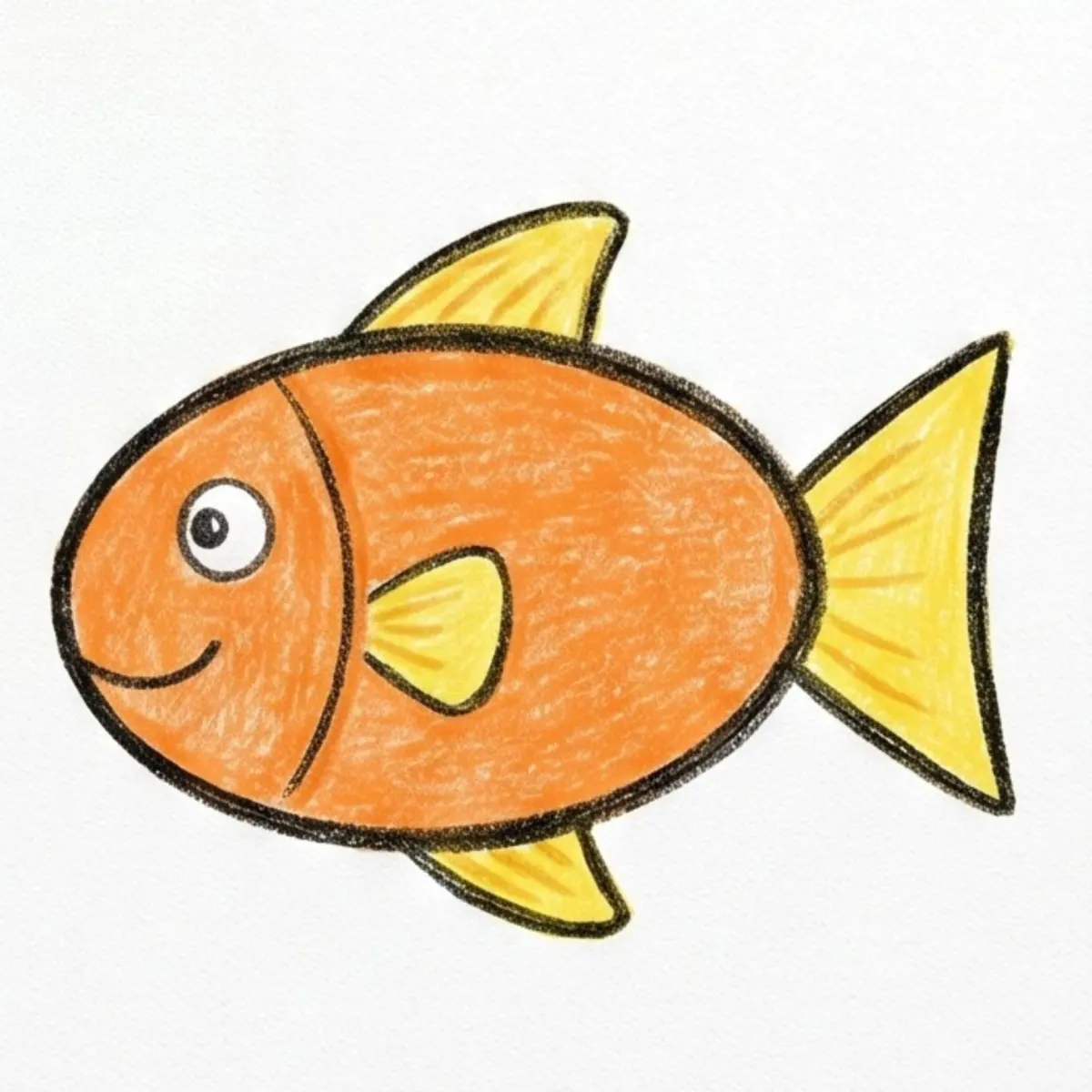
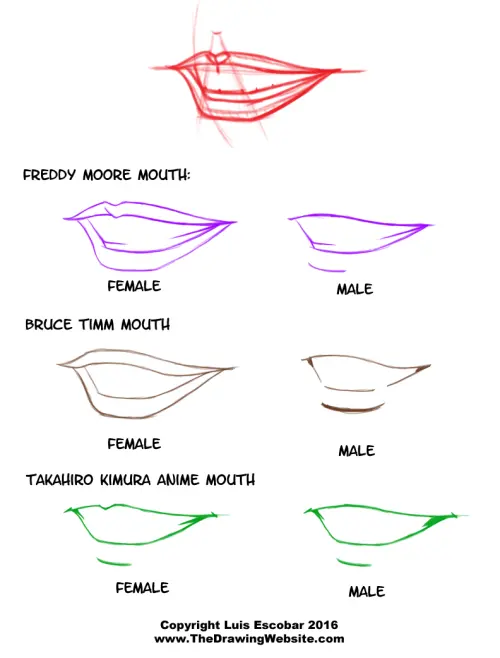
The foundation of a cartoon mouth lies in the arc of the line. A simple horizontal curve can represent a neutral expression, while an upward curve suggests a smile and a downward curve indicates sadness. When drafting, keep your initial lines light so you can easily adjust the curvature until the character’s mood feels correct.
To construct a mouth, follow these fundamental steps to ensure symmetry and balance:
- Draw a light horizontal guideline across the lower third of the face.
- Sketch a curved line resting on that guide to establish the mouth's width.
- Add a secondary curve beneath the first to define the lower lip.
- Refine the corners by thickening the lines slightly to anchor the mouth to the face.
Avoid drawing the mouth too large or too small relative to the nose. A mouth that occupies more than half the width of the head often looks distorted, while one that is too tiny can make a character appear expressionless or robotic.
What are the best methods for expressing emotions
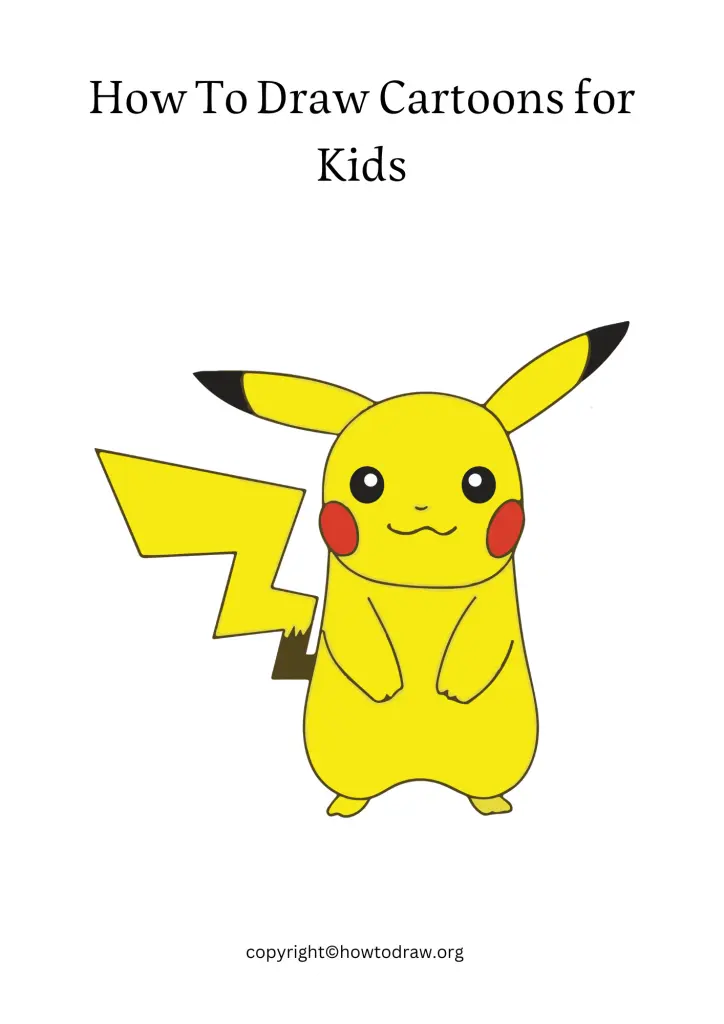
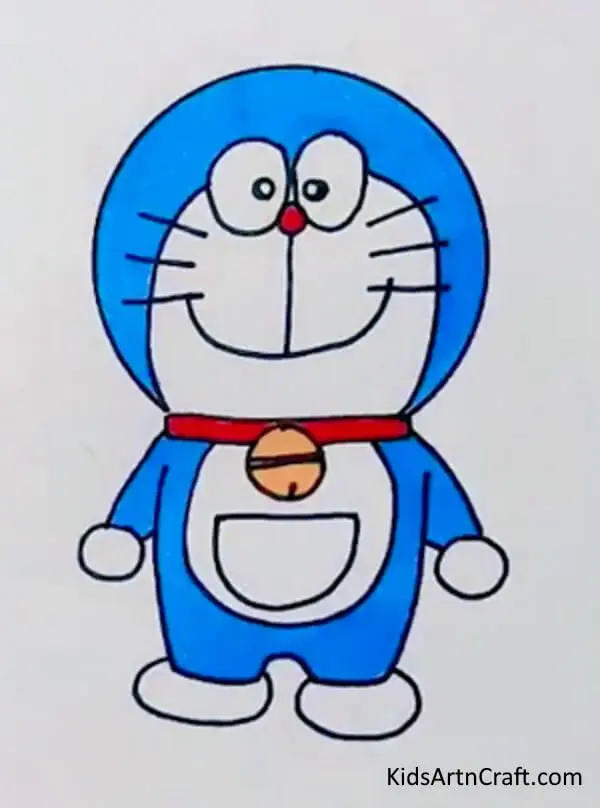
Expression is the primary purpose of a cartoon mouth. To show joy, lift the corners of the mouth upward, often creating a "U" shape that pushes the cheeks up toward the eyes. For anger, draw the mouth as a jagged or straight line that slants downward, emphasizing tension in the jaw area.
Use these specific techniques to convey complex feelings:
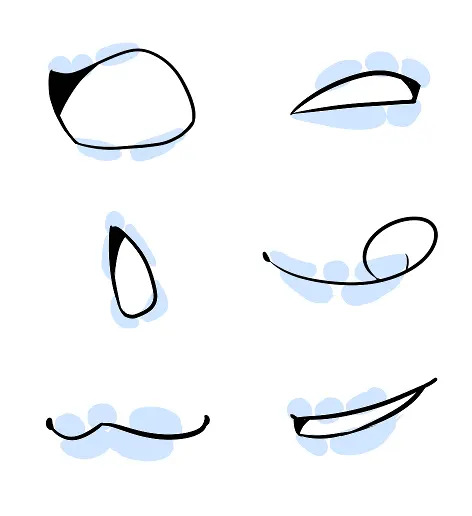
- Surprise: Draw a perfect oval or circle to represent an open, gaping mouth.
- Skepticism: Use a single, asymmetrical line that is higher on one side than the other.
- Determination: Draw a tight, thin line with the corners pulled back, suggesting a clenched jaw.
- Laughter: Create a wide, open shape that reveals the tongue and upper teeth, often curving the top line downward.
Consistency is key when applying these shapes. If your character is meant to be happy, ensure the mouth shape matches the arch of the eyebrows to create a cohesive facial expression.
How to draw teeth and tongues correctly
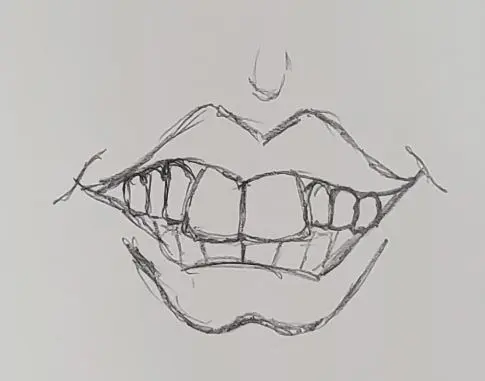
Adding teeth and tongues brings realism to a cartoon mouth, even in highly stylized drawings. For a standard smile, draw a simple rectangle or a series of small squares along the upper lip line. Avoid drawing every individual tooth, as this often looks cluttered; instead, suggest the presence of teeth with a few vertical strokes.
When drawing an open mouth, the tongue acts as a focal point. Place the tongue in the lower half of the mouth cavity, keeping it rounded to suggest volume. If the character is screaming or yelling, make the tongue more elongated and pointed toward the back of the throat.
Common mistakes when adding interior details include:
- Making the teeth too dark, which makes the mouth look like a black hole.
- Ignoring the depth of the throat, which makes the mouth look like a flat sticker.
- Using too many lines, which distracts from the overall character design.
Why mouth placement matters for character design
The vertical placement of the mouth significantly impacts how old or youthful a character appears. Placing the mouth closer to the nose creates a more mature look, while dropping it lower toward the chin gives the character a wider, more youthful appearance. Experimenting with this distance allows you to define the character's age and personality before you even add facial features.
Consider the relationship between the mouth and the chin. A prominent chin often requires a mouth placed slightly higher to maintain anatomical logic, whereas a rounded, soft chin works well with a lower mouth placement. If you are drawing a side profile, remember that the mouth should wrap around the curvature of the muzzle or jawline rather than appearing as a flat line on the surface.
Always check the alignment of the mouth with the eyes. If the mouth is skewed while the eyes are level, the character will look lopsided or confused. Use your initial construction lines to ensure the center of the mouth aligns with the center of the nose.
Common mistakes when drawing cartoon mouths
Many beginners struggle with "floating" mouths that do not seem connected to the facial muscles. To fix this, always ensure the corners of the mouth are anchored to the cheek area. If the character is smiling, the corners should naturally lead into the cheekbones, creating a sense of volume and movement across the entire face.
Another frequent error is neglecting the "line of action" in the mouth. Even a simple smile should have a clear, intentional curve. If the line is too straight, the character will look stiff or bored. Additionally, avoid making the lips too thick unless the character design specifically calls for it, as overly thick lips can make the mouth look heavy and out of place on a simple cartoon face.
- Practice drawing the mouth in different perspectives to understand how it wraps around the head.
- Use reference photos of real people to see how the mouth changes during natural speech.
- Keep your lines clean and purposeful, avoiding "hairy" or scratchy lines that lack definition.
- Always step back from your drawing to see if the mouth conveys the intended emotion clearly.
Key facts
- A simple curved line represents a neutral mouth, while an upward arc signifies happiness.
- Downward curves indicate sadness, and a jagged line can effectively convey anger or shouting.
- The placement of the mouth relative to the nose determines the character's age and facial proportions.
- Adding a small "v" shape or a horizontal line inside the mouth suggests a tongue or teeth.
- Exaggerating the size of the mouth is a primary technique for expressing extreme emotions like shock.
- Consistent line weight helps maintain the stylistic integrity of a cartoon character across different frames.
The bottom line
Drawing a cartoon mouth relies on using basic geometric shapes to convey complex human emotions. By mastering simple arcs, circles, and jagged lines, you can effectively communicate a character's mood. Remember to balance the mouth's size with the rest of the facial features and avoid overcrowding the jaw area. Consistent practice with these fundamental shapes will allow you to create expressive characters with minimal, clean lines.
People also ask
How do I draw teeth in a cartoon mouth?
Draw a horizontal line across the mouth opening and add vertical marks to segment the teeth. Keep the shapes blocky and simple rather than anatomically precise to match the cartoon style.
What is the best way to draw an open, shouting mouth?
Draw a large, vertical oval or a rounded rectangle. Fill the top area with a dark shape to represent the back of the throat and add a tongue at the bottom.
How can I make a mouth look surprised?
Use a small, perfect circle to represent an "O" shape. Placing the mouth lower on the face creates more room for the eyes to widen, enhancing the expression.
Should the mouth always be centered on the face?
Not necessarily, as shifting the mouth to the side can imply a smirk or a character speaking from the corner of their lips. Experiment with off-center placement for more dynamic, asymmetrical expressions.
How do I show a character is talking?
Use a variety of mouth shapes that correspond to vowel sounds, such as wide for "A" and narrow for "O." Keep the mouth shapes simple to avoid cluttering the character's face.
What is a common mistake when drawing cartoon mouths?
A frequent error is placing the mouth too high, which makes the chin look disproportionately small. Always leave enough space below the mouth to define the jawline and chin area clearly.
This answer was created with the help of AI research tools and reference sources. Spotted an error? Let us know — we correct mistakes quickly. See our editorial policy.