What is doodling?
Short answer
Doodling is the act of drawing unfocused or unconscious patterns, shapes, and figures while a person’s attention is otherwise occupied. Often performed during meetings or lectures, these sketches range from simple geometric forms to intricate illustrations. Far from being a sign of distraction, doodling can actively improve memory retention and cognitive focus.
On this page
Why do people doodle?
Doodling often occurs when the brain is engaged in a primary task, such as listening to a long presentation or participating in a phone conversation. When the mind is occupied with auditory information, doodling serves as a "cognitive anchor" that prevents the brain from drifting into daydreaming. By keeping the hands busy, the act provides a low-level sensory stimulation that helps maintain alertness and focus.
Research suggests that doodling can actually boost memory performance. In a 2009 study conducted by psychologist Jackie Andrade, participants who doodled while listening to a monotonous recording were able to recall 29 percent more information than those who did not. The act of sketching engages the brain’s default mode network, which helps process complex information without the fatigue associated with intense, singular focus. It is a natural mechanism for balancing boredom and cognitive load.
What are the benefits of doodling?
Engaging in this creative habit offers several psychological and neurological advantages that extend beyond simple entertainment. It serves as an effective tool for stress reduction, allowing the subconscious to process emotions through repetitive motions. The rhythmic nature of drawing lines and shapes can lower cortisol levels, providing a brief mental respite during high-pressure situations.
Beyond stress relief, the practice fosters creative problem-solving by allowing the mind to wander productively. When you stop trying to force a solution to a problem, your brain continues to work on it in the background. Doodling creates a bridge between analytical thinking and creative expression. Consider these primary benefits:
- Improved concentration during repetitive tasks.
- Enhanced memory retention of verbal information.
- Reduction in anxiety and mental fatigue.
- Development of fine motor skills through repetitive motion.
- Increased ability to visualize complex ideas or abstract concepts.
How to start doodling for beginners
You do not need formal artistic training or expensive equipment to begin doodling. The beauty of the practice lies in its spontaneity and lack of rigid structure. Start by keeping a small notebook and a comfortable pen nearby whenever you are likely to be in a situation that requires listening. Do not worry about the aesthetic quality of your work, as the goal is process, not product.
To get started, focus on simple, repetitive shapes that do not require much conscious thought. You can experiment with different styles until you find what feels most natural to you. Follow these steps to build a consistent habit:
- Select a pen that flows easily on paper to minimize physical resistance.
- Begin with basic geometric shapes like circles, squares, or triangles.
- Connect these shapes with lines, swirls, or cross-hatching patterns.
- Allow your hand to move across the page without lifting the pen frequently.
- Focus on the rhythm of the stroke rather than the final image.
Common mistakes when doodling
One of the most frequent mistakes beginners make is placing too much pressure on themselves to create a "perfect" drawing. Doodling is not meant to be a masterpiece; it is a functional tool for the mind. When you stop to judge the quality of your lines or erase mistakes, you break the cognitive flow that makes the practice beneficial. Perfectionism is the enemy of the subconscious state required for effective doodling.
Another common error is trying to draw complex subjects that require intense focus, such as realistic portraits or detailed perspective drawings. If you have to concentrate too hard on the drawing, you will lose the ability to pay attention to your primary task. Keep your subjects abstract and simple to ensure that your brain remains in a relaxed, receptive state. Avoid these pitfalls to maximize the efficacy of your sessions:
- Trying to illustrate a specific, complex scene.
- Using pencils that require frequent sharpening or erasing.
- Becoming self-conscious about the appearance of the notebook.
- Stopping the flow to analyze the meaning of your shapes.
What tools are best for doodling?
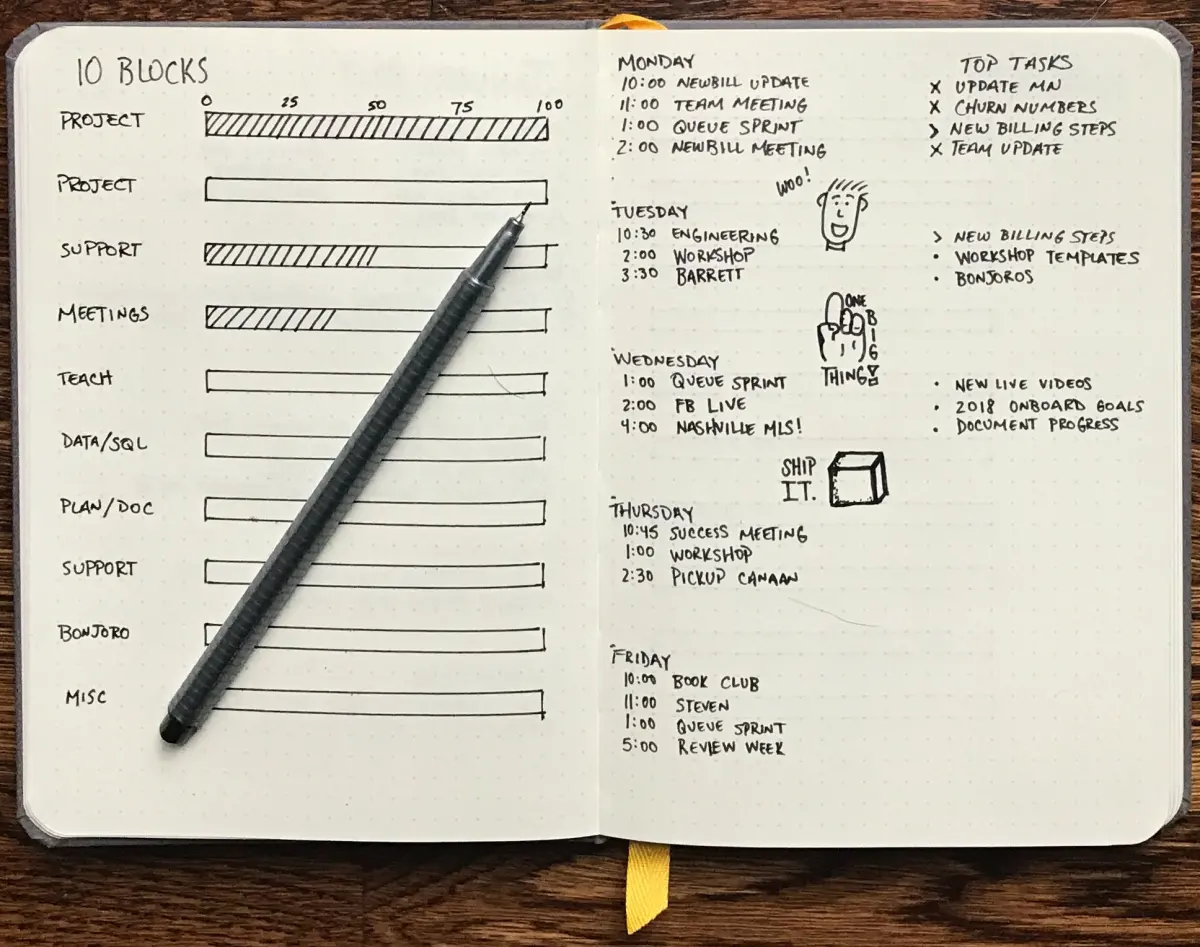
The best tools for doodling are those that are readily available and require zero setup time. While professional artists may prefer high-quality ink pens, any writing instrument that provides a smooth, consistent line will suffice. Ballpoint pens are often favored because they are reliable, do not bleed through standard paper, and offer varying line weights depending on the pressure applied.
For those who want to experiment, consider the following options:
- Fine-liner pens: Excellent for crisp, consistent lines and intricate detail.
- Gel pens: Provide a vibrant, fluid experience that is very satisfying for repetitive patterns.
- Felt-tip markers: Ideal for bold, graphic shapes and filling in large areas of space.
- Standard ballpoint pens: The most accessible choice, perfect for quick, spontaneous sketching during meetings.
- Digital tablets: Useful for those who prefer a paperless environment, though they lack the tactile feedback of traditional media.
Regardless of the tool, ensure your paper is durable enough to handle the pressure of your pen. A small, pocket-sized sketchbook is ideal for portability, ensuring you can engage in this practice whenever the need for mental grounding arises. By focusing on the tactile experience of the pen on the page, you can unlock a simple yet powerful way to stay focused and calm throughout your day.
Key facts
- Doodling is the act of sketching or drawing aimlessly while a person’s attention is otherwise occupied, such as during a long meeting.
- Research published in the journal Applied Cognitive Psychology in 2009 suggests that doodling can improve memory retention by helping the brain maintain focus.
- The term "doodle" first appeared in the early 17th century to describe a fool or a simpleton, evolving into its modern artistic meaning by the 1930s.
- Doodling engages the brain's "default mode network," which allows for creative problem-solving and stress reduction without requiring intense cognitive effort.
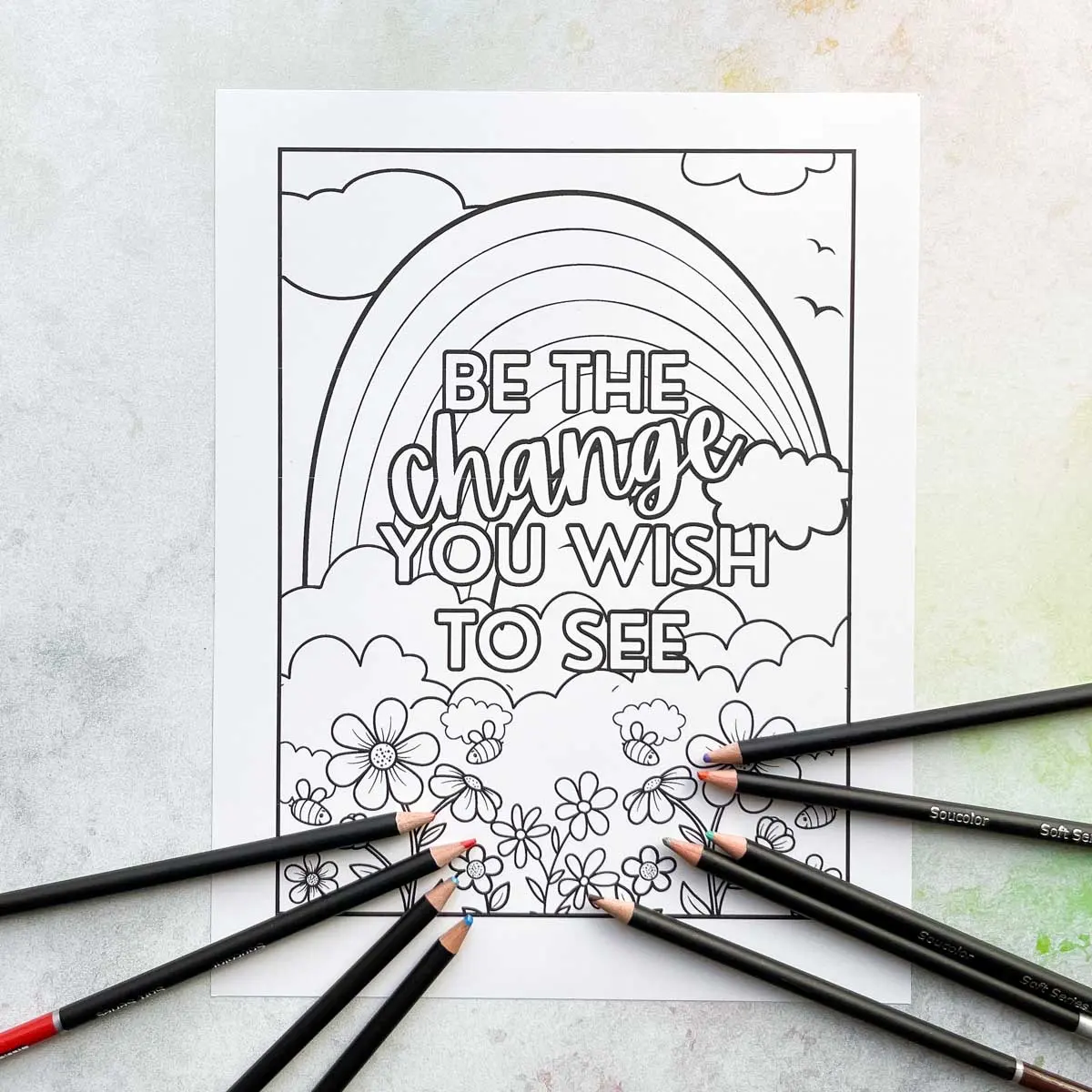
- Common doodle patterns include geometric shapes, interlocking loops, stars, and stylized flowers, which often emerge from repetitive muscle memory.
- To use doodling effectively, keep a small notepad nearby and allow your pen to move freely without attempting to create a finished piece of art.
The bottom line
Doodling is a practical, accessible cognitive tool that bridges the gap between idle movement and active concentration. By allowing the hand to wander, you can sharpen your focus, reduce mental fatigue, and subconsciously process complex information. Whether you are sketching simple geometric shapes or intricate patterns, the practice serves as a valuable outlet for creativity and stress management in any professional or academic setting.
People also ask
Is doodling a sign of boredom or lack of focus?
Contrary to popular belief, doodling is often a tool for concentration rather than a sign of disinterest. It provides just enough sensory stimulation to prevent the mind from wandering into daydreaming during tedious tasks.
Can anyone learn to doodle?
Anyone can doodle because it requires no formal artistic training or specific talent. The goal is personal expression and cognitive engagement rather than technical perfection or public display.
What are the best tools for doodling?
A simple ballpoint pen and a scrap of paper are the most common tools. Some people prefer fine-liner pens or markers to create more intricate patterns, but any writing implement will suffice.
Should I worry if my doodles look messy or repetitive?
You should not worry about the aesthetic quality of your doodles. Repetition is a core component of the practice, as it helps the brain settle into a rhythmic state that aids in processing information.
How can I start doodling if I feel self-conscious?
Start by drawing simple shapes like circles, squares, or lines on the edge of a notebook page. Focus on the physical sensation of the pen moving across the paper rather than the final image.
Are there different types of doodling?
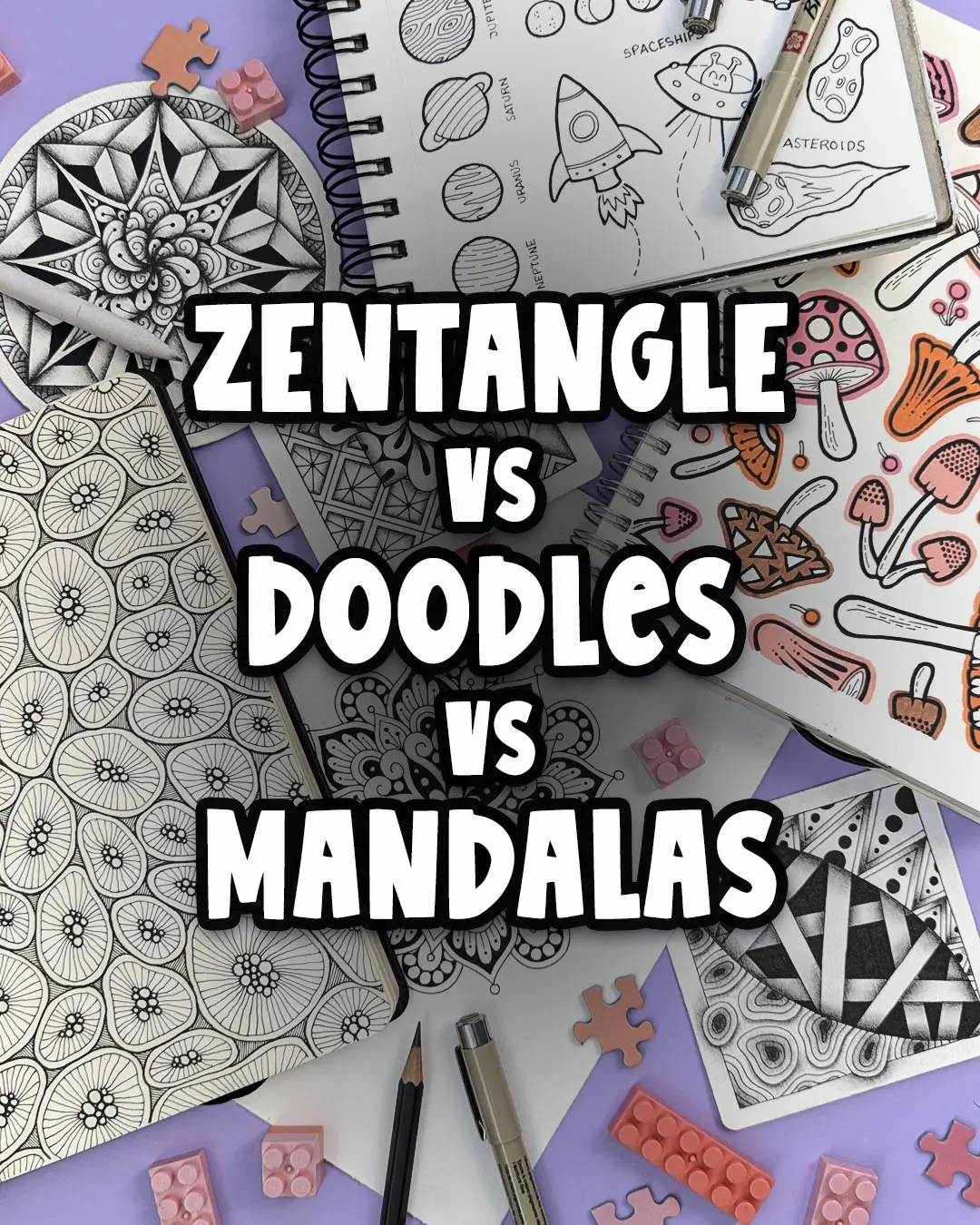
Yes, styles range from "zentangle" patterns, which involve structured, repeating designs, to "scribble" art that focuses on spontaneous, chaotic lines. Both forms serve the same purpose of grounding the creator in the present moment.
This answer was created with the help of AI research tools and reference sources. Spotted an error? Let us know — we correct mistakes quickly. See our editorial policy.