What is a line of action?
Short answer
A line of action is an imaginary, curved, or straight line that defines the primary direction and energy of a pose or composition. It acts as the visual spine of an image, guiding the viewer’s eye through the subject. By establishing this flow, artists create dynamic, readable, and emotionally resonant figures in motion.
On this page
What is a line of action in drawing?
The line of action is the fundamental gesture that captures the essence of a pose before any anatomical details are added. It represents the central axis of movement, often following the spine or the primary limb extension. By simplifying a complex figure into a single, sweeping stroke, an artist can establish the character's intent, weight, and balance immediately. Without this guiding arc, drawings often appear stiff, static, or anatomically disconnected.
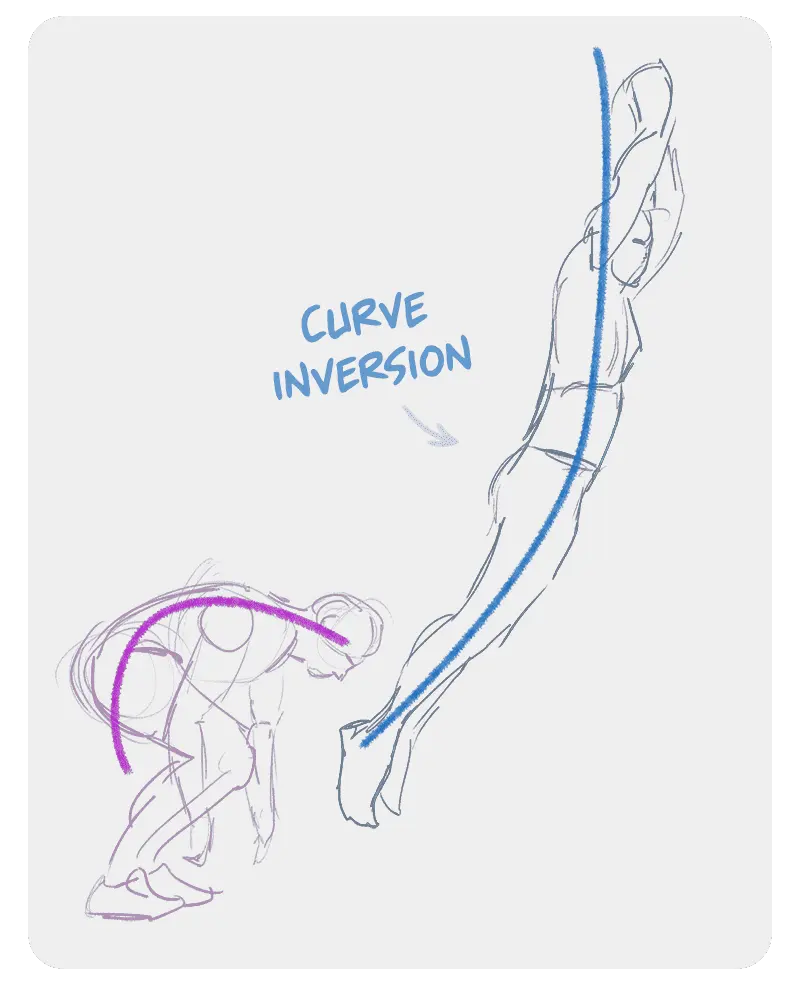
To identify a line of action, look for the longest, most continuous curve spanning from the head to the feet or the fingertips. In a figure jumping, the line might form a dramatic "C" or "S" curve that emphasizes the stretch of the body. Mastering this concept allows artists to communicate action—such as running, reaching, or falling—without needing intricate shading or rendering. It is the difference between a lifeless mannequin and a figure that feels alive and purposeful on the page.
How to find the line of action in a pose
Finding the line of action requires looking past the surface details like muscles or clothing to see the underlying rhythm. When observing a reference, squint your eyes to blur the small shapes and focus on the overall silhouette. You are searching for the path of greatest tension or energy within the pose. Once you identify this trajectory, you can use it as the structural foundation for your entire figure.
Follow these steps to effectively map a line of action:
- Observe the subject and identify the most extreme point of movement, such as the head or a reaching hand.
- Trace the path of the spine or the main limb that carries the body's weight.
- Draw a single, fluid stroke that captures the curvature of that path.
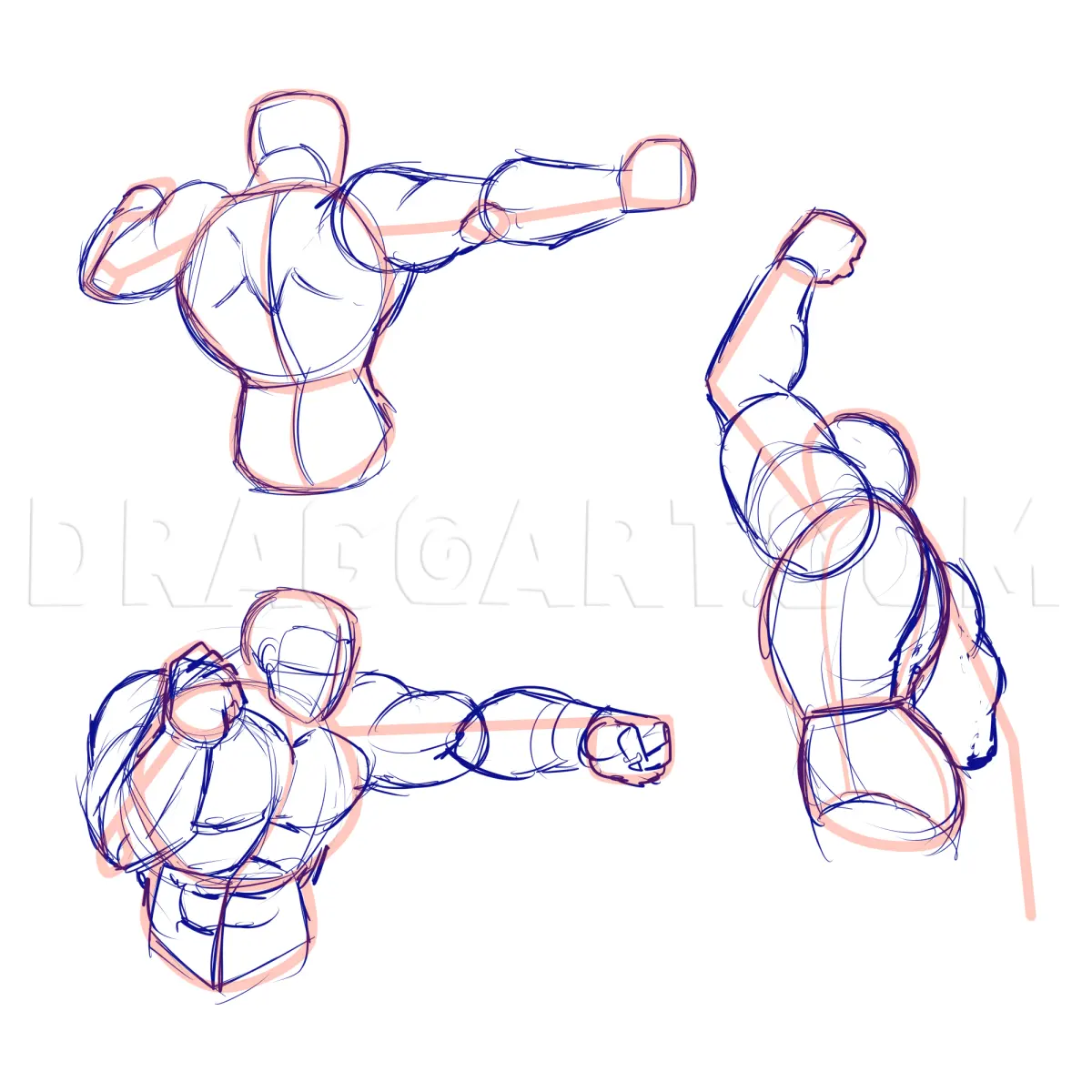
- Build the rest of the figure’s anatomy around this line to ensure the pose remains consistent and dynamic.
Why use lines of action for character design
Lines of action are essential for character design because they determine how a character interacts with the viewer's perception. A vertical line suggests stability, nobility, or stillness, while a diagonal line introduces instability, speed, and conflict. By manipulating these curves, designers can subconsciously tell the audience how to feel about a character. A hero might be drawn with a strong, upward-sweeping line, whereas a villain might be defined by sharp, jagged, or hunched lines of action.
This technique is widely used in animation to ensure that poses remain readable even during fast-paced movement. Animators use a "line of action" to maintain the silhouette's clarity, ensuring the audience never loses track of the character's intent. When a character moves, the line of action often shifts, creating a rhythm that guides the animation frames. This consistency prevents the character from looking "broken" or losing their weight during complex sequences, keeping the performance grounded in physical reality.
Common mistakes when drawing lines of action
One of the most frequent errors is drawing a line that is too straight or rigid. A perfectly straight line often results in a boring, robotic pose that lacks the organic quality of human movement. Beginners often prioritize anatomical accuracy over the fluidity of the gesture, leading to figures that feel heavy or frozen. Always aim for a curve, as curves naturally suggest grace, tension, and the potential for movement.
Another common mistake is losing the line of action once the drawing process progresses to the refinement stage. Artists often become preoccupied with drawing facial features or fingers, causing the original "flow" of the pose to disappear. To avoid this, keep the line of action visible as a light construction guide throughout the entire drawing process. If the pose starts to feel stiff, return to your original line and adjust the anatomy to better align with that initial, energetic curve.
Best exercises to practice gesture drawing
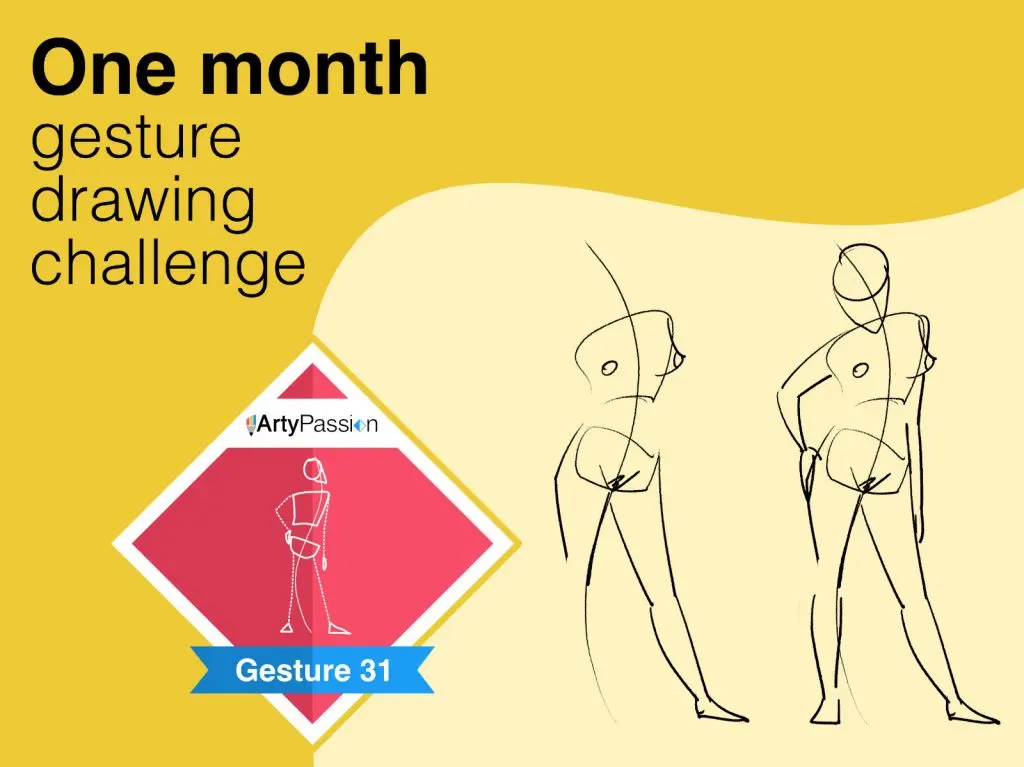
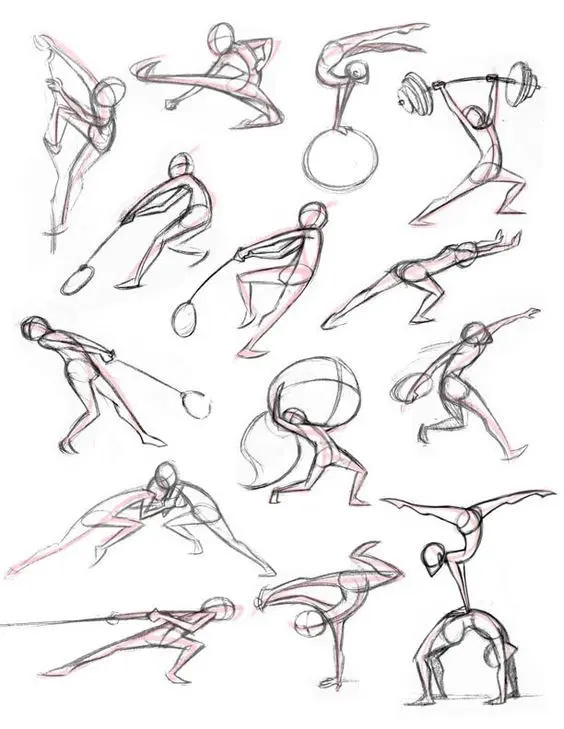
Practicing gesture drawing is the most effective way to internalize the concept of the line of action. Set a timer for short intervals—ranging from 30 seconds to two minutes—and attempt to capture the essence of a model or a subject in motion. The goal is not to produce a finished drawing but to train your eye to see the primary movement instantly. By forcing yourself to work quickly, you bypass the urge to over-detail and focus entirely on the core energy.
Try these exercises to improve your speed and accuracy:
- Use a thick charcoal stick or a soft pencil to prevent yourself from focusing on small, fussy details.
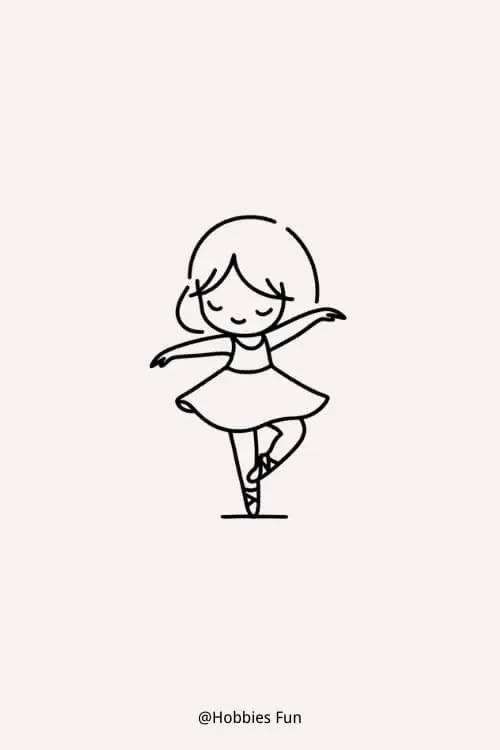
- Practice drawing silhouettes of athletes or dancers where the line of action is naturally exaggerated.
- Draw the line of action first, then add the head and pelvis as simple shapes to see if the pose "works" before adding limbs.
- Compare your lines of action to the original reference to see if you captured the true intensity of the movement.
Consistent practice will eventually make this process intuitive, allowing you to sketch complex, active figures with confidence and professional flair.
Key facts
- A line of action is an imaginary line that traces the primary movement or direction of a figure or object within a composition.
- It acts as the backbone of a drawing, establishing the flow and energy of a pose before details are added.
- Artists use a single, sweeping curve to represent the spine or the main axis of the body to ensure the drawing feels dynamic.
- A strong line of action should ideally be a simple arc or an "S" curve to maximize the sense of motion.
- Placing the line of action early in the sketching process prevents the figure from appearing stiff, static, or anatomically disconnected.
- To test your line, simplify the figure into a "stick" representation; if the stick figure lacks movement, the final drawing will likely be lifeless.
The bottom line
The line of action is the essential structural foundation for any dynamic drawing. By establishing a clear, singular path of movement, you create a sense of life and energy that guides the viewer’s focus. Whether you are sketching a human figure or a speeding vehicle, prioritizing this invisible arc ensures your work feels intentional, fluid, and physically grounded, rather than static or cluttered with unnecessary detail.
People also ask
How does a line of action improve figure drawing?
It provides a clear path for the viewer's eye to follow, creating a sense of rhythm and purpose in a pose. Without it, figures often look like disjointed collections of shapes rather than unified, moving entities.
Can a figure have more than one line of action?
While a single primary line is best for clarity, complex poses might use secondary lines for limbs. However, these must always support the primary movement rather than conflict with it to avoid visual confusion.
Should the line of action always be curved?
Curved lines generally suggest grace and fluidity, while straight or jagged lines convey tension, aggression, or sudden impact. Choosing the right shape depends entirely on the emotion and narrative you want to convey.
What is the most common mistake when drawing a line of action?
Beginners often draw the line too straight or ignore it entirely, resulting in "post-like" poses. Another mistake is drawing the line after the anatomy is finished, which makes it impossible to correct the fundamental flow.
How do animators use lines of action?
Animators use them to ensure that every frame of a movement remains readable and engaging. By maintaining a consistent line of action, they keep the character's intent clear even during fast-paced sequences.
Does the line of action apply to inanimate objects?
Yes, it is essential for drawing anything that has a sense of direction, such as a crashing wave or a speeding car. It helps define the trajectory and force behind the object's movement.
This answer was created with the help of AI research tools and reference sources. Spotted an error? Let us know — we correct mistakes quickly. See our editorial policy.