What do pandas eat?
Short answer
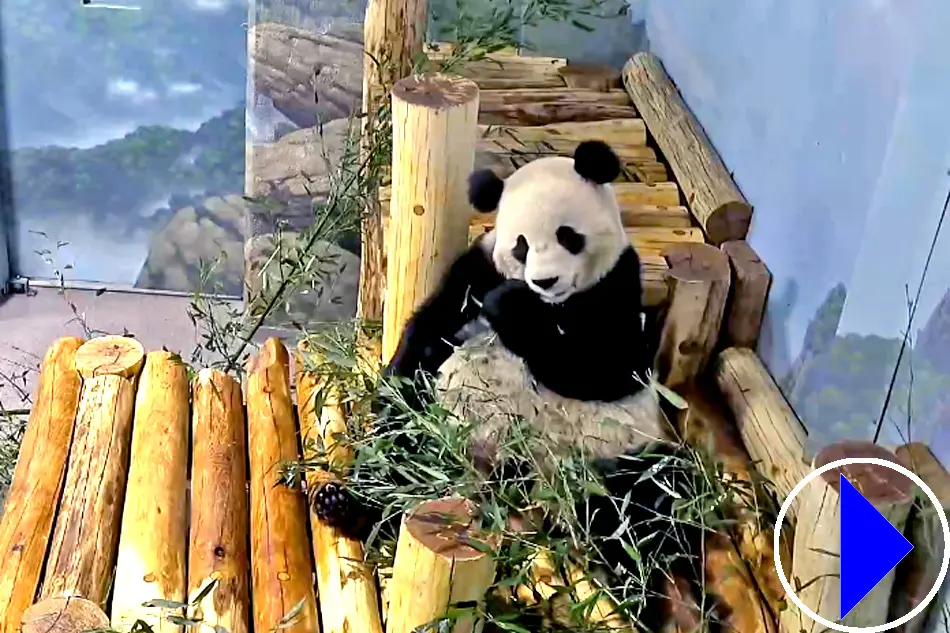
Giant pandas are specialized herbivores that consume almost exclusively bamboo. While they belong to the order Carnivora, their diet consists of 99 percent bamboo shoots, leaves, and stems. To meet their nutritional needs, adults must consume between 26 and 84 pounds of bamboo daily, spending up to 16 hours eating.

On this page
What do giant pandas eat in the wild?
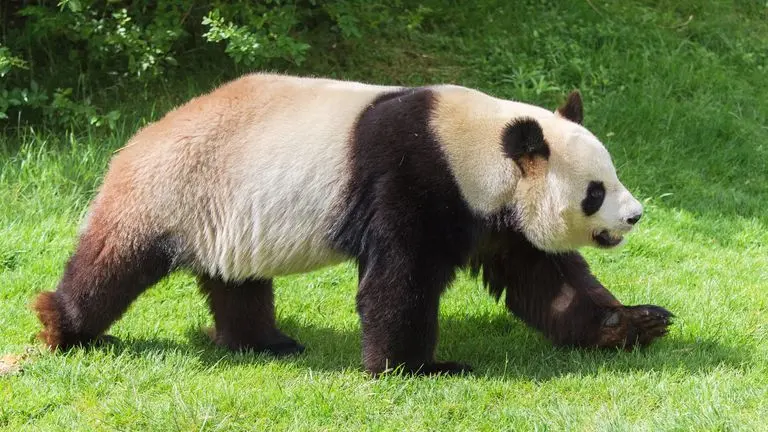
The giant panda (Ailuropoda melanoleuca) is biologically classified as a carnivore, yet its digestive system has evolved to process a strictly vegetarian diet. In their native mountain forests of central China, these animals feed on various species of bamboo, such as Bashania fargesii or Fargesia robusta. Because bamboo is low in nutrients and high in indigestible fiber, pandas must eat massive quantities to maintain their energy levels.
While bamboo makes up the overwhelming majority of their intake, pandas are opportunistic feeders. If the opportunity arises, they may occasionally consume other vegetation, such as gentians, crocuses, or even small rodents and birds. However, these non-bamboo items represent less than one percent of their total annual diet. Their specialized teeth and powerful jaw muscles are perfectly adapted for crushing the tough, woody stalks of the bamboo plant.
How much bamboo does a panda eat per day?
Because bamboo provides very little caloric density, pandas must prioritize quantity over quality. An adult panda typically spends 10 to 16 hours a day foraging and eating to satisfy its metabolic requirements. During this time, they consume a significant portion of their own body weight in plant matter.
The amount consumed depends heavily on the specific part of the bamboo plant being eaten. Pandas are selective feeders, choosing the most nutritious parts of the plant based on the season:
- Spring: They prefer high-protein bamboo shoots.
- Summer: They consume the leaves, which are rich in protein.
- Autumn and Winter: They rely on the woody stems and stalks.
By rotating their diet across these different plant parts, pandas maximize their intake of nitrogen and minerals. This seasonal cycle is essential for their survival in the wild, as the nutritional content of bamboo fluctuates throughout the year.
Why do pandas eat so much bamboo?
The digestive tract of a giant panda is fundamentally that of a carnivore, characterized by a short, simple gut rather than the complex, multi-chambered stomachs found in ruminants like cows. Consequently, pandas have a very inefficient digestive process, extracting only about 17 percent of the nutrients from the bamboo they ingest. This biological limitation forces them to maintain a constant state of consumption to avoid starvation.
This low-energy lifestyle dictates much of the panda's behavior. To conserve energy, they move slowly and avoid strenuous activity whenever possible. Their sedentary nature is a direct consequence of their bamboo-reliant diet, which provides just enough energy for basic survival and reproduction but leaves little surplus for high-intensity movement. This evolutionary compromise explains why pandas are rarely seen running or engaging in complex social displays compared to other bears.

Common mistakes when feeding captive pandas
Caring for pandas in captivity requires a strict adherence to their natural dietary requirements. A common error is providing a diet that lacks sufficient variety or failing to account for the specific nutritional profiles of different bamboo species. Facilities must ensure that the bamboo provided is fresh, as wilting significantly reduces the moisture content and palatability for the animal.
To maintain the health of captive pandas, zookeepers follow these essential protocols:
- Provide a diverse selection of at least 3 to 5 species of bamboo to mimic wild foraging habits.
- Monitor the weight of the bamboo consumed daily to ensure the animal is meeting its caloric intake goals.
- Supplement the diet with small amounts of high-fiber biscuits or specific vegetables only if recommended by a veterinarian.
- Ensure constant access to fresh water, as the high-fiber diet requires significant hydration for proper digestion.
How does the panda's diet affect its behavior?
The necessity of finding high-quality bamboo drives the panda's spatial distribution and territorial habits. Pandas are solitary animals because the limited nutrient density of their food source cannot support large groups living in a small area. Each individual requires a large home range to ensure they have access to enough bamboo stands to sustain them throughout the changing seasons.
Their reliance on bamboo also makes them highly vulnerable to habitat loss. If a bamboo forest flowers and dies off—a natural event that occurs periodically—pandas must be able to migrate to a new area with a different species of bamboo. Conservation efforts focus heavily on protecting these movement corridors. By ensuring that pandas have access to a variety of bamboo species across different elevations, researchers can help prevent the malnutrition that occurs when a single food source becomes unavailable.
Key facts
- Giant pandas are biologically classified as carnivores but derive 99 percent of their diet from bamboo.
- An adult panda consumes between 26 and 84 pounds of bamboo daily to meet its energy requirements.
- Pandas possess a specialized "pseudo-thumb," an enlarged wrist bone that helps them grip bamboo stalks firmly while eating.
- Because bamboo is low in nutrients, pandas spend 10 to 16 hours every day foraging and eating.
- While they prefer bamboo, pandas occasionally supplement their diet with small rodents, birds, or carrion in the wild.
- To avoid indigestion, pandas must strip the tough outer layer of the bamboo stalk before consuming the softer inner pith.
The bottom line
The giant panda is a unique specialist that has adapted to a nearly exclusive diet of bamboo despite its carnivorous ancestry. Because this plant is nutritionally poor, these bears must spend the majority of their waking hours eating to survive. Understanding their reliance on specific bamboo species is essential for conservation efforts, as habitat loss directly threatens their ability to find the food they need daily.
People also ask
Do pandas ever eat meat?
Although they are herbivores by habit, pandas are opportunistic feeders. They occasionally consume small mammals, birds, or fish if they are easily accessible in their natural habitat.
How do pandas digest such tough plant material?
Pandas have a digestive system similar to that of a carnivore, which is not well-suited for breaking down cellulose. They compensate by passing food through their system very rapidly, often defecating up to 40 times a day.
Do pandas drink water?
Yes, pandas require a significant amount of water to aid in the digestion of fibrous bamboo. They typically live near mountain streams and drink at least once or twice a day to stay hydrated.
Can pandas eat bamboo from a garden?
You should avoid feeding a captive or wild panda bamboo from a garden unless it is a species they naturally consume. Many ornamental bamboo varieties contain chemicals or pesticides that can be toxic to the animal's sensitive digestive tract.
Do pandas hibernate during the winter?
Pandas do not hibernate because their bamboo-based diet does not provide enough fat storage to sustain them through a long period of dormancy. Instead, they migrate to lower elevations where temperatures are milder and bamboo remains available.
What parts of the bamboo plant do they prefer?
Pandas are selective eaters that prefer the tender shoots and leaves of the plant. They choose specific species of bamboo based on the season to maximize their intake of protein and calcium.
This answer was created with the help of AI research tools and reference sources. Spotted an error? Let us know — we correct mistakes quickly. See our editorial policy.