How tall is Grouse Mountain?
Short answer
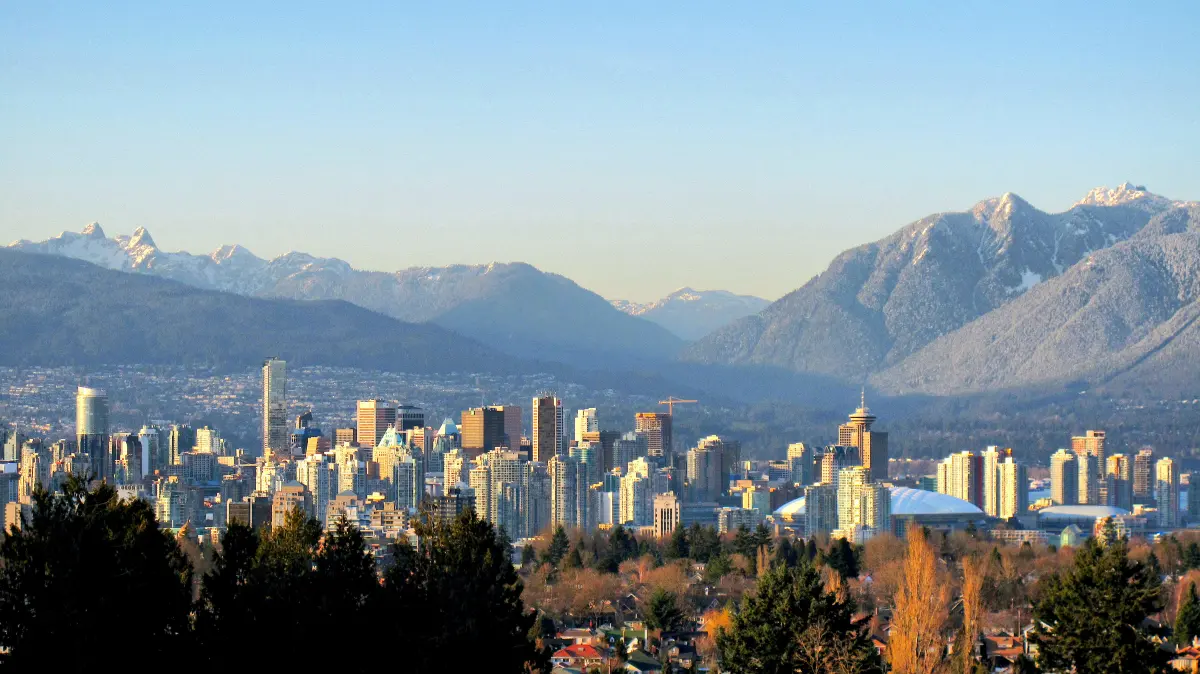
Grouse Mountain reaches an elevation of 1,231 meters (4,039 feet) above sea level at its peak. Located in North Vancouver, British Columbia, it serves as a prominent landmark in the North Shore Mountains. While the summit offers expansive views, the base of the mountain sits at approximately 274 meters (900 feet).
On this page
How to reach the Grouse Mountain summit
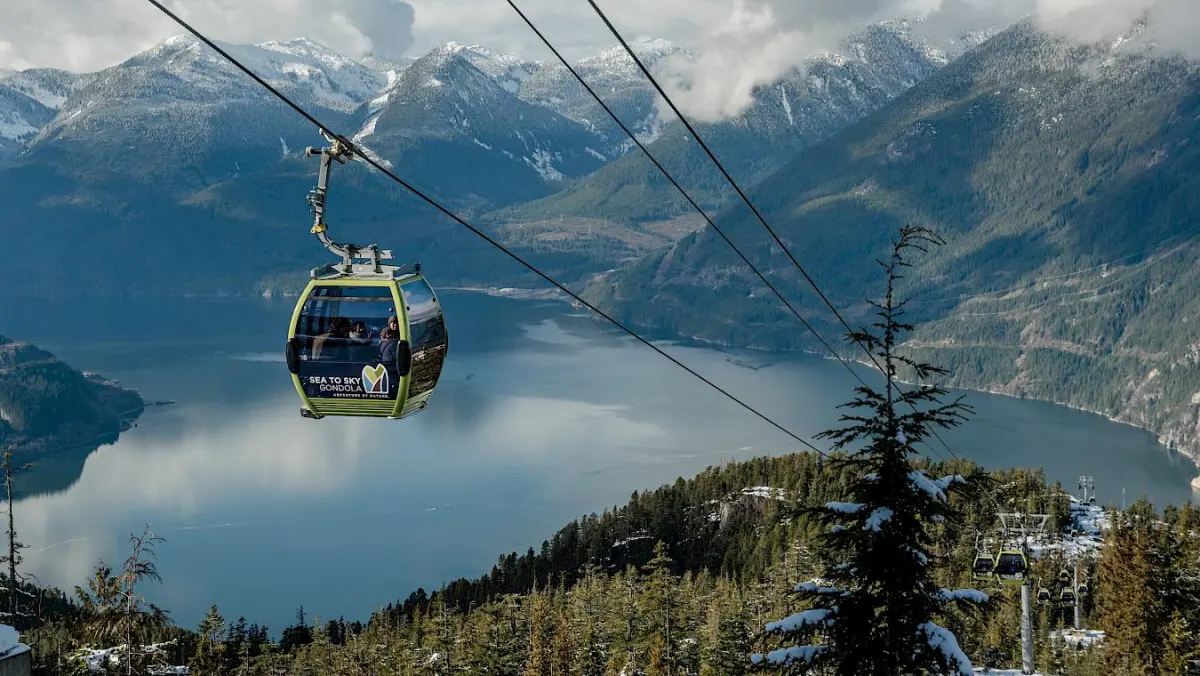
Visitors can access the summit using the Skyride aerial tramway, which provides a scenic eight-minute journey from the base to the mountaintop. This lift operates year-round and is the most common way to reach the peak for casual sightseers. Alternatively, the Grouse Grind, a steep hiking trail known as "Mother Nature’s Stairmaster," offers a challenging physical route to the top.
The trail is approximately 2.9 kilometers long and features an elevation gain of 853 meters. Hikers should be prepared for a rigorous climb that requires a moderate to high level of fitness. If you choose to hike, remember that the trail is strictly one-way; you must take the Skyride down, as hiking down the Grouse Grind is prohibited for safety reasons.
- Purchase a Skyride ticket at the base station if you do not plan to hike.
- Check the daily trail status online before attempting the Grouse Grind.
- Bring a water bottle and appropriate footwear for the ascent.
- Scan your pass or ticket at the top to access the various attractions.
What to expect at the top
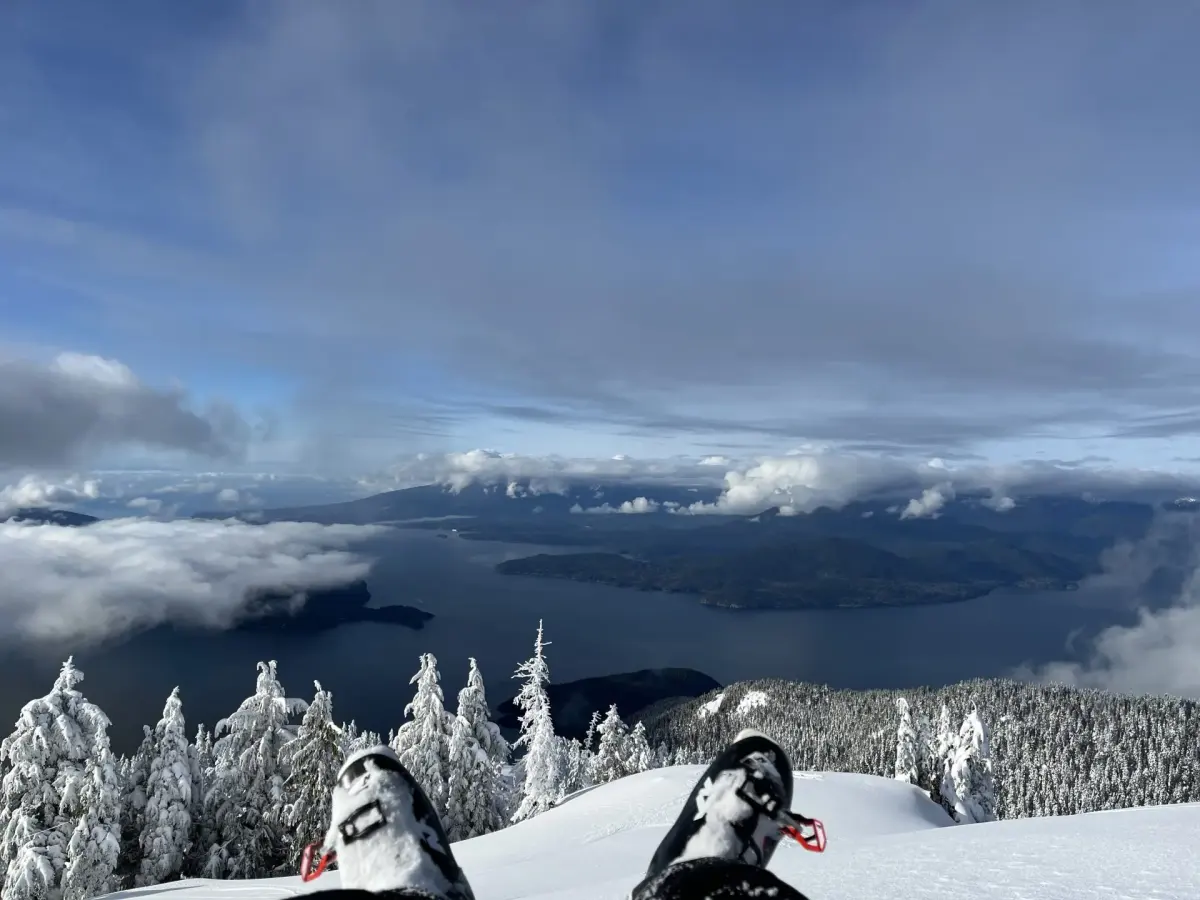
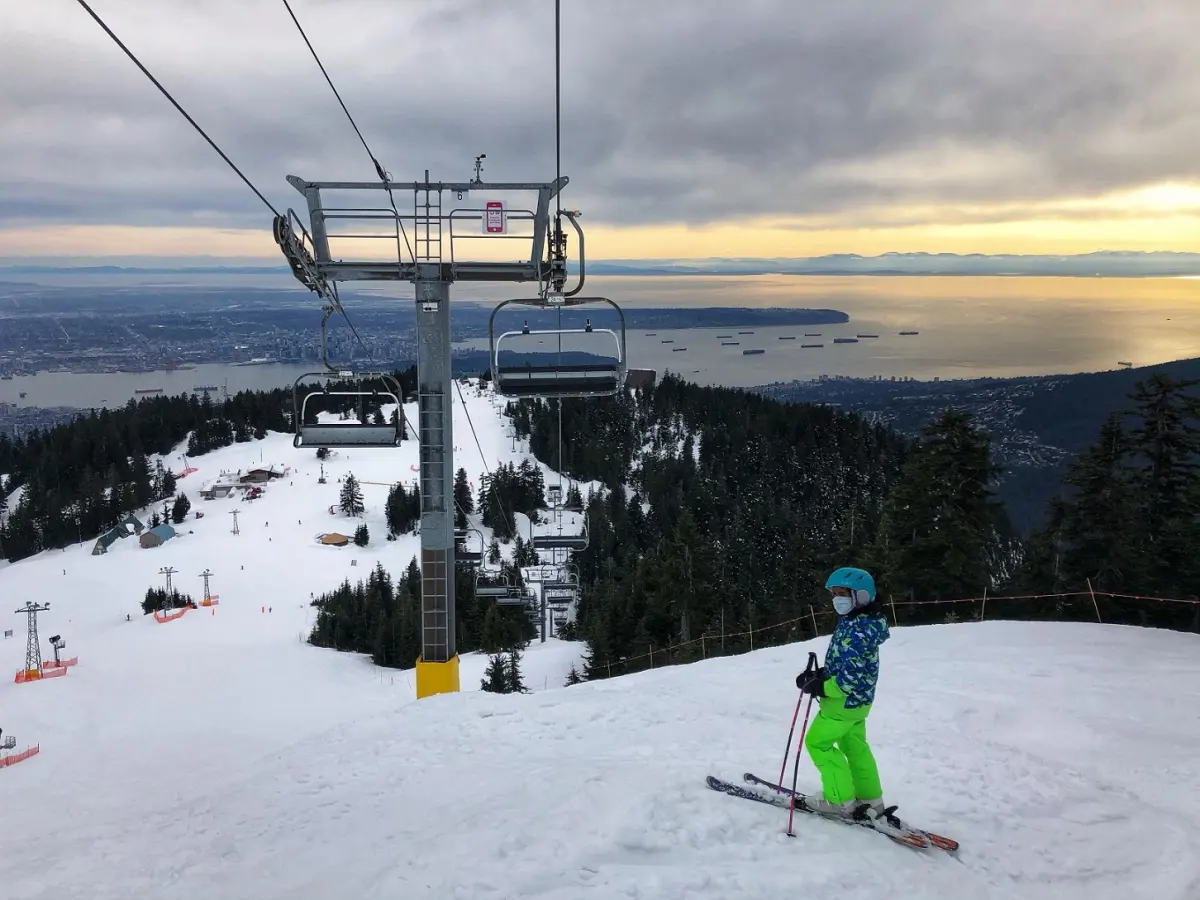
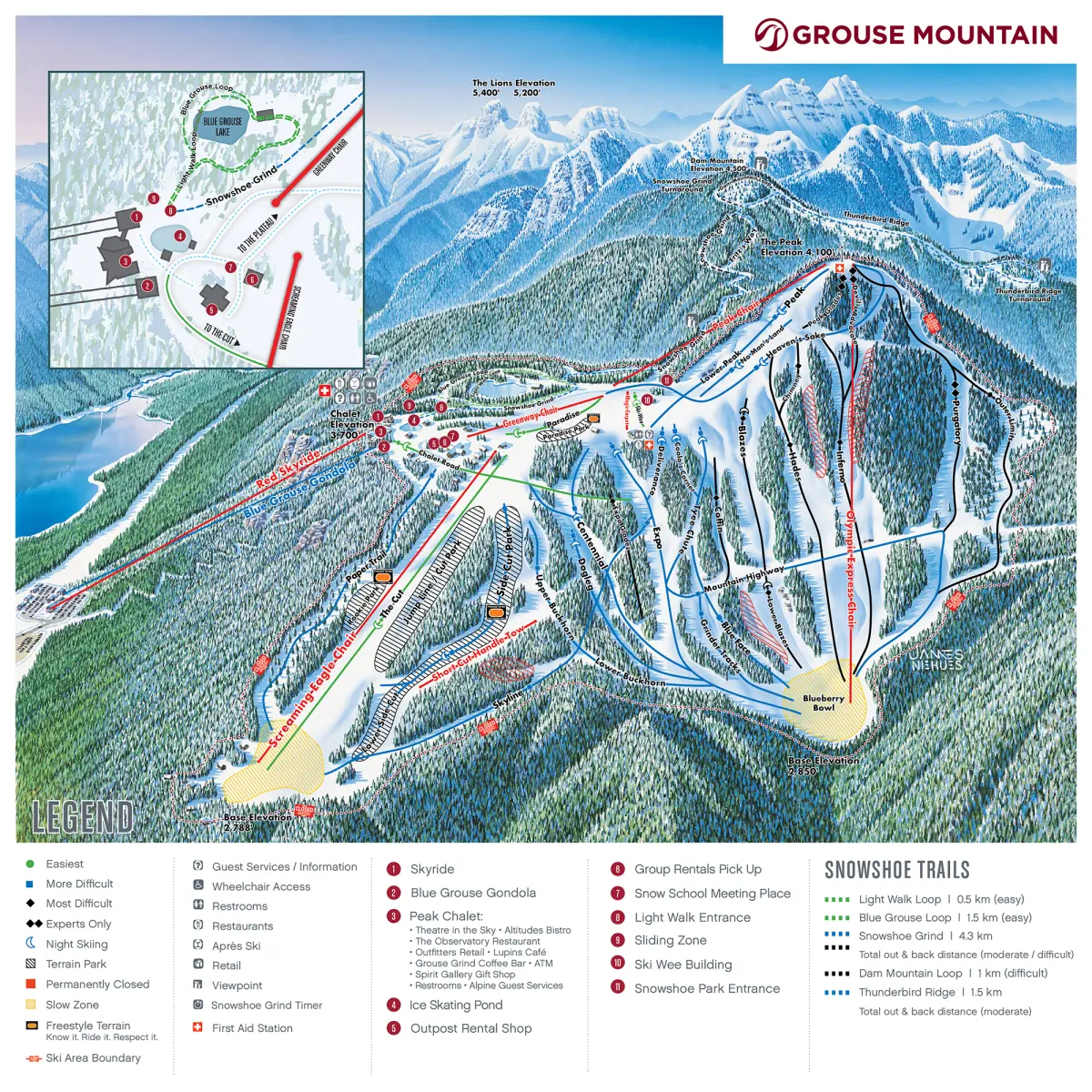
Once you reach the 1,231-meter peak, you will find a variety of seasonal activities and amenities. During the winter, the mountain functions as a ski resort with multiple runs and terrain parks. In the summer, the area transforms into an outdoor recreation hub featuring lumberjack shows, a grizzly bear habitat, and mountain biking trails.
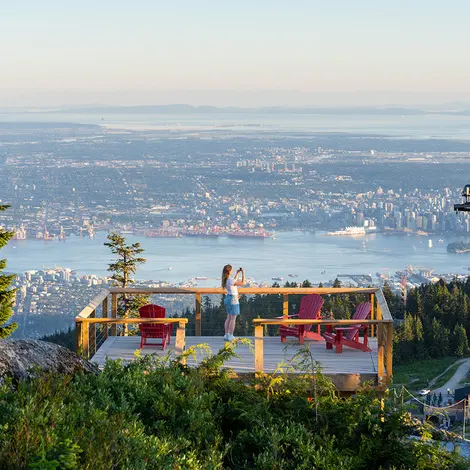
The summit area is designed to accommodate tourists and outdoor enthusiasts alike. You can dine at one of the mountaintop restaurants or visit the Peak Chalet for information and gear rentals. The panoramic views of Vancouver, the Pacific Ocean, and the surrounding mountain ranges make it a popular destination for photography and sightseeing regardless of the season.
- The Peak Chairlift provides access to higher viewpoints.
- The Wildlife Refuge houses two resident grizzly bears.
- Multiple dining options cater to different budgets and tastes.
- The Theatre in the Sky offers short films about the region.
Best time of year to visit
The ideal time to visit depends on your preferred activities and tolerance for weather conditions. Summer months, from June to September, offer the most reliable weather for hiking and outdoor sightseeing. During this period, the trails are clear of snow, and the mountain’s many attractions are fully operational, making it perfect for families and casual hikers.
Winter, typically running from December to March, is best for those interested in skiing, snowboarding, or snowshoeing. The mountain receives significant snowfall, which creates excellent conditions for winter sports but can limit access to some hiking paths. Spring and autumn are transition periods where weather can be unpredictable, often resulting in muddy trails or limited visibility at the summit.
- Check local weather forecasts for the North Shore Mountains specifically.
- Visit on a weekday to avoid the heavy crowds seen on weekends.
- Consider early morning arrivals to secure parking and shorter wait times.
- Dress in layers, as temperatures at the summit are significantly lower than at the base.
Common mistakes when visiting Grouse Mountain
One frequent error is underestimating the difficulty of the Grouse Grind. Many inexperienced hikers attempt the trail without sufficient water, proper footwear, or a realistic assessment of their physical condition. This often leads to exhaustion or injury, necessitating rescue efforts by local authorities. Always ensure you are physically prepared for a steep, sustained climb before starting the ascent.
Another common mistake is failing to check the Skyride schedule or mountain operating hours. Visitors sometimes arrive late in the afternoon, only to find that the last tram down has already departed or that specific attractions are closed. Additionally, ignoring the "no hiking down" rule can lead to fines and dangerous situations on the steep, narrow trail.
- Do not attempt the hike in flip-flops or casual street shoes.
- Do not underestimate the temperature drop at 1,231 meters elevation.
- Avoid leaving trash on the trails or in the wildlife areas.
- Do not ignore warning signs regarding trail closures or bear activity.
How to prepare for the ascent
Preparation is essential for a safe and enjoyable experience on the mountain. If you are hiking, start training a few weeks in advance by walking on stairs or inclined surfaces. Ensure your gear includes a lightweight backpack, a high-energy snack, and a fully charged mobile phone. Being self-sufficient is vital, as mountain conditions can change rapidly throughout the day.
If you are taking the Skyride, simply ensure you have your tickets ready and arrive at the base station at least 20 minutes before your intended departure time. Parking lots can fill up quickly during peak hours, so arriving early is a practical strategy. By planning your trip in advance and respecting the mountain's environment, you can fully enjoy the unique landscape and the impressive 1,231-meter elevation of Grouse Mountain.
Key facts
- Grouse Mountain's peak elevation reaches 1,231 meters (4,039 feet) above sea level.
- The mountain is located in the North Shore Mountains of the Pacific Ranges, overlooking Vancouver, British Columbia.
- Visitors typically reach the alpine area via the Skyride aerial tramway, which ascends 853 meters from the base.
- The famous Grouse Grind hiking trail covers 2.9 kilometers with an elevation gain of 853 meters.
- Snow conditions at the summit are monitored daily, with the peak often receiving significant snowfall from December through April.
- Always check the official mountain website for real-time weather updates before planning a trip, as visibility can change rapidly at high altitudes.
The bottom line
Grouse Mountain stands as a prominent natural landmark rising 1,231 meters above the Vancouver coastline. Whether you choose the challenging Grouse Grind hike or the scenic Skyride aerial tram, the summit provides year-round recreational opportunities. By monitoring weather reports and dressing in appropriate layers, visitors can safely enjoy the alpine views, wildlife encounters, and diverse winter sports that make this mountain a premier regional destination.
People also ask
How long does it take to hike the Grouse Grind?
The average hiker completes the trail in 60 to 90 minutes. Elite athletes can finish in under 30 minutes, while casual hikers should allow for two hours.
Is the Grouse Mountain Skyride included in the admission price?
Yes, the Skyride is included with the purchase of a Mountain Admission Ticket. This ticket provides access to the mountaintop attractions, including the wildlife refuge and theater experiences.
Can you ski at Grouse Mountain?
Yes, the mountain operates as a ski resort during the winter months. It features 33 ski runs, 15 night-skiing runs, and four chairlifts for winter sports enthusiasts.
What is the best time of year to visit the summit?
Summer offers excellent hiking and grizzly bear viewing, while winter is ideal for skiing and snowshoeing. Mid-season visits are often quieter but may have limited trail access due to melting snow.
Are dogs allowed on the mountain?
Dogs are generally not permitted on the Skyride or the Grouse Grind trail for safety reasons. Exceptions are made for certified service animals, provided they are wearing proper identification.
What should I wear when visiting the peak?
Temperatures at the summit are significantly cooler than in Vancouver, so bring layers even in summer. Wear sturdy, closed-toe footwear if you plan to walk the mountain trails.
This answer was created with the help of AI research tools and reference sources. Spotted an error? Let us know — we correct mistakes quickly. See our editorial policy.