How do you draw a cartoon sun?
Short answer
Drawing a cartoon sun involves creating a central circle and adding radiating shapes to represent light. You can customize the character by adding a friendly face and varying the sunbeam styles. By balancing the size of the core with the length of the rays, you achieve a clean, professional-looking illustration.
On this page
How to draw a basic cartoon sun
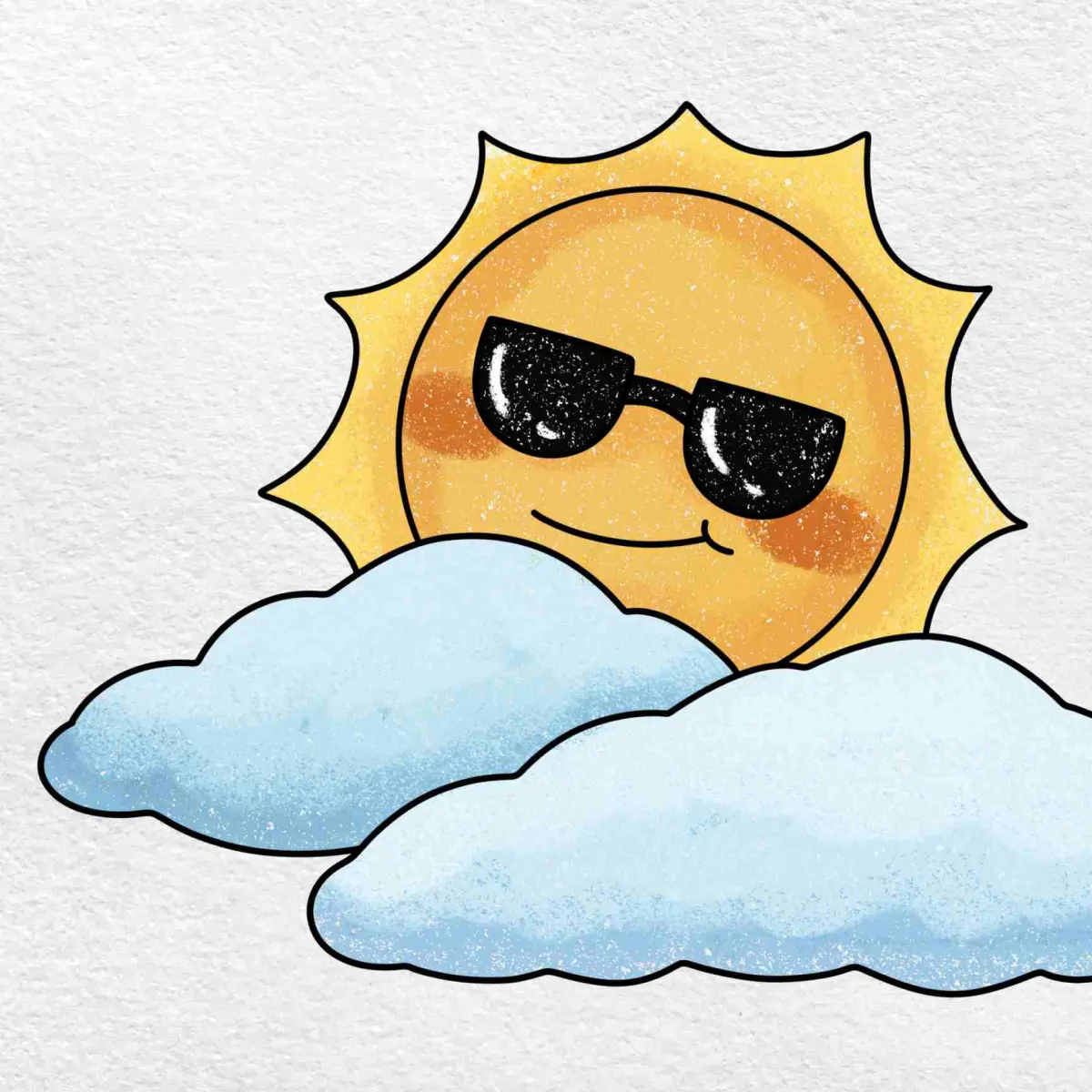
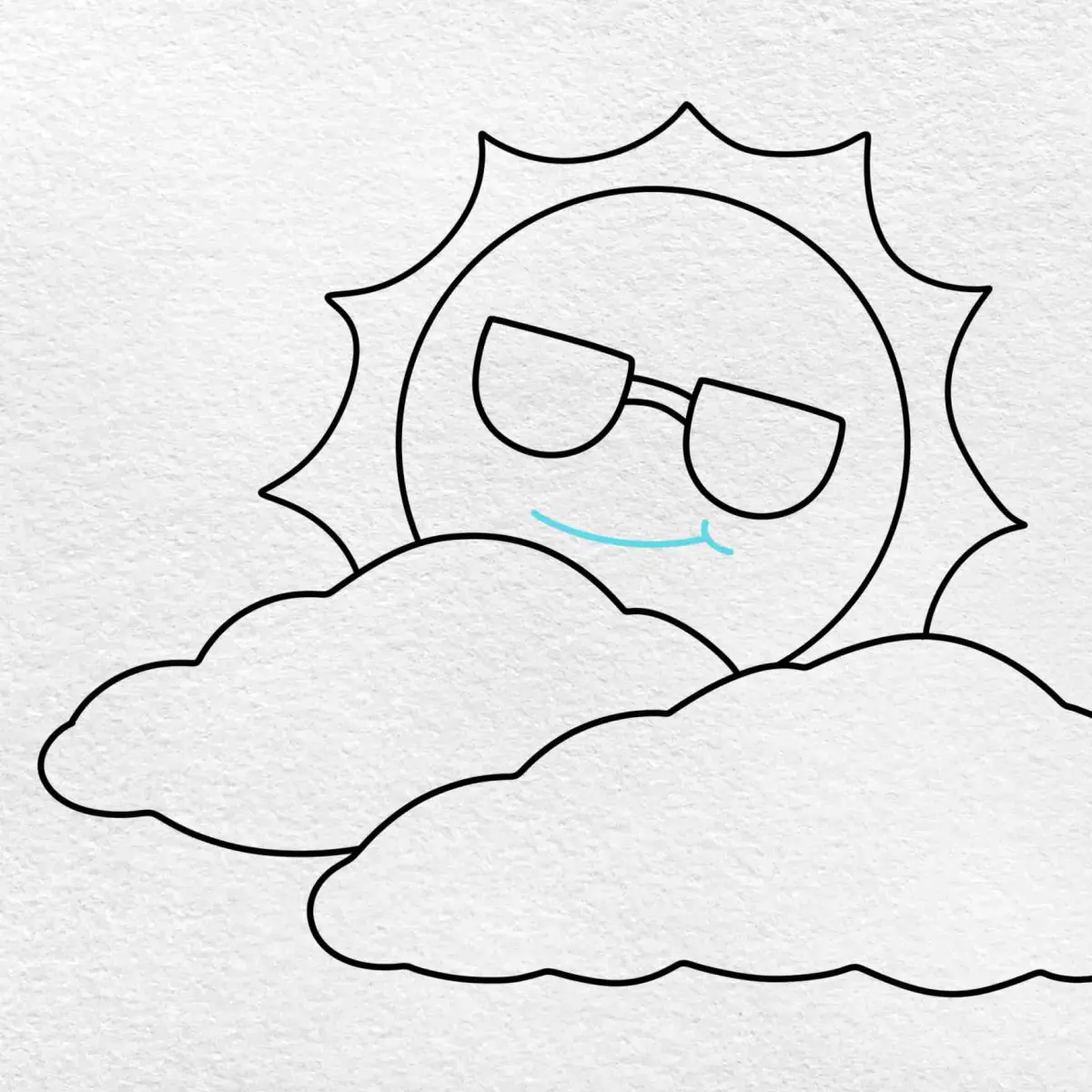
The foundation of any cartoon sun is a perfect circle. You can use a compass or trace a circular object like a cup to ensure symmetry. Once the core is established, draw evenly spaced triangles or rectangles around the perimeter to serve as rays. These shapes should point outward, creating the illusion of heat and light emanating from the center.
To add personality, focus on the facial features. Position two small, dark circles for eyes near the center of the sphere and a simple curved line beneath them for a mouth. Adding small rosy circles under the eyes can make the character appear more cheerful and approachable. Keep the lines bold and clean to ensure the drawing remains readable from a distance, which is a hallmark of effective cartooning.
Best drawing tools for beginners
For those starting out, graphite pencils are essential for sketching the initial layout. Using a hard-lead pencil like an H or HB allows you to draw light guidelines that can be easily erased later. Once the structure is set, use a fine-liner pen or a felt-tip marker to trace over your pencil lines. This transition from sketch to ink creates the crisp, high-contrast look typical of professional cartoons.
- Graphite pencils (HB or 2B) for initial sketching.
- Erasers, preferably kneaded ones, to remove stray marks without damaging paper.
- Fine-liner pens (0.5mm to 0.8mm) for outlining the final shape.
- Alcohol-based markers or colored pencils for filling in the vibrant yellow and orange tones.
Investing in high-quality, smooth-surface paper will prevent your ink from bleeding or feathering, resulting in much cleaner edges for your finished sun character.
How to vary sunbeam styles
You are not limited to simple triangles when designing rays. Experimenting with different shapes can change the entire mood of your drawing. For a soft, gentle sun, use rounded, cloud-like bumps instead of sharp points. For a more energetic or aggressive look, try drawing jagged, lightning-bolt-style rays that vary in length. Mixing long and short rays can add a sense of movement and dynamic energy to the image.
- Draw a central circle as the base.
- Sketch long, thin rays at the cardinal points (top, bottom, left, right).
- Fill the gaps between these long rays with shorter, thicker rays.
- Add small dots or dashes between the rays to suggest sparkling light.
Varying the thickness of the rays also helps. Thicker rays suggest power, while thinner, more numerous rays make the sun appear light and airy.
Why symmetry matters in cartooning
Symmetry is vital in cartooning because it creates a sense of balance and harmony that the human eye finds pleasing. When drawing a sun, if the rays are unevenly spaced or the circle is lopsided, the character may look distorted or messy. A balanced sun radiates stability, which is often the desired effect for a friendly, cheerful mascot. Using a grid or light guidelines can help you maintain consistent spacing between each ray as you move around the circle.
While perfect symmetry is a goal, slight imperfections can sometimes add character if you are aiming for a hand-drawn, whimsical aesthetic. However, beginners should strive for consistency first. If you struggle with freehand circles, try folding your paper into quarters to create center points. This simple trick provides a reference frame that ensures your rays are mirrored correctly on both sides of the vertical and horizontal axes.
Common mistakes when drawing a sun
One frequent error is making the rays too long relative to the center circle. If the rays are disproportionately large, they can overwhelm the face and make the drawing look cluttered. Aim for rays that are roughly one-third to one-half the diameter of the sun's core. Another common issue is using too many colors, which can distract the viewer. Stick to a primary palette of yellow, orange, and gold to keep the design iconic and recognizable.
- Forgetting to erase pencil guidelines, which makes the final drawing look unfinished.
- Drawing rays that are too thin, causing them to disappear when the drawing is scaled down.
- Placing the face too close to the edge of the circle, which makes the sun look crowded.
- Using inconsistent line weights, which creates a disjointed appearance between the rays and the face.
Always step back and view your drawing from a distance to check for overall balance before finalizing your ink lines.
Key facts
- Start by drawing a perfect circle using a compass or a circular object to ensure symmetry.
- Add rays by alternating between long triangles and short, thick rectangles around the perimeter.
- Position the sun in the top corner of a drawing to establish a consistent light source.
- Use a warm color palette, such as cadmium yellow or golden orange, to create a cheerful aesthetic.
- Avoid drawing rays that are uneven in length, as this can make the sun appear lopsided or distorted.
- Add a simple "smiley face" with two dots for eyes and a curved line for a mouth to personify the character.
The bottom line
Drawing a cartoon sun is a foundational exercise in character design and illustration. By combining a geometric circular base with expressive facial features and rhythmic, alternating rays, you can create a vibrant icon of warmth. Focus on maintaining symmetry and using bright, warm colors to ensure your sun remains visually appealing. With these simple techniques, you can effectively convey a cheerful atmosphere in any artistic project.
People also ask
Why do cartoon suns often have faces?
Anthropomorphism, or giving human traits to inanimate objects, makes the sun feel more approachable and friendly in illustrations. This technique is common in children’s media to convey a sense of warmth and happiness.
What is the best way to color a cartoon sun?
Use a gradient fill that transitions from a light yellow in the center to a deeper orange toward the edges. This creates a sense of depth and mimics the natural glow of a star.
Should the rays of a cartoon sun always be straight?
While straight lines are standard, you can use wavy or flame-like shapes to suggest motion or heat. Consistency in the style of your rays is more important than the specific shape you choose.
How do I make my sun look like it is shining?
Add a white highlight circle slightly off-center within the main body of the sun. You can also add small, detached circles or "sparkles" around the rays to emphasize brightness.
Can I draw a cartoon sun without a face?
Yes, a minimalist sun with just rays is a classic design element for landscapes. This style is often used in professional graphic design to maintain a clean, modern aesthetic.
What are common mistakes when drawing rays?
Beginners often crowd the rays too closely, which makes the sun look like a gear or a spiky ball. Aim for at least 8 to 12 evenly spaced rays to maintain a balanced, circular silhouette.
This answer was created with the help of AI research tools and reference sources. Spotted an error? Let us know — we correct mistakes quickly. See our editorial policy.