How do you draw a cap?
Short answer
Drawing a cap involves constructing a rounded crown shape atop a curved brim. Start by sketching a horizontal ellipse for the brim and a semi-circle for the crown. Refine these forms by adding depth, stitching details, and a button at the apex to create a realistic, three-dimensional baseball cap structure.
On this page
How to sketch the basic structure of a cap
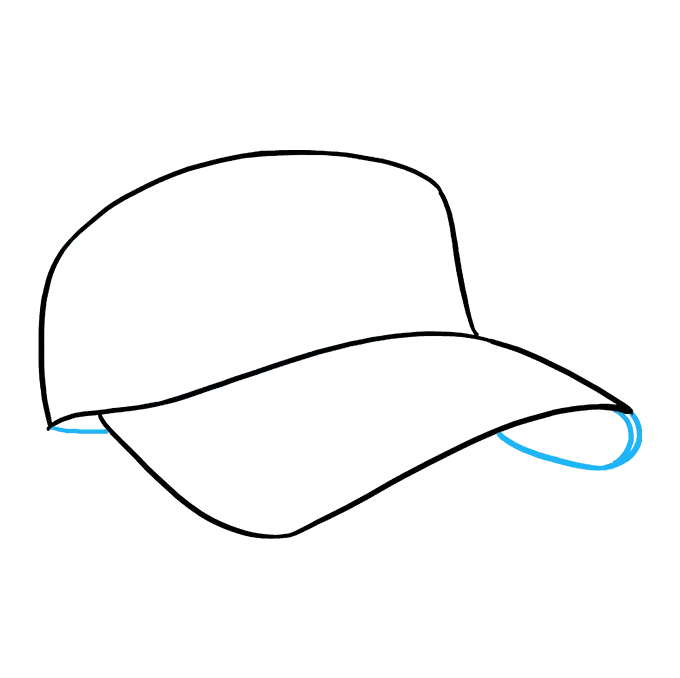
To draw a cap, begin by establishing the fundamental geometry of the object. A baseball cap is essentially a combination of a rounded dome and a flat, protruding oval. Start by drawing a light, horizontal ellipse to serve as the brim. Above this, sketch a slightly flattened semi-circle that will become the crown. Ensure the crown is centered over the brim to maintain balance and proper perspective.
Once the basic shapes are in place, connect the crown to the brim with a smooth, curved line. This transition area represents the seam where the fabric panels meet the visor. Use light pencil strokes initially so you can easily erase guidelines once the final form is established. Focus on the proportions, keeping the crown slightly wider than the brim to mimic the look of a standard six-panel hat.
How to add detail and texture to a cap
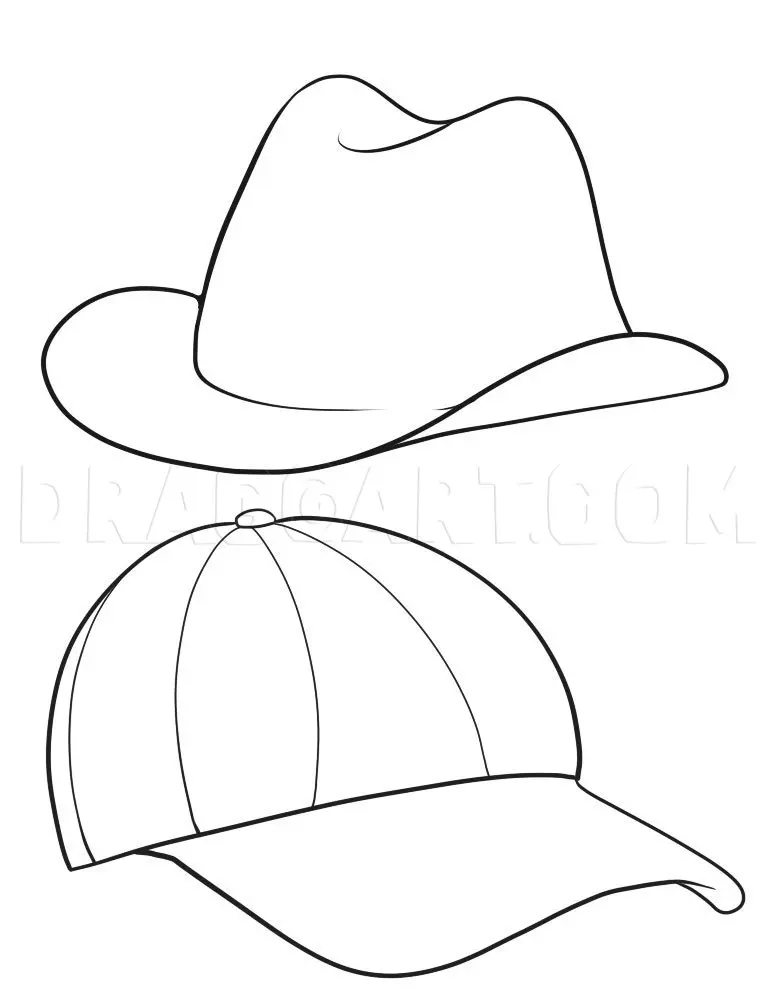
Refining your sketch requires adding the specific features that define a cap’s identity. Start by drawing the button at the very top center of the crown, which acts as the anchor for the fabric panels. Next, draw the stitching lines that radiate from this button toward the base of the crown. These lines represent the seams between the individual fabric panels, which are essential for a realistic appearance.
Adding depth and texture will elevate your drawing from a simple outline to a professional-looking illustration. Consider these steps to enhance your work:
- Draw a curved line across the brim to represent the seam where the fabric folds over the plastic insert.
- Add small, dash-like marks along the seams to simulate the look of heavy-duty thread stitching.
- Shade the underside of the brim to indicate the shadow cast by the cap on the wearer’s face.
- Include a small rectangular shape at the back of the cap to represent the adjustable strap or snapback mechanism.
Best tools for drawing headwear
Choosing the right tools significantly impacts the clarity and precision of your drawing. For beginners, a standard HB graphite pencil is ideal for initial sketching because it is easy to erase and provides a light foundation. As you move toward finalizing your lines, a 2B or 4B pencil works well for adding darker, bolder contours that define the shape of the fabric. Using a kneaded eraser allows you to lift graphite gently without damaging the texture of the paper.
If you prefer working with ink, use a fine-liner pen with a consistent tip size, such as 0.3mm or 0.5mm. These pens are excellent for creating crisp, clean stitching details that look professional. When adding color, alcohol-based markers or colored pencils are effective for blending shadows across the curved surfaces of the crown. Always keep a sharpener nearby, as maintaining a fine point is critical when drawing the thin, repetitive lines found in garment stitching.
Common mistakes when drawing caps
One frequent error is drawing the brim as a perfectly flat shape. In reality, the brim of a baseball cap is almost always curved, either naturally or through manual shaping by the wearer. If you draw the brim as a flat, straight line, the cap will look stiff and unrealistic. Always use a slight downward curve for the visor to give the object a sense of volume and natural flow.
Another common mistake is neglecting the perspective of the crown. Because a cap is a three-dimensional object, the panels should appear to wrap around the head. If the panels are drawn as flat, vertical lines, the cap will look like a two-dimensional cutout. Ensure that your seam lines follow the curvature of the dome, becoming slightly more compressed as they approach the edges of the crown. This simple adjustment provides the necessary depth to make the cap look like it has actual physical mass.
How to shade a cap for realism
Shading is the final step in creating a convincing representation of a cap. Identify your light source first, then apply darker tones to the side of the cap facing away from the light. The crown is a spherical surface, so the shading should transition smoothly from light to dark to emphasize its roundness. Use cross-hatching or smooth blending techniques to create a soft gradient across the fabric panels.
Pay special attention to the shadow cast by the brim onto the crown. This is usually the darkest area of the drawing and provides the most contrast, which helps the brim pop forward. Follow these tips for effective shading:
- Apply a base layer of light gray to the entire cap to establish the mid-tones.
- Darken the areas under the brim and along the bottom edge of the crown where the fabric meets the head.
- Use a white gel pen or a sharp eraser to add small highlights on the button and the top of the crown.
- Keep your strokes consistent with the direction of the fabric to ensure the texture looks natural and intentional.
Key facts
- Start by drawing a horizontal oval to represent the base of the cap's crown.
- Use a curved line above the oval to define the dome shape of the hat.
- Attach a semi-circle or crescent shape to the front of the oval to form the brim.
- Add a small circle at the very top center to represent the button found on most baseball caps.
- Draw two curved lines extending from the button to the base to suggest the fabric panels.
- Keep your initial sketch lines light so they can be easily erased or refined later.
The bottom line
Drawing a cap effectively relies on mastering basic geometric shapes like ovals and semi-circles before adding structural details. By focusing on the relationship between the crown and the brim, you create a believable form. Consistent light source application and subtle shading will provide the necessary depth to make your drawing appear tactile and professional. Practice observing real caps to understand how fabric naturally folds and stretches.
People also ask
How do I make the cap look three-dimensional?
Use shading to create depth by darkening the underside of the brim and one side of the crown. Adding a cast shadow beneath the brim helps ground the object in space.
What is the best way to draw the stitching on a cap?
Use short, dashed lines following the contours of the fabric panels and the edge of the brim. Keep the stitches small and evenly spaced to maintain a realistic scale.
How do I draw a cap worn at an angle?
Shift the placement of the crown and brim relative to the center line of the head. An angled cap requires the brim to point away from the viewer’s perspective, often obscuring part of the crown.
Should I draw the cap from the front or the side?
Side profiles are generally easier for beginners because they clearly show the relationship between the crown and the brim. Front views require more complex foreshortening to capture the curve of the visor.
How do I represent the texture of the fabric?
Use subtle cross-hatching or stippling to suggest the weave of cotton or wool. Avoid over-detailing the entire surface, as this can make the drawing look cluttered and flat.
What common mistake should I avoid when drawing the brim?
A frequent error is making the brim too flat or too long. Ensure the brim curves slightly downward to mimic the natural shape of a worn baseball cap.
This answer was created with the help of AI research tools and reference sources. Spotted an error? Let us know — we correct mistakes quickly. See our editorial policy.