How can I draw a cow easily?
Short answer
Drawing a cow is best achieved by breaking the animal down into basic geometric shapes, such as ovals and rectangles. By sketching a large body mass and a smaller head shape, you can easily connect these forms to create a recognizable silhouette before adding distinct features like ears, horns, and spots.
On this page
How to draw a cow body shape
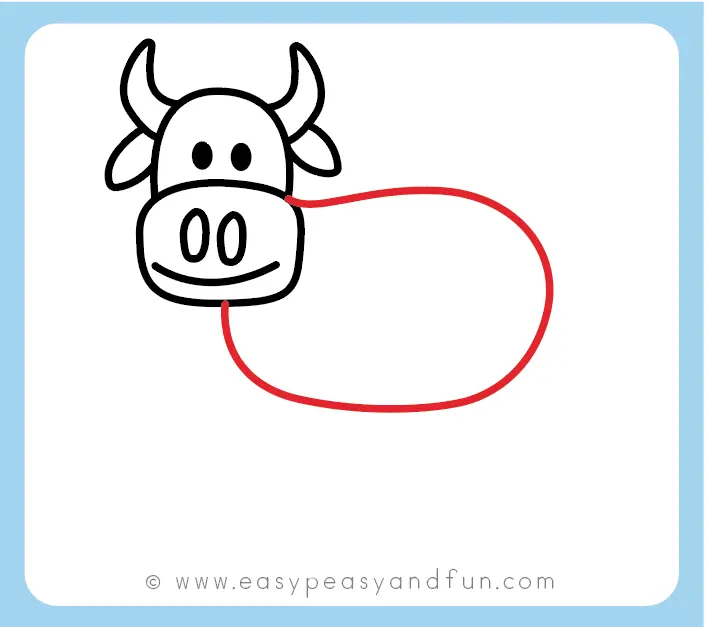
The foundation of any realistic animal drawing begins with simple geometry. To draw a cow, start by sketching a large, horizontal oval for the main torso. Position a smaller, slightly tilted oval or rectangle near the front of the body to serve as the head. Connect these two shapes with two curved lines to represent the neck, ensuring the transition looks smooth rather than jagged.
Once the main mass is established, add four vertical cylinders or rectangles beneath the body to act as the legs. Place the front legs slightly further forward and the back legs slightly further back to create a sense of stability. Keep these initial lines light so you can easily erase or refine them later. Remember that a cow’s back is generally straight, while the belly has a slight downward curve.
Best tools for drawing cows
For beginners, a standard HB graphite pencil is the most versatile tool. It allows for both light sketching and darker, more defined lines without smudging too easily. Pair your pencil with a high-quality white vinyl eraser, which is essential for correcting the structural lines used during the initial layout phase. Using a sketchbook with a slightly textured surface can also provide better control over your shading.
If you prefer to add color or depth, consider using these materials:
- Fine-tip black ink pens for outlining the final silhouette.
- Soft charcoal sticks for creating realistic shadows under the belly and legs.
- Colored pencils or pastels to add the characteristic patches of black, brown, or red found on many breeds.
- Blending stumps to smooth out the transition between light and dark areas on the cow's hide.
Step by step guide to drawing a cow
Follow these systematic steps to build your drawing from the ground up. By focusing on one feature at a time, you prevent the composition from becoming cluttered or disproportionate.
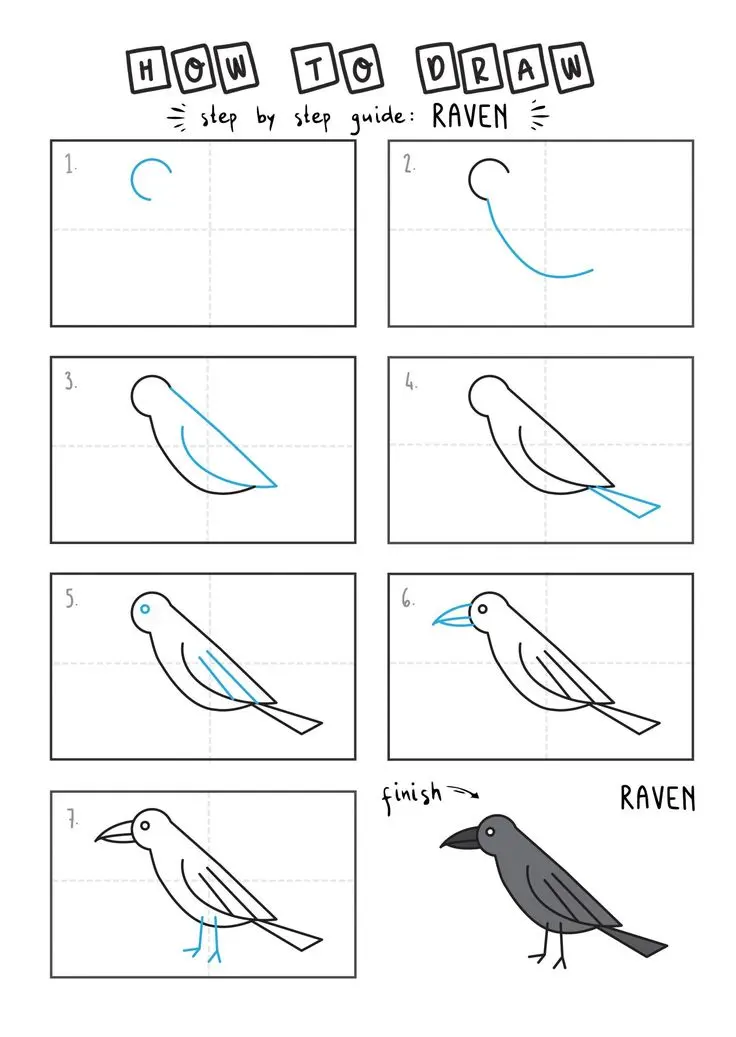
- Draw the large body oval and the smaller head shape as previously described.
- Sketch the legs using simple lines, adding small ovals at the bottom for the hooves.
- Draw the ears on the sides of the head and add two small triangles for horns if you are drawing a horned breed.
- Add a long, thin tail with a tuft of hair at the end, hanging down from the rear of the body.
- Draw the facial features, including two large eyes, a broad nose, and a wide mouth.
- Refine the outline by connecting your shapes into a continuous, flowing line that mimics the cow's skin.
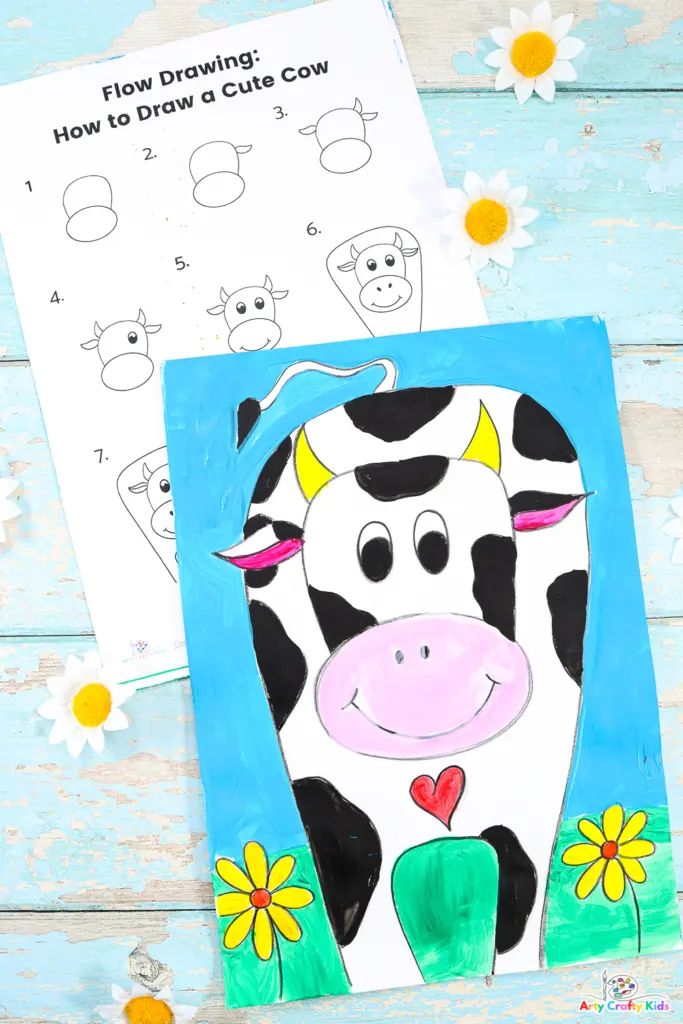
How to add realistic cow details
Once the outline is complete, focus on the textures that make the cow look authentic. A cow’s coat is rarely uniform, so adding irregular spots or patches helps define its appearance. Use short, light strokes to suggest the direction of hair growth, particularly around the neck and the tail. Adding a few subtle lines around the joints of the legs can also imply muscle and bone structure.
Pay close attention to the head, as this is where the most character lies. A cow's eyes are positioned on the sides of its head, giving it a wide field of view. By shading the area around the eyes and adding a slight highlight, you can make the animal look alert and lifelike. Finally, consider the environment; adding a few simple blades of grass around the hooves grounds the cow in a realistic setting.
Common mistakes when drawing cows
A frequent error is making the legs too thin or too short, which makes the animal appear unstable. Always ensure the legs are thick enough to support the heavy, barrel-like body of the cow. Another common issue is placing the eyes too far forward on the face; remember that cows are prey animals, so their eyes should be placed on the sides of the head to provide peripheral vision.
Avoid these pitfalls to improve your results:
- Drawing the neck too long, which can make the cow look like a giraffe.
- Forgetting the udder or the tail, which are key anatomical features of the animal.
- Using perfectly straight, rigid lines for the body, which ignores the natural curves of the cow's anatomy.
- Making the head too small relative to the body, as cows have relatively large, heavy skulls.
- Ignoring light sources, which results in a flat, two-dimensional appearance that lacks depth and volume.
Key facts
- Start by drawing a large horizontal oval for the body and a smaller circle for the head.
- Connect the head to the body with two curved lines to form the neck.
- Add four rectangular shapes at the bottom of the body for legs, ensuring they are slightly thicker at the top.
- Draw a small triangle on the head for an ear and a curved line for the tail.
- Use simple circles for eyes and a larger oval on the snout to define the cow's face.
- Keep your initial lines light so you can easily erase them after adding final details like spots.
The bottom line
Drawing a cow is best approached by breaking the animal down into basic geometric shapes like circles and ovals. By establishing a solid foundation for the body and head first, you can easily layer on details like ears, spots, and legs. Practice maintaining light pressure with your pencil, as this allows for effortless corrections while you refine the proportions and character of your bovine illustration.
People also ask
What is the easiest way to draw a cow's face?
Focus on drawing a rounded snout with two small dots for nostrils and a horizontal line for the mouth. Adding large, gentle eyes above the snout helps give the cow a friendly expression.
Should I use a pencil or a pen for sketching?
Always start with a graphite pencil so you can make adjustments and erase mistakes. Once you are satisfied with the basic shape, you can use a fine-liner or pen to trace the permanent outlines.
How do I make the cow look more realistic?
Incorporate irregular, blob-like shapes across the body to represent spots. Adding a slight shadow under the belly and near the legs will provide depth and a three-dimensional appearance.
What are the most common mistakes beginners make?
Many artists make the legs too thin or attach them at the wrong angles. Ensure the legs are sturdy and reflect the weight of the animal by making them slightly wider at the joints.
How do I draw the cow's horns?
Place small, curved crescents on the top of the head, pointing slightly outward. Keep them short and blunt to maintain a classic, recognizable look for a domestic cow.
Is it necessary to draw the udder?
Including an udder is a matter of personal preference and style. If you choose to add one, draw a small, rounded shape between the hind legs to maintain anatomical accuracy.
This answer was created with the help of AI research tools and reference sources. Spotted an error? Let us know — we correct mistakes quickly. See our editorial policy.