What is the difference between a portrait and a self-portrait?
Short answer
A portrait is an artistic representation of a person created by another individual, focusing on capturing the subject's likeness, personality, or social status. Conversely, a self-portrait is a depiction of an artist created by the artist themselves. While both genres explore human identity, the primary distinction lies in the relationship between the creator and the subject.
On this page
What defines a traditional portrait
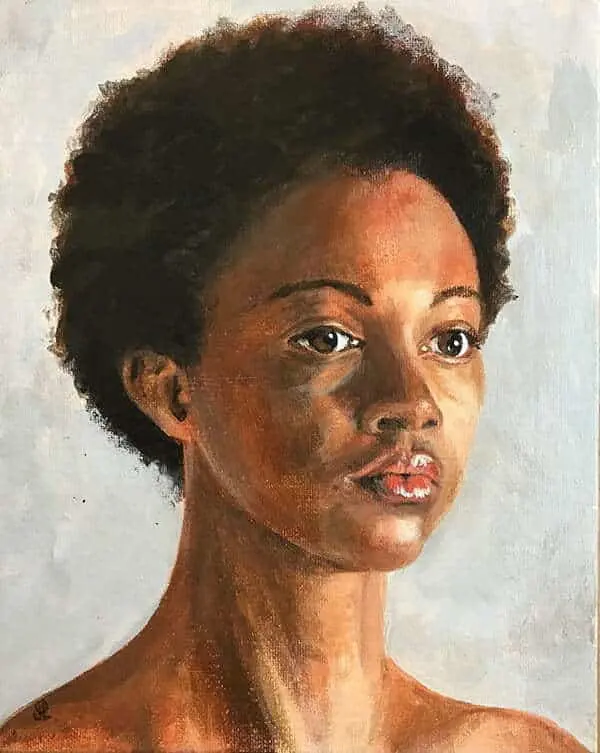
A portrait serves as a visual record of an individual, often commissioned to document appearance, rank, or emotional state. Historically, these works functioned as status symbols for the elite, as seen in the intricate oil paintings of the Renaissance. The artist acts as an objective or interpretive observer, balancing the sitter's physical features with the desired narrative of their character.
When creating a portrait, the artist must navigate the dynamic between themselves and the sitter. This requires building rapport to capture a natural expression rather than a stiff, formal pose. Key elements include:
- Lighting techniques that emphasize facial structure.
- Composition choices that reveal the subject’s environment or profession.
- Color palettes that reflect the subject’s personality.
By focusing on external observation, the portraitist provides a unique perspective on how the world perceives the subject, often highlighting attributes the sitter wishes to project to others.
Why artists create self-portraits
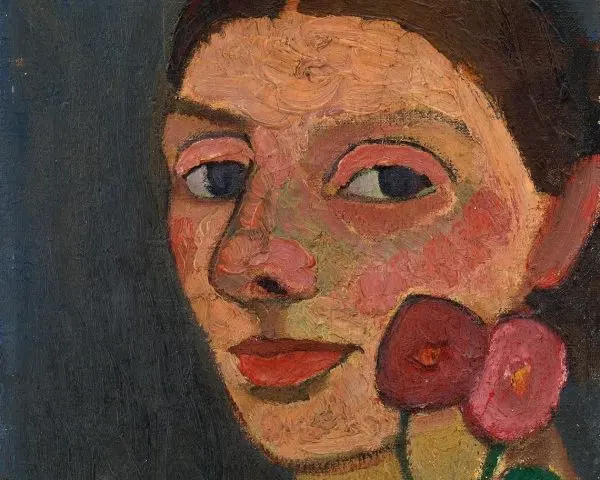
Self-portraits function as a form of visual autobiography, allowing artists to explore their own identity without the constraints of a client's expectations. By turning the gaze inward, the artist becomes both the subject and the observer. This practice has been used for centuries to document physical aging, emotional turmoil, or technical experimentation, as famously seen in the numerous works of Rembrandt van Rijn.
The autonomy inherent in self-portraits allows for a level of honesty that is rarely achieved in commissioned work. Artists often use these pieces to test new techniques or to confront their own vulnerabilities. Common motivations for self-portraiture include:
- Economic necessity when a model is unavailable.
- The desire to master the representation of complex human emotions.
- A method of psychological self-reflection during periods of personal transition.
Because the artist controls every aspect of the composition, the resulting image often reveals private truths that remain hidden in public-facing portraits.
How to distinguish between the two
The most reliable way to differentiate between a portrait and a self-portrait is to identify the creator and the subject. If the artist and the sitter are the same person, it is a self-portrait. If they are distinct individuals, it is a portrait. While this seems straightforward, historical context often provides necessary clues to confirm the artist's intent.
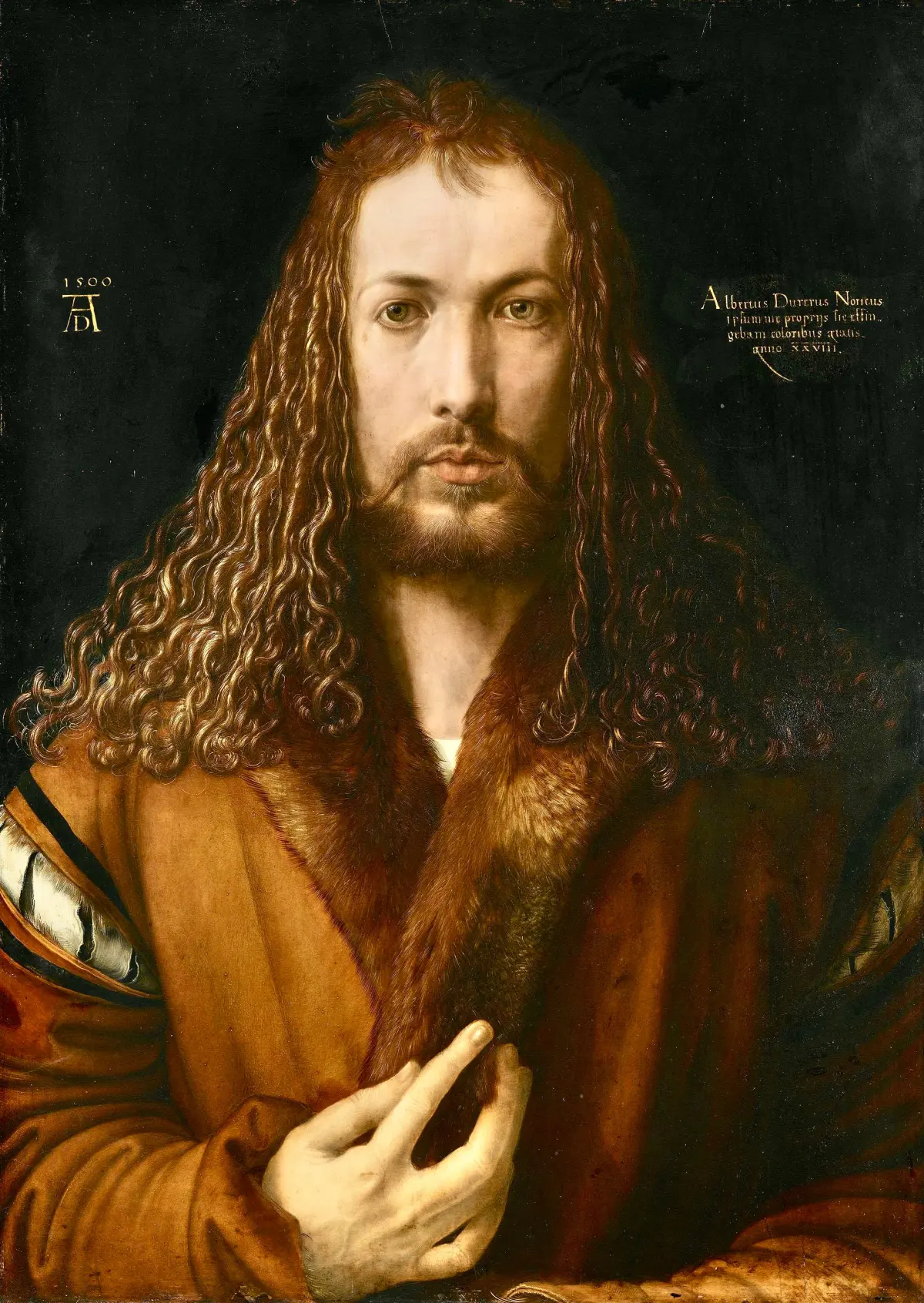
Visual cues can also assist in identification, though they are not always definitive. For example, a subject looking directly into a mirror—or appearing to look at the viewer while holding painting tools—is a strong indicator of a self-portrait. Consider these identifying factors:
- The presence of artistic tools like brushes or palettes in the frame.
- The specific angle of the gaze, which often reflects the use of a mirror.
- Historical provenance and artist signatures that confirm identity.
Understanding these nuances helps viewers appreciate the distinct creative intentions behind each genre of figurative art.
Common mistakes when painting portraits
Beginners often struggle with the technical challenges of capturing a likeness, frequently leading to distorted proportions or flat, lifeless expressions. A frequent error is focusing too heavily on individual features, such as the eyes or nose, while neglecting the overall structure of the skull. This results in an image that looks disjointed rather than cohesive.
Another common mistake is failing to manage the lighting environment, which can flatten the subject's face and remove depth. To improve your portraiture, follow these steps:
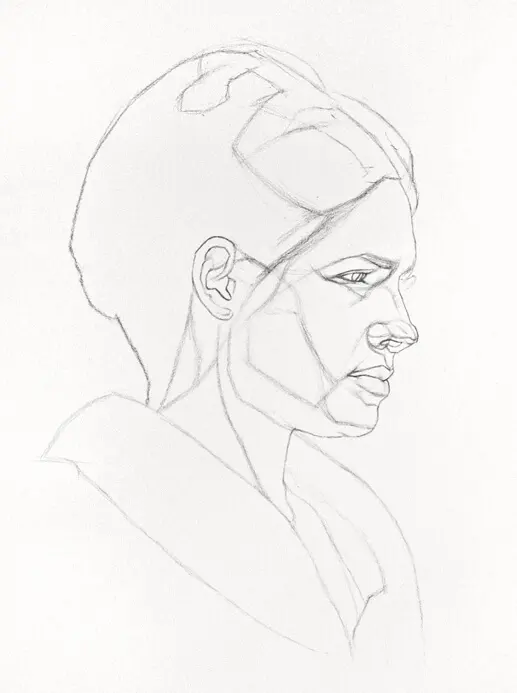
- Establish the basic proportions of the head using a simple oval shape.
- Map out the placement of features before adding details like skin texture or hair.
- Use a single light source to create clear shadows, which adds three-dimensional volume.
By prioritizing structure over detail, artists can create more convincing representations that feel grounded in reality rather than appearing like a collection of isolated parts.
Best practices for self-portraiture
Creating a self-portrait requires managing the physical limitations of working with a mirror or a camera. One of the biggest challenges is the reversal of the image, which can make the artist feel disconnected from their own reflection. To overcome this, many artists choose to use a secondary mirror to flip the image back to its natural orientation.
When beginning a self-portrait, focus on the emotional connection to the subject rather than just the physical accuracy. This allows the work to transcend a mere study of anatomy and become a meaningful statement. Consider these tips:
- Experiment with different angles to find a composition that feels authentic.
- Use natural light to avoid the harsh, unnatural shadows often caused by overhead lamps.
- Take your time to observe your own expressions, as subtle movements can significantly alter the mood of the piece.
By treating yourself as a patient and complex subject, you can produce a work that captures the essence of your identity through the lens of your own unique artistic vision.
Key facts
- A portrait is a representation of a person created by another artist, while a self-portrait is created by the subject themselves.
- The earliest known self-portrait is often attributed to the Egyptian pharaoh Akhenaten's sculptor, Bak, around 1365 BCE.
- Rembrandt van Rijn produced nearly 100 self-portraits throughout his life, documenting his physical aging process from youth to old age.
- When painting a portrait, the artist focuses on capturing the essence of the sitter; in a self-portrait, the artist focuses on introspection and self-analysis.
- To avoid distortion in a self-portrait, artists must use a high-quality mirror or a camera reflection to ensure facial symmetry is maintained.
- Common mistakes in self-portraits include incorrect eye alignment and failing to account for the reversal of features caused by mirror reflections.
The bottom line
The fundamental difference between these genres lies in the relationship between the artist and the subject. While a portrait serves as an external observation of another person, a self-portrait acts as an introspective study of the self. Both forms require mastery of anatomy and composition, yet the self-portrait remains a unique historical record of an artist’s personal evolution, identity, and changing perceptions of their own existence.
People also ask
Can a portrait be abstract?
Yes, portraits can be highly abstract, focusing on emotion or symbolism rather than physical accuracy. Artists like Pablo Picasso and Francis Bacon frequently used abstraction to convey the psychological state of their subjects.
What is a group portrait?
A group portrait depicts multiple people in a single composition, such as Rembrandt’s The Night Watch (1642). These works often aim to show the social hierarchy or relationships between the individuals involved.
Why do artists paint self-portraits?
Artists often create self-portraits to practice technical skills without needing to pay a model. It also serves as a tool for self-reflection, allowing the artist to explore their identity and changing persona over time.
Is a photograph considered a portrait?
Yes, photography is a major medium for portraiture, popularized by figures like Julia Margaret Cameron in the 19th century. A photographic portrait captures a specific moment in time through lighting, composition, and the subject's expression.
What is a "hidden" self-portrait?
A hidden self-portrait occurs when an artist includes their own likeness within a larger scene, often as a bystander or a minor character. Diego Velázquez famously included himself in the background of his masterpiece Las Meninas (1656).
How do lighting techniques differ between the two?
In portraits, lighting is used to flatter or define the sitter's specific facial features. In self-portraits, artists often use dramatic or experimental lighting to emphasize their own internal mood or artistic style.
This answer was created with the help of AI research tools and reference sources. Spotted an error? Let us know — we correct mistakes quickly. See our editorial policy.