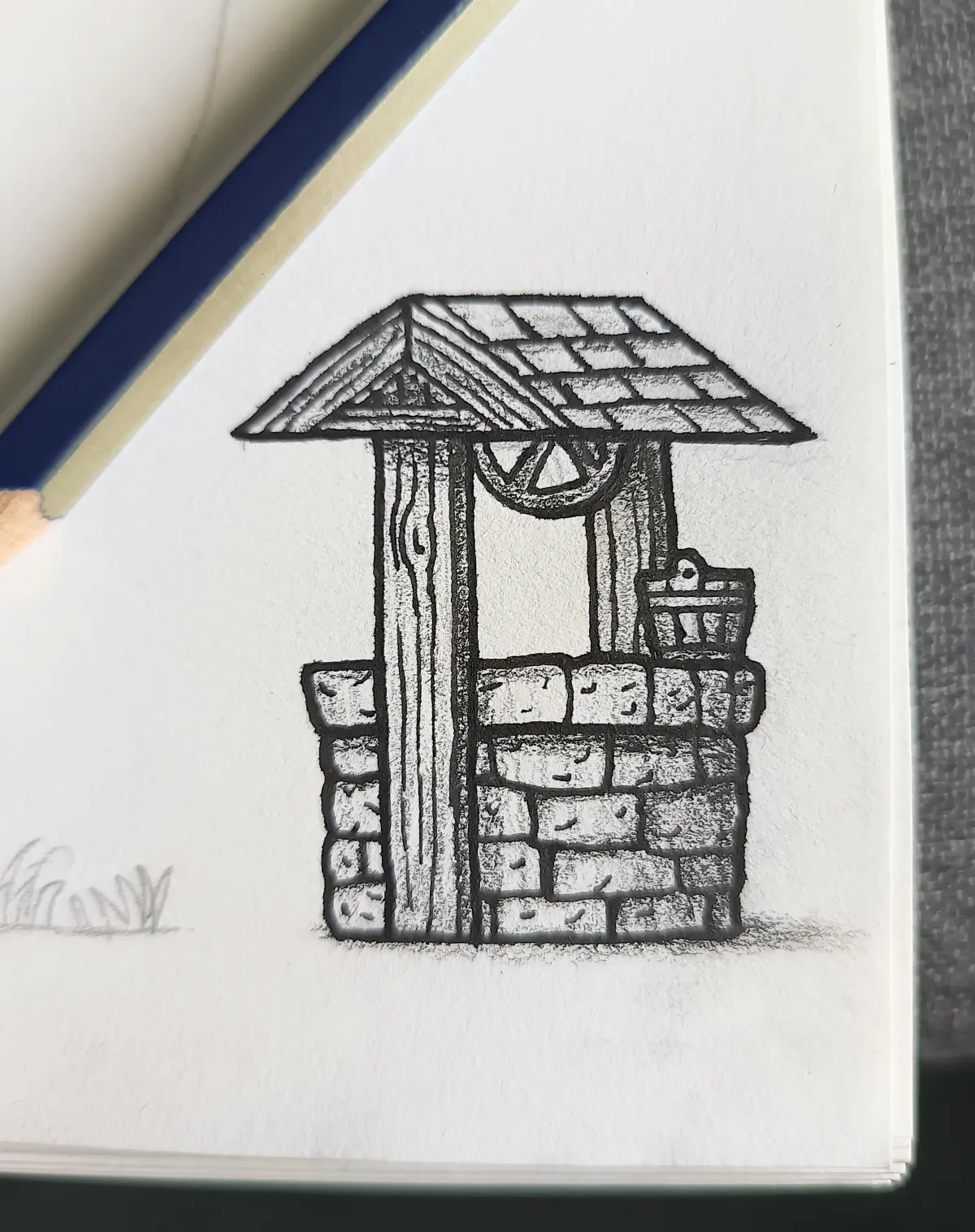
What is inking in comics?
Short answer
Inking is the professional process of tracing over a comic artist’s preliminary pencil sketches with permanent black ink. This stage defines the final line art, establishes depth through varied line weights, and prepares the artwork for coloring or printing. It transforms fragile, light pencil work into a bold, finished visual narrative.
On this page
What is the purpose of inking in comics?
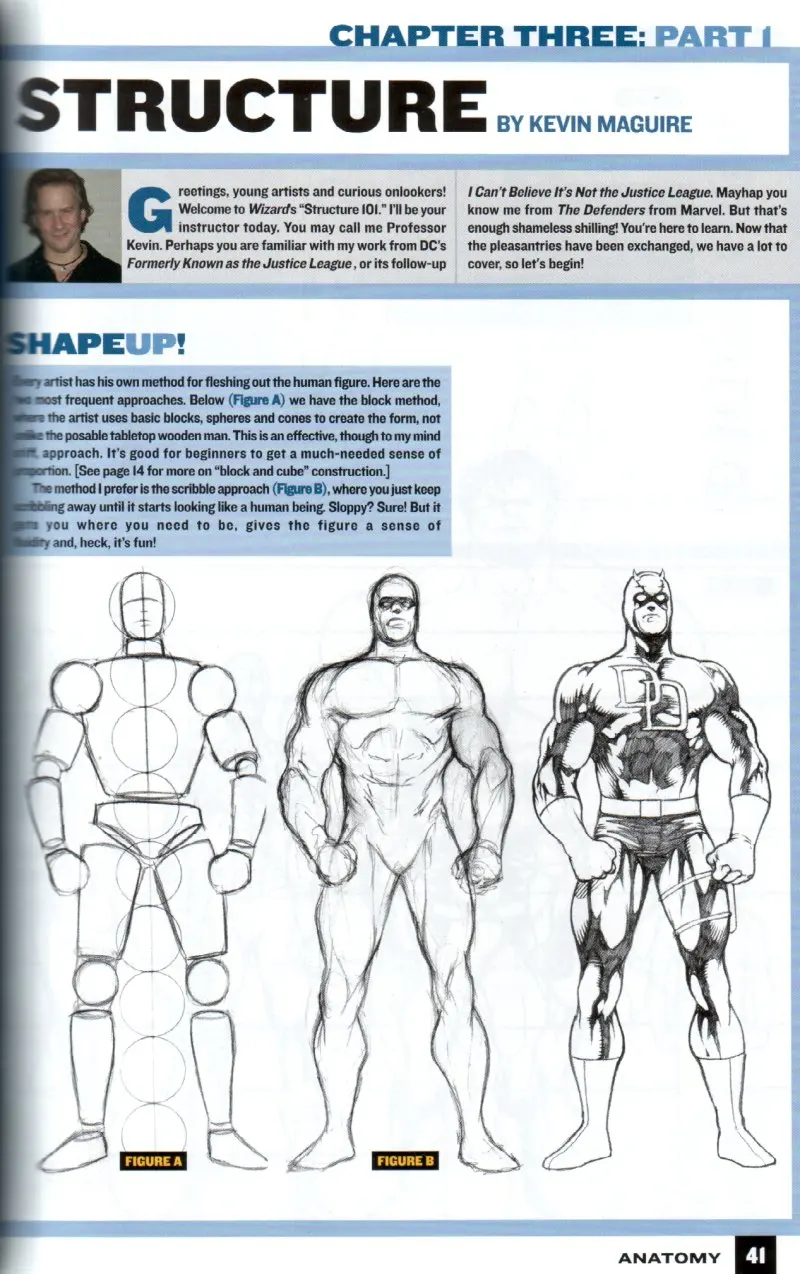
Inking serves as the bridge between a rough layout and the final printed page. While pencils provide the composition and character anatomy, ink provides the necessary contrast and clarity required for high-speed printing presses. Without this stage, pencil lines might appear muddy or disappear entirely when reduced to the size of a standard comic book panel.
Beyond mere clarity, the inker acts as a secondary artist who interprets the penciler's intent. By adjusting the thickness of lines, an inker can dictate where the viewer’s eye should focus and how light interacts with a scene. A thick, heavy outline often suggests a solid, foreground object, while thinner lines might indicate distance or delicate textures. This process is essential for creating the visual hierarchy that makes modern comics readable and dynamic.
How do professionals ink comics?
Modern professionals typically follow a structured workflow to ensure consistency across an entire issue. The process has evolved from traditional dip pens and brushes to digital tablets, yet the fundamental principles of line weight and shadow application remain unchanged. Whether working on physical Bristol board or a digital canvas, the goal is to create a clean, professional aesthetic.
- Prepare the pencil art by ensuring all guide lines are light enough to be erased or hidden.
- Select the appropriate tool, such as a technical pen for uniform lines or a sable brush for expressive, tapered strokes.
- Ink the primary outlines first to establish the silhouette of characters and major architectural elements.
- Add secondary details, such as facial features, fabric folds, and fine textures.
- Apply black fills or spot blacks to create shadows and define the light source.
- Erase remaining pencil marks or hide the digital pencil layer to reveal the final, clean ink work.
What tools are used for inking?
The choice of tools significantly influences the final look of the comic. Traditional inkers often prefer high-quality waterproof India ink paired with a variety of nibs and brushes. A G-nib, for instance, is prized for its flexibility, allowing the artist to create lines that swell and taper dramatically with slight changes in pressure. This responsiveness brings an organic, human quality to the artwork.
Digital inking has become increasingly popular due to its efficiency and the ability to undo mistakes instantly. Artists use software like Clip Studio Paint or Adobe Photoshop, which offer stabilizers to smooth out jittery hand movements. These programs provide virtual brushes that mimic the behavior of real-world ink, such as the way a brush creates a dry-brush effect when moving quickly. Regardless of the medium, the fundamental skill remains the ability to control pressure and flow to create varied, intentional line weights.
Common mistakes when inking comics
Even experienced artists can fall into traps that diminish the quality of their work. One of the most frequent errors is "over-inking," where an artist adds too much detail to a scene, resulting in a cluttered or confusing image. This often happens when an inker tries to trace every single pencil line rather than interpreting the form. A good inker knows which lines are necessary for the reader to understand the image and which ones are merely decorative.
- Using a uniform line weight throughout the entire page, which makes the artwork look flat and lifeless.
- Failing to maintain a consistent light source, leading to shadows that appear in illogical or distracting places.
- Neglecting to clean up stray ink marks or "hickies" that can appear during the scanning or printing process.
- Rushing the application of spot blacks, which can destroy the balance of the composition if applied too heavily or in the wrong areas.
How to improve your inking skills
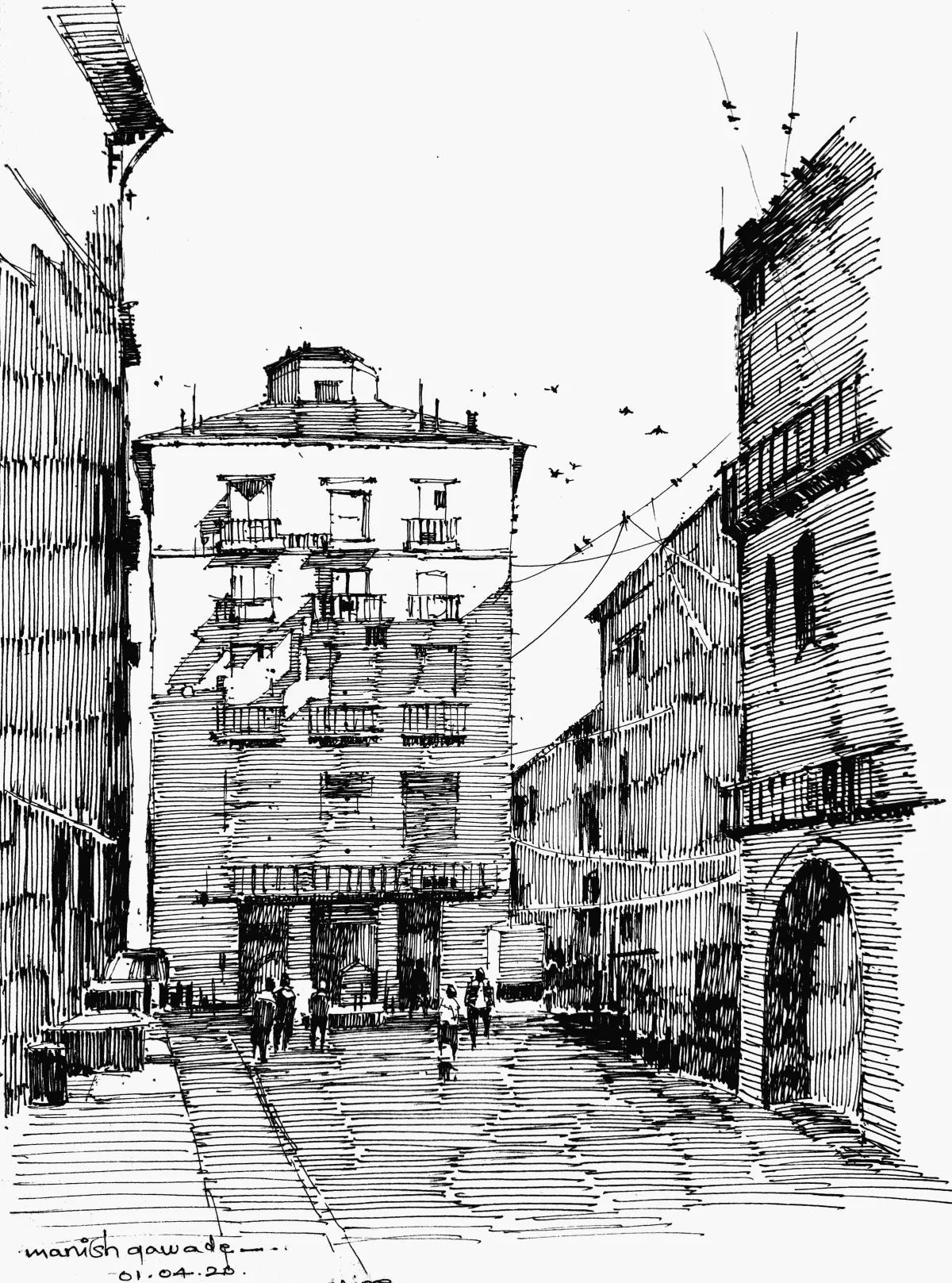
Improving as an inker requires a combination of technical practice and aesthetic study. You should start by studying the works of masters like Neal Adams or Klaus Janson, paying close attention to how they use "feathering"—a technique of creating a gradient of thin lines to suggest shadow. Practice this by drawing simple shapes and trying to create a smooth transition from dark to light using only ink strokes.
Another effective exercise is to take a single pencil drawing and ink it multiple times using different styles. You might try an aggressive, high-contrast style on one version and a delicate, minimalist style on another. This helps you understand how the inker’s choices fundamentally alter the mood of the story. Consistent practice with line control, specifically focusing on the start and end points of every stroke, will eventually lead to more confident and fluid artwork. Over time, you will develop a personal style that complements your penciling and enhances the overall storytelling experience of your comics.
Key facts
- Inking is the stage in comic book production where a penciled drawing is traced with permanent black ink to create a high-contrast final image.
- Traditional inkers use physical tools like sable hair brushes, technical pens, or dip pens to achieve varying line weights.
- The primary goal of inking is to provide clarity and depth, ensuring the artwork remains legible when reproduced on paper.
- Modern digital inking is frequently performed using tablets and stylus pens, which allow for "undo" functions and non-destructive layering.
- Professional inkers often add "spot blacks" to create shadows and mood, which helps define the volume of characters and environments.
- A common mistake for beginners is using an inconsistent line weight, which can make a drawing look flat or cluttered.
The bottom line
Inking is the essential bridge between a rough pencil sketch and a finished, professional comic book page. By utilizing precise tools to define shapes, textures, and shadows, the inker transforms preliminary drawings into clear, high-contrast art. Whether working with traditional brushes or digital software, mastering line weight and spot blacks is fundamental to creating dynamic, readable stories that effectively communicate visual narratives to the reader.
People also ask
Why do comics need an inker if the penciler has already drawn the image?
Pencil lines are often faint, messy, or lack the necessary contrast for printing presses to capture clearly. The inker interprets the pencil work, cleans up the lines, and adds final visual polish to ensure the page is ready for colorists and printers.
What is the difference between a brush and a technical pen?
A brush is highly expressive, allowing the artist to create lines that taper from thick to thin in a single stroke. Technical pens provide a uniform, precise line width that is ideal for consistent architectural details or mechanical objects.
Do all comic artists ink their own work?
While many artists do, the traditional American comic industry often splits the labor between a penciler and an inker to meet tight monthly deadlines. This division of labor allows for a professional finish that combines the strengths of two different specialists.
What are "spot blacks"?
Spot blacks are large, solid areas of black ink applied to a page to create dramatic lighting or shadows. They are essential for guiding the reader's eye and establishing a sense of atmosphere within a panel.
Can you erase ink if you make a mistake?
On traditional paper, mistakes are difficult to fix and usually require the use of opaque white paint to cover the error. Digital inking allows for immediate corrections, making it a more forgiving medium for those still learning the craft.
What is the most common mistake when starting to ink?
The most frequent error is "over-inking," which occurs when an artist adds too much detail or too many unnecessary lines. This often obscures the original intent of the penciler and makes the final image look muddy or confusing.
This answer was created with the help of AI research tools and reference sources. Spotted an error? Let us know — we correct mistakes quickly. See our editorial policy.