What is Joffre Lakes known for?
Short answer
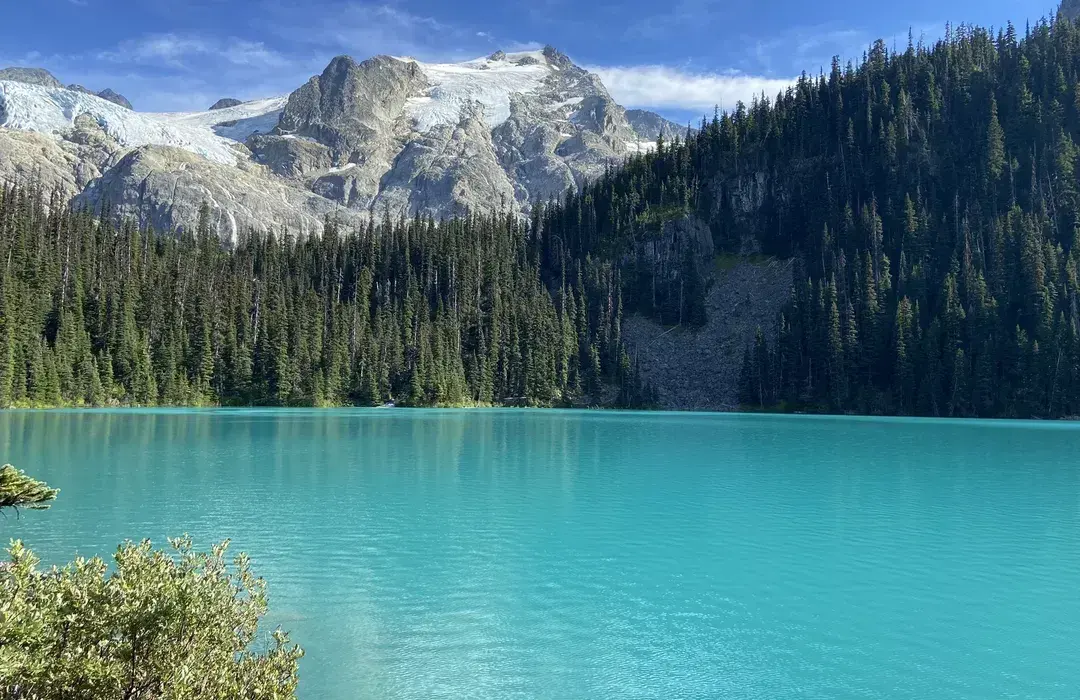
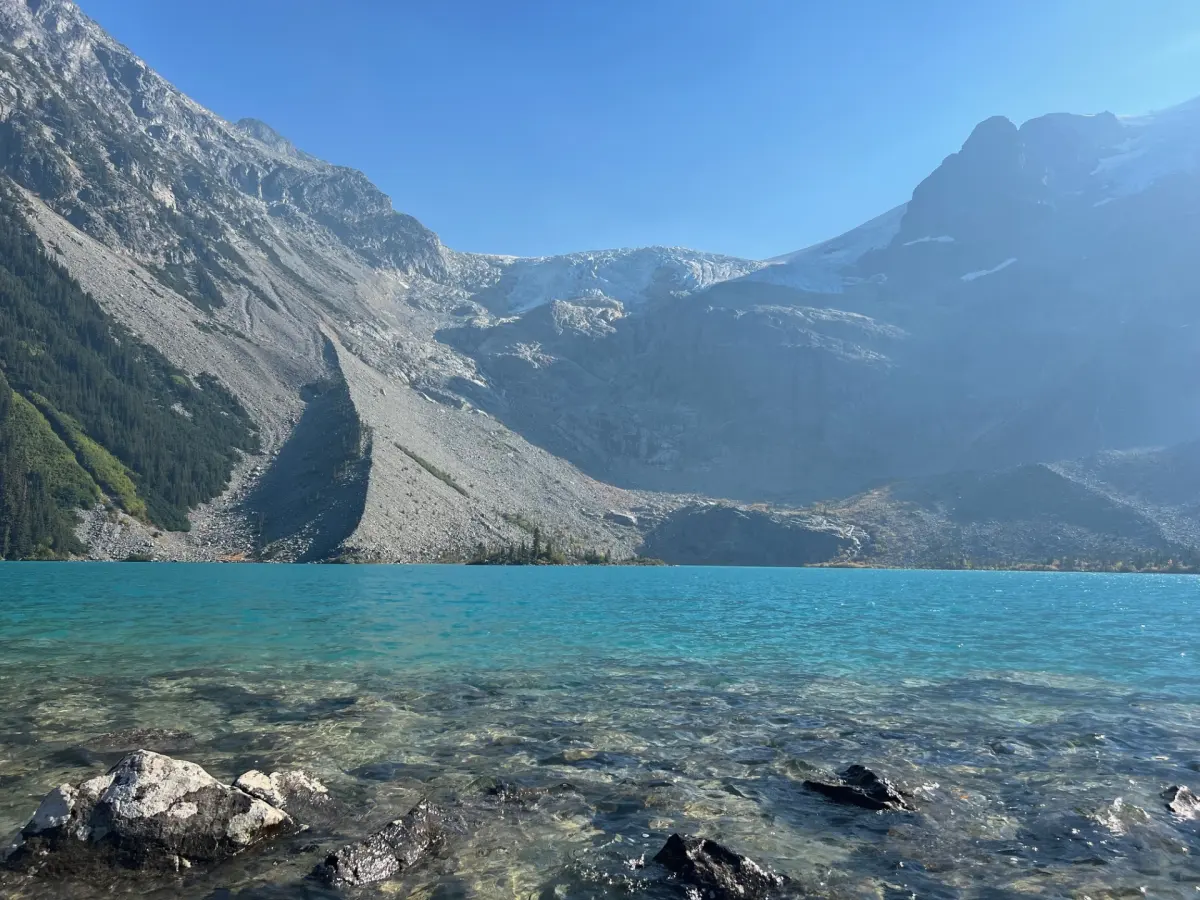
Joffre Lakes Provincial Park is world-renowned for its three stunning, turquoise-hued glacial lakes: Lower, Middle, and Upper Joffre Lake. Located in British Columbia’s Coast Mountains, the park offers a challenging 7.4-kilometer round-trip hike that provides breathtaking views of Matier Glacier, rugged alpine peaks, and vibrant, mineral-rich waters fed by melting ice.
On this page
Why are Joffre Lakes so blue?
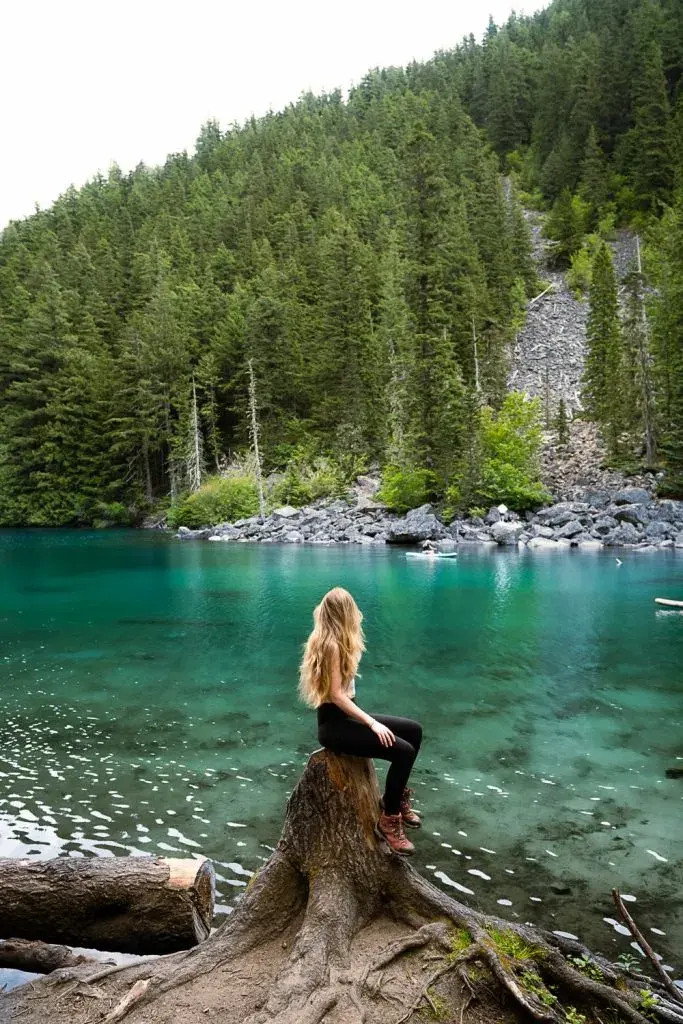
The striking turquoise color of the Joffre Lakes is a natural phenomenon caused by glacial flour. As the Matier Glacier moves slowly over the underlying bedrock, it grinds the rock into an incredibly fine, silt-like powder. This sediment, known as rock flour, is washed into the lakes by glacial meltwater streams during the warmer summer months.
When sunlight hits the water, the suspended particles reflect the blue and green spectrum of light while absorbing other wavelengths. This creates the intense, opaque neon-blue appearance that makes the lakes a popular subject for photography. The intensity of the color often fluctuates depending on the time of year and the amount of glacial runoff entering the system.
How long does it take to hike Joffre Lakes?
The hike to reach all three lakes is approximately 7.4 kilometers round-trip, with an elevation gain of about 400 meters. While the trail is well-maintained, it is classified as intermediate due to its steep sections and rocky terrain. Most hikers should plan for the following timeframes:
- Lower Joffre Lake: 5 to 10 minutes from the parking lot.
- Middle Joffre Lake: 1.5 to 2 hours of steady uphill hiking.
- Upper Joffre Lake: An additional 15 to 20 minutes from the middle lake.
Expect to spend between 3.5 and 5 hours total to complete the trip, including time for photography and rest. If you are hiking at a slower pace or carrying heavy equipment, it is wise to add an extra hour to your itinerary to ensure you return to the trailhead before dark.
What should I pack for Joffre Lakes?
Proper preparation is essential for a safe and enjoyable experience in the alpine environment. Because the weather in the Coast Mountains can change rapidly, you must carry the ten essentials for hiking. Beyond basic safety gear, consider the following items for a successful trip:
- Sturdy hiking boots with good ankle support and grip.
- Multiple layers of clothing, including a moisture-wicking base layer and a waterproof outer shell.
- High-energy snacks and at least two liters of water, as there are no potable water sources on the trail.
- Sun protection, such as sunglasses and sunscreen, because the reflection off the water and snow can be intense.
- A headlamp with extra batteries, just in case your hike takes longer than anticipated.
Common mistakes when visiting Joffre Lakes
The most frequent error visitors make is failing to secure a mandatory day-use pass. During the peak summer season, BC Parks requires a free reservation to enter the park, which must be booked online in advance. Arriving without a confirmed reservation will result in being turned away by park staff, as parking capacity is strictly enforced to protect the fragile ecosystem.
Another common mistake is underestimating the physical demands of the trail. Many visitors arrive in inappropriate footwear, such as flip-flops or casual sneakers, which leads to slips on the loose, uneven rocks. Additionally, some hikers neglect to practice "Leave No Trace" principles. Always pack out every piece of trash, including food scraps, and stay on the designated trail to prevent erosion and damage to the sensitive alpine vegetation surrounding the glacial basins.
Best time of year to visit Joffre Lakes
The optimal window for visiting the park is between July and September. During these months, the snow has typically melted from the main trail, and the lakes exhibit their most vibrant turquoise color due to active glacial melting. August is often considered the peak month for clear skies and pleasant temperatures, though it is also the busiest time for visitor traffic.
If you prefer a quieter experience, consider visiting on a weekday rather than a weekend. Early mornings are also significantly less crowded and provide the best lighting for photography. For those interested in winter activities, the park remains open, but the trail to the upper lakes becomes a serious mountaineering route requiring snowshoes, crampons, and avalanche safety training. Always check the official BC Parks website for current trail conditions and seasonal closures before you depart for your trip.
Key facts
- Joffre Lakes Provincial Park features three distinct turquoise-colored lakes: Lower, Middle, and Upper Joffre Lake.
- The vibrant blue color is caused by "rock flour," which is finely ground silt created by glacial erosion.
- The hike to the Upper Lake is approximately 10 kilometers round-trip with an elevation gain of about 400 meters.
- Visitors are required to obtain a free day-use pass online through the BC Parks website during peak season.
- Matier Glacier is visible from the Upper Joffre Lake, providing a dramatic backdrop for photography.
- Pets are strictly prohibited in the park to protect the sensitive alpine ecosystem and local wildlife.
The bottom line
Joffre Lakes is a premier destination in British Columbia, celebrated for its stunning turquoise waters and accessible alpine scenery. By securing a mandatory day-use pass and respecting the fragile environment, visitors can enjoy a rewarding hike through rugged mountain terrain. Whether you are seeking a challenging day trip or a serene backcountry camping experience, the park offers an unparalleled look at Canada’s majestic glacial landscape.
People also ask
Is the Joffre Lakes hike considered difficult?
The trail is rated as intermediate due to its steep sections and rocky, uneven terrain. Hikers should be prepared for a steady incline that requires moderate physical fitness and sturdy footwear.
Can I camp overnight at Joffre Lakes?
Yes, backcountry camping is permitted at the Upper Joffre Lake, but you must reserve a spot in advance. Reservations are mandatory and typically sell out months ahead of the summer season.
When is the best time of year to visit?
The ideal time to visit is between July and September when the lakes are thawed and the trails are free of snow. Visiting outside of this window often requires specialized winter gear like snowshoes or crampons.
Are there facilities like toilets or trash cans?
The park provides pit toilets at the trailheads and near the lakes, but there are no garbage facilities. Visitors must follow "Leave No Trace" principles and pack out everything they bring in.
Is it safe to swim in the lakes?
While swimming is not prohibited, the water is glacial-fed and remains extremely cold year-round. Hypothermia is a significant risk, so most visitors prefer to admire the scenery from the shore.
How long does it take to complete the hike?
Most hikers spend between 4 to 6 hours completing the full round-trip to the Upper Lake. This estimate includes time for resting, taking photographs, and enjoying the view at each lake.
This answer was created with the help of AI research tools and reference sources. Spotted an error? Let us know — we correct mistakes quickly. See our editorial policy.