What is film?
Short answer
Film is a medium of visual storytelling that captures moving images on a light-sensitive strip or digital sensor. It combines photography, sound, and editing to create a narrative or documentary experience. By projecting these frames in rapid succession, film creates the illusion of continuous motion, engaging audiences through sight and sound.

On this page
How does film work technically
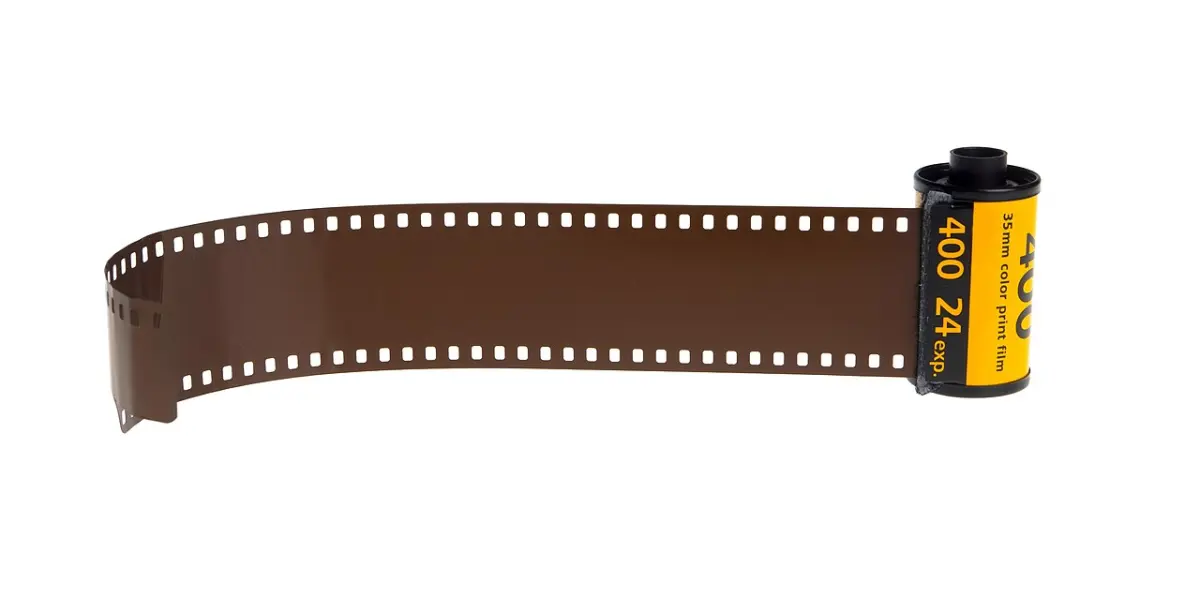
At its core, film relies on the principle of persistence of vision, where the human eye retains an image for a fraction of a second. When individual frames are displayed at a rate of 24 frames per second, the brain perceives them as seamless movement rather than static pictures. Traditional celluloid film consists of a flexible plastic base coated with light-sensitive silver halide crystals. When exposed to light through a camera lens, these crystals undergo a chemical change to form a latent image.
In the modern era, most production has shifted to digital sensors. These sensors convert light into electrical signals, which are then processed into binary data. Despite the change in medium, the fundamental goal remains the same: capturing light to replicate reality or create fantasy. The process involves three distinct phases:
- Pre-production: Scriptwriting, casting, and location scouting.
- Production: The actual filming of scenes on set.
- Post-production: Editing, sound design, and color grading.
What are the main types of film
Films are generally categorized by their intent and narrative structure. Narrative films tell fictional stories, often following a traditional three-act structure involving a protagonist, a conflict, and a resolution. Documentary films, conversely, aim to capture non-fictional events or subjects, providing a factual account of history, nature, or social issues. Experimental films often disregard these traditional rules, focusing instead on abstract concepts, visual textures, or unconventional editing techniques.
Beyond these broad categories, films are frequently grouped by genre, which helps audiences understand the tone and themes they can expect. Common genres include:
- Drama: Focuses on character development and emotional themes.
- Science Fiction: Explores speculative technology and futuristic settings.
- Horror: Designed to evoke fear, suspense, or shock.
- Comedy: Primarily intended to make the audience laugh.
- Action: Emphasizes physical stunts, chases, and combat.
How to start making a film
Creating a film is an accessible process that requires more planning than expensive equipment. Start by writing a simple script that focuses on a clear, achievable story. You do not need a professional cinema camera; a modern smartphone is capable of capturing high-quality 4K video. Focus on your lighting and audio, as audiences are more likely to forgive poor visuals than unintelligible sound. Use a tripod to keep your shots steady and ensure your subject is well-lit.
Follow these steps to organize your first production:
- Write a one-page script with a clear beginning, middle, and end.
- Create a shot list to plan exactly what angles you need to film.
- Record your video, ensuring you capture extra footage for transitions.
- Use free editing software to trim your clips and add music.
- Export your final project in a standard format like MP4.
Why do films look the way they do
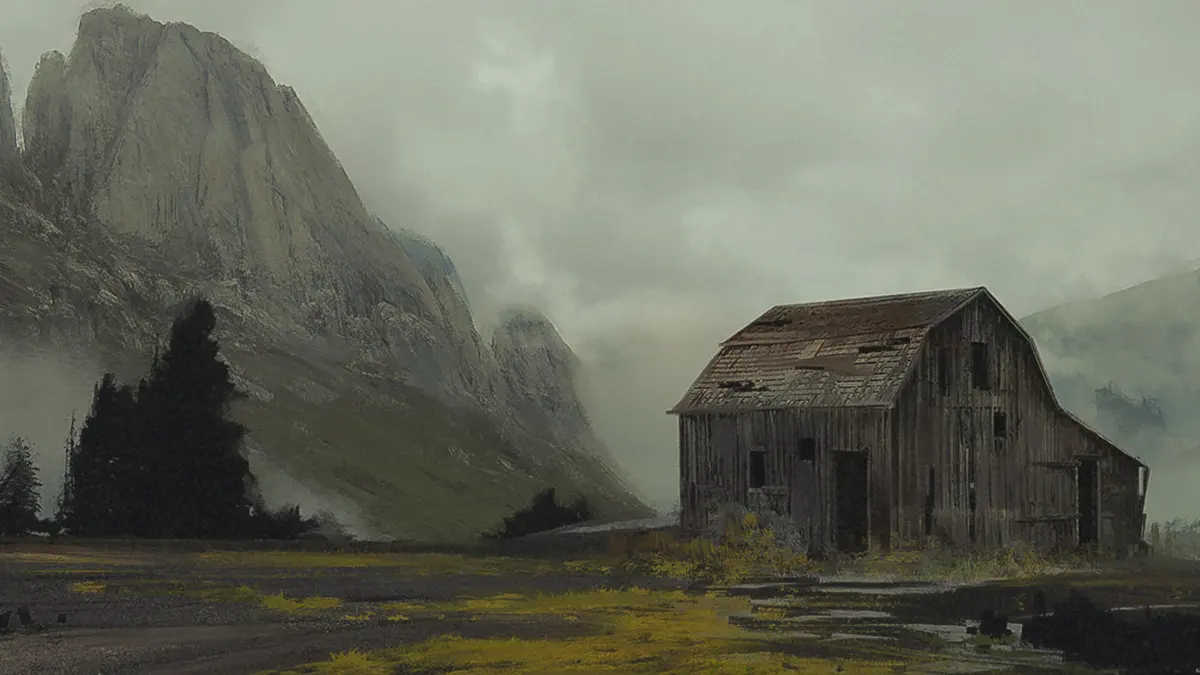
The "look" of a film is determined by cinematography and color grading. Cinematographers manipulate lenses, aperture, and shutter speed to control depth of field and motion blur. A shallow depth of field, where the background is blurry, helps draw the viewer's eye to the main character. Color grading, performed during post-production, involves adjusting the hues and contrast of the footage to establish a specific mood, such as a cold blue tint for a thriller or warm gold tones for a romance.
Lighting is perhaps the most critical element in defining the aesthetic of a film. High-key lighting, which is bright and even, is common in comedies and musicals to create a cheerful atmosphere. Low-key lighting, characterized by deep shadows and high contrast, is a staple of film noir and horror. By mastering these visual tools, filmmakers guide the audience's emotions without the need for dialogue, proving that film is primarily a visual language.
Common mistakes when filming
One of the most frequent errors beginners make is neglecting audio quality. If the dialogue is muffled or distorted by wind, the audience will quickly lose interest regardless of how beautiful the images are. Always use an external microphone if possible, or ensure your subject is close to the camera's internal mic. Another common mistake is "shaky cam," which occurs when filming handheld without stabilization. Even a simple DIY rig or leaning against a wall can significantly steady your footage.
Avoid these common pitfalls to improve your results:
- Overcomplicating the story: Keep your first project short and focused on a single location.
- Ignoring continuity: Ensure props and costumes remain consistent between shots.
- Poor framing: Avoid placing subjects in the center of every shot; try the rule of thirds.
- Lack of coverage: Always film more angles than you think you need to make editing easier.
- Rushing the edit: Take the time to pace your cuts so the story flows naturally.
Key facts
- Film is a medium that captures moving images on a light-sensitive strip of celluloid or through digital sensors to create the illusion of motion.
- The standard frame rate for professional cinema is 24 frames per second, which balances fluid motion with efficient storage.
- Persistence of vision is the optical phenomenon that allows the human brain to perceive a series of still images as a continuous moving picture.
- When filming, always maintain a consistent shutter angle, typically 180 degrees, to ensure natural-looking motion blur.
- A common mistake for beginners is failing to white balance the camera, which leads to unnatural color tints in the final footage.
- The three main stages of film production are pre-production (planning), production (filming), and post-production (editing).
The bottom line
Film is a versatile medium that combines technical precision with creative storytelling to capture the human experience. By understanding the core principles of frame rates, lighting, and narrative structure, anyone can begin producing their own moving images. Whether using traditional celluloid or modern digital tools, the fundamental goal remains the same: to engage an audience through the powerful and enduring illusion of motion.
People also ask
What is the difference between film and digital cinema?
Film uses physical celluloid strips coated in light-sensitive chemicals, while digital cinema records data onto electronic sensors and memory cards. Digital has become the industry standard due to lower costs and immediate playback capabilities.
How does a camera create the illusion of movement?
A camera captures individual still photographs in rapid succession. When these images are projected or played back at a specific speed, the human eye blends them into a seamless moving sequence.
What is an aspect ratio?
An aspect ratio is the proportional relationship between the width and height of a video frame. Common standards include 1.85:1 for theatrical releases and 16:9 for television and online content.
Why is lighting important in filmmaking?
Lighting defines the mood, depth, and texture of a scene. Proper lighting ensures the camera sensor receives enough data to produce a clear image without excessive digital noise.
What is the role of an editor?
An editor selects the best takes and arranges them to build a coherent narrative. They control the pacing, rhythm, and emotional impact of the story through the assembly of clips.
How do I start making my own films?
You can start by using a smartphone to capture short stories, focusing on clear audio and stable shots. Learn the basics of composition and editing software before investing in expensive professional equipment.
This answer was created with the help of AI research tools and reference sources. Spotted an error? Let us know — we correct mistakes quickly. See our editorial policy.