What is a retrospective exhibition?
Short answer
A retrospective exhibition is a comprehensive survey of an artist’s career, typically organized chronologically or thematically. It gathers works from various periods to showcase the evolution of an artist’s style, technique, and conceptual focus. These exhibitions are usually reserved for established artists who have made a significant impact on the art world.
On this page
What is the purpose of a retrospective exhibition?
The primary goal of a retrospective is to provide a holistic view of an artist’s creative trajectory. By placing early works alongside mature masterpieces, curators allow the public to witness the development of specific themes or technical mastery over several decades. It serves as a historical record, documenting how an artist responded to the social, political, and cultural shifts of their time.
Beyond mere chronology, these exhibitions often aim to recontextualize an artist’s legacy. They provide scholars and the public with an opportunity to re-examine works that may have been overlooked or misunderstood during their initial release. By gathering pieces from private collections and international museums, a retrospective creates a definitive narrative that often influences the market value and critical standing of the artist for years to come.
How are retrospective exhibitions organized?
Curators typically follow a rigorous process when assembling a retrospective to ensure the narrative remains coherent. They must balance the inclusion of iconic works—the "greatest hits"—with lesser-known pieces that illustrate the artist’s experimental phases. The physical layout of the gallery is designed to guide the visitor through the artist's life, often moving from formative years to late-career reflections.
- Research and selection of key works from various periods.
- Securing loans from private collectors and other institutions.
- Designing a floor plan that facilitates a logical flow.
- Writing interpretive labels and catalogs to provide historical context.
- Installing the exhibition with careful attention to lighting and spacing.
This organizational structure ensures that the exhibition does not feel like a random assortment of objects but rather a curated argument about the artist's importance.
Who qualifies for a retrospective exhibition?
Retrospectives are generally reserved for artists who have reached a high level of professional maturity and historical significance. While there is no rigid rule for when an artist "deserves" a retrospective, museums typically look for a body of work spanning at least twenty to thirty years. This duration is necessary to demonstrate a clear evolution and a sustained contribution to the history of art.
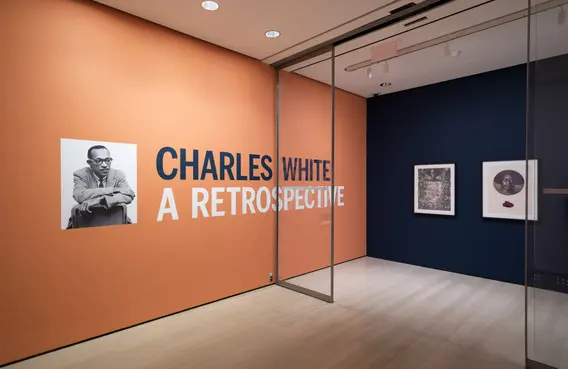
Famous examples demonstrate the weight of this honor. For instance, the Museum of Modern Art in New York has hosted landmark retrospectives for figures like Pablo Picasso, Henri Matisse, and Cindy Sherman. These exhibitions often coincide with major milestones, such as an artist’s 60th birthday or a significant anniversary of their debut. An artist must have a sufficiently large and diverse portfolio to fill gallery spaces while maintaining a high quality of work throughout the entire presentation.
Common mistakes when planning a retrospective
One of the most frequent errors is overcrowding the exhibition space. When curators try to include too many pieces, the individual works lose their impact, and the viewer experiences "museum fatigue." It is essential to leave enough white space between works so that each piece can be appreciated on its own merits without visual competition from neighboring objects.
Another common pitfall is failing to provide enough educational context. Without clear signage, timelines, or a well-written exhibition catalog, the casual visitor may struggle to understand the significance of the artist’s evolution.
- Overloading the walls with too many small sketches.
- Neglecting the chronological narrative, which confuses the viewer.
- Using poor lighting that obscures the texture of paintings or sculptures.
- Failing to secure important pieces that are essential to the artist's story.
- Ignoring the need for a comfortable path through the gallery.
Best practices for visitors attending a retrospective
To get the most out of a retrospective, visitors should prepare by researching the artist’s major periods beforehand. Understanding the historical context—such as the artist's involvement in specific movements like Cubism, Surrealism, or Minimalism—will make the viewing experience much more rewarding. Start by reading the introductory wall text, which usually outlines the curator’s thesis for the show.
Take your time moving through the galleries rather than rushing to see every single item. Focus on the transitions between rooms, as these often mark shifts in the artist's life, such as moving to a new city or experiencing a personal tragedy. If a catalog is available, consider purchasing it, as it often contains deep-dive essays and high-quality images that serve as a permanent record of the exhibition. Engaging with the work in this way transforms a simple visit into a profound educational experience that honors the artist's lifelong dedication to their craft.
Key facts
- A retrospective is a comprehensive exhibition that surveys an artist’s work over a significant period, often their entire career.
- These shows are typically organized chronologically to illustrate the evolution of an artist's style, techniques, and thematic concerns.
- Curators often select a mix of iconic masterpieces and lesser-known pieces to provide a balanced view of the artist's creative journey.
- Retrospectives are usually reserved for established artists who have achieved a level of critical acclaim or historical significance.
- A major retrospective often includes a scholarly catalog, which serves as a definitive reference for the artist's life and body of work.
- Avoid the mistake of overcrowding the space; effective retrospectives prioritize thematic flow over the inclusion of every single minor sketch.
The bottom line
A retrospective exhibition serves as a definitive career summary, tracing an artist's growth from early experimentation to mature mastery. By presenting works in chronological order, these shows offer viewers a unique opportunity to witness the evolution of creative vision and technique. Ultimately, a successful retrospective acts as both a celebration of an individual’s legacy and a vital contribution to the ongoing study of art history.
People also ask
How does a retrospective differ from a standard art exhibition?
A standard exhibition usually focuses on a specific theme, period, or medium. In contrast, a retrospective is dedicated to a single artist's career trajectory, showing how their work changed over decades.
Who decides which artists receive a retrospective?
Museum curators and directors make these decisions based on an artist's historical impact, critical reception, and the availability of key works. They look for artists whose contributions have significantly influenced the trajectory of art history.
Can an artist have more than one retrospective?
Yes, successful artists may have multiple retrospectives throughout their lives as their careers continue to evolve. Museums often revisit an artist's work every few decades to provide a fresh perspective based on new scholarship.
Are retrospectives only for living artists?
No, many retrospectives are posthumous, organized to honor the legacy of deceased artists. These exhibitions are essential for re-evaluating an artist's influence long after their passing.
Why are retrospectives important for art history?
They provide a cohesive narrative of an artist's development, allowing scholars and the public to see connections that aren't visible in isolated works. This helps solidify the artist's place within the broader canon of art history.
What is the biggest challenge in organizing a retrospective?
The primary challenge is securing loans for essential pieces from private collectors and other institutions. Ensuring these works are available and can be transported safely is a complex logistical and financial undertaking.
This answer was created with the help of AI research tools and reference sources. Spotted an error? Let us know — we correct mistakes quickly. See our editorial policy.